
The 8 Surviving Cham Tower Complexes in Binh Dinh: A Complete Local Guide.
Binh Dinh is home to the largest system of Cham towers in Vietnam, a living museum of red-brick temples built between the 10th and 15th centuries. Each tower stands on a hill, beside a river, or deep in a forgotten village-marking the presence of an ancient kingdom whose artistry still shapes the land today.
From the iconic Twin Towers in Quy Nhon to the majestic Duong Long Towers, every complex carries unique architecture, symbolism, and legends that have survived for nearly a thousand years.
In this guide, we explore all eight Cham tower complexes still standing in Binh Dinh, helping you understand their history, hidden stories, and why they deserve a place on your travel itinerary.
Let the journey begin.
- Discover 1 day Champa Tower tour in Binh Dinh.
- Quy Nhon Traditional villages 1 day tour with local guide.
1. Twin Towers (Tháp Đôi) – The Gateway to Cham Heritage in Quy Nhon.
Location: Quy Nhon City.
Number of towers: 2.
Period: Late 12th – early 13th century.
Architectural style: Late Cham style influenced by Angkor.
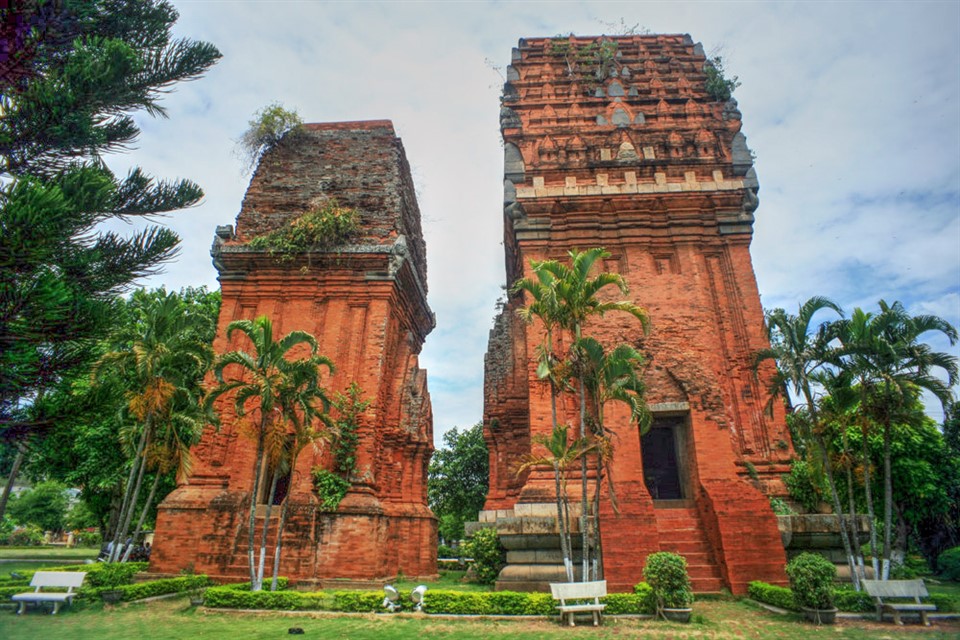
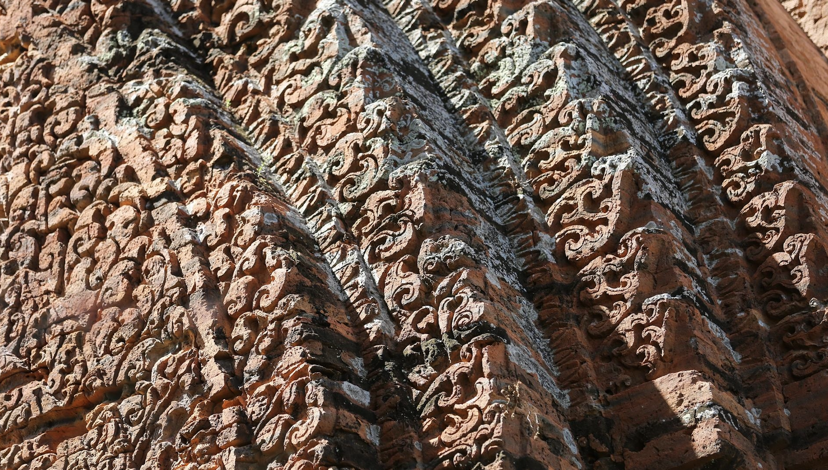
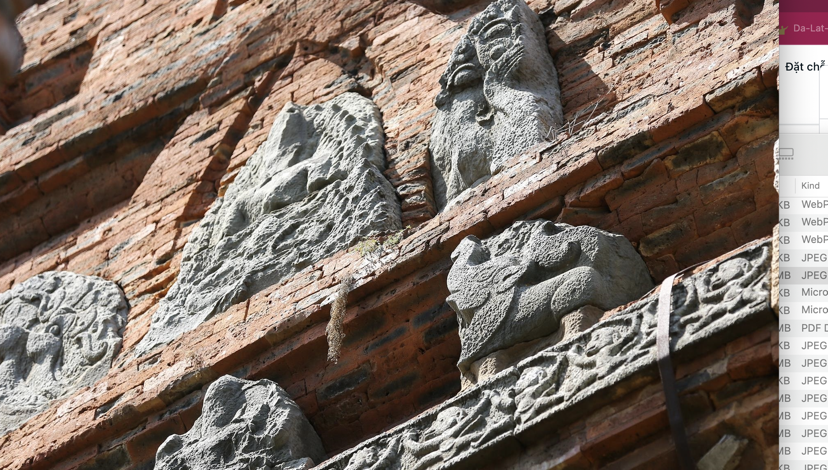
Standing quietly in the heart of Quy Nhon, the Twin Towers are one of the most accessible Cham monuments in Vietnam. Built during the decline of the Champa Kingdom, the towers reflect a period of artistic fusion-where Cham architecture blended with Khmer influences. Their curved, powerful lines and sandstone sculptures of gods and sacred animals are some of the finest in the region.
Legend says sailors used these towers as a spiritual landmark, praying for calm seas before setting sail. Visitors come not only for history but also for the peaceful garden surrounding the towers-an ideal first step into the world of Champa heritage.
Why visit:
- Closest Cham site to Quy Nhon city.
- Beautiful carvings still intact.
- Great introduction to Cham symbolism.
2. Banh It Towers – The Most Beautiful Cham Complex in Binh Dinh.
Location: Tuy Phuoc District.
Number of towers: 4.
Period: Late 11th – early 12th century.
Architectural style: Bình Định style – tall, strong, elegant.
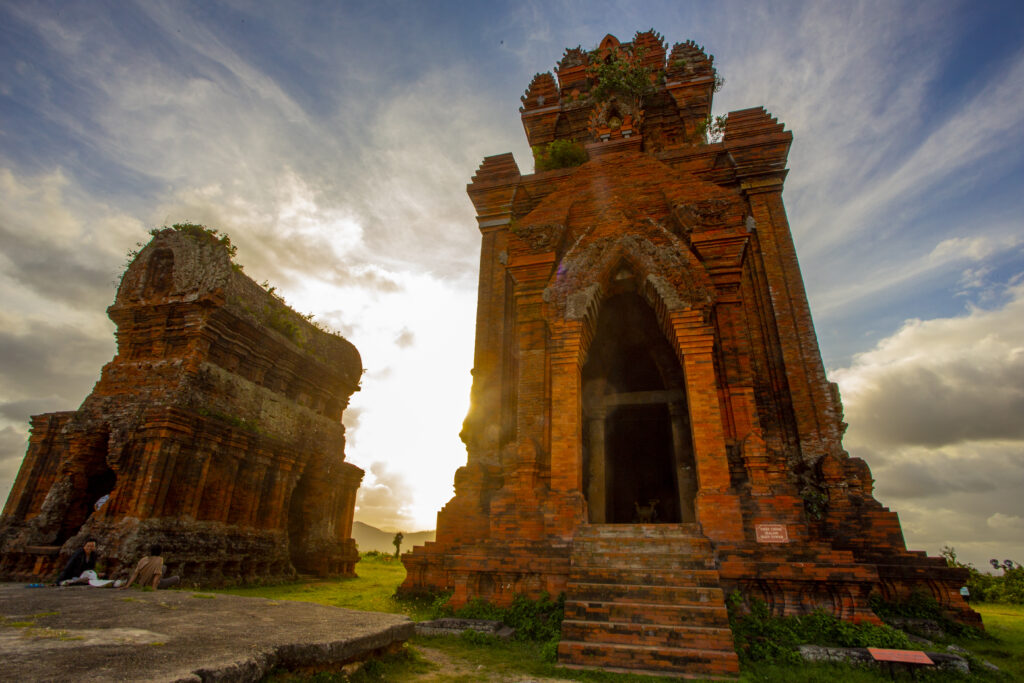
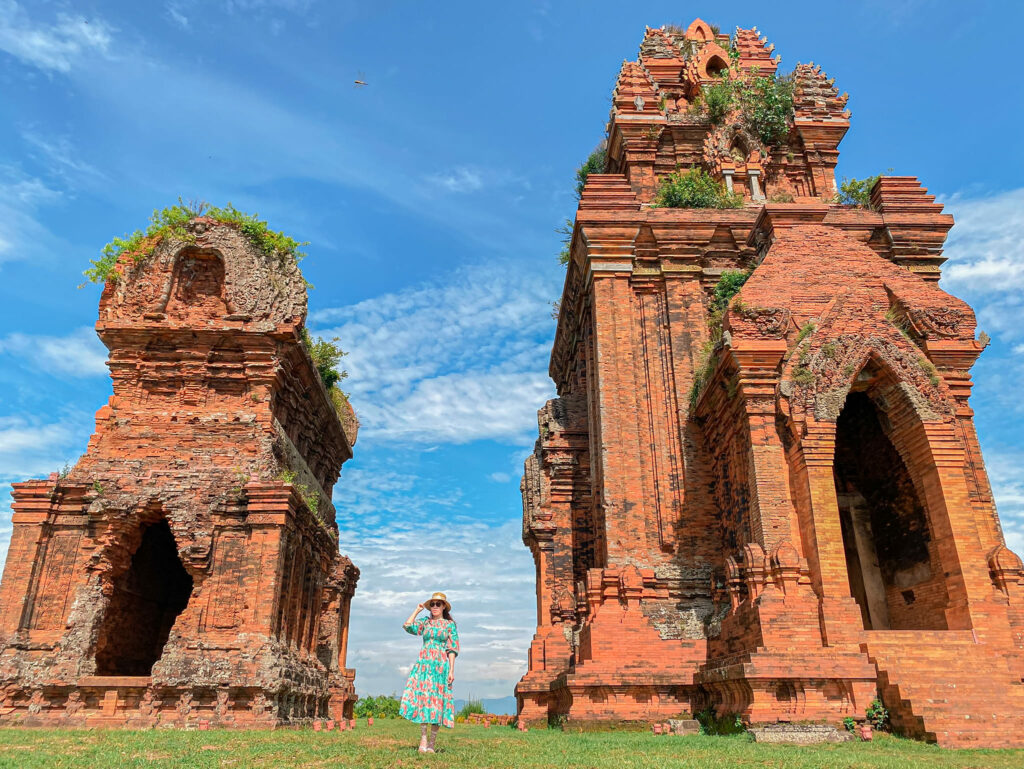
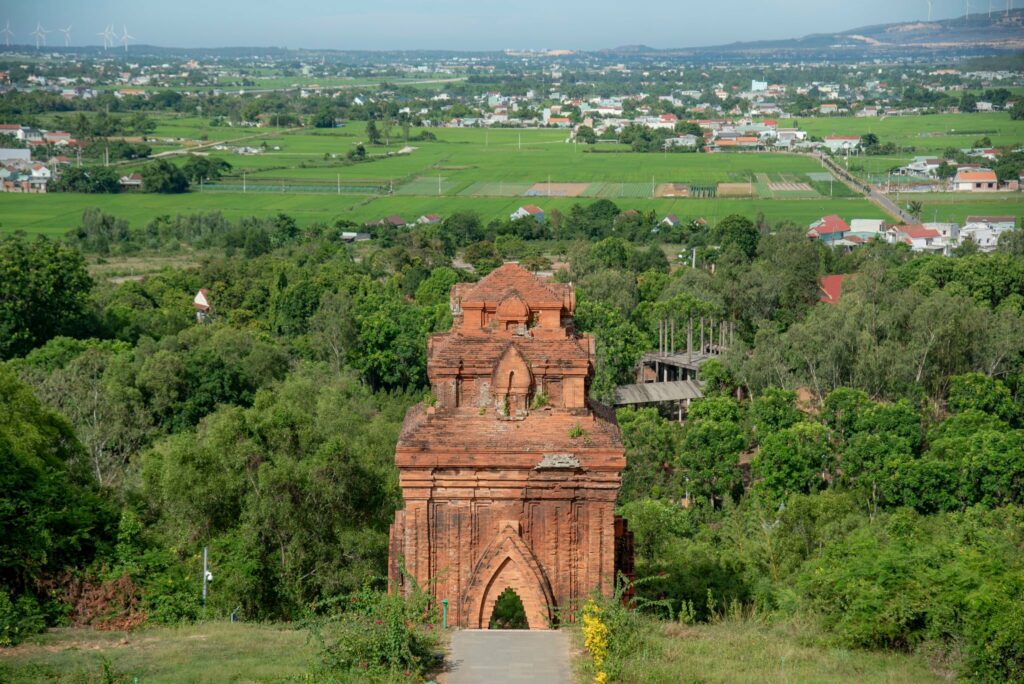
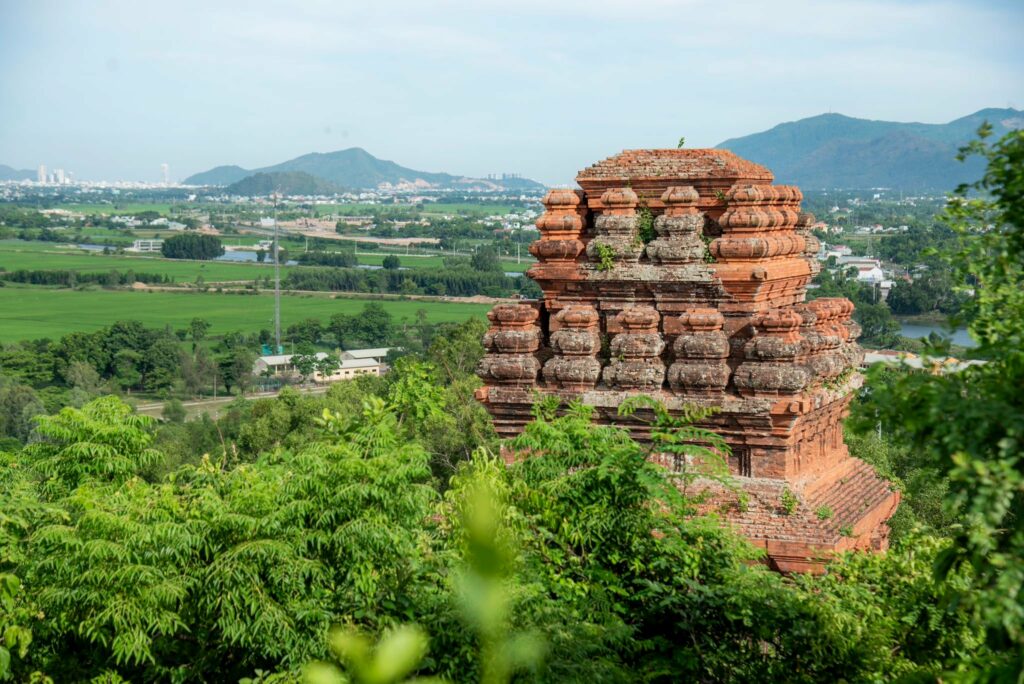
Set atop a hill overlooking rivers, rice fields, and distant mountains, the Banh It Towers are often called “the most graceful Cham towers in Binh Dinh.” The complex consists of four structures: the Main Tower, Gate Tower, Fire Tower, and Stele Tower-each representing architectural mastery and spiritual symbolism.
Built during the height of Champa power, Banh It was likely a spiritual center for worship and royal rituals. The climb to the top rewards you with a stunning panorama, especially during sunrise or sunset.
Why visit:
- Breathtaking hilltop views.
- One of the best-preserved Cham complexes.
- Ideal for photography and heritage lovers.
We recommend a trusted local travel agent in Quy Nhơn and Central Vietnam. (Click here)
3. Duong Long Towers – The Tallest Cham Towers in Southeast Asia.
Location: Tay Son District.
Number of towers: 3.
Period: Late 12th – early 13th century.
Architectural style: Hybrid Cham–Khmer stone architecture.
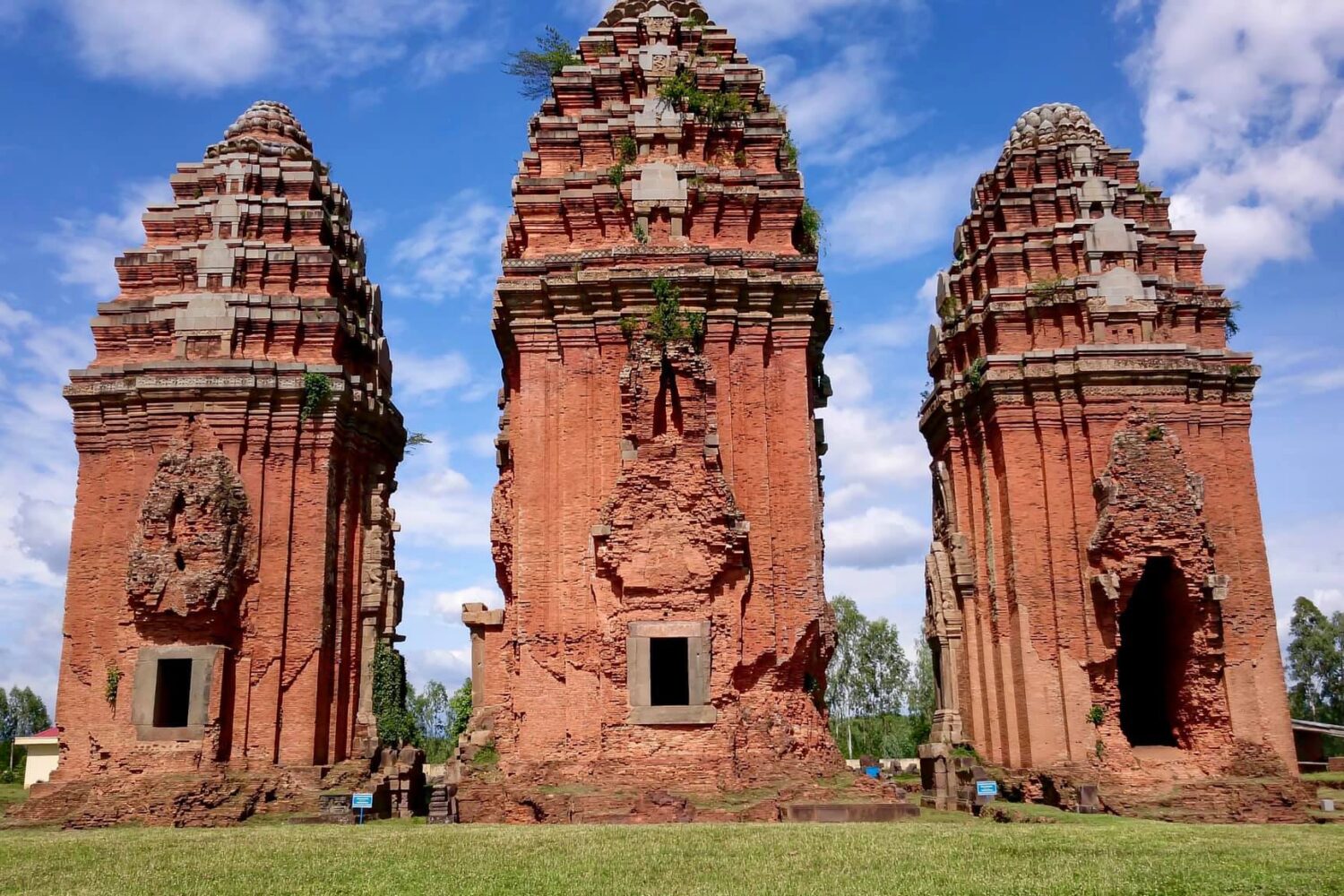
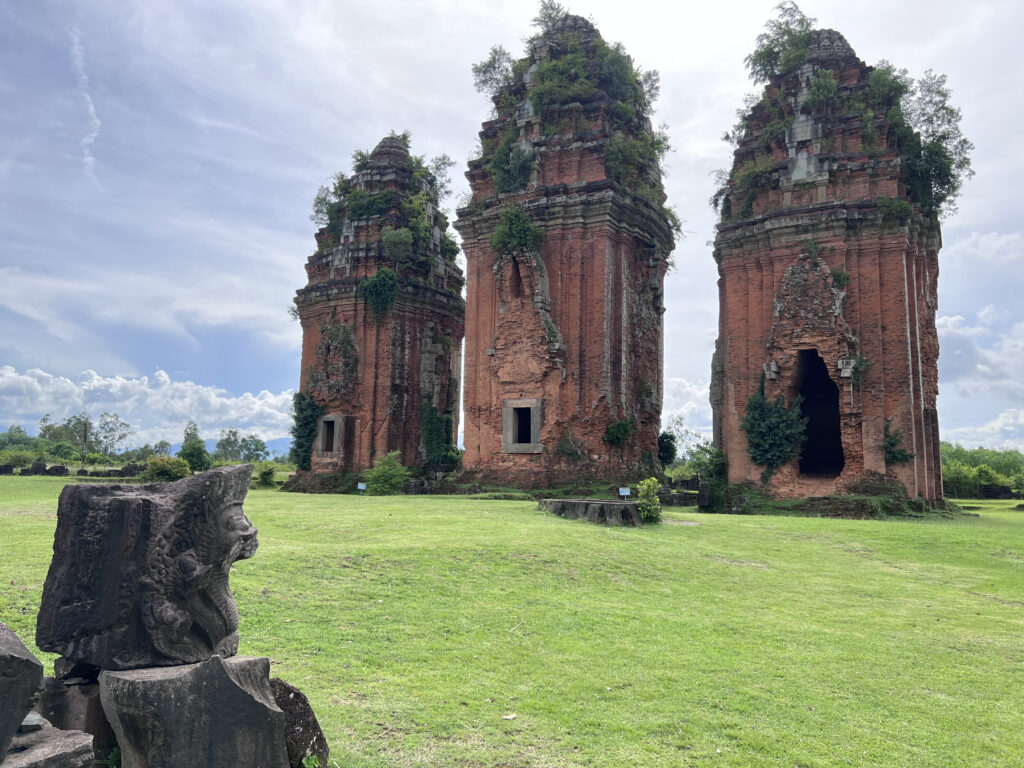
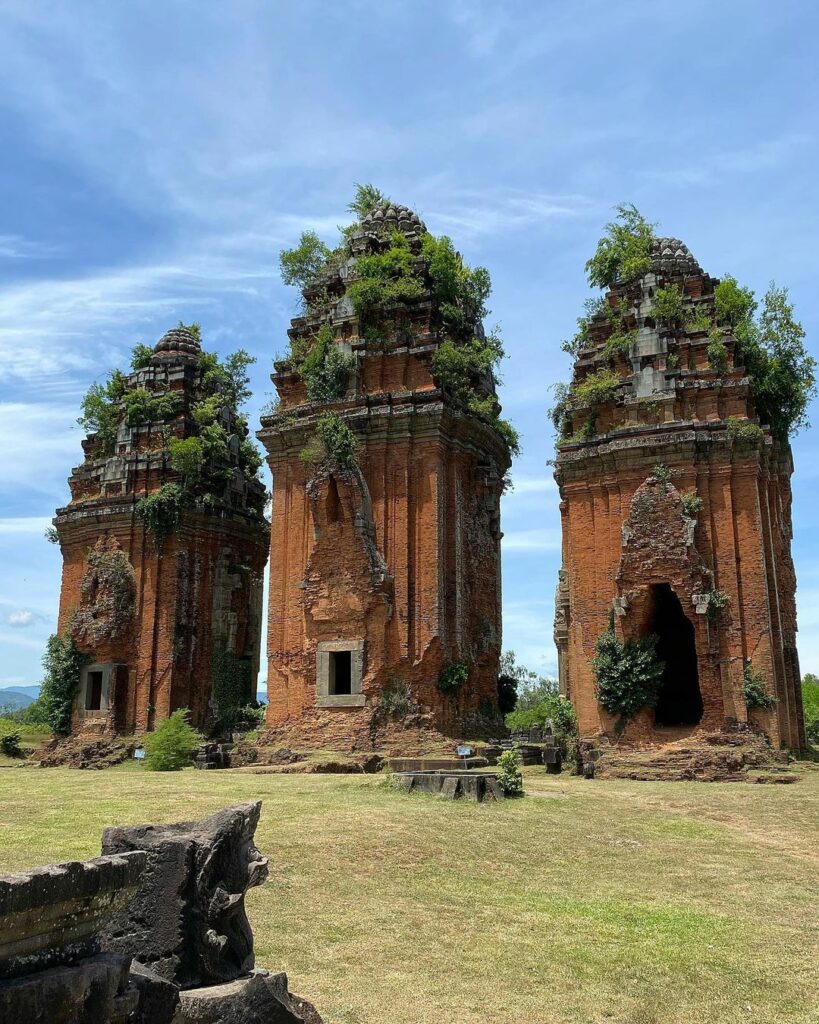
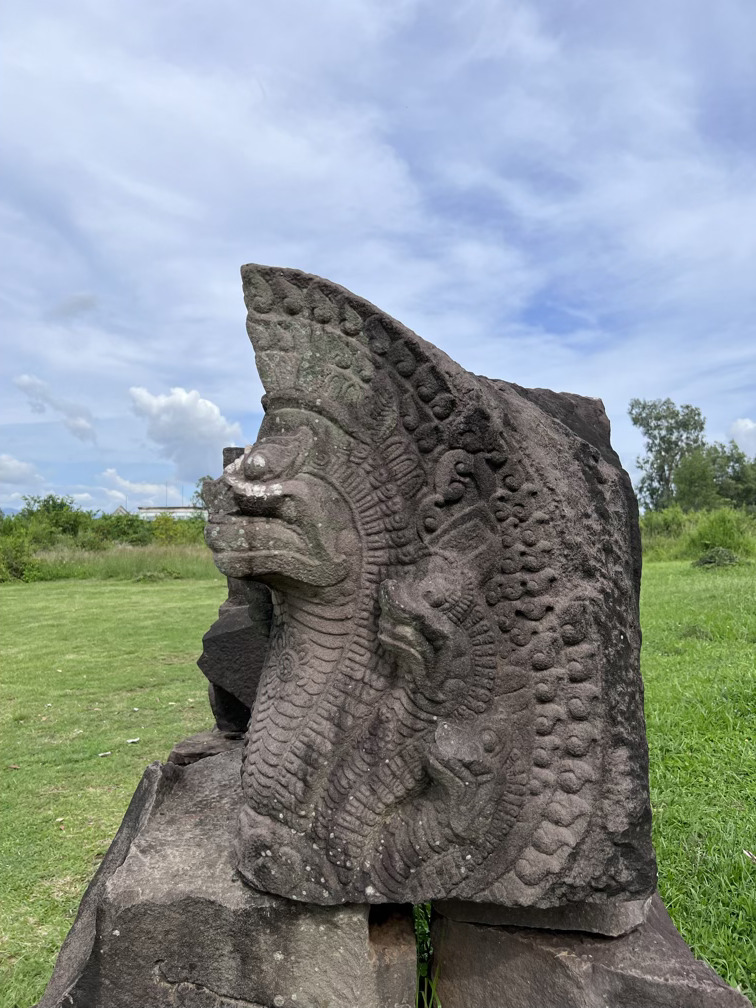
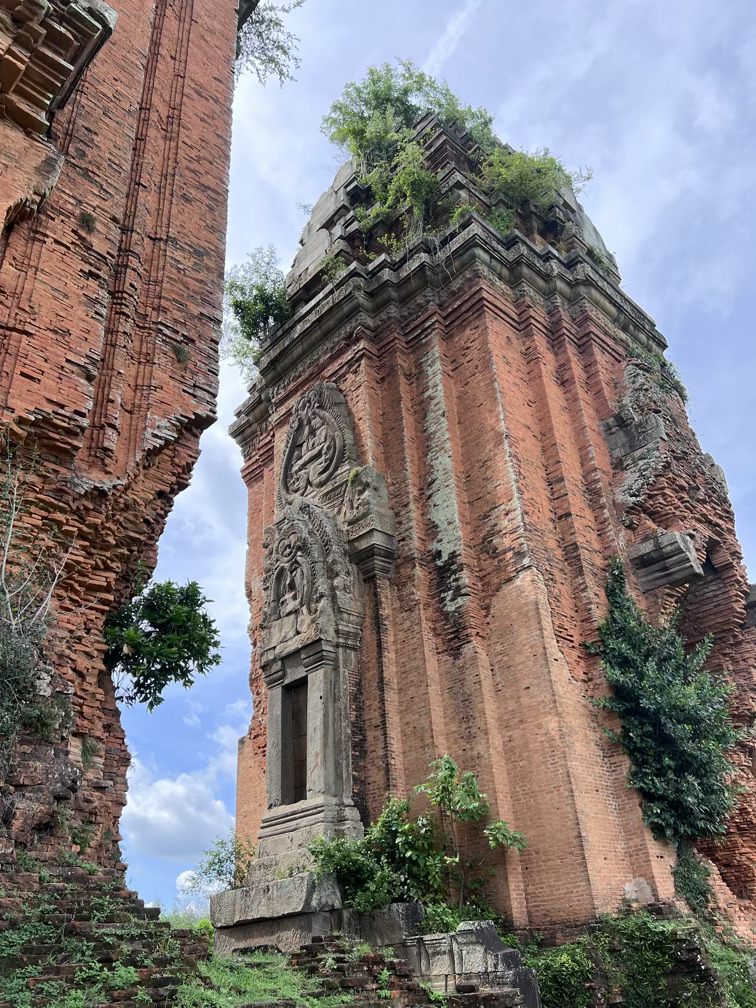
Rising more than 35 meters, the Duong Long Towers hold the title of the tallest Cham towers in Southeast Asia. Unlike other Cham sites that use primarily brick, these towers incorporate large sandstone blocks carved with exquisite patterns-dragons, dancers, and divine beings.
Archaeologists believe this site served as a majestic ceremonial center connected to the Kon River, marking the prosperity of the Champa civilization in northern Binh Dinh.
Why visit:
- Most impressive and imposing Cham architecture.
- Rare sandstone carvings.
- A must-see for history and archaeology enthusiasts.
4. Phu Loc Towers – A Silent Guardian of the Countryside Cham Towers in Southeast Asia.
Location: An Nhon District.
Number of towers: 1
Period: 10th–11th century.
Architectural style: Early Binh Dinh style
Hidden among quiet villages, the Phu Loc Towers are lesser-known but historically significant. The structures reflect early Cham architectural forms-simpler, sturdier, and more compact than later towers. Though time has weathered much of the complex, their ancient presence still carries the quiet dignity of a site that once watched over the region’s spiritual life.
Why visit:
- Peaceful, non-touristy experience.
- Insight into early Cham architecture.
- Offers a deeper look at everyday Champa spiritual practices.
5. Thu Thien Tower – A Lonely Tower with a Mysterious Aura.
Location: Tay Son District.
Number of towers: 1.
Period: 11th–12th century.
Architectural style: Transitional Binh Dinh style.
The Thu Thien Tower stands alone on a gentle slope, surrounded by farmland and open sky. Its solitary structure gives it a mysterious charm-many locals believe the tower once served as both a watchtower and a place of worship.
Despite being the smallest Cham structure in the province, it offers valuable insight into the transition between early and high Binh Dinh architectural styles.
Why visit:
- Off-the-beaten-path cultural stop.
- Great for travelers seeking quiet historical sites.
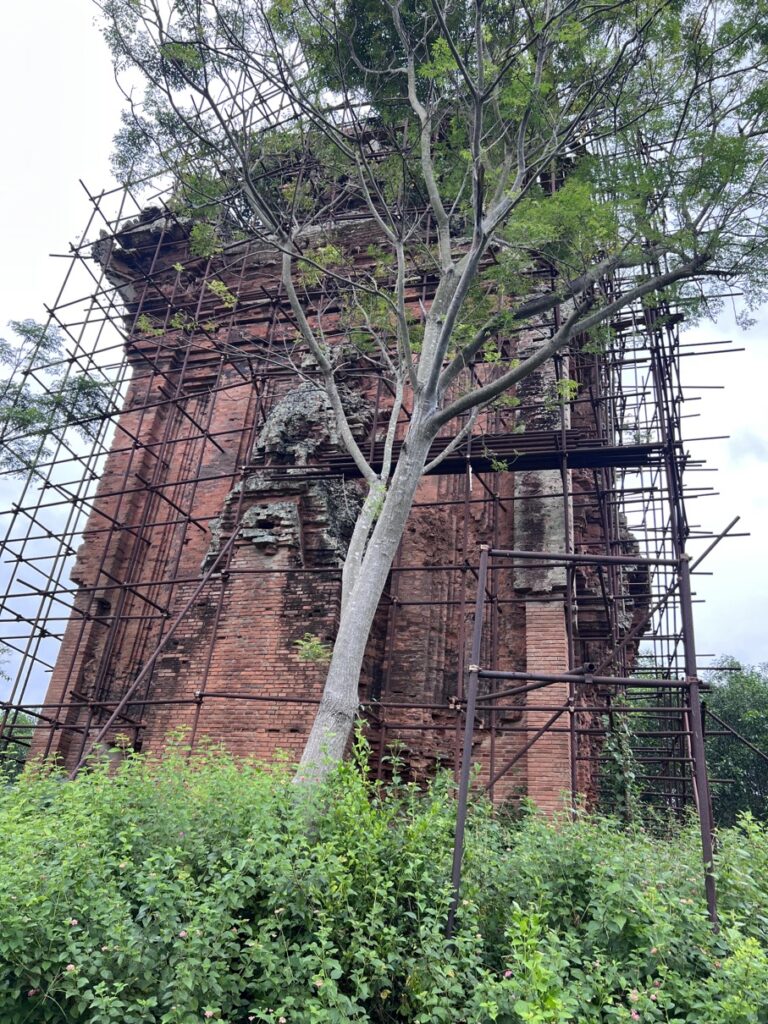
6. Binh Lam Tower – A Forgotten Relic Beside the Village Road
Location: Tuy Phuoc District.
Number of towers: 1.
Period: 10th century.
Architectural style: Mature Binh Dinh style.
Tucked behind village homes, the Binh Lam Tower is easy to overlook-but those who stop are rewarded with a rare example of mature Binh Dinh architecture. The tower’s intricate brick patterns and tall, elegant structure suggest it once marked an important spiritual point for Champa communities living along the Kon River.
Why visit:
- Unique brick patterns still visible.
- Connects to the Champa river-route settlement system.
7. Canh Tien Tower – The Princess of the Do Ban Citadel.
Location: An Nhon District.
Number of towers: 1.
Period: 12th century.
Architectural style: Classic Cham style with decorative elegance.
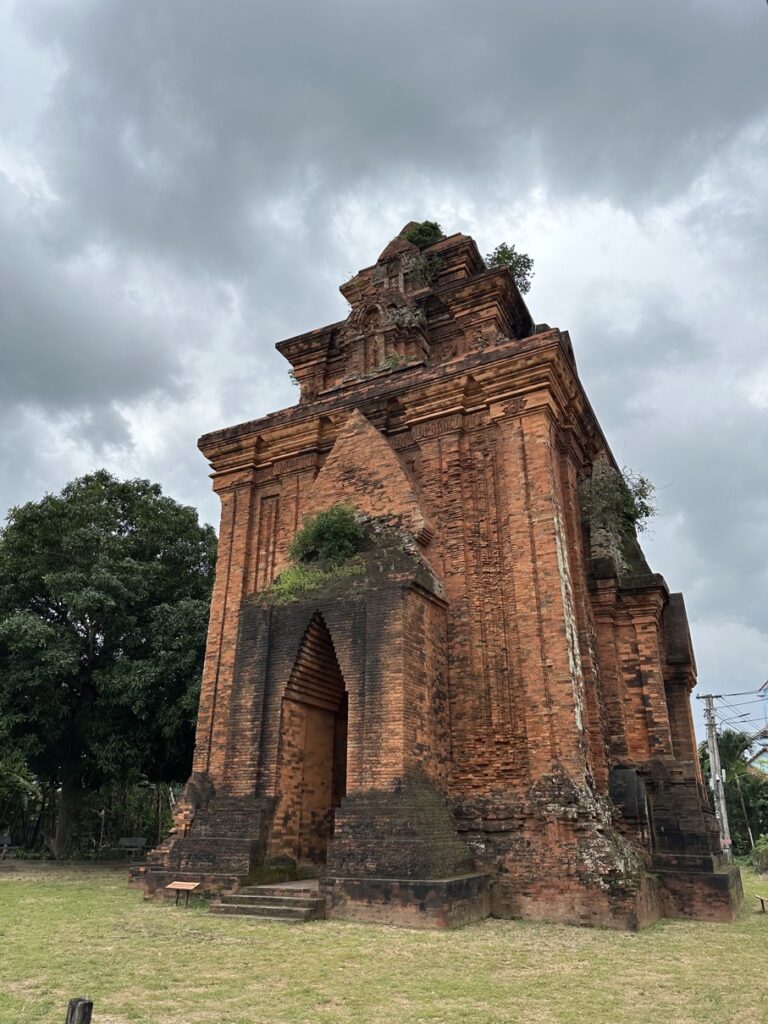
Located within the ancient Do Ban Citadel (the former Champa capital Vijaya), the Canh Tien Tower is known for its graceful, feminine design-earning it the nickname “the Princess Tower.”
The tower’s tall, refined walls and decorative bands represent one of the most beautiful expressions of Cham artistry. According to legend, this was the tower dedicated to a divine female deity who protected the royal court.
Why visit:
- Located inside the former Cham capital.
- Elegant, refined architecture.
- Rich legends and cultural symbolism.
8. Hon Chuong Tower – The Forgotten Sentinel of Cat Tai.
Location: Cát Tài Commune, Phù Cát District.
Number of towers: 1.
Period: Estimated 12th–13th century.
Architectural style: Late Cham brick architecture.
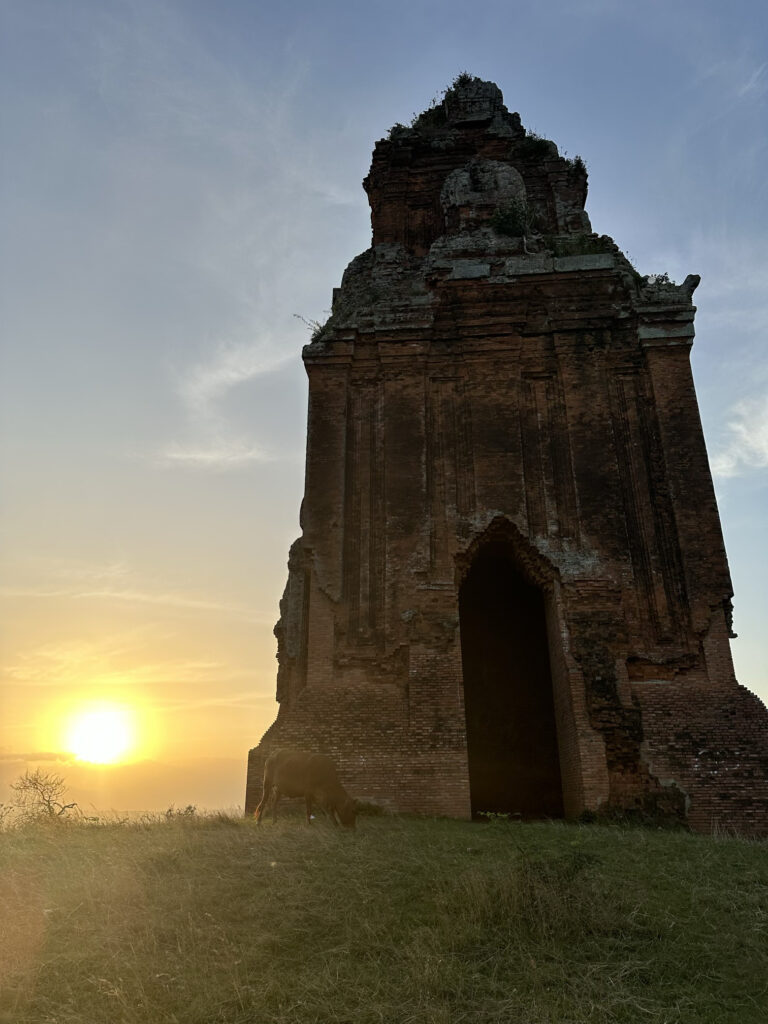
Hidden among quiet fields and village paths in Phù Cát, Hon Chuong Tower is one of the least-known Cham relics in Binh Dinh-but also one of the most intriguing. Standing alone on a gentle hill, the tower once served as a spiritual marker for Cham communities living along the coastal plains. Its red bricks, weathered by centuries of sun and monsoon winds, still retain the distinctive layering and curvature typical of late-Champa craftsmanship.
Local elders often refer to Hon Chuong as “the tower that calls the wind,” because of the soft humming sound created when the breeze moves through its ancient corridors. Legend suggests that fishermen once stopped here to pray for safe voyages before heading toward the East Sea.
Although smaller and more modest than the grand complexes of Duong Long or Banh It, Hon Chuong offers something rare:
a quiet, untouched connection to rural Cham heritage-free from crowds, noise, or commercial tourism.
Why visit:
- A peaceful off-the-beaten-path Cham relic.
- Strong sense of authenticity and local charm.
- Ideal for travelers seeking quiet photography or cultural immersion.

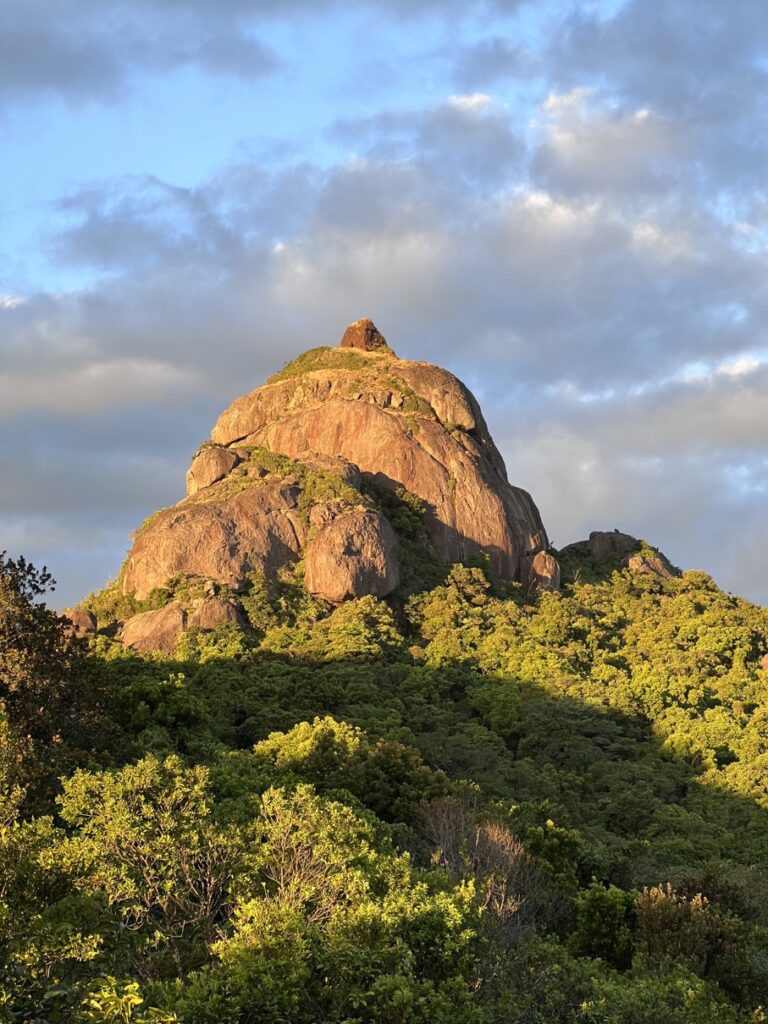
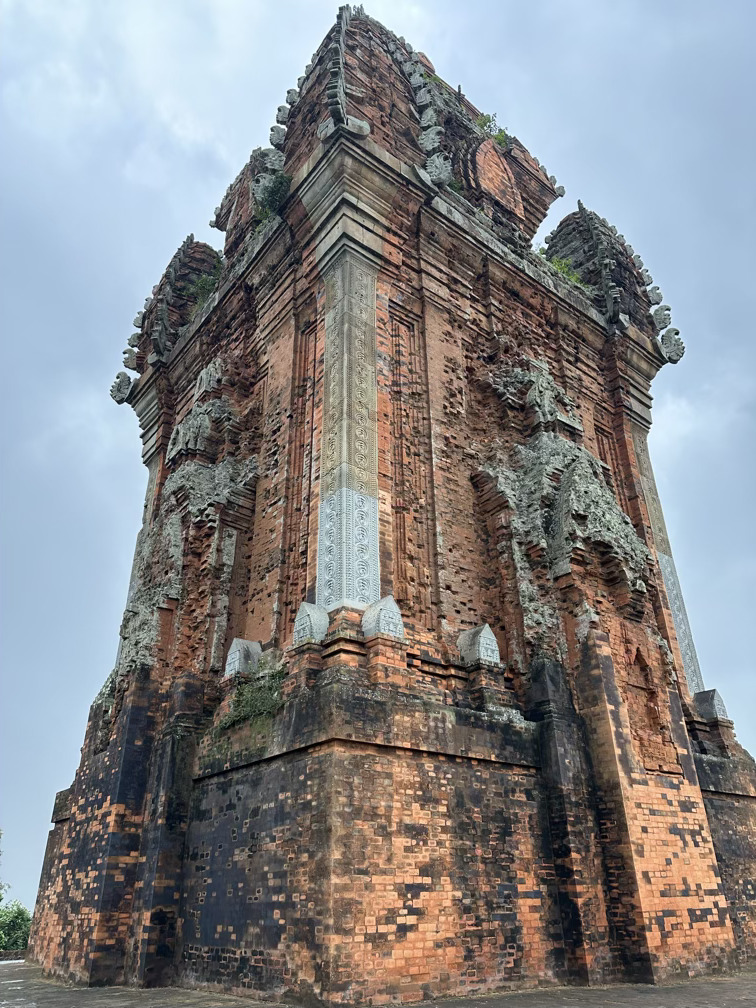
Exploring the eight Cham tower complexes of Binh Dinh is more than a historical journey-it is a walk through the spiritual heartbeat of an ancient kingdom. Each tower stands as a testament to Champa artistry, faith, and connection to the land, especially the sacred Kon River that shaped their settlements.
Whether you’re a heritage lover, photographer, or curious traveler, these towers offer stories carved into stone-waiting to be rediscovered.
And if you wish to experience them with deeper insight, THICHTOURS is here to guide you through legends, landscapes, and local flavors that bring the Champa world to life.
✨ Let your journey to the ancient kingdom begin.