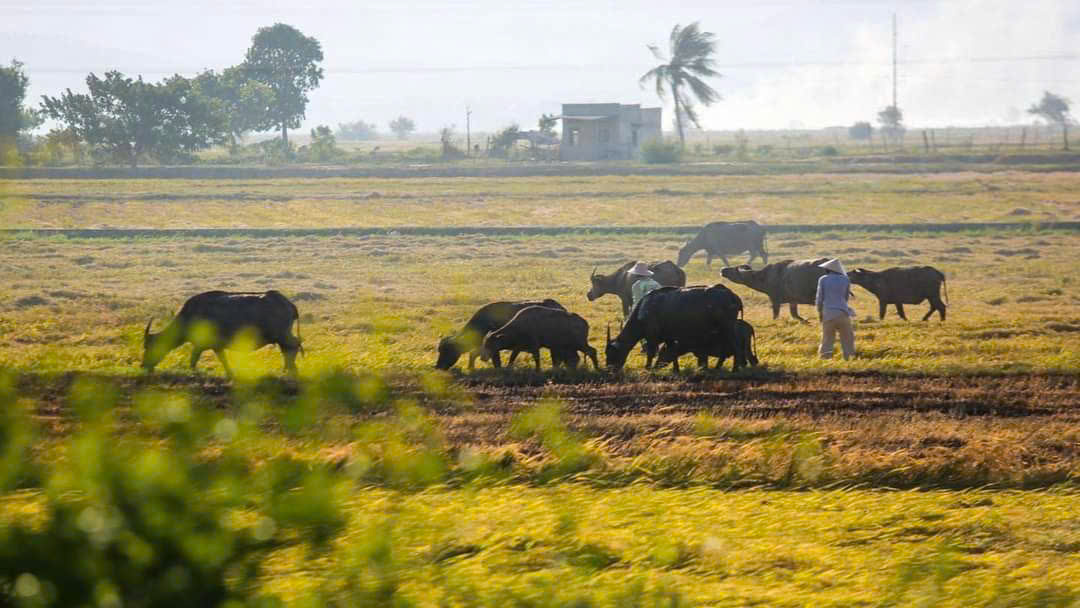
Vietnam countryside life often begins before sunrise. The air is still cool. A light mist floats over the rice fields. Small village roads pass between green paddies, gardens, ponds and simple homes. Somewhere nearby, a rooster calls. Smoke rises from a kitchen where breakfast is being prepared.
For many foreign travelers, the Vietnamese countryside looks peaceful and poetic. In many ways, it is. But rural life is also hard work. It depends on weather, soil, family labor, market prices and patience.
If you are visiting Quy Nhon, the Binh Dinh countryside offers a meaningful way to understand Vietnam beyond beaches. You can see rice fields, meet local families, learn traditional crafts and experience a slower rhythm of daily life.
1. The Morning Rhythm Feels Different
A morning in the Vietnamese countryside is very different from a city morning.
There are no tall buildings or busy traffic lights. Instead, life begins with small sounds: chickens, dogs, water flowing through canals and people calling to each other across the lane.
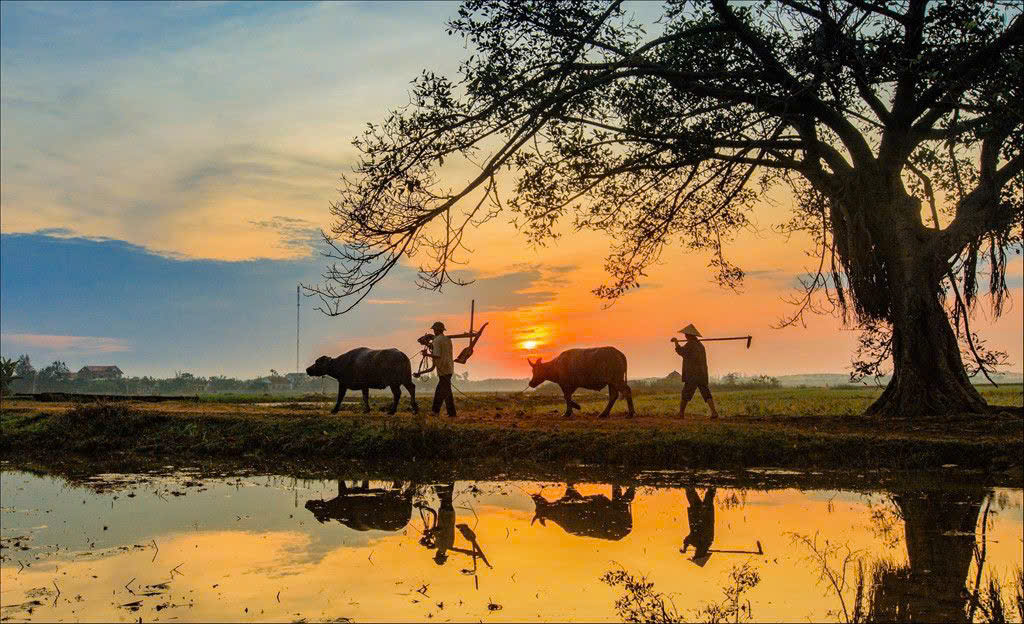
Farmers often start early because the morning is cooler. You may see people walking to the fields, carrying tools or riding motorbikes along narrow village roads.
For travelers, this is one of the most beautiful moments to observe rural life. It feels quiet, but it is also full of work.
2. Farmers Follow the Seasons
The life of farmers in Vietnam is closely connected to the seasons.
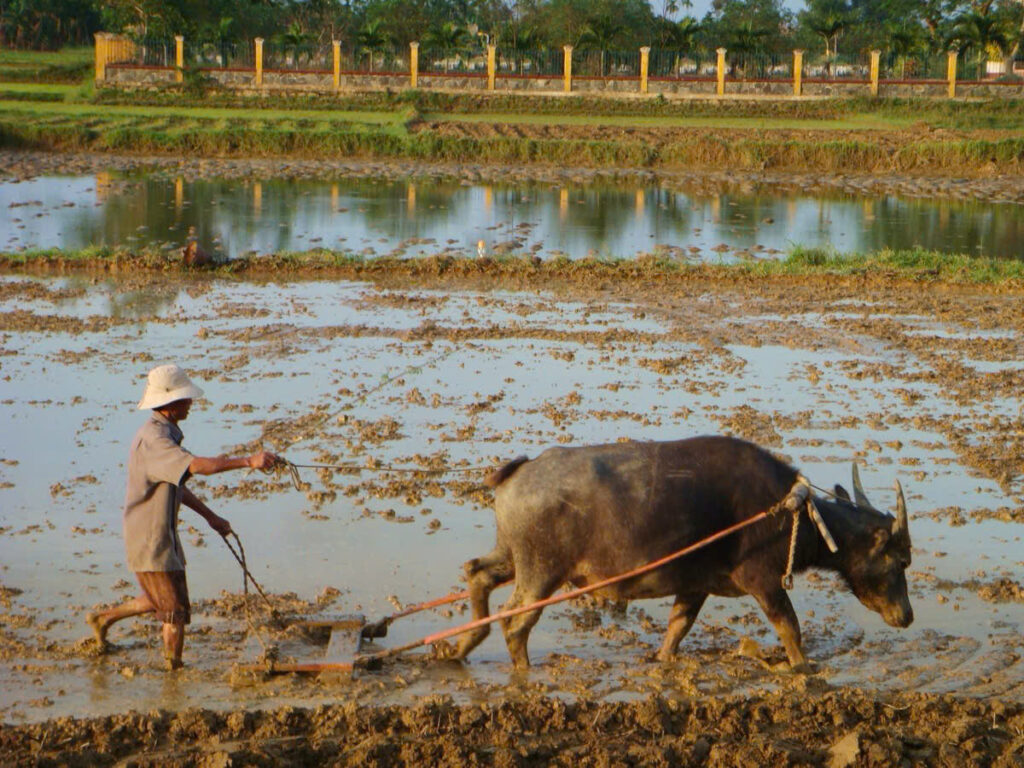
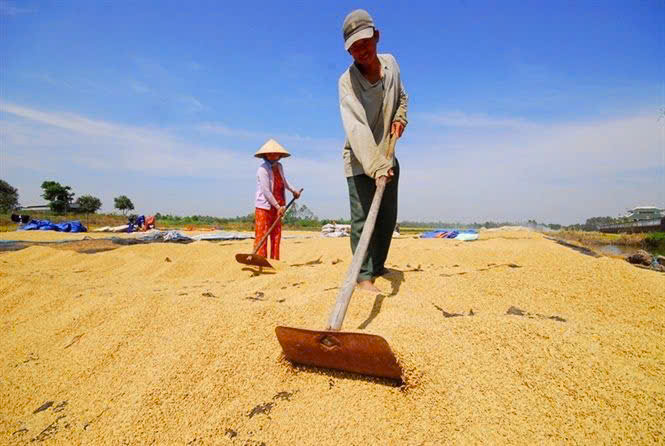
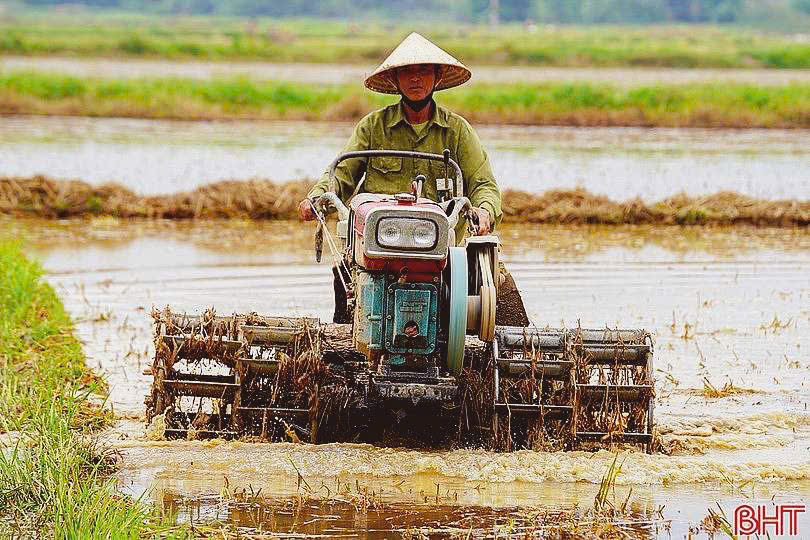
In rice-growing areas, farmers prepare the soil, plant seedlings, manage water, remove weeds, harvest rice and dry grain. Each step takes time and experience.
Weather matters every day. Rain can help the fields, but too much rain can damage crops. Sun is needed for drying rice and rice paper, but strong heat can make work exhausting.
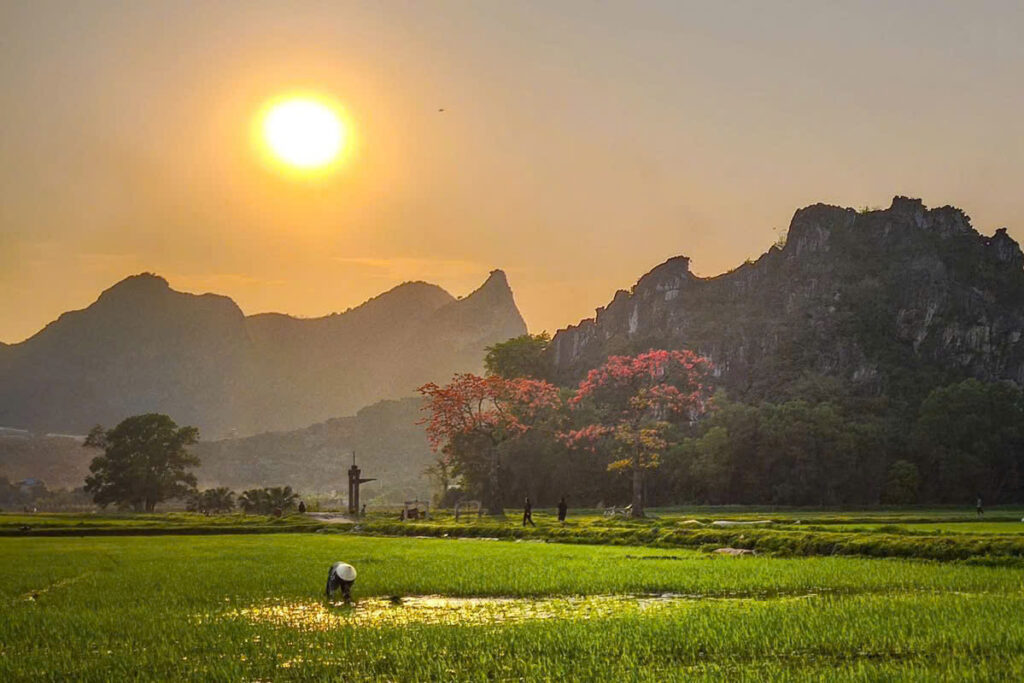
This is why rice fields are more than a beautiful photo spot. They are a working landscape that supports families.
- Binh Dinh Cultural Bicycle Tour – Discover Traditional Craft Villages
- Top 4 Authentic Local Experiences in Quy Nhon for First-Time Visitors.
- Quy Nhon Traditional villages 1 day tour with local guide
3. Rice Fields Show Both Beauty and Effort
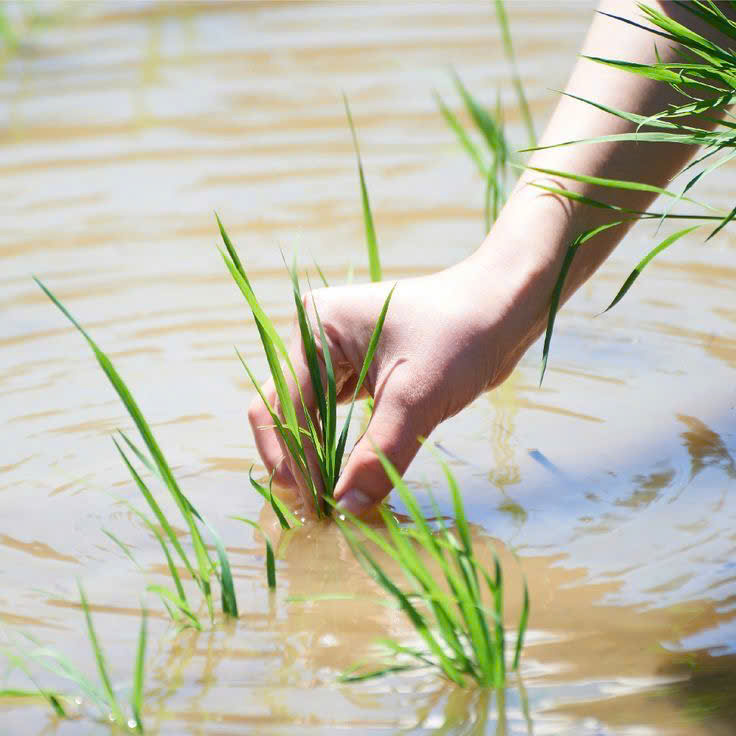
Rice fields are one of the most iconic images of Vietnam countryside life.
For visitors, green rice fields may look peaceful. For farmers, they represent responsibility. A good harvest can bring relief. A poor harvest can affect the whole family.
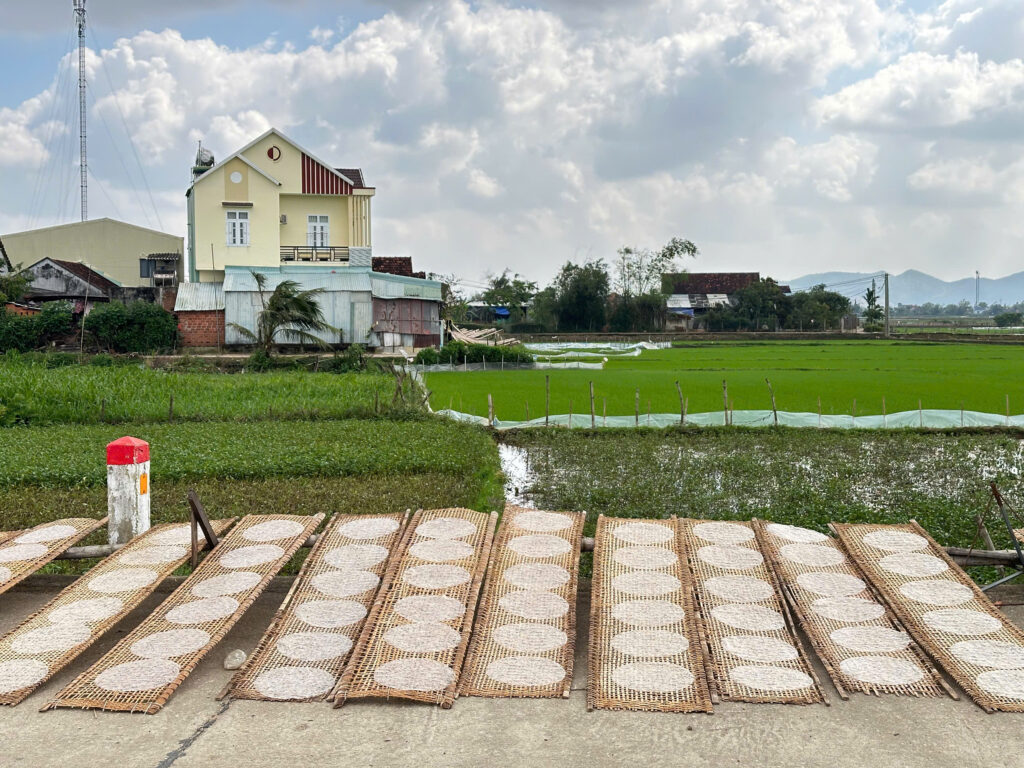
When you walk or cycle beside rice fields in Binh Dinh, take time to notice the details. Look at the irrigation channels, the tools, the muddy paths and the people working under the sun.
The beauty of the countryside becomes deeper when you understand the effort behind it.
4. Family Life Is at the Center
Family is one of the strongest parts of Vietnam rural culture.
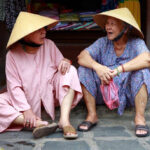
In many villages, several generations live close together or stay deeply connected. Grandparents may look after children. Parents may work in the fields, at markets or in family workshops.
A family meal is an important part of the day. It may include steamed rice, vegetables, fish, soup, eggs, herbs, dipping sauce and seasonal ingredients.
The food is often simple, but it carries meaning. It reflects the land, the season and the work of the family.
5. Village Community Still Matters
In rural Vietnam, community relationships are important.
Neighbors know each other. People help during harvests, weddings, funerals, house repairs and local ceremonies. News travels quickly, and reputation matters.
This close community can feel warm and supportive. It also means people depend on each other in daily life.
For travelers, this is a reminder to behave respectfully. A village is not a tourist stage. It is a living community where people work, rest and raise families.
6. Traditional Crafts Keep Local Skills Alive
Vietnamese villages are not only about farming. Many villages also preserve traditional crafts and food-making skills.
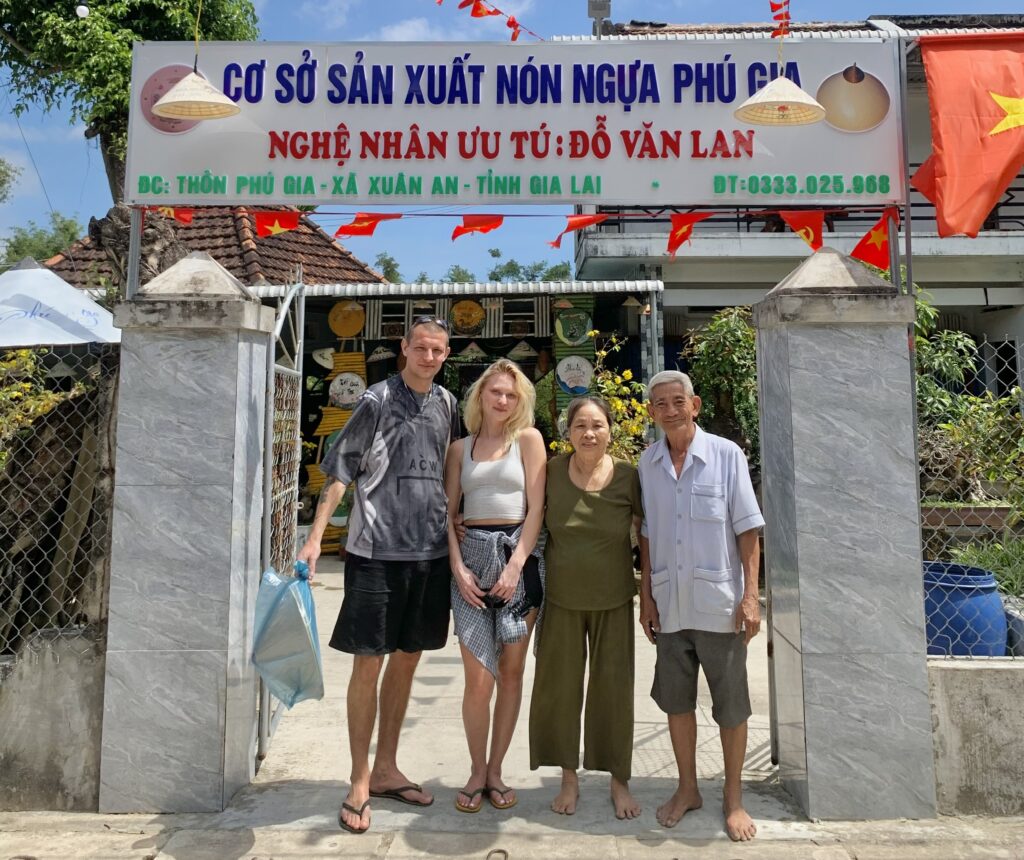
In Binh Dinh, travelers may see rice paper making, rice wine production, conical hat making and other village skills. These crafts are often passed down through generations.
They are not only made for tourists. They are part of everyday life, local meals and regional identity.
Visiting a craft village helps travelers understand how much skill is hidden in simple objects and foods.
7. Rice Paper Making Is a Hands-On Experience
Rice paper is an essential part of Vietnamese food culture.
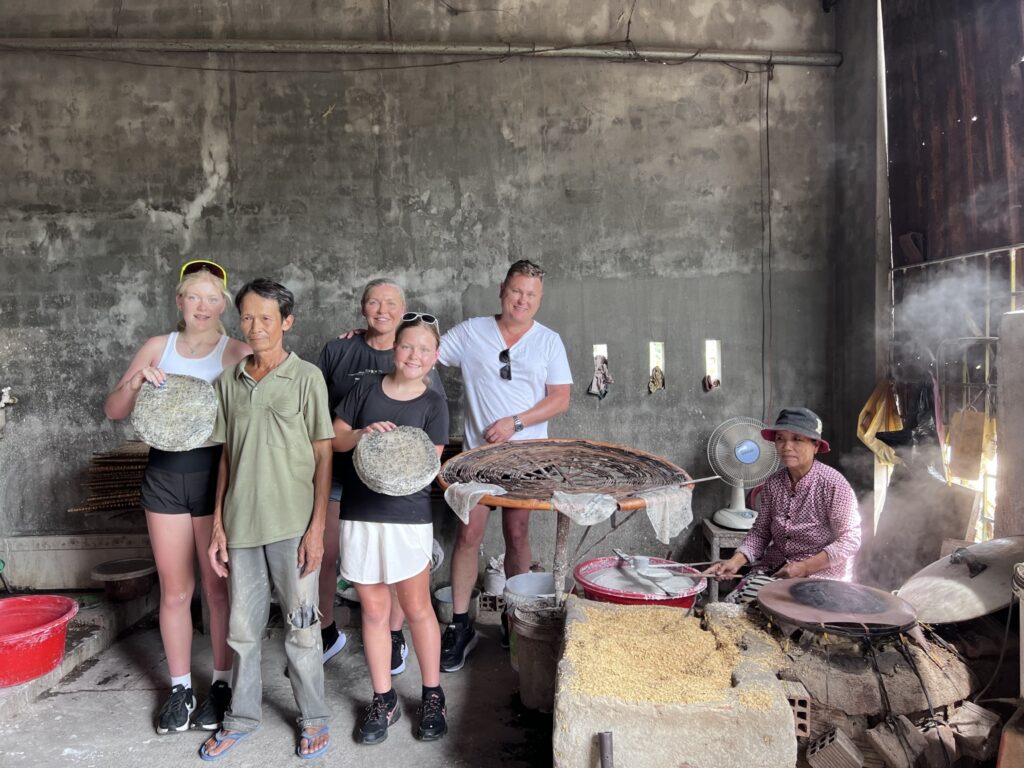
In traditional villages, rice batter is spread thinly on a hot cloth surface, steamed, lifted carefully and placed on bamboo racks to dry under the sun.
The process looks simple at first. But after watching closely, travelers can see the speed, patience and skill behind each sheet.
Trying to make rice paper by hand can be fun. It also helps visitors respect the people who do this work every day.
8. Countryside Food Feels Honest and Local
Food in the countryside is closely connected to the land.
A local meal may include rice, vegetables, fish, pork, soup, herbs, rice paper, dipping sauce and seasonal fruit. In Binh Dinh, you may also find rice pancakes, grilled meats, fishcake noodle soup, fermented pork and homemade rice wine.
Countryside food is not always fancy. But it often feels honest, fresh and meaningful.
For travelers, sharing a local meal can be one of the most memorable parts of a Vietnam village experience.
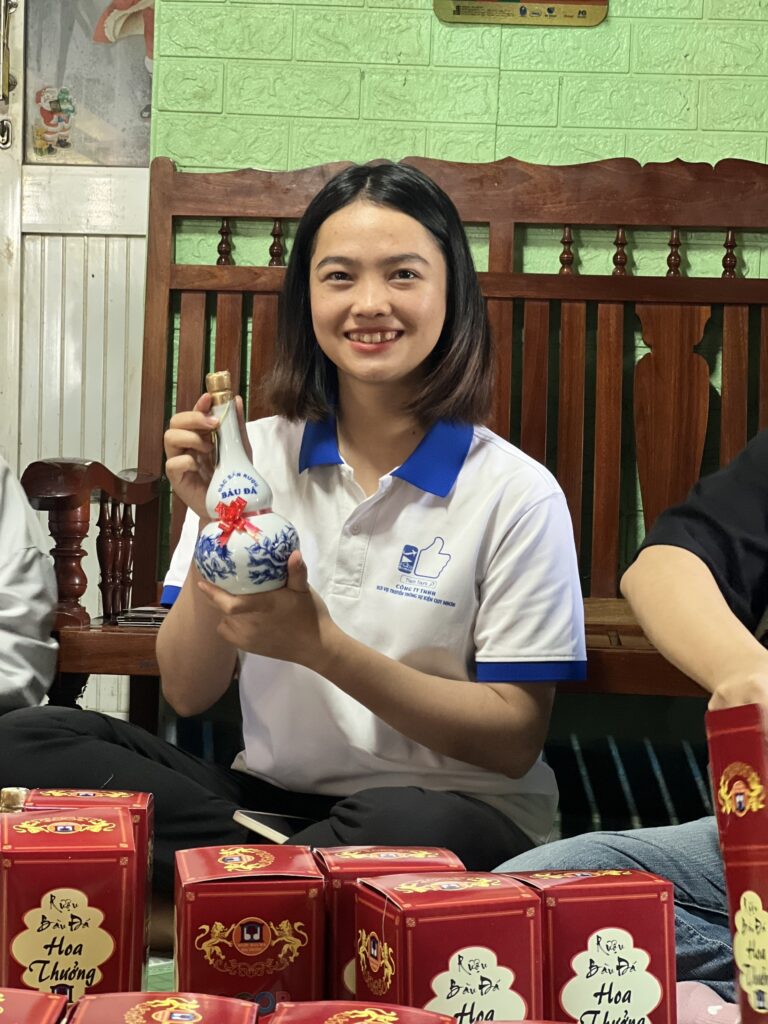
9. Rice Wine Shows Local Hospitality
Rice wine is another traditional village product in many rural areas.
It is often made from rice or sticky rice through fermentation and distillation. The process requires knowledge, timing and careful control of heat.
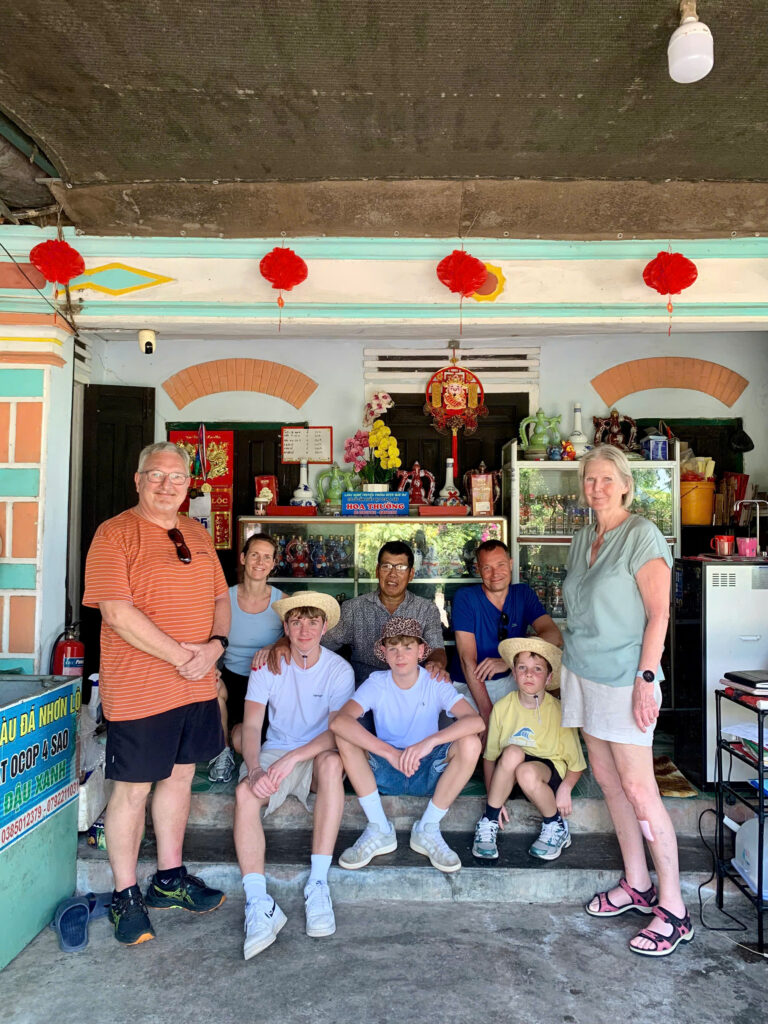
In some villages, rice wine is part of family gatherings, celebrations and local hospitality. Visitors may be invited to taste it during a countryside experience.
Rice wine can be strong, so drink slowly and responsibly. The value is not only in the taste, but in the story behind the craft.
10. Rural Life Offers a Deeper Side of Quy Nhon
Quy Nhon is often known for beaches, seafood, Ky Co and Eo Gio. But the countryside around Quy Nhon shows another side of the region.
In the Binh Dinh countryside, you can cycle through quiet village roads, pass rice fields, visit local families, see rice paper making, learn about rice wine and enjoy a simple local lunch.
This kind of experience is not about rushing. It is about slowing down and seeing daily life more clearly.
The sea shows you one side of Quy Nhon. The villages show you another.
How to Visit Villages Respectfully
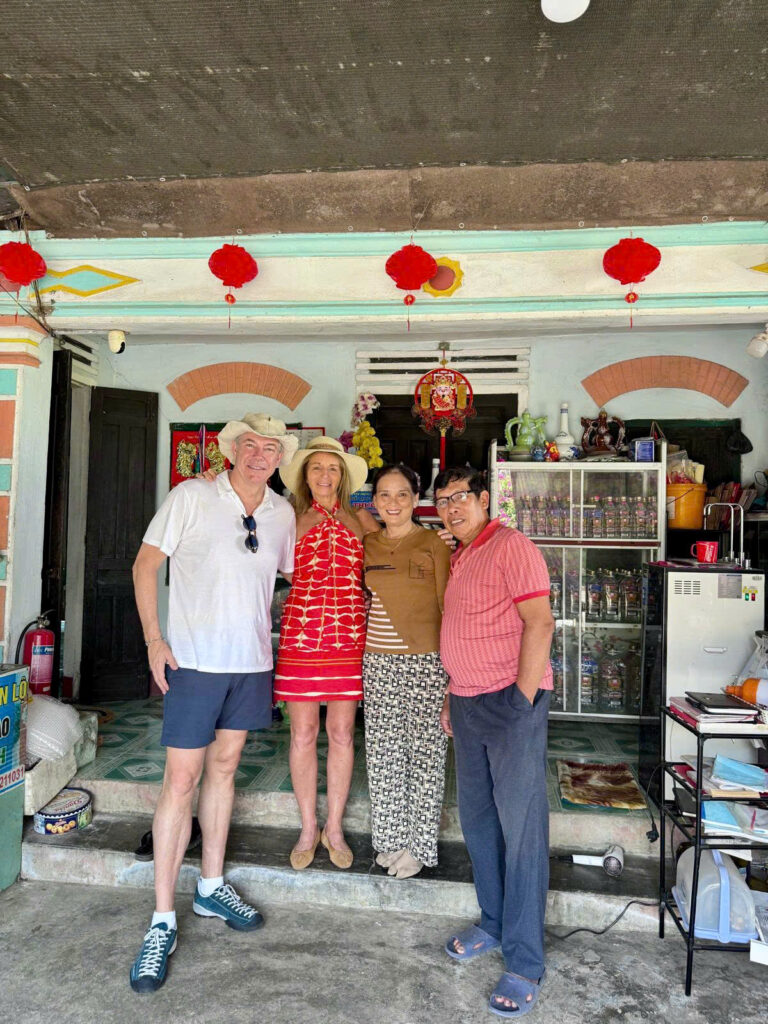
A village is not a museum. It is a real place where people live and work.
Ask before taking close-up photos. Do not enter private homes without invitation. Do not touch tools or products without permission.
Dress comfortably but respectfully. Support local families when possible. Avoid bargaining too aggressively for handmade goods.
Most importantly, listen more than you speak. A respectful visit helps create a better experience for both travelers and local people.
Conclusion
Vietnam countryside life is full of quiet strength.
It is shaped by early mornings, rice fields, family meals, seasonal work, traditional crafts and village relationships. It has beauty, but also hardship. It is peaceful in some moments and exhausting in others.
For foreign travelers, the countryside offers a chance to understand Vietnam beyond famous beaches and busy cities.
If you are visiting Quy Nhon, a countryside village experience in Binh Dinh can become one of the most meaningful parts of your trip.
If you want to experience Vietnam countryside life near Quy Nhon, consider joining a countryside bicycle tour or village experience with a local guide. It can help you meet local families, learn rice paper making, taste rice wine and enjoy rural Binh Dinh in a respectful and meaningful way.
- The River of Time: Champa Heritage & Handicraft Villages
- How Much Does Quy Nhon Cost for 3 Days 2 Nights?
FAQ: Vietnam Countryside Life
1. What is Vietnam countryside life like?
Vietnam countryside life is often connected to farming, family, village community, seasonal work and traditional crafts. It can be peaceful, but it also requires hard work.
2. What do farmers in Vietnam do every day?
Farmers may grow rice, vegetables or fruit, raise animals, prepare produce for markets, make traditional food products and care for family members.
3. Can travelers visit villages near Quy Nhon?
Yes. Travelers can visit countryside villages near Quy Nhon through local tours or guided experiences. A guide helps with translation and cultural etiquette.
4. What traditional crafts can I see in Binh Dinh?
In Binh Dinh, travelers may see rice paper making, rice wine production, conical hat making and other local village skills.
5. Is a countryside tour worth it in Quy Nhon?
Yes, especially if you enjoy local culture, food, photography and slow travel. It helps you understand Binh Dinh beyond beaches and seafood.