Spiritual places in Quy Nhon that is often known for blue beaches, fresh seafood, Ky Co, Eo Gio, and a peaceful coastal lifestyle. But the city and the wider Binh Dinh region also have a deep cultural and spiritual history.
Long before Quy Nhon became a modern beach destination, this area was part of the Champa world. Today, red-brick Cham towers still stand on hills, in fields, and inside the city. They remind visitors of Hindu influences, sacred architecture, and ancient craftsmanship.
Binh Dinh is also home to old Buddhist pagodas, quiet courtyards, incense, ancient trees, and peaceful spaces where local people come to pray and reflect.
If you are interested in history, architecture, culture, and spirituality, these are the top spiritual places in and around Quy Nhon to add to your itinerary.
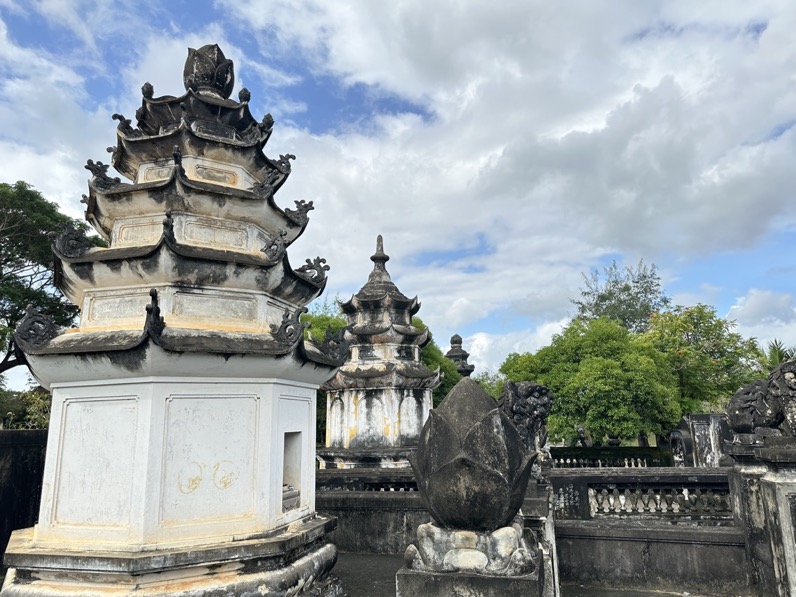
Thap Thap Pagoda 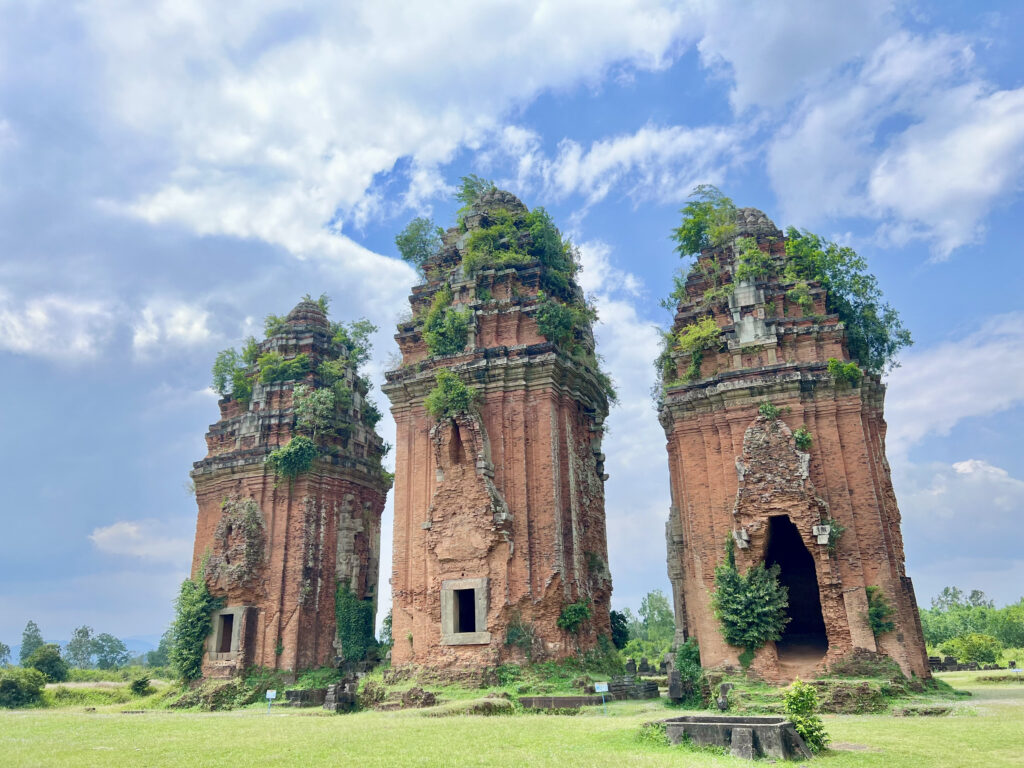
Duong Long Towers
1. Why Quy Nhon Is Meaningful for Spiritual Travel
Quy Nhon is a meaningful destination because it brings together two important traditions: Champa heritage and Vietnamese Buddhism.
The Cham towers around Binh Dinh were originally linked to the religious life of the Champa Kingdom. Many show Hindu influences through tower shapes, symbolic carvings, and sacred layouts.
At the same time, Buddhist pagodas such as Thap Thap and Long Khanh show another side of local spiritual life. They are places of worship, memory, learning, and community.
For travelers, these sites offer more than sightseeing. They help you understand Quy Nhon beyond beaches and seafood.
2. Banh It Cham Towers
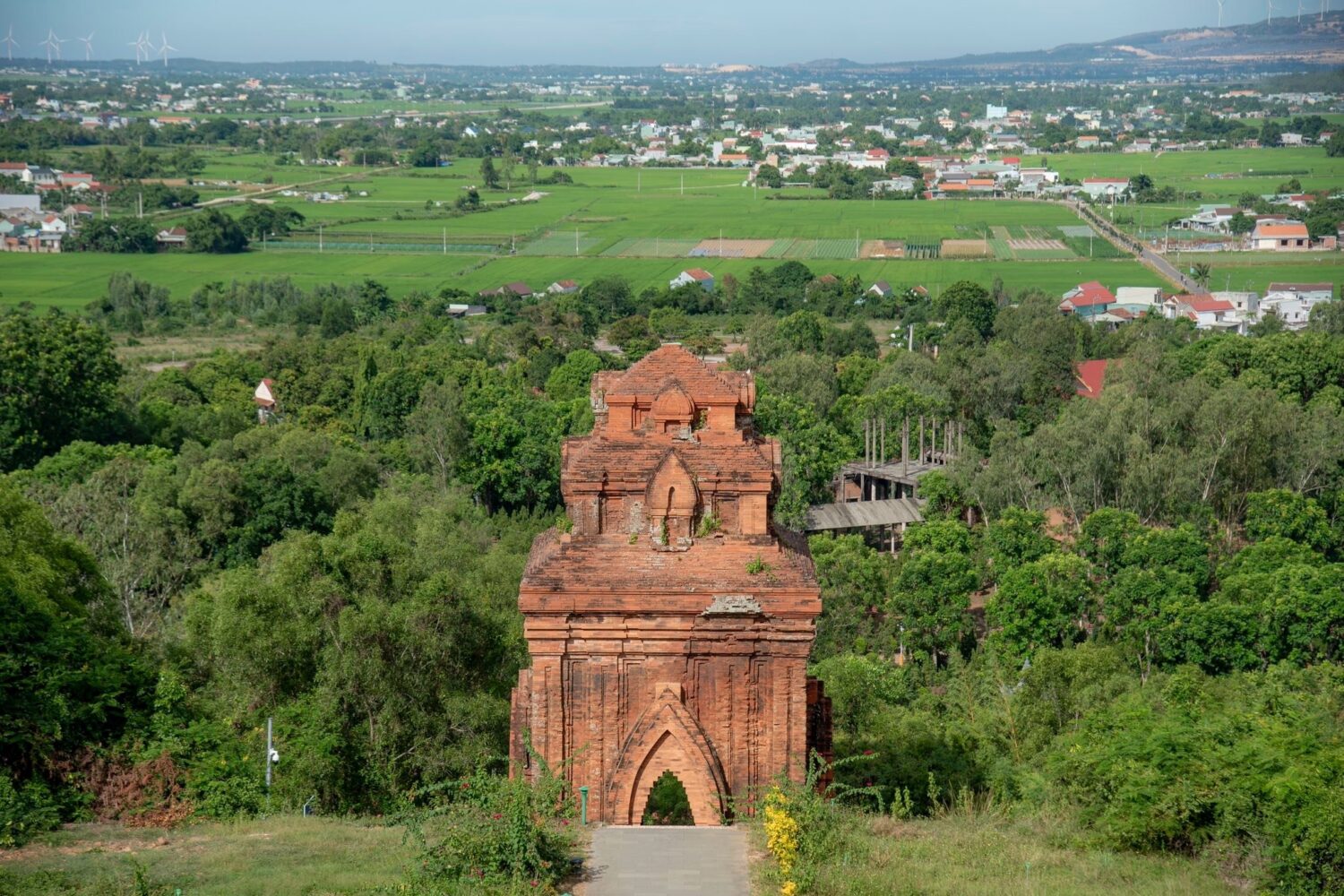
Spiritual places in Quy Nhon, Banh It Cham Towers are among the most impressive Cham tower complexes near Quy Nhon. The towers sit on a hill about 20 kilometers from the city center. They are often dated to around the late 11th and early 12th centuries.
The name “Banh It” comes from the shape of the tower cluster, which is said to resemble a traditional sticky rice cake.
This site is special because of its hilltop setting. Visitors can walk up the steps, explore several towers, and enjoy wide views of rivers, fields, and rural landscapes.
Banh It is best visited in the early morning or late afternoon. The weather is cooler, and the light is softer for photography.
Travel tip: Wear comfortable shoes, bring water, and avoid climbing on fragile structures.
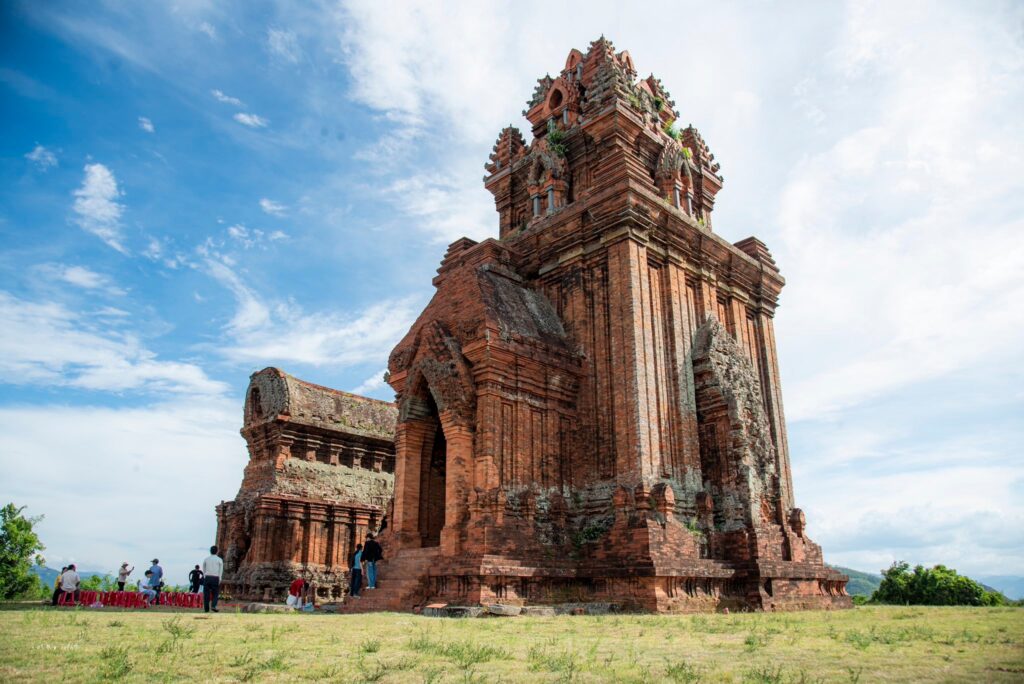
Majestic Banh It tower heritage 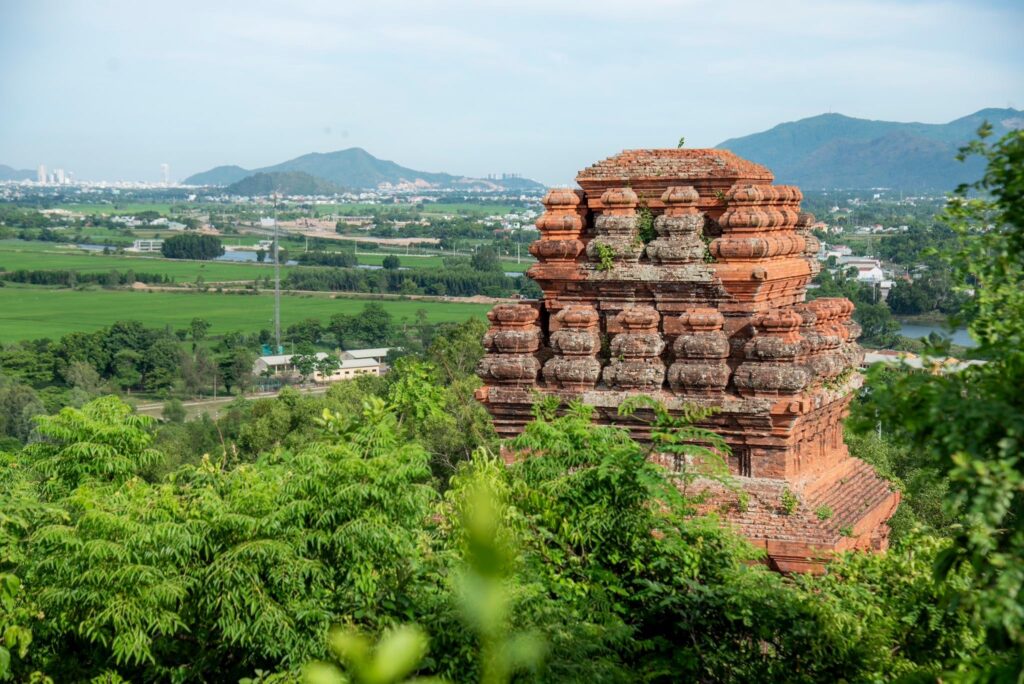
Hilltop Stele Towers 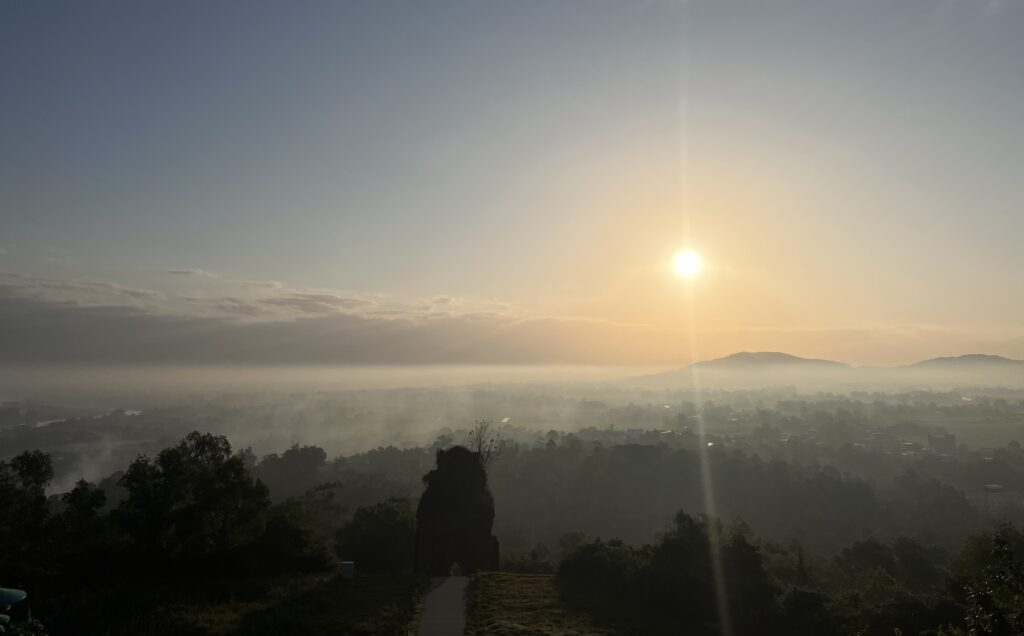
Sunrise over Cham heritage
3. Twin Towers in Quy Nhon City
Twin Towers, also known as Thap Doi, are one of the easiest Cham tower sites to visit in Quy Nhon. Unlike Banh It or Duong Long, these towers are located inside the city.
The site includes two red-brick towers standing side by side in a peaceful garden. They are usually dated to around the late 12th or early 13th century.
Twin Towers are a good introduction to Cham architecture. The paired layout is visually striking, and the site is easy to visit even if you only have limited time.
You can visit in the morning or late afternoon. The site can also be combined with local lunch, coffee, or a short city tour.
Travel tip: Speak quietly, stay on visitor paths, and avoid touching old structures unnecessarily.
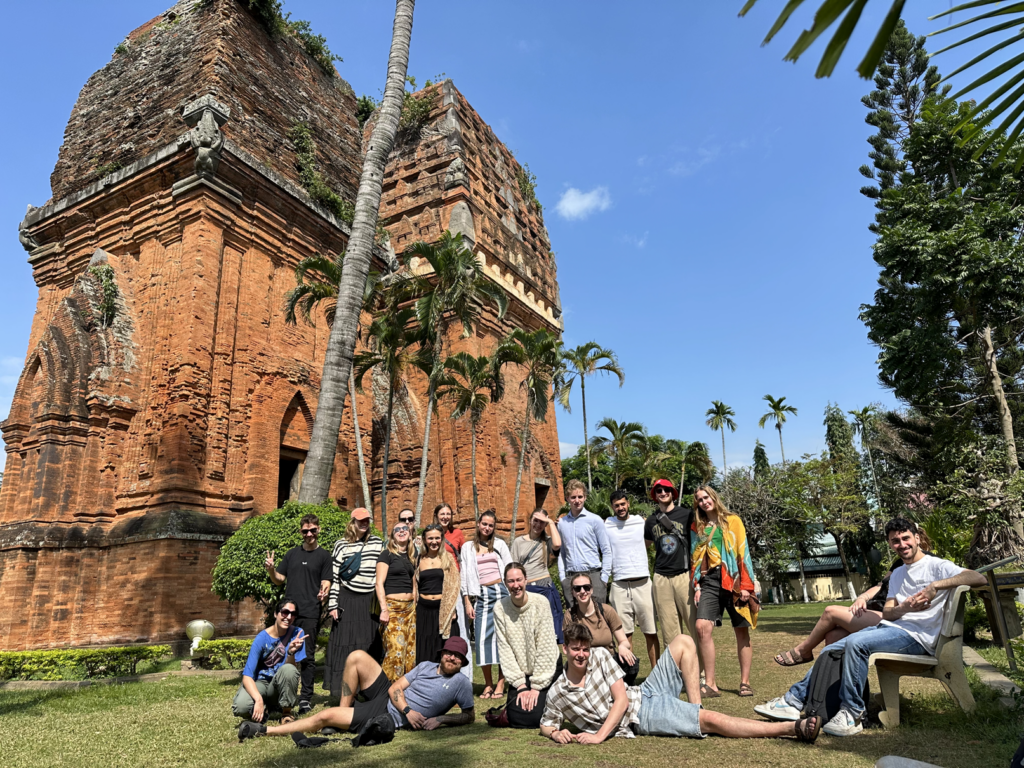
Twin Towers heritage visit
4. Duong Long Cham Towers
Spiritual places in Quy Nhon, Duong Long Cham Towers are one of the most majestic Cham tower complexes in Binh Dinh. The site includes three large towers standing in a line. The central tower rises to around 39 meters and is often described as one of the tallest brick Cham towers in Southeast Asia.
Compared with Twin Towers, Duong Long feels more open and monumental. The landscape around the towers gives visitors a stronger sense of space and history.
The towers reflect Hindu influences and the spiritual world of the ancient Champa Kingdom. Their size, brickwork, and sandstone details make them especially valuable for travelers interested in architecture.
Duong Long is farther from central Quy Nhon, so it is best visited with a private car or guided cultural tour.
Travel tip: Visit in the morning or late afternoon, and bring sun protection.
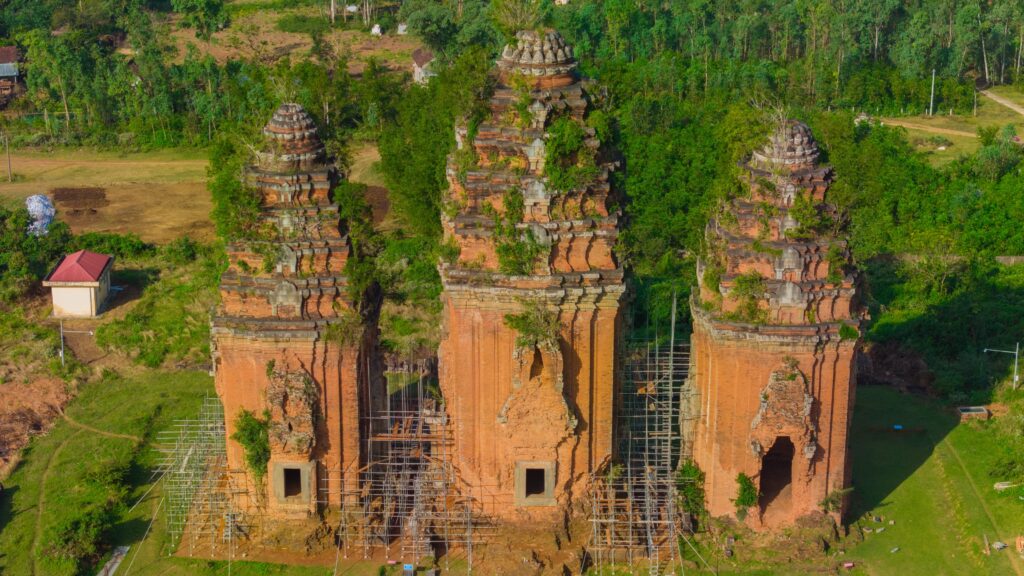
Duong Long Towers – the tallest towers in Southeast Asia
5. Thap Thap Ancient Pagoda
Thap Thap Di Da Pagoda is one of the most important Buddhist sites in Binh Dinh. It is often connected with the 17th century and is known for its old trees, stupas, stone details, carved wood, and peaceful temple atmosphere.
The name “Thap Thap” means “Ten Towers.” Some local stories connect the pagoda with bricks from ancient Cham tower ruins, which gives the site extra historical depth.
Thap Thap is not flashy. Its beauty is quiet and thoughtful. Visitors can walk through the courtyard, look at the architecture, and feel the calm rhythm of temple life.
This is a good place to experience Vietnamese Buddhist tradition in a respectful way.
Travel tip: Dress modestly and avoid taking intrusive photos of monks or worshippers.
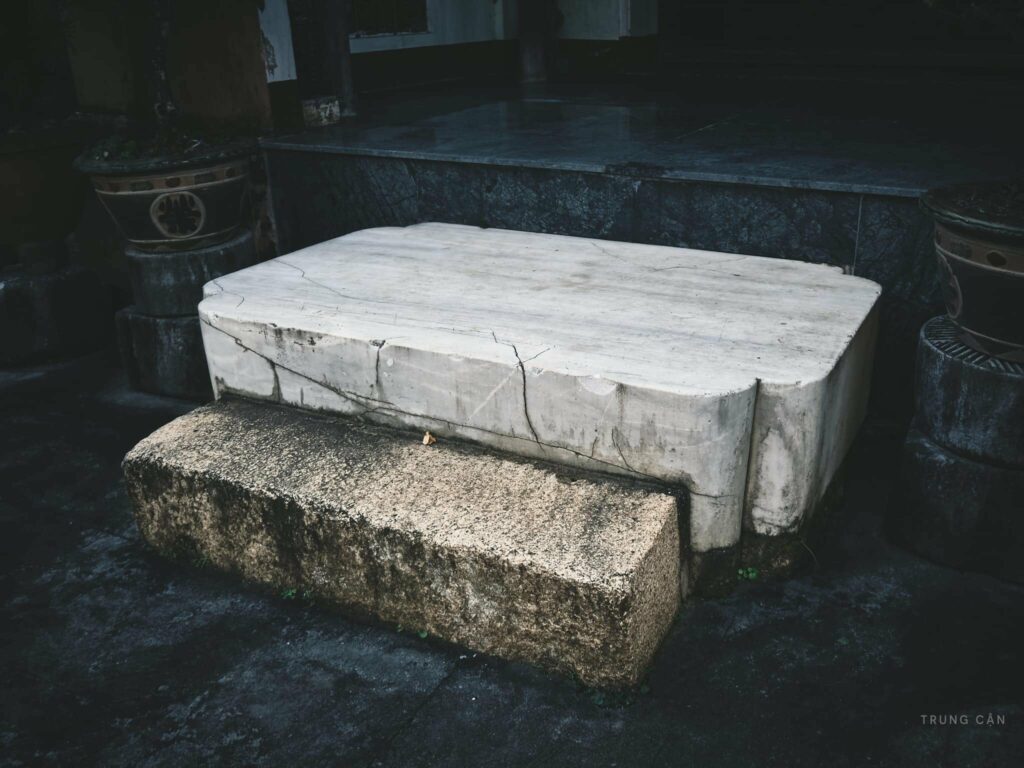
Ancient stone at Thap Thap 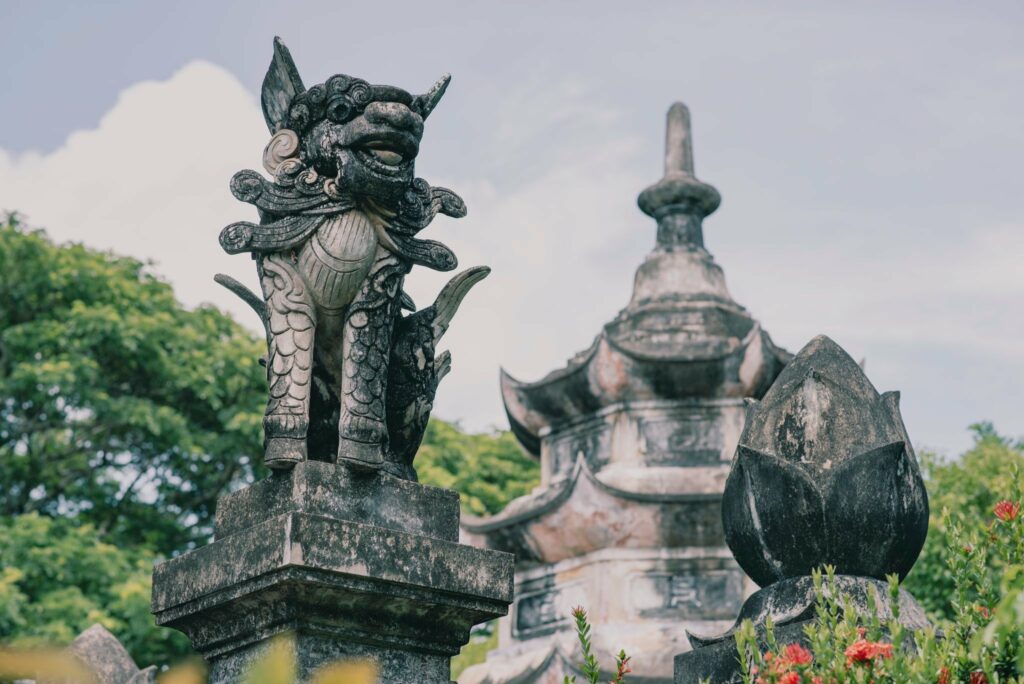
Sacred Buddhist stone guardian
6. Long Khanh Pagoda
Long Khanh Pagoda is one of the most important Buddhist pagodas in Quy Nhon city. It is located on Tran Cao Van Street and is often described as being more than 300 years old.
Because it is inside the city, Long Khanh is easy to visit by taxi, ride-hailing app, or as part of a short city route.
The pagoda is a living religious site, not only a tourist attraction. Local people come here to pray, burn incense, attend ceremonies, and find a quiet moment in the city.
Visitors can see traditional Vietnamese architecture, curved roofs, worship halls, Buddhist statues, and peaceful courtyards.
Travel tip: Do not pose disrespectfully with statues or religious objects.
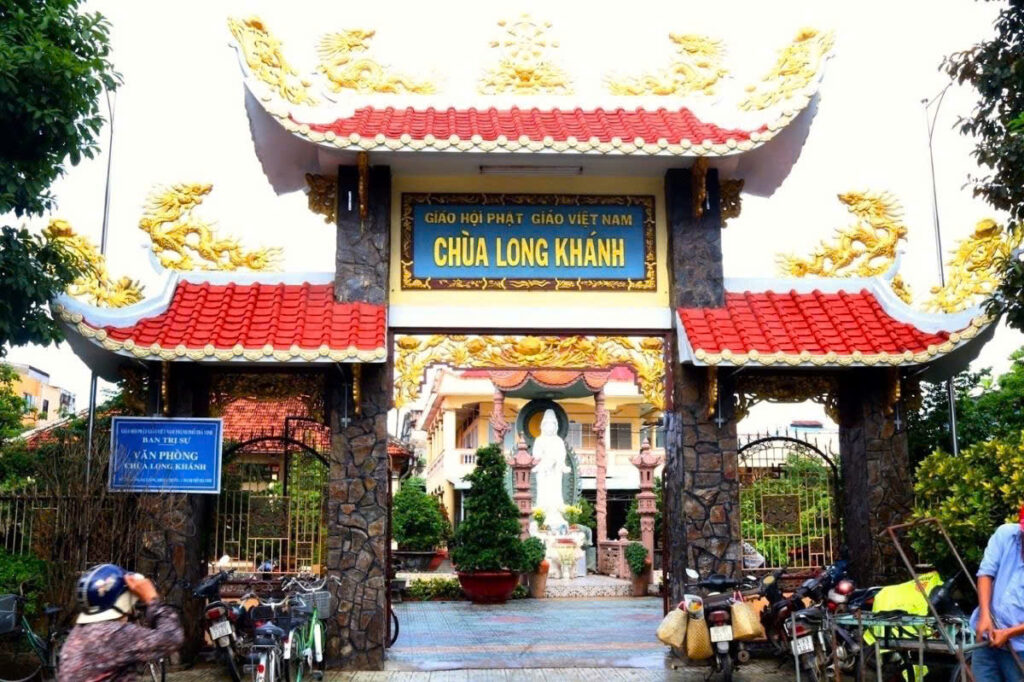
Long Khanh Pagoda – Over 300-year-old Buddhist pagoda (Source: Collected)
Best Time to Visit These Spiritual Places
The best time to visit spiritual places in Quy Nhon is usually early morning or late afternoon.
Morning visits feel calm and cooler. Late afternoon gives softer light and a more comfortable temperature, especially at open-air sites such as Banh It and Duong Long.
Avoid the hottest part of the day if you plan to walk uphill or visit tower sites with limited shade.
If you visit pagodas during Buddhist holidays or local ceremonies, expect more people. Be patient and respectful.
What to Wear and How to Behave
Dress modestly, especially when visiting pagodas and spiritual places. Cover your shoulders and knees if possible.
For Cham towers, comfortable walking shoes are useful because some sites have steps, uneven paths, or open outdoor areas.
Inside pagodas, speak softly. Do not touch altars, statues, bells, or ritual objects unless clearly allowed. Ask before taking close-up photos of people.
At all heritage sites, do not climb on towers, walls, statues, or restricted areas. Do not leave trash behind.
Avoid using drones or flycams unless you have proper permission.
Suggested Half-Day Cultural Route in Quy Nhon
- Binh Dinh Culture & History Tour: Tây Sơn Dynasty, Champa Towers, and Martial Arts
- The River of Time: Champa Heritage & Handicraft Villages
- Bánh Ít Towers Tour: A Journey Through Champa Legends
- Discover 1 day Champa Tower tour in Binh Dinh
- The 8 Surviving Cham Tower Complexes in Binh Dinh: A Complete Local Guide
Conclusion
Quy Nhon is not only a beach city. Behind the coastline and seafood restaurants, there is a deeper world of red-brick Cham towers, Buddhist pagodas, Hindu symbolism, old courtyards, and local spiritual traditions.
Visit Banh It for hilltop views. Visit Twin Towers for Cham heritage inside the city. Visit Duong Long for scale and architectural power. Visit Thap Thap for old Buddhist stillness. Visit Long Khanh for living spiritual culture in Quy Nhon.
These places are best experienced slowly, with respect and curiosity.
If you want to understand these spiritual places more deeply, consider joining a private cultural tour in Quy Nhon. A local guide can explain Champa heritage, Buddhist traditions, Tay Son history, ancient architecture, and proper etiquette in a clear and respectful way.
FAQ: Spiritual Places in Quy Nhon
1. What are the best spiritual places in Quy Nhon?
The best spiritual places in and around Quy Nhon include Banh It Cham Towers, Twin Towers, Duong Long Cham Towers, Thap Thap Ancient Pagoda, and Long Khanh Pagoda.
2. Are Cham towers in Quy Nhon religious sites?
Cham towers were originally connected to the religious life of the Champa Kingdom, with strong Hindu influences. Today, many are preserved as cultural and historical sites.
3. What should I wear when visiting pagodas in Quy Nhon?
Wear modest clothing. Cover your shoulders and knees if possible, and choose comfortable shoes for walking.
4. Can I visit these places without a guide?
Yes, but a guide can help you understand the history, architecture, symbolism, and local etiquette more clearly.
5. Can I fly a drone at Cham towers or pagodas?
Do not fly a drone without checking local rules and getting permission. Some heritage sites, religious places, and residential areas may restrict drone use.