Quy Nhon is famous for beaches, seafood, and island views. Yet the region offers more than coastal scenery. Some of the most memorable local experiences happen inland. That is where visitors can explore traditional craft villages that still preserve old skills and community life. For foreign travelers, these places offer culture, history, and a slower side of Binh Dinh.
Many first-time visitors want more than a beach holiday. They want places that feel local and meaningful. The craft villages around Quy Nhon are ideal for that. They work well as cultural day trips from Quy Nhon. Most are close enough for a half-day or full-day outing. You can leave in the morning and return by evening.
These villages are not theme parks. They are living communities where people still make hats, pottery, rice paper, wood products, and rice wine. That makes the experience feel more authentic. You do not only buy a souvenir. You also see how local people work and how traditional skills pass from one generation to the next.
If you are looking for authentic experiences in Quy Nhon, this guide is a practical place to start. Here are five traditional craft villages worth exploring near the city.
Phu Gia Conical Hat Village
Phu Gia conical hat village is one of the best-known Binh Dinh craft villages. It is famous for the horse conical hat, called non ngua. This special hat is linked with the cultural history of the Tay Son region. It is also one of the most distinctive handmade products in the province.
The village is a good choice for first-time visitors because the craft is easy to appreciate. Each hat is made by hand. The process requires patience, precision, and decorative skill. Some hats include embroidered details that make them look elegant and unique. The final product is practical, but it also carries cultural meaning.
A visit to Phu Gia is not only about shopping. It is also about observing craftsmanship up close. Travelers can see how local artisans shape and assemble the hats. That makes the stop more engaging than a normal souvenir shop. For many visitors, this is one of the most memorable Quy Nhon cultural attractions outside the beach area.
Phu Gia also fits well into a day trip plan. The village is close enough to reach from Quy Nhon without much difficulty. If you want a cultural stop that is visual and easy to understand, this is a strong option.
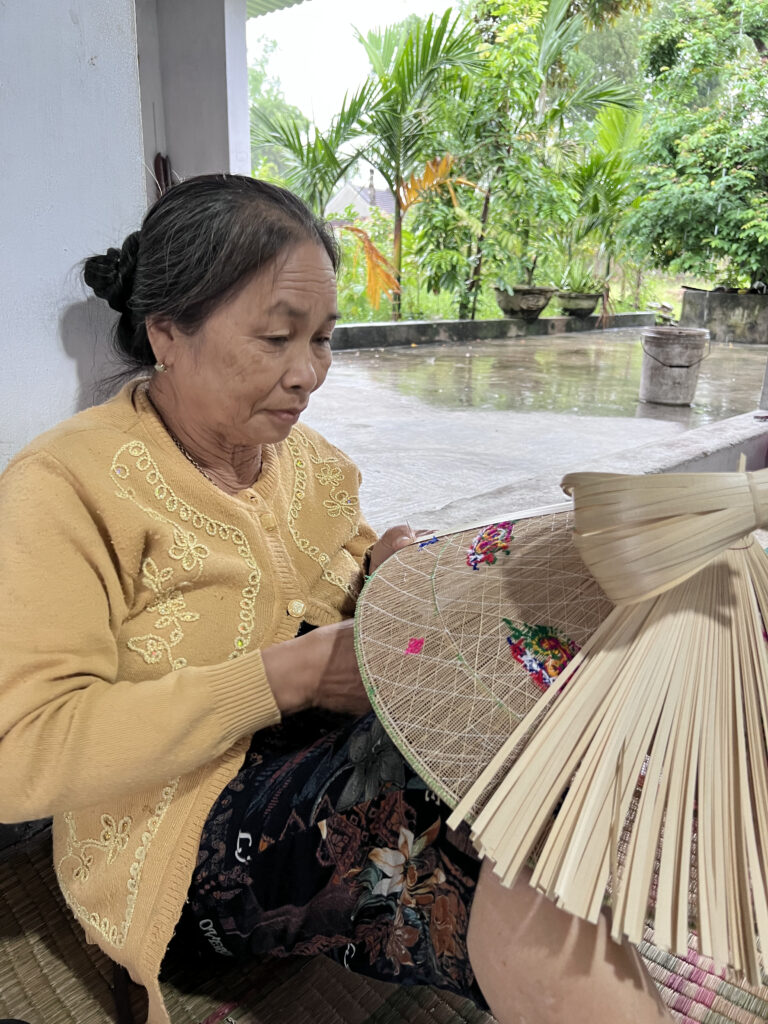
Making Horse Hat 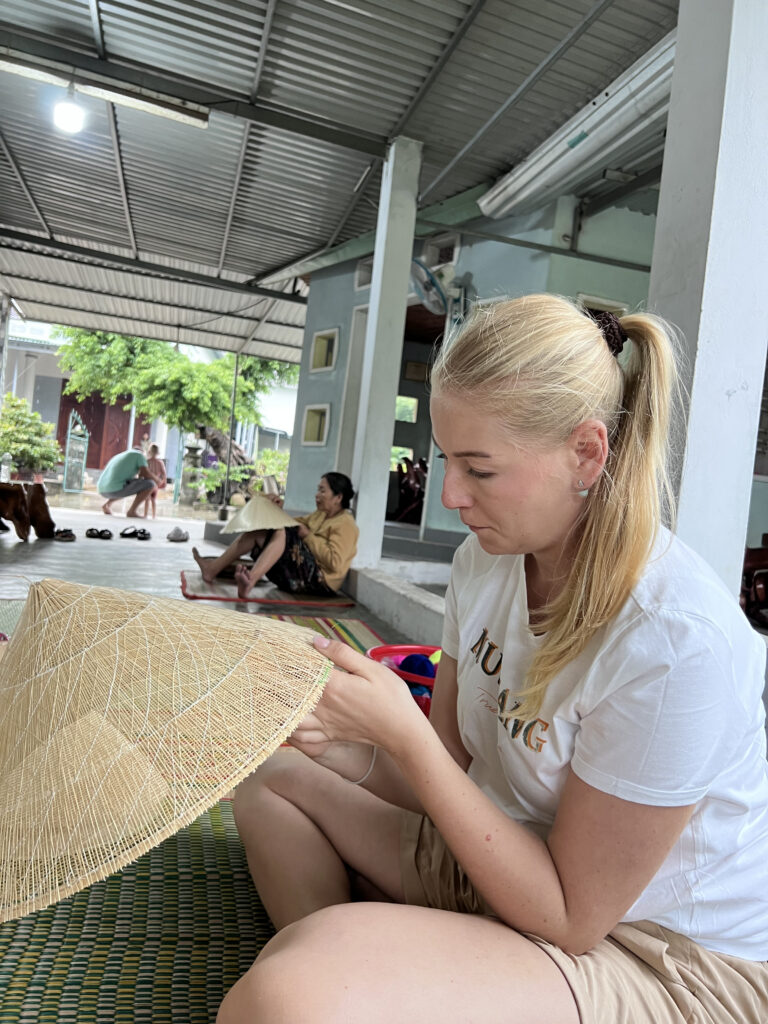
Making Horse Hat 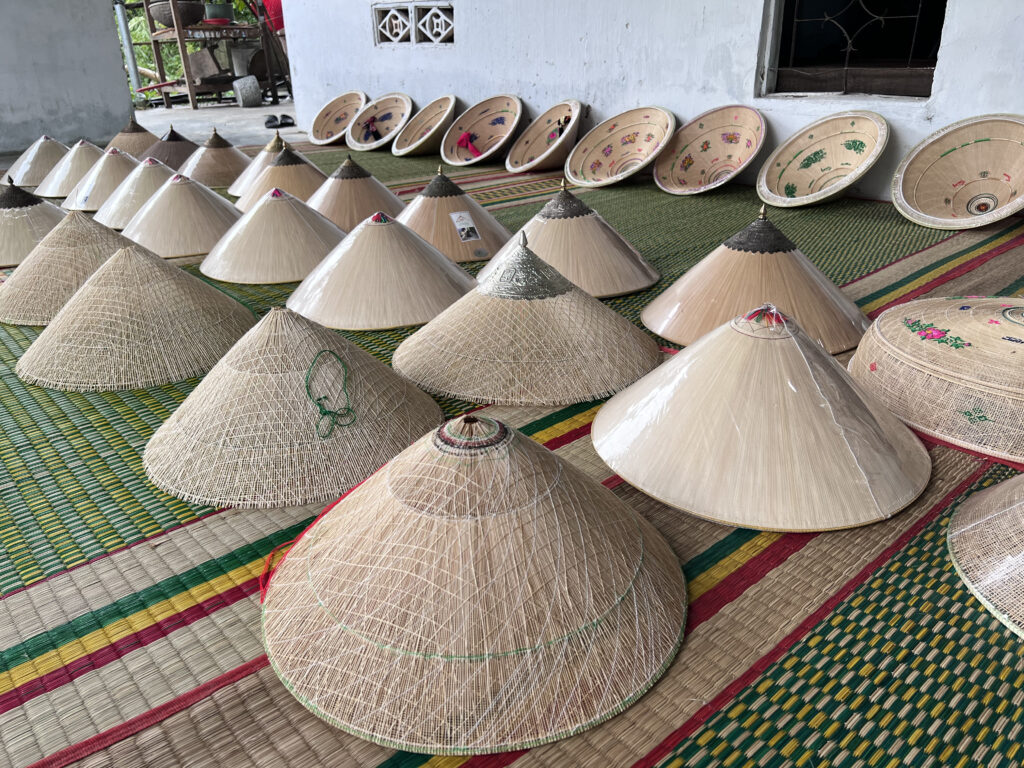
Horse Hats
Nhon Hau Woodturning Village
Nhon Hau is another impressive stop among Quy Nhon craft villages. It is known for woodturning and handcrafted wooden items. Visitors can find trays, bowls, tea sets, decorative objects, and household products. The village is a good place for travelers who want to buy something useful and handmade.
One reason to visit Nhon Hau is the variety of products. Some pieces are small and affordable. Others are larger and more decorative. That gives travelers different options based on budget and luggage space. The village is also interesting because it connects craft with daily life. Many items are made for real use, not only for display.
The atmosphere is part of the appeal. You are not walking through a modern shopping mall. You are visiting a rural craft community with a long tradition. This creates a more personal experience. It also helps travelers understand how traditional villages in Binh Dinh still contribute to the local economy.
For visitors searching for things to do near Quy Nhon, Nhon Hau is a practical and rewarding stop. It can also be combined with other villages in the An Nhon area. That makes planning easier.
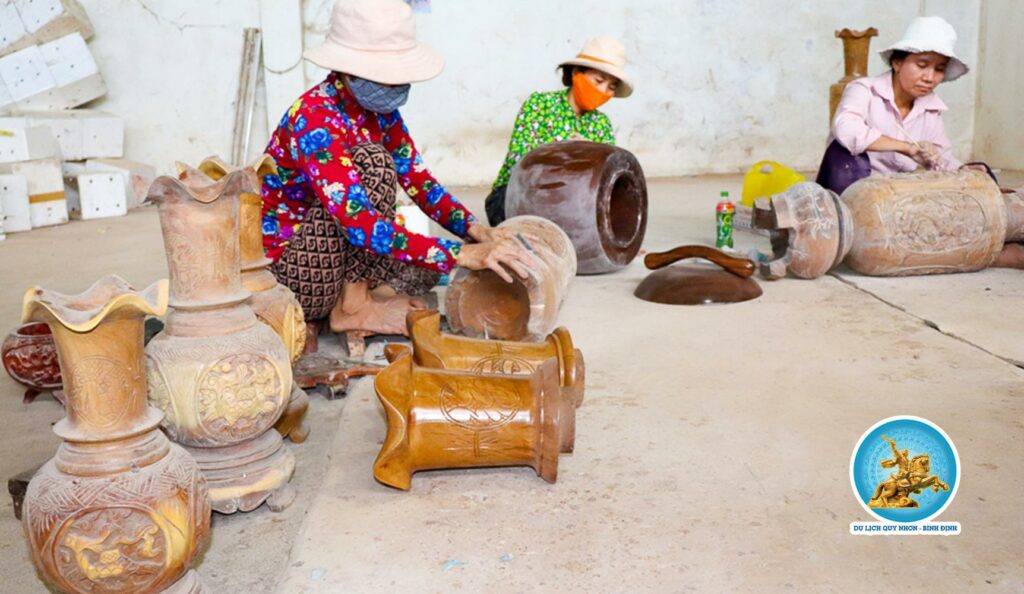
Van Son Pottery Village
Van Son is a strong choice for travelers interested in handmade pottery. It is one of the most appealing traditional craft villages in Central Vietnam for visitors who enjoy simple and useful ceramic products. The village is known for earthenware such as jars, pots, and kettles.
What makes Van Son interesting is the visible production process. Travelers can watch artisans shape clay and prepare items by hand. This gives the visit clear educational value. You do not only see finished objects. You also see the labor behind them. That makes the experience more memorable.
Van Son feels grounded and authentic. The products are often practical rather than highly polished. That is part of the charm. The village reflects a working tradition, not a staged performance for tourists. For many first-time visitors, this creates a stronger impression.
Another advantage is location. Van Son can be paired with Nhon Hau on the same route. If you want to explore Binh Dinh craft villages without traveling too far, this combination makes sense. It is one of the easiest ways to enjoy cultural day trips from Quy Nhon.
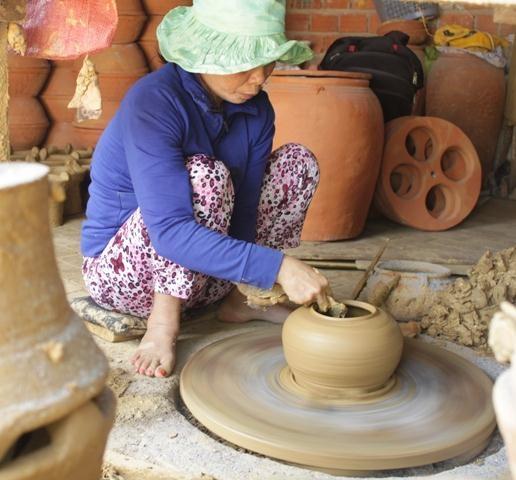
Making Pottery 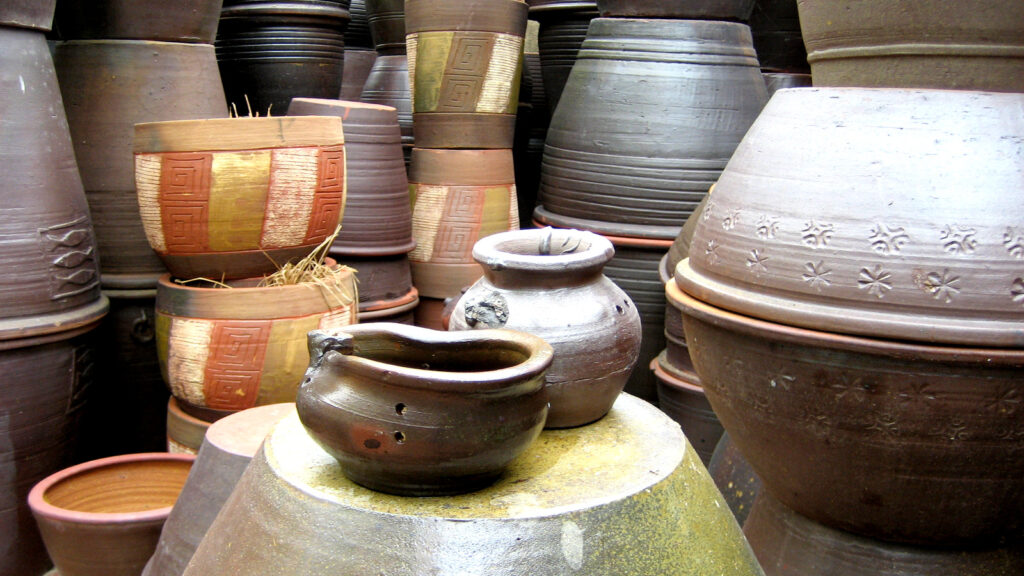
Products of Van Son Pottery Villages 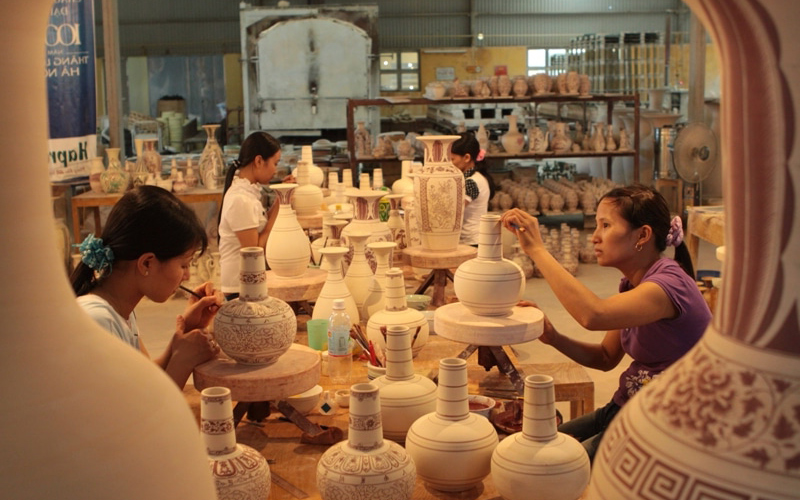
Van Son Pottery in show-room
Truong Cuu Rice Paper Village
Truong Cuu adds a food-related angle to this list of traditional craft villages. It is known for rice paper, one of the most familiar ingredients in Vietnamese cuisine. For foreign travelers, this village is easy to appreciate because the product already feels recognizable. At the same time, the local production method offers something new.
The rice paper here is tied to local tradition and family-based work. Visitors can learn how rice is processed, steamed, dried, and prepared into finished sheets. This process may look simple at first. However, it requires experience and careful handling. Seeing it in person gives travelers a better understanding of regional food culture.
This village is a nice stop for people who enjoy local cuisine. It connects well with a broader food itinerary in the region. You may already be eating dishes that use rice paper in the city. Visiting Truong Cuu helps explain where that food culture comes from. It turns a common ingredient into a cultural story.
Truong Cuu is also accessible as part of a larger inland route. That makes it easy to include in a one-day journey. If you want something practical, local, and easy to follow, this village is worth your time.
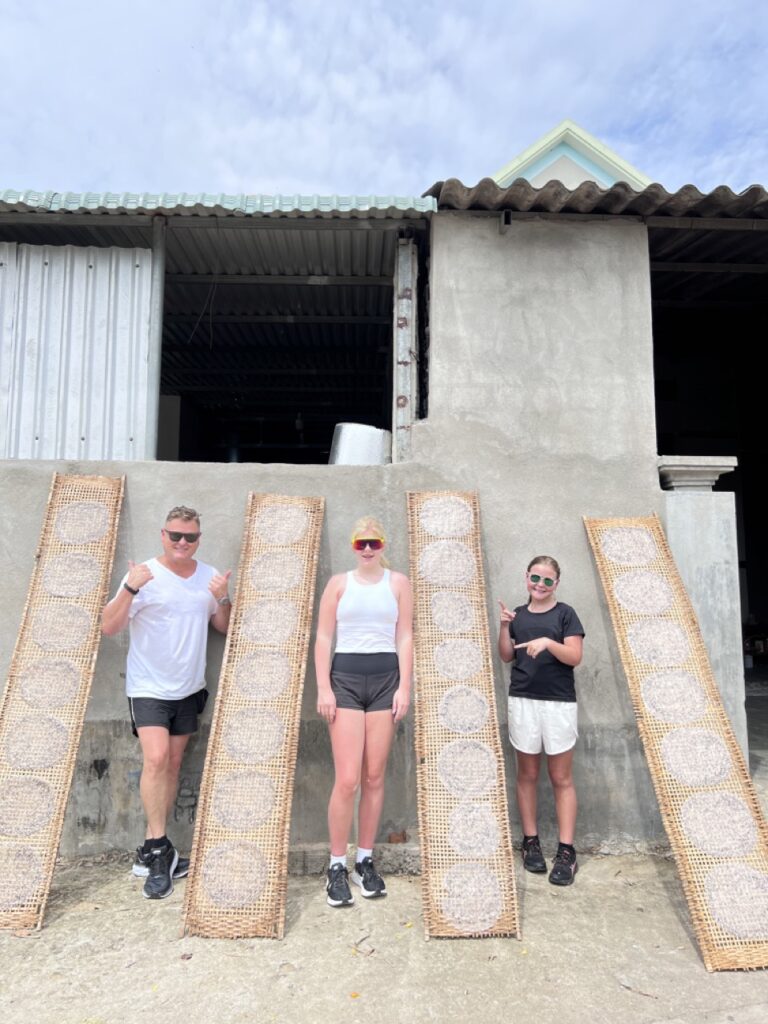
Rice paper-making village 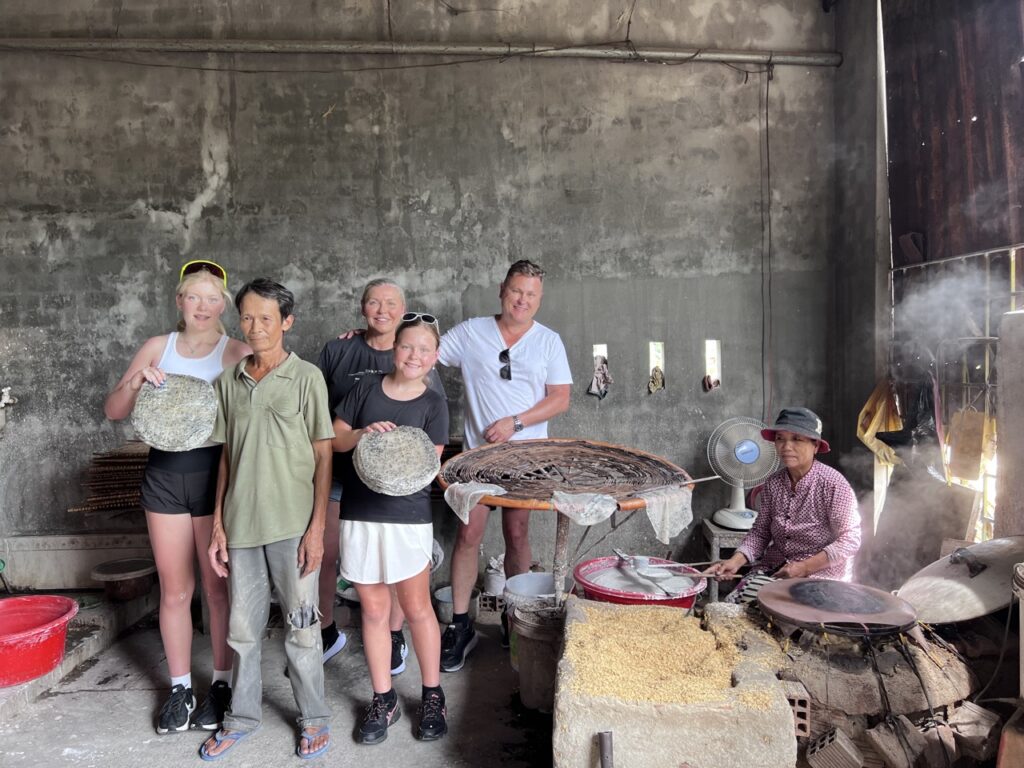
Try making rice paper 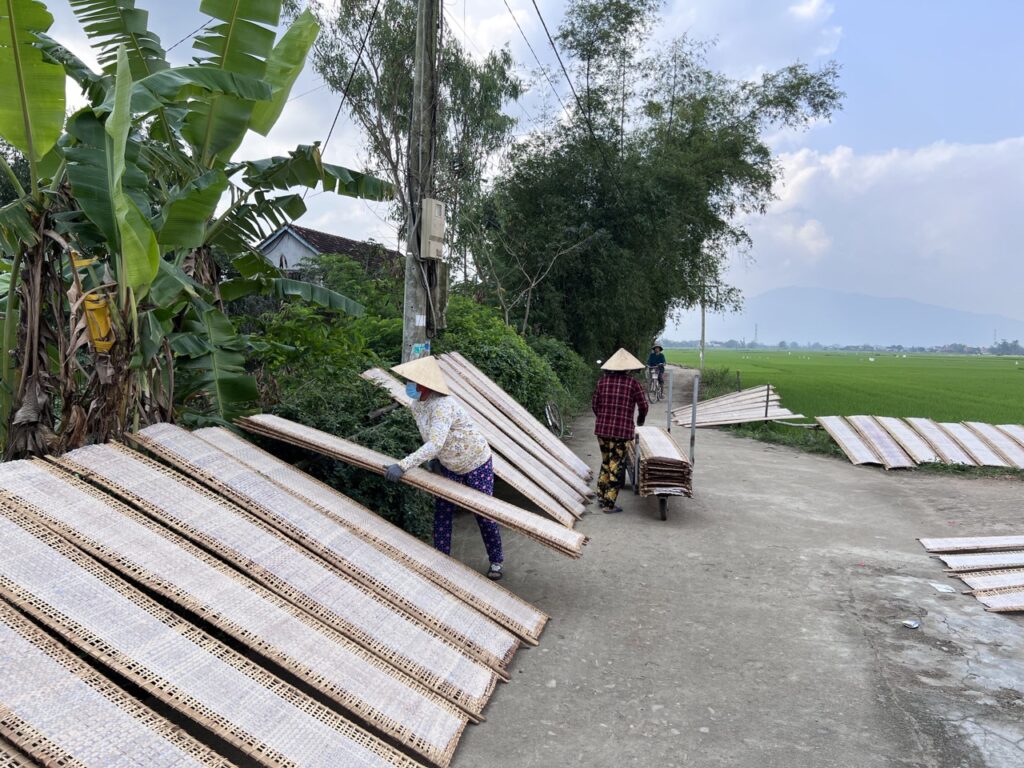
Dry out rice paper under the sunrise
Bau Da Rice Wine Village
Bau Da rice wine village is one of the most famous traditional villages in Binh Dinh. It is strongly associated with local identity. The village is known for producing Bau Da rice wine, a long-standing specialty of the province. Even travelers who do not drink alcohol may still enjoy the visit.
The appeal of Bau Da lies in its cultural value. The wine is made through a traditional process that reflects local ingredients and family knowledge. For visitors, the village offers insight into how a regional specialty becomes part of everyday life and local reputation. This is why the Bau Da rice wine village is often seen as more than a tasting stop.
A visit here adds variety to a Quy Nhon itinerary. Beaches and islands show one side of the region. Bau Da shows another side. It highlights agricultural tradition, village production, and local pride. That makes it one of the most interesting authentic experiences in Quy Nhon and the nearby areas.
If you are building a list of things to do near Quy Nhon, Bau Da deserves a place on it. It is especially suitable for travelers who want cultural depth, not only scenery.
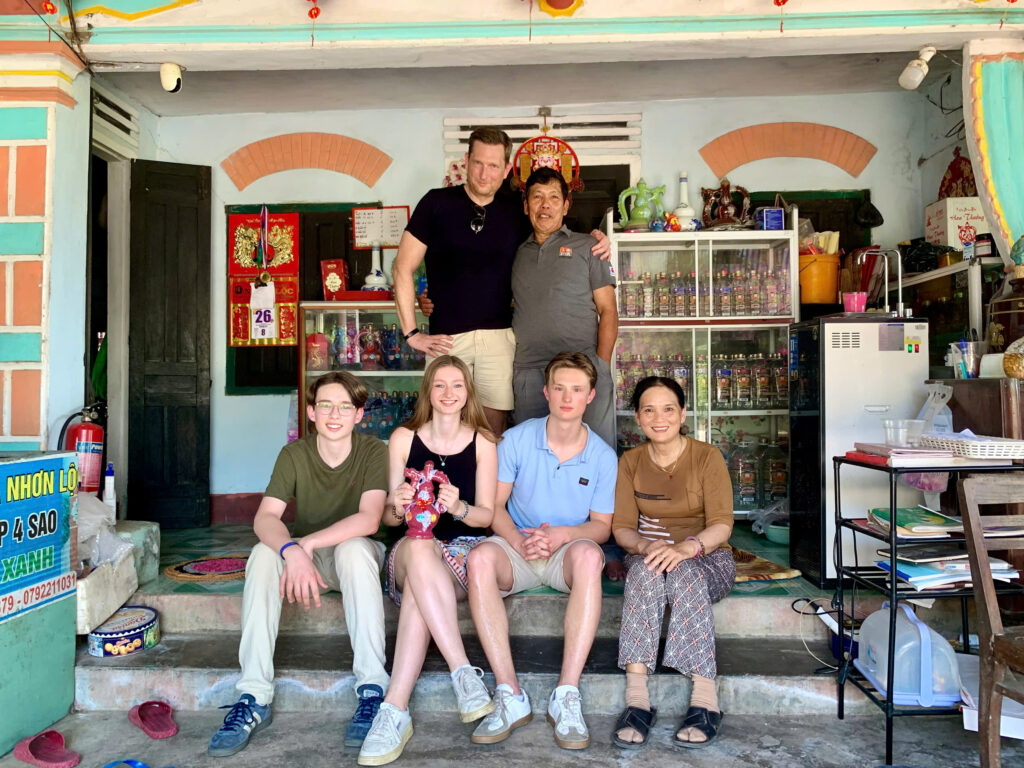
Bau Da Rice Wine Village 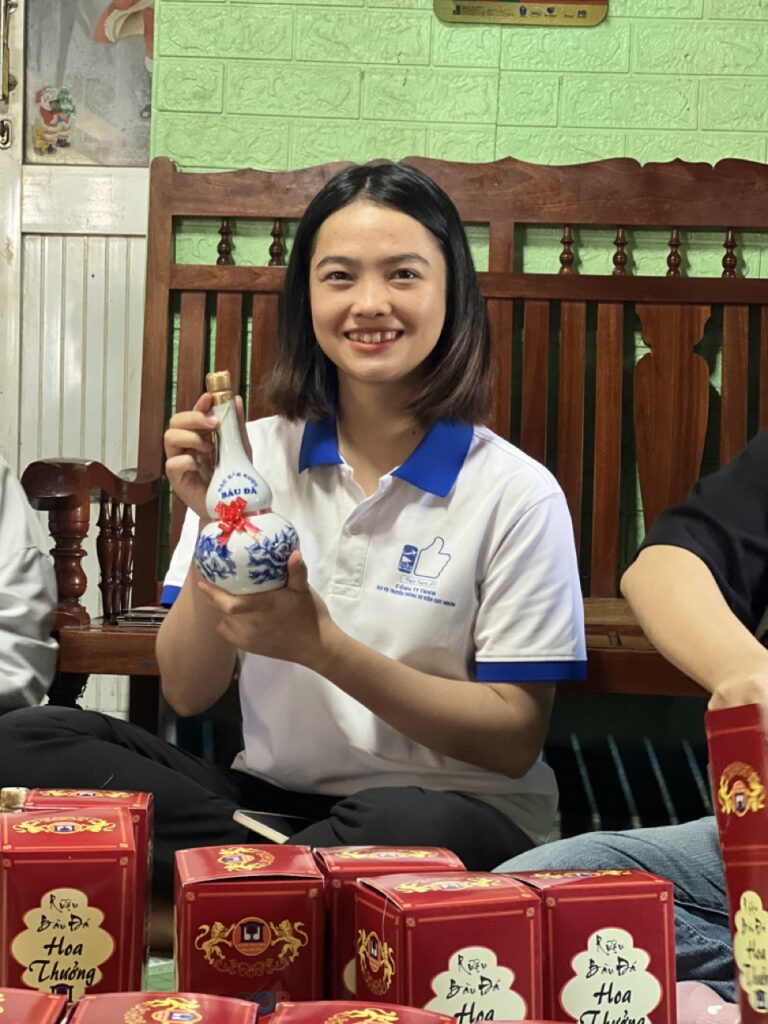
Village hospitality moment 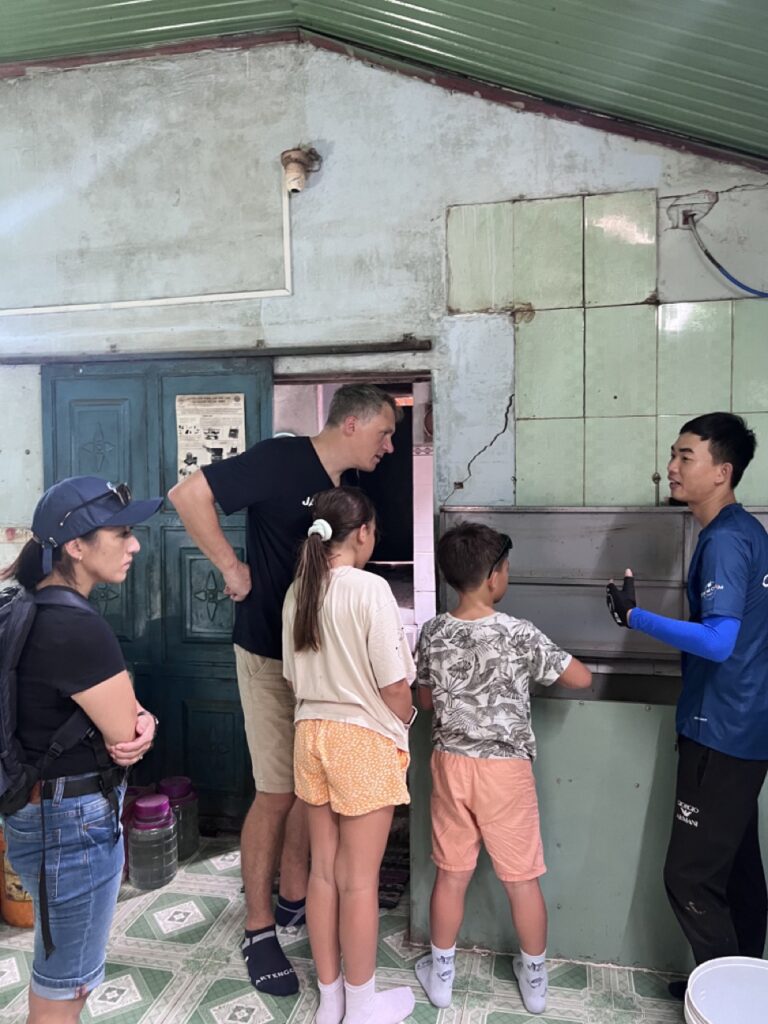
Learning Bau Da Wine making
How to Plan Your Visit
The easiest way to visit these traditional craft villages is by private car, taxi, or motorbike. This gives you more freedom during the day. Public transport can be less convenient for village-to-village travel. Start in the morning and keep your plan flexible. Some workshops may be busier at certain hours.
A smart route is to group nearby villages. Nhon Hau, Van Son, Truong Cuu, and Bau Da are easier to combine on one inland trip. Phu Gia can work well on a separate day if you want more time there. This approach helps you avoid rushing.
Bring cash, water, and sun protection. Wear comfortable clothing. Ask politely before taking close-up photos of artisans at work. These are working communities. Respectful behavior creates a better experience for both visitors and local people.