

Planning a journey from Hoi An to Quy Nhon? The two destinations are approximately 280–300 km apart by road, with most direct journeys taking around 5–7 hours, depending on transportation, traffic and pickup locations. You can travel by sleeper bus, take a train from Da Nang to Dieu Tri, or arrange a private car for a more flexible journey.
But this route can offer more than a simple transfer. Between Hoi An’s historic streets and Quy Nhon’s beautiful coastline lie fishing villages, quiet beaches and meaningful cultural landmarks that many travelers overlook. Whether you want to arrive as efficiently as possible or turn the journey into a coastal road trip, this guide explains the best ways to travel, where to stop and what to consider before leaving Hoi An.
How Far Is Hoi An from Quy Nhon?
Hoi An is located north of Quy Nhon along Vietnam’s central coast. The usual road journey follows major transport corridors through the Tam Ky and Quang Ngai areas before continuing south toward Quy Nhon.
Quick travel information:
- Distance: Approximately 280–300 km by road
- Travel time: Around 5–7 hours for most direct journeys
- Main transport options: Bus, train via Da Nang, private car or motorbike
- Nearest main railway station to Hoi An: Da Nang Railway Station
- Main railway station serving Quy Nhon: Dieu Tri Railway Station
- Suggested scenic stops: Tam Thanh Mural Village, Son My Memorial and Sa Huynh Beach
- Best option for sightseeing: Private car with planned stops
The actual journey depends on your departure point, arrival address and chosen route. A scenic coastal drive with sightseeing breaks will take longer than traveling directly along the main highway.
Best Ways to Travel from Hoi An to Quy Nhon
1. By Bus – Best for Budget-Friendly Travel
Taking a bus from Hoi An to Quy Nhon is one of the simplest and most affordable options for independent travelers. Several operators offer sleeper buses or cabin-style services, with direct journeys commonly taking approximately 5.5–7 hours. Ticket prices vary by operator and seat type, but many advertised fares fall around US$15–25 per person.
Buses are convenient because you don’t need to change vehicles in Da Nang. However, pickup points may be outside Hoi An Ancient Town, and some services drop passengers at an operator’s office or roadside stop rather than their hotel. Check the exact addresses, luggage allowance and arrival time before booking.

2. By Train – Best for a Relaxed Railway Journey
There is no railway station in Hoi An itself, so traveling by train involves reaching Da Nang Railway Station first. From there, take a southbound train to Dieu Tri, the main railway station serving Quy Nhon. The train journey generally takes around 5.5–6.5 hours, excluding transfers at either end.
Rail travel appeals to visitors who prefer more space to move around and enjoy watching the countryside pass by. Soft seats and sleeper berths may be available depending on the service. After arriving at Dieu Tri, continue to your hotel by taxi or arranged transfer, allowing additional time for the final journey into Quy Nhon.

3. By Private Car – Best for Comfort and Scenic Stops
A private car is a practical choice for couples, families and travelers carrying substantial luggage. The journey usually takes around 5–6 hours without lengthy sightseeing stops, although the actual duration varies with traffic and the route selected.
The main advantage is flexibility. You can arrange pickup directly from your Hoi An accommodation, stop for lunch in Quang Ngai and visit selected attractions along the way. Before confirming a transfer, ask whether sightseeing detours, waiting time, tolls and any additional charges are included in the quoted price.

4. By Motorbike – Best for Experienced Adventure Travelers
Traveling by motorbike offers the freedom to explore smaller coastal roads and villages that are difficult to appreciate from a bus. Rather than following only National Highway 1A, experienced riders can consider selected coastal sections around Tam Ky, Quang Ngai and southern coastal areas.
However, the distance makes this a demanding ride, particularly in hot or rainy conditions. A two-day journey with an overnight stop is more comfortable for travelers who want to enjoy the scenery. Make sure your driving licence and insurance are valid, wear proper protective equipment and confirm whether your rental company permits one-way travel.
- 25 Essential Travel Tips for First-Time Visitors to Quy Nhon
- Quy Nhon Travel Tips: Common Mistakes to Avoid
- Quy Nhon Travel Checklist: Packing, Weather & Booking Tips.
Hoi An to Quy Nhon: Transport Comparison
| Transport | Approximate duration | Best for |
| Direct bus | 5.5–7 hours | Budget-conscious travelers |
| Train via Da Nang | 7–9 hours including transfers | Rail enthusiasts and relaxed travel |
| Private car | 5–6 hours without sightseeing | Couples, families and flexible journeys |
| Motorbike | Full day or two days | Experienced riders and coastal exploration |
These durations are planning estimates, not guaranteed schedules. Train connections, road conditions and pickup arrangements can affect total travel time.
Best Places to Stop Between Hoi An and Quy Nhon
If you are traveling by private car or motorbike, consider adding one or two stops along the route. Each destination offers a different perspective on Central Vietnam, from community artwork to coastal history and quiet beach scenery.
1. Tam Thanh Mural Village – Best for Art and Local Culture
Location: Tam Thanh area, near Tam Ky | Best for: Photography and village life
Tam Thanh Mural Village is a small coastal community known for colorful paintings decorating house walls and village lanes. Created through a community art initiative, the murals portray fishing traditions, everyday activities and scenes from local life. Walking through the village provides an interesting contrast to Hoi An’s historic architecture.
Tam Thanh is an appealing early stop if you enjoy photography and local culture, but visiting requires leaving the main highway. Allow approximately 30–60 minutes for a relaxed walk and remember that the painted houses are also people’s homes. Respect residents’ privacy and ask permission before photographing individuals.

(Source: Collected)

(Source: Collected)

(Source: Collected)
2. Son My Memorial – Best for Understanding Vietnam’s History
Location: Near Quang Ngai | Best for: History and reflection
The Son My Memorial, also associated with the My Lai Massacre, commemorates civilians killed during the Vietnam War on March 16, 1968. The site includes memorial spaces and historical exhibits that help visitors understand one of the war’s most tragic events.
For international travelers interested in Vietnamese history, this can be a deeply meaningful stop. It is important to approach the memorial respectfully rather than treating it as a casual sightseeing attraction. Allow approximately one hour or longer if you want time to examine the exhibits and reflect on the historical context.

3. Sa Huynh Beach – Best for a Coastal Break
Location: Southern Quang Ngai coastal area | Best for: Beach scenery and a relaxing stop
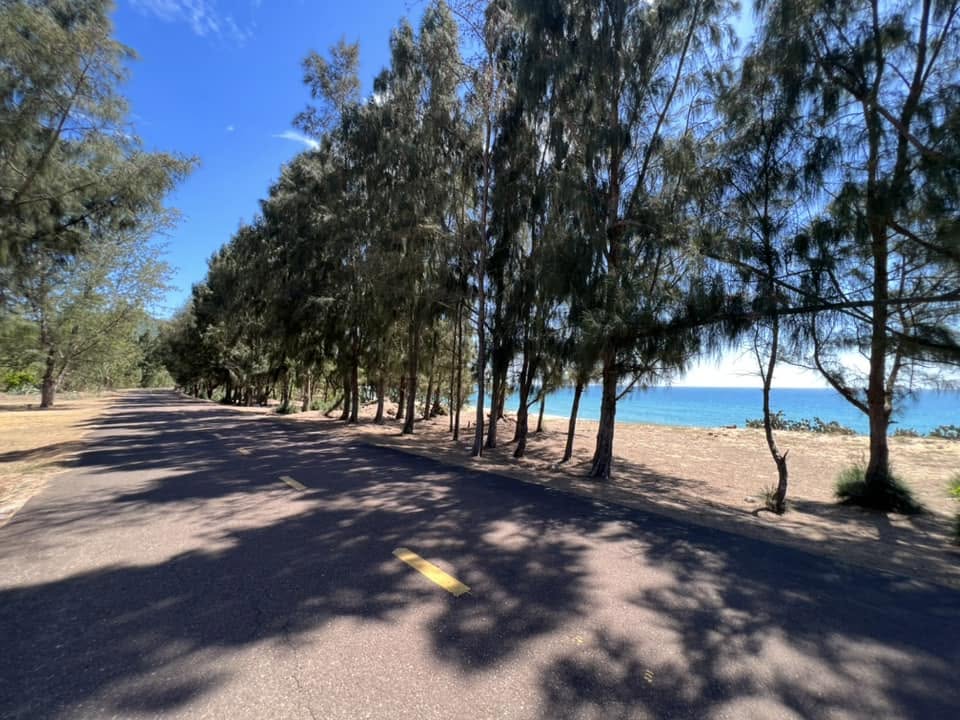
Sa Huynh Beach is known for its long stretch of golden sand and its connection to the surrounding fishing and salt-making communities. Located near the main north–south road corridor, it offers an appealing change of scenery after several hours of driving.
This is a good place to stretch your legs, enjoy the sea breeze or stop for a meal before continuing toward Quy Nhon. Travelers with more time can explore nearby coastal scenery, although swimming should depend on the day’s weather and sea conditions. A short visit is often enough if your priority is reaching Quy Nhon before evening.

Suggested Hoi An to Quy Nhon Road Trip Itinerary
For a comfortable one-day journey, choose a maximum of two meaningful stops rather than attempting to visit every attraction along the route. The following is a suggested schedule for travelers using a private vehicle.
| Time | Suggested activity |
| 7:00 AM | Depart from your hotel in Hoi An |
| 8:15 AM | Optional visit to Tam Thanh Mural Village |
| 9:15 AM | Continue south toward Quang Ngai |
| 11:00 AM | Visit Son My Memorial or explore the local area |
| 12:30 PM | Lunch break around Quang Ngai |
| 2:00 PM | Continue south, with an optional Sa Huynh coastal stop |
| 5:00–6:30 PM | Estimated arrival in Quy Nhon |
This is an illustrative itinerary, not a fixed transfer schedule. Including all three stops can make the journey quite long, especially if you spend more time at lunch or encounter traffic. If you want to explore Tam Thanh, Son My and Sa Huynh without watching the clock, consider dividing the journey over two days.
Should You Travel Directly or Make Scenic Stops?
If you have only two or three days in Quy Nhon, traveling directly by bus or train may be the better choice. You can arrive, settle into your accommodation and save your energy for the beaches, local food and cultural attractions around Quy Nhon.
If the journey itself is part of your holiday, a private car offers more opportunities to explore. Tam Thanh works well for art and village photography, Son My for historical understanding and Sa Huynh for a relaxing coastal break. Choose the stops that genuinely interest you rather than adding attractions simply to fill the day.
Explore Quy Nhon with THICHTOURS
After arriving in Quy Nhon, there is plenty to discover beyond the beachfront. Ancient Cham towers, traditional fishing communities, regional cuisine and nearby coastal landscapes reveal the area’s distinctive cultural heritage. THICHTOURS offers local cultural experiences for international visitors who want to explore more deeply with local guidance. Contact the team to discuss available tours, suitable sightseeing arrangements and activities that fit your interests after traveling from Hoi An.
Practical Tips Before Traveling
- Confirm pickup and drop-off points: Bus operators may use offices or designated stops rather than hotel entrances.
- Book train tickets early: Popular departures and sleeper berths can sell out during holidays.
- Check your arrival station: Most north–south trains serving the Quy Nhon area stop at Dieu Tri.
- Plan scenic stops in advance: Detours can add significant time to a private-car journey.
- Keep essentials accessible: Carry drinking water, snacks, medication and charging cables.
- Avoid an overloaded schedule: Arriving before dark is often more enjoyable than squeezing in one final attraction.
- Allow flexibility: Heavy rain, roadworks and traffic can affect travel times.
Local tip: If your main goal is to enjoy Quy Nhon, consider traveling directly and spending an extra afternoon exploring its beaches or Cham heritage sites. Save the longer coastal detours for travelers who have enough time to enjoy them properly.
Frequently Asked Questions
1. How far is Hoi An from Quy Nhon? Hoi An and Quy Nhon are approximately 280–300 km apart by road, depending on your chosen route and exact departure and arrival points.
2. How long does it take to travel from Hoi An to Quy Nhon? Most direct road journeys take around 5–7 hours. Traveling by train takes longer overall because you need transfers to and from the railway stations.
3. Is there a direct bus from Hoi An to Quy Nhon? Yes. Direct bus services are available, including sleeper and cabin-style options. Check current timetables and exact pickup locations before booking.
4. Can I take a train directly from Hoi An to Quy Nhon? No. Hoi An does not have a railway station. Travelers commonly transfer to Da Nang Railway Station, take a train to Dieu Tri and continue by road into Quy Nhon.
5. What is the best way to travel from Hoi An to Quy Nhon with children? A private car is often the most convenient option because families can arrange rest stops and travel directly between accommodations. The train is another comfortable choice if the extra transfers are manageable.
6. What are the best places to stop between Hoi An and Quy Nhon? Tam Thanh Mural Village, Son My Memorial and Sa Huynh Beach are worthwhile options. Choose one or two according to your interests and available travel time.
7. Is it worth staying overnight between Hoi An and Quy Nhon? An overnight stop is not necessary for a direct journey. However, it can make sense if you want to explore coastal villages, historical sites or quieter areas around Quang Ngai.
Continue Your Central Vietnam Journey in Quy Nhon
Traveling from Hoi An to Quy Nhon connects two destinations with very different atmospheres. Hoi An is celebrated for its lantern-lit streets and historic architecture, while Quy Nhon offers long beaches, regional food traditions and a slower coastal rhythm.
Whether you choose a direct bus, a train journey through Central Vietnam or a private coastal road trip, plan your transport around the experience you want. Once you arrive, contact THICHTOURS to discover local cultural experiences and explore another side of Quy Nhon beyond its beautiful coastline.