
Planning your first trip to Quy Nhon? Unlike Vietnam’s bustling tourist destinations, this peaceful coastal city offers a slower pace, authentic local experiences, and breathtaking beaches. Drawing on more than 30 years of local knowledge, I have gathered practical advice to help you save time, avoid common mistakes, and enjoy your journey with confidence. Here are 25 essential Quy Nhon travel tips every first-time visitor should know before exploring this beautiful coastal destination.

Before You Go
1. Choose the Best Time to Visit
Timing is everything. The dry season (January to August) offers clear skies and calm waters perfect for island hopping. The rainy season (September to December) brings heavier seas and occasional storms, which can halt boat tours. (Read our comprehensive guide on the Best Time to Visit Quy Nhon).
Best Time to Visit Quy Nhon: Weather by Month & Seasonal Guide
2. Stay at Least 3 Days
Many travelers make the mistake of stopping here for just one night on their way up or down the coast. One day barely scratches the surface. Give yourself at least three days to explore the islands, the historical sites, and the city’s incredible food scene without rushing.
3. Book Island Tours Early During Peak Season
If you are visiting between June and August (the peak domestic travel season), boat tours to the surrounding islands sell out quickly. Book your spots a few days in advance.
4. Pack for Hot, Sunny Weather
The central coast sun is intense. Ensure your suitcase includes high-SPF sunscreen, a wide-brimmed hat, sunglasses, comfortable walking sandals, and light, breathable clothing.
Getting Around Quy Nhon

5. Use Grab or Taxi
Ride-hailing apps like Grab work perfectly in the city center. Traditional metered taxis (like Sun Taxi or Mai Linh) are also reliable, abundant, and cheap for short distances.
6. Rent a Motorbike Only If You’re Confident
Renting a scooter gives you incredible freedom to explore coastal roads. However, Vietnamese traffic flows differently than in the West. Only rent a bike if you are a confident rider with an international permit.
7. Download Offline Maps
While the city center has excellent 4G/5G coverage, signal can occasionally drop if you are riding through remote mountain passes or visiting distant fishing villages. Download the area on Google Maps before you head out.
8. Most Attractions Are Close Together
Don’t stress about massive transit times. Unlike sprawling megacities, most of the best cafes, beaches, and restaurants in the city center are within a 5-to-15-minute drive of each other.
Money & Practical Tips

9. Carry Some Cash
While large hotels and modern cafes take credit cards, you will need Vietnamese Dong (VND) for street food, local markets, and small island vendors.
10. ATMs Are Easy to Find
If you run out of cash, don’t worry. The city center (especially along Tran Phu and Le Hong Phong streets) is packed with international-friendly ATMs.
11. Most Small Shops Don’t Accept Cards
When visiting Quy Nhon, assume that family-run restaurants and local craft shops operate purely on a cash basis or local bank transfers.
12. Buy a Local SIM or eSIM
Stay connected by grabbing a cheap local SIM card (Viettel offers the best coverage in Binh Dinh) at the airport or an electronics store in town.
Food & Drinks

13. Don’t Miss Local Breakfast
Skip the western hotel breakfast and hit the streets early. You must try Bún chả cá (fish cake noodle soup), Bánh hỏi cháo lòng (rice vermicelli with pork innards), and Bánh xèo tôm nhảy (crispy shrimp pancakes).
14. Eat Where the Locals Eat
The golden rule of travel advice Quy Nhon: the best food is often served on small plastic stools on the sidewalk. Look for places packed with locals and motorbikes parked out front—that is your guarantee of freshness and flavor.
15. Try Vietnamese Coffee
Coffee here is a ritual. Sit by the beach with an iced cà phê sữa đá (coffee with sweetened condensed milk). (Looking for the best spots? Check out our Coffee Guide).
16. Seafood Is Fresh—But Ask About Prices
The seafood here is arguably the best in Vietnam. When dining at local seafood joints where the catch is kept alive in tanks, point to what you want and always politely ask for the price per kilogram before they cook it to avoid any miscommunication.
Beaches & Attractions

17. Don’t Visit Only Ky Co
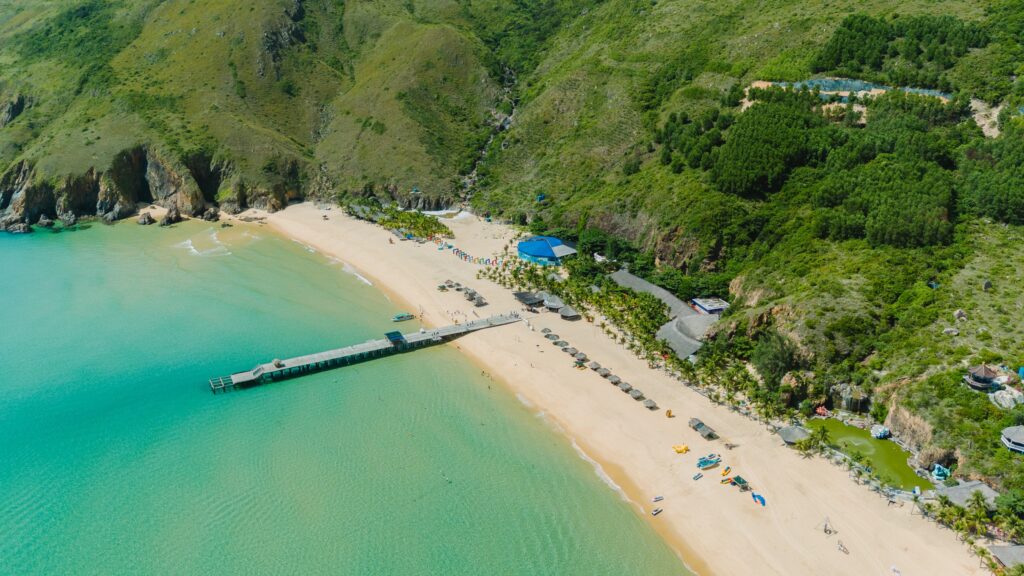
Ky Co is spectacular, but the region has so much more coastline. Make time for the coral reefs of Hon Kho, the bohemian vibe of Bai Xep, the dramatic cliffs of Eo Gio, and the historical Queen’s Beach.
18. Wake Up Early for Sunrise
This is an east-facing city. One of the most magical things to know before visiting Quy Nhon is that the city comes alive at 5:00 AM. Wake up early to join locals swimming in the ocean as the sun comes up.
19. Wear Reef-Safe Sunscreen
Help protect the delicate coral reefs around Hon Kho and Ky Co by choosing a biodegradable, reef-safe sunscreen before you go snorkeling.
20. Always Check Sea Conditions
Before booking a canoe trip or planning a snorkeling day, ask a local or your hotel about the current sea conditions. Rough waves can make boat trips uncomfortable or lead to cancellations.
Local Culture & Etiquette

21. Smile and Learn a Few Vietnamese Words
English is not as widely spoken here as it is in Hanoi or Ho Chi Minh City. A simple Xin chào (Hello) and Cảm ơn (Thank you) accompanied by a smile will open countless doors and warm local hearts.
22. Dress Respectfully at Temples
When visiting ancient spiritual sites like the Twin Towers or Banh It Towers, dress modestly. Ensure your shoulders and knees are covered as a sign of respect.
23. Respect Local Fishing Communities
When exploring coastal villages, remember that these are people’s homes and workplaces. Do not litter, and politely gesture to ask for permission before taking close-up photos of fishermen at work.
Safety & Communication

24. Quy Nhon Is Safe—But Stay Aware
This is generally a very safe, low-crime city. However, standard travel logic applies: keep an eye on your personal belongings at crowded night markets, be cautious when crossing busy streets, and monitor local weather forecasts during the rainy season.
25. Slow Down and Experience Local Life
This is my most important piece of advice. Don’t just rush from one landmark to the next. The true magic of this city is found in the quiet moments: drinking morning coffee on the sidewalk, watching the fishermen bring in their catch, or simply chatting with a vendor through a translation app.
Quick Checklist Before You Leave for Quy Nhon
Tick these items off your list before heading to the airport:
- ✅ High-SPF Sunscreen
- ✅ Wide-brimmed Hat
- ✅ Cash (VND) for initial small purchases
- ✅ Grab App installed on your phone
- ✅ Swimwear and quick-dry towel
- ✅ Waterproof Bag for island tours
- ✅ Power Bank for long days out
- ✅ Travel Insurance
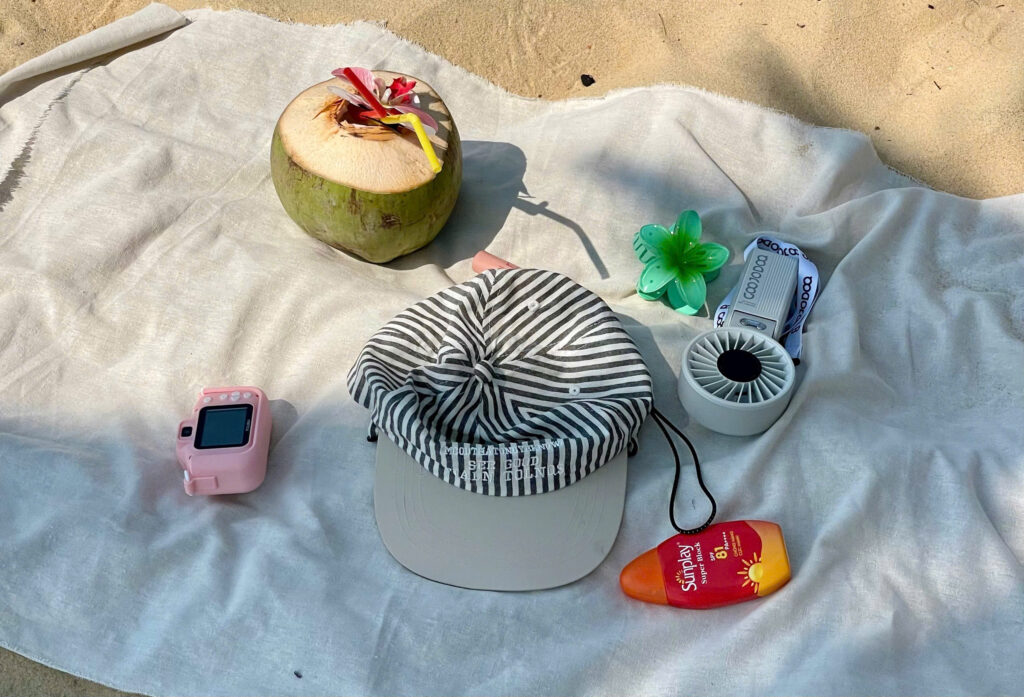
Quy Nhon Travel Checklist: Packing, Weather & Booking Tips.
Frequently Asked Questions
- Is Quy Nhon safe? Yes, it is very safe for tourists, including solo female travelers. Violent crime is exceptionally rare. Just practice normal vigilance against petty theft like you would anywhere in the world.
- Is English widely spoken? In large hotels and tourist-focused cafes, yes. In local restaurants, markets, and smaller villages, English is limited. A translation app on your phone will be very helpful.
- Do I need cash? Absolutely. While modern establishments accept cards, you need cash for street food, taxis, markets, and rural areas.
- How many days are enough? We recommend an absolute minimum of 3 days to see the city, explore the islands, and visit the historical Cham towers without rushing.
- Is Quy Nhon expensive? Not at all. It boasts a significantly lower cost of living and travel compared to major hubs like Da Nang or Ho Chi Minh City, offering excellent value for money.
- Can I swim all year? Swimming is best during the dry season (January to August). During the rainy season (late September to December), the water can be rough and unsafe for swimming on certain days.
- What’s the best island? Ky Co is famous for its Maldives-like water, while Hon Kho is the top choice for snorkeling and seeing vibrant coral reefs.
- Is tipping expected? Tipping is not culturally mandated in Vietnam, but it is deeply appreciated. Leaving a small tip for exceptional tour guides, drivers, or at high-end restaurants is a kind gesture.
Quy Nhon isn’t a city that rushes to impress you with neon lights or massive theme parks. Instead, it quietly wins your heart through empty beaches, warm smiles, impossibly fresh seafood, and deeply authentic local experiences. With these 25 Vietnam travel tips in your pocket, you will be completely ready to explore the city with confidence—and discover exactly why so many travelers wish they had stayed just a little bit longer.
Ready to experience the best of the central coast? Explore our locally guided excursions and discover hidden beaches, authentic regional food, and unforgettable adventures with THICHTOURS.