Considering a Quy Nhon to Mang Den trip? Leaving Quy Nhon’s sunny beaches for the cool forests of Vietnam’s Central Highlands offers a completely different experience. Mang Den is known for pine-covered hills, misty mornings, peaceful lakes and waterfalls, making it an appealing escape for travelers who want more than a coastal holiday.
However, Mang Den is not a quick excursion from Quy Nhon. Reaching the highlands requires several hours of driving through changing terrain, and a return journey on the same day would leave little time for sightseeing. This guide explores whether Mang Den is worth adding to your itinerary, what to see, how to get there and why an overnight stay is usually the better choice.
Where Is Mang Den and Why Visit?
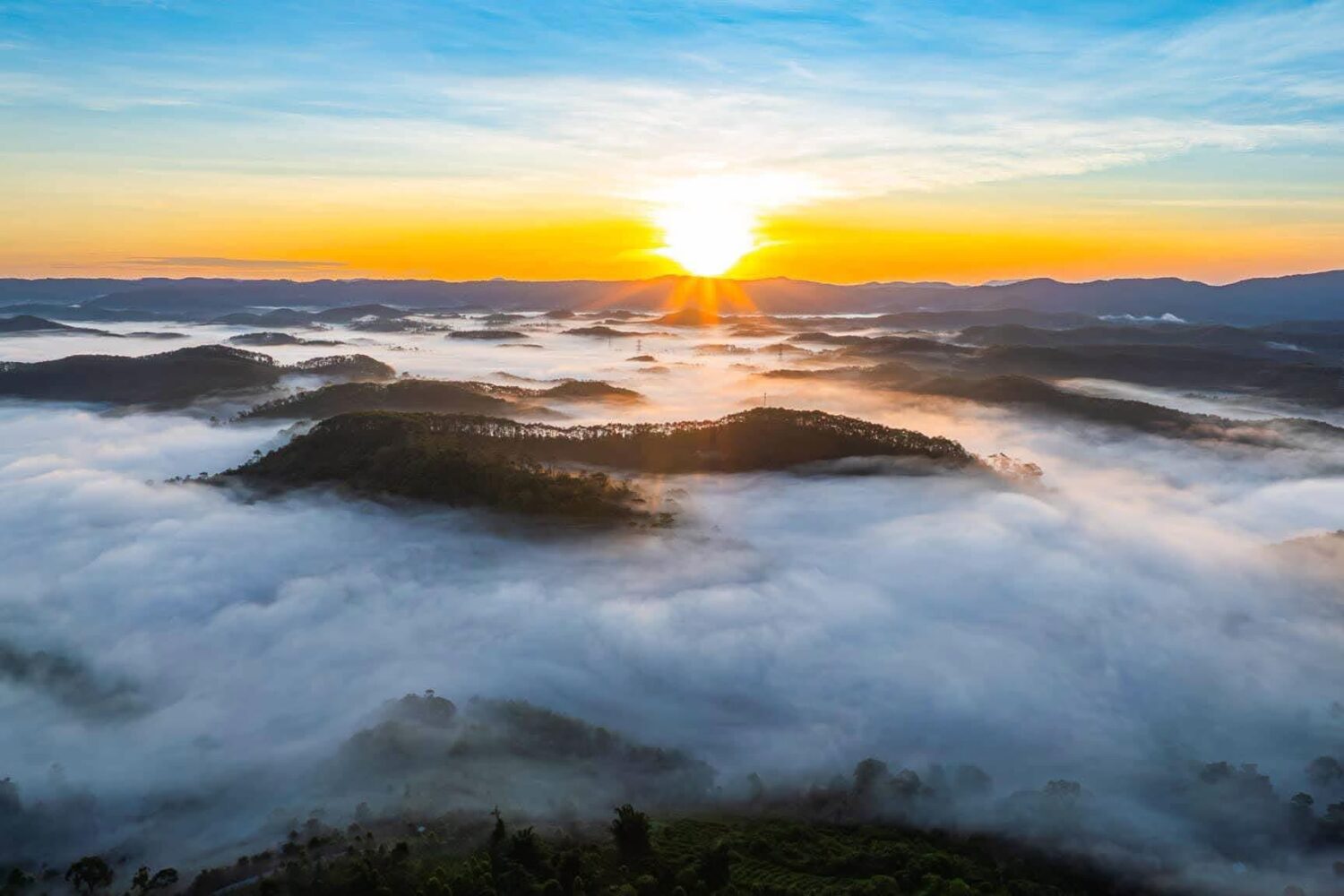
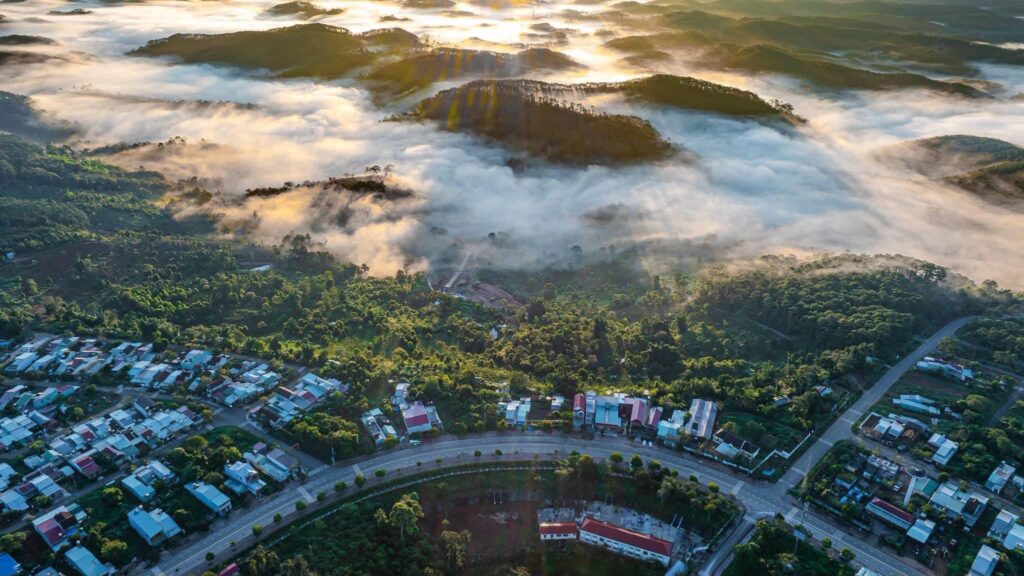
Mang Den is a highland destination located approximately 1,200 meters above sea level in the former Kon Tum region, now part of Quang Ngai Province following Vietnam’s 2025 administrative changes. Its cooler climate and forested landscapes create a striking contrast with Quy Nhon’s tropical coastline.
Travelers come to Mang Den for its peaceful atmosphere, natural attractions and Central Highlands food traditions. Rather than a destination packed with major tourist landmarks, it is best appreciated through slow mornings, short nature walks and time spent enjoying the surrounding scenery.
Quick travel information:
- Starting point: Quy Nhon
- Destination: Mang Den, Quang Ngai Province
- Road distance: Approximately 190–260 km or more, depending on the route
- Driving time: Allow roughly 4–6 hours, potentially longer in poor conditions
- Recommended stay: Two days and one night, or longer
- Transport: Private car, self-drive vehicle or connecting local transport
- Main attractions: Dak Ke Lake, Pa Sy Waterfall, pine forests and local villages
- Best for: Couples, nature lovers, photographers and slow travelers
The driving distance varies significantly between mountain routes and longer highway alternatives. Check current navigation and road conditions before deciding which route to take.
Is Mang Den Worth Visiting from Quy Nhon?
Yes, particularly if you enjoy contrasting landscapes within the same Vietnam holiday. After several days of beaches, seafood and coastal sightseeing, Mang Den introduces a different atmosphere, with fresh mountain air, forest roads and a slower rhythm of life.
The journey itself can also be part of the experience. As the road climbs toward the highlands, coastal scenery gives way to hills, agricultural areas and wooded slopes.
However, Mang Den may not suit travelers with very limited time. If you have only two or three days in Quy Nhon, staying longer at the coast is generally more practical. Mang Den becomes more rewarding when you can spend at least one night there.
Best Things to Do in Mang Den
1. Dak Ke Lake – Best for a Peaceful Morning
Location: Central Mang Den area | Best for: Couples, photography and relaxing walks
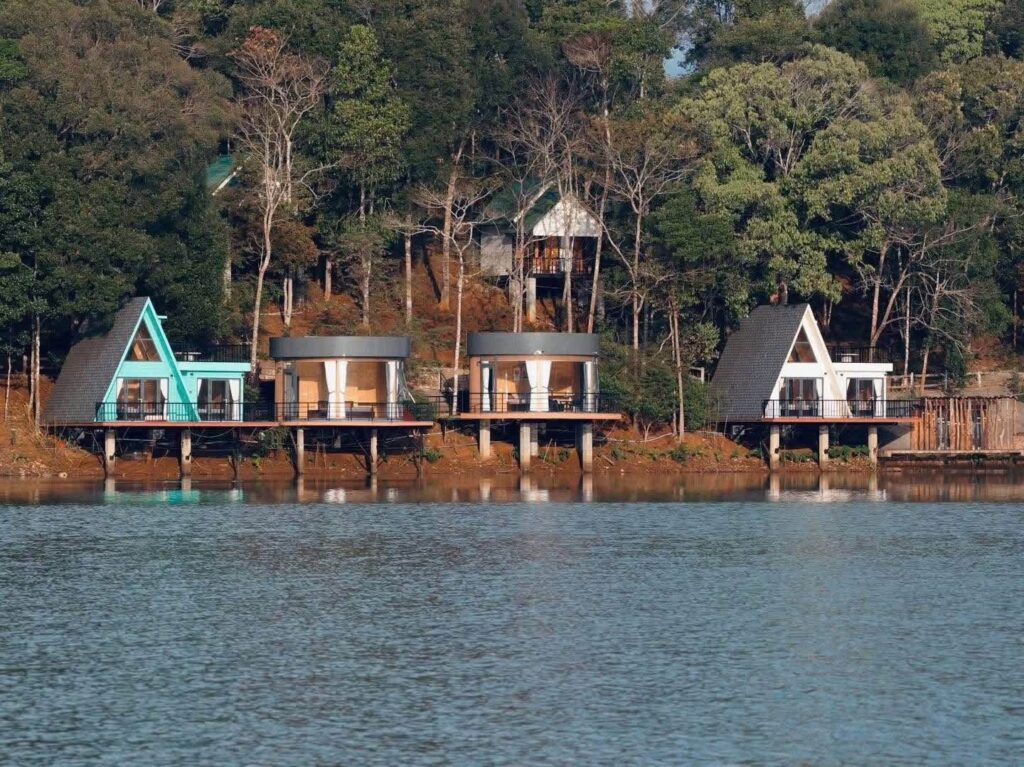
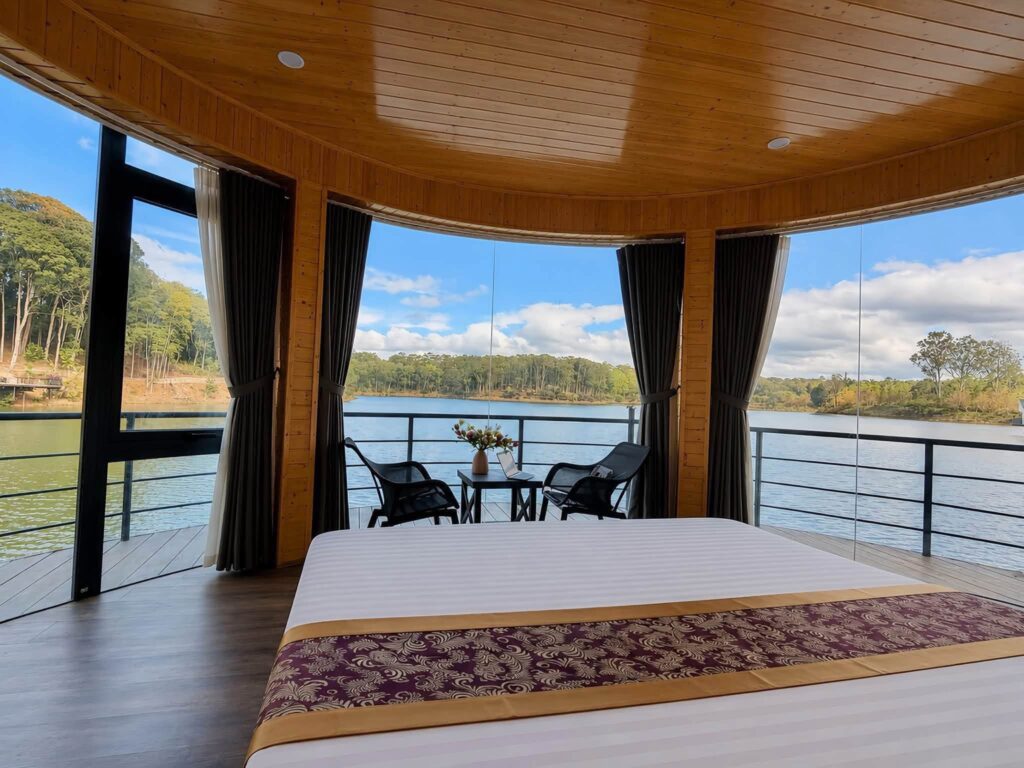
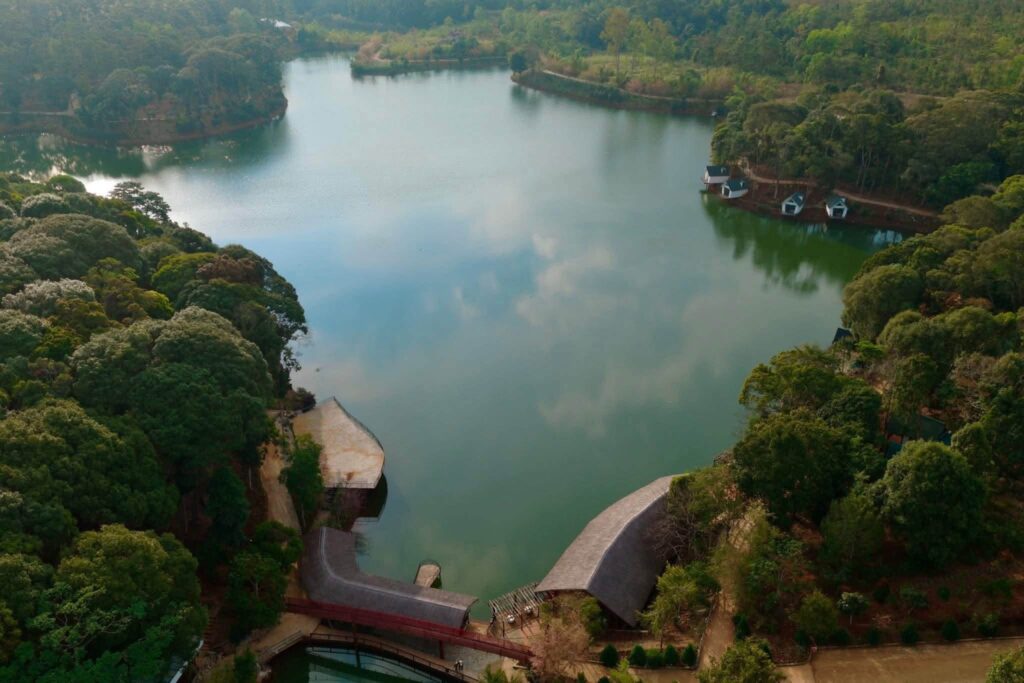
Dak Ke Lake is one of Mang Den’s most recognizable natural attractions. Surrounded by greenery and gentle hills, the lake offers a peaceful setting for a morning stroll, with reflections of the trees creating beautiful scenery when the water is calm.
This is a good place to appreciate Mang Den without planning a demanding outdoor adventure. Allow time to walk around accessible sections of the lakeside, enjoy the atmosphere and take photographs. Check the availability of any recreational activities locally, as services may change.
2. Pa Sy Waterfall – Best for Forest Scenery
Location: Mang Den area | Best for: Nature lovers and waterfall photography
Pa Sy Waterfall, also known as Pa Sỹ, is one of the region’s best-known natural attractions. Water descends through a forested landscape, creating a dramatic setting surrounded by dense vegetation and rocky terrain.
The waterfall area experienced storm damage and landslide-related concerns in late 2025, followed by restoration work in 2026. Before adding it to your itinerary, confirm which paths and viewing areas are open. Avoid slippery trails and restricted sections, particularly during heavy rain.
3. Mang Den Pine Forests – Best for Slow Travel
Location: Forested areas around Mang Den | Best for: Scenic drives and photography
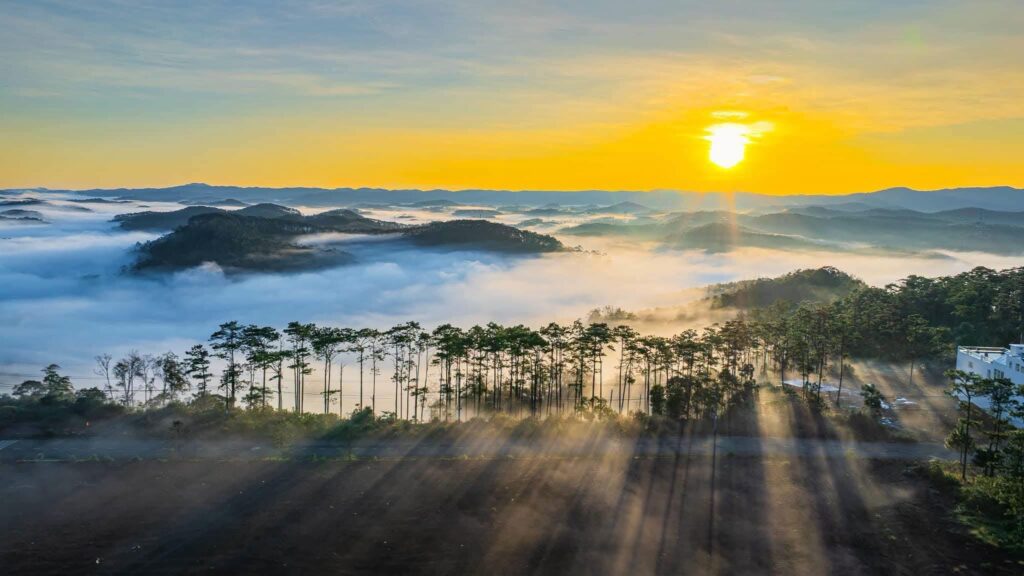
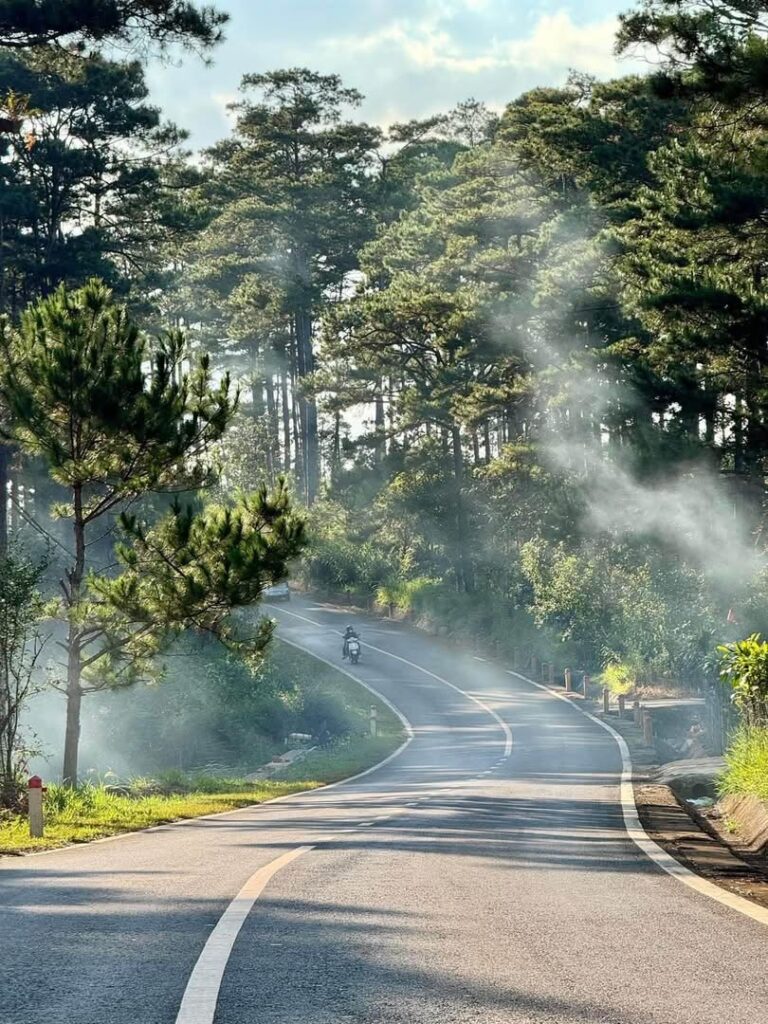
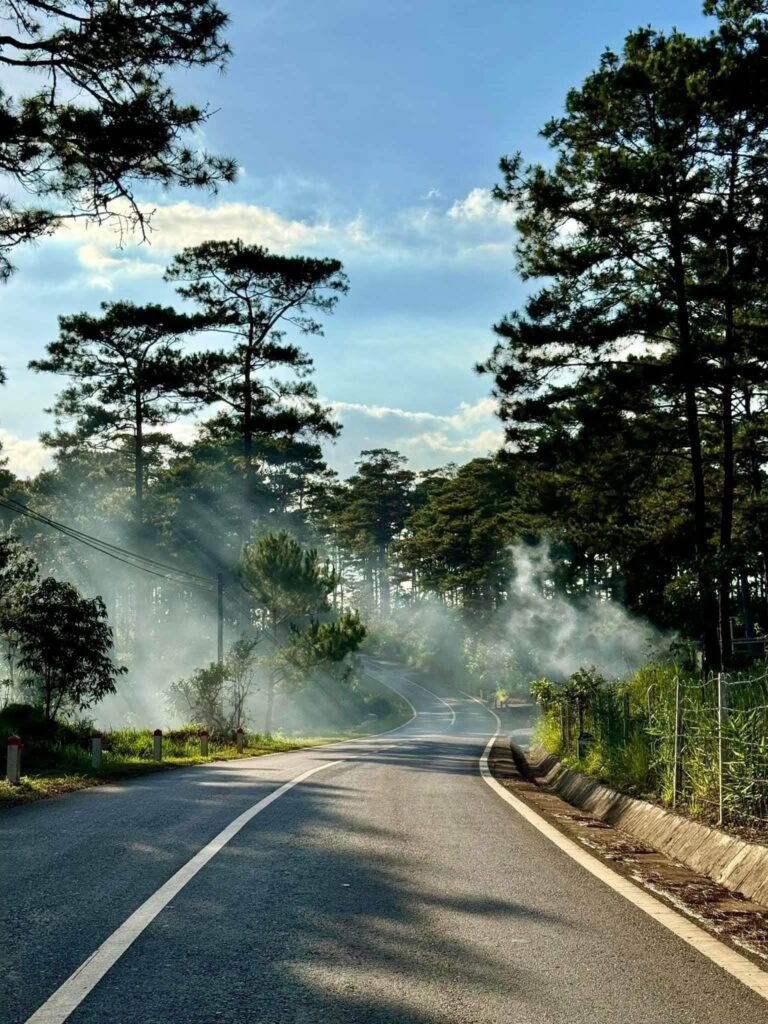
Mang Den’s pine-covered landscape is one of the biggest reasons to visit. Tall trees line sections of the roads, while the cooler highland climate creates an atmosphere quite different from Quy Nhon’s open beaches and seaside promenades.
You don’t need an ambitious trekking route to appreciate the forest. A short walk in an accessible area or a scenic drive can be enough. Avoid entering unfamiliar forest trails without local guidance, particularly when visibility is poor or the ground is wet.
4. Kon Pring Village – Best for Local Culture
Location: Kon Pring area near Mang Den | Best for: Cultural discovery and village life
Kon Pring, also written Kon Bring, is associated with the cultural traditions of the local Mơ Nâm community. Its traditional communal architecture and rural setting provide visitors with an opportunity to learn about a different side of Vietnam’s Central Highlands.
A meaningful visit should focus on understanding local life rather than treating the village as a photography backdrop. Respect private homes, ask permission before taking photographs and check whether any guided cultural experiences are available through the community.
5. Khanh Lam Pagoda – Best for a Quiet Cultural Stop
Location: Mang Den | Best for: Religious architecture and peaceful surroundings
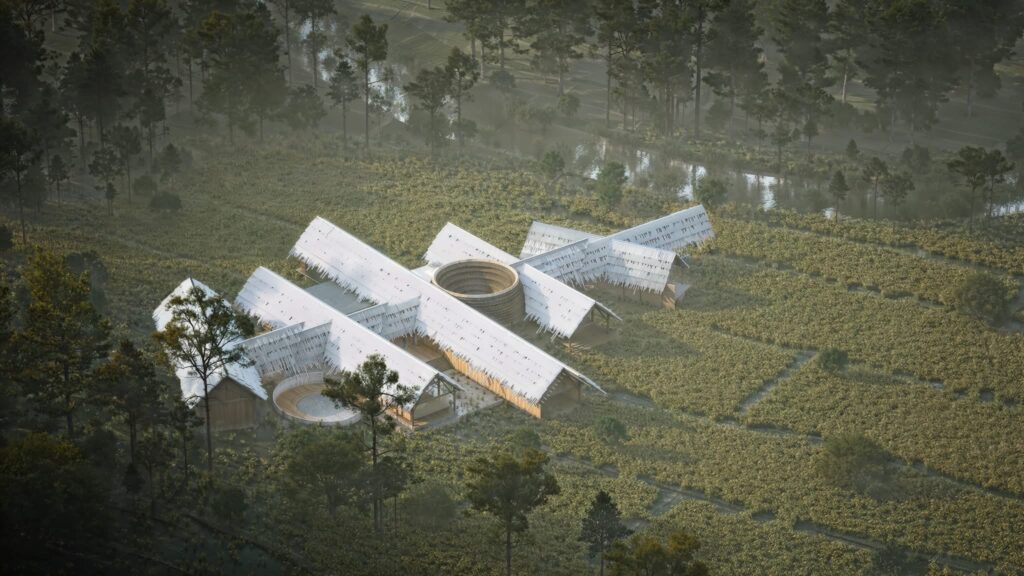
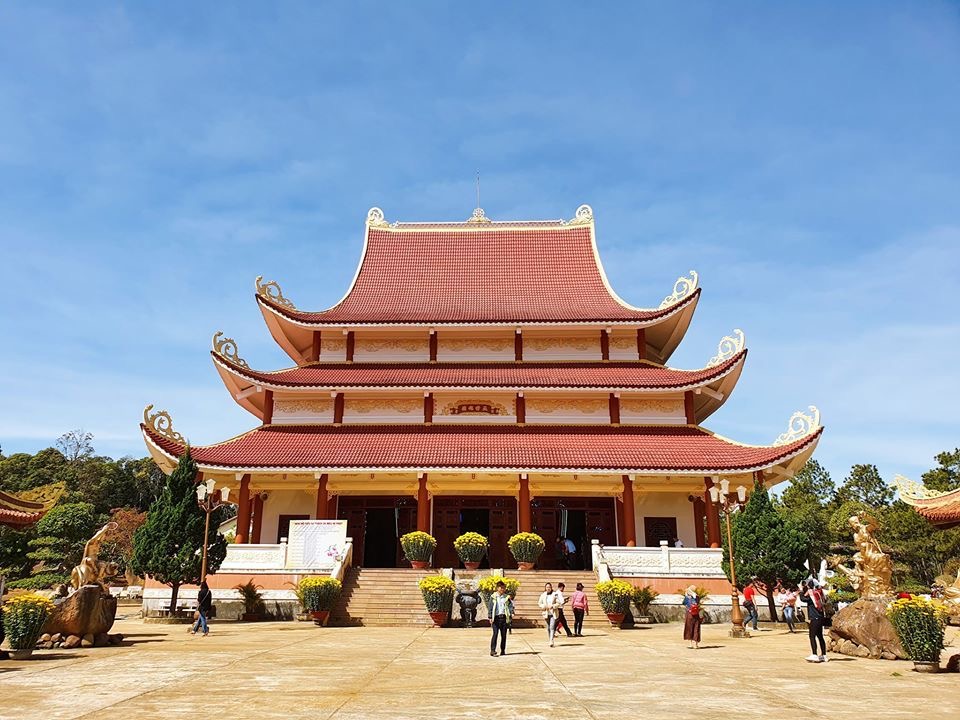
Khanh Lam Pagoda stands in a forested hillside setting, combining Buddhist architecture with the natural scenery of Mang Den. Reaching the pagoda involves climbing a substantial number of steps, which makes the visit especially appealing to travelers comfortable with walking uphill.
The quiet atmosphere offers a different experience from lakes and waterfalls, particularly for visitors interested in local spiritual traditions. Wear respectful clothing and allow extra time if you prefer to climb at a relaxed pace.
How to Get from Quy Nhon to Mang Den
By Private Car – Best for Comfort
A private car is one of the most convenient options for international travelers, especially couples and families carrying luggage. It allows you to travel directly from your accommodation in Quy Nhon to your hotel in Mang Den without coordinating several local transfers.
Route options include mountain roads through inland areas or longer routes connecting with National Highway 24. The best choice depends on current road conditions, travel time and passenger comfort. Ask your driver to confirm the route, rest stops, luggage capacity and complete transfer price before departure.
By Self-Drive Car or Motorbike – Best for Experienced Travelers
Traveling independently offers flexibility to stop for scenery and explore at your own pace. However, the route requires mountain driving, with steep sections, winding roads and potentially reduced visibility during rain or fog.
A car is generally more comfortable than a motorbike for this distance. Motorbike travel is best reserved for experienced riders with a valid licence, appropriate insurance and sufficient time. Avoid scheduling long mountain sections after dark.
By Bus – Best for Flexible Budget Travelers
Public transport may be possible through connecting services, but the route is less straightforward than traveling between major cities. Some journeys involve transfers through inland transport hubs before reaching Mang Den.
Schedules and connection points can change, so confirm the entire route before purchasing tickets. If you have limited time or large luggage, a private transfer may be more convenient despite the higher cost.
Suggested Quy Nhon to Mang Den 2-Day Itinerary
A two-day trip provides enough time to experience the highlands without turning the entire journey into a rushed drive.
| Time | Suggested activity |
| Day 1 – Morning | Depart Quy Nhon and travel toward Mang Den |
| Day 1 – Afternoon | Check in, enjoy lunch and explore Dak Ke Lake |
| Day 1 – Evening | Try local highland dishes and relax at your accommodation |
| Day 2 – Morning | Explore accessible forest scenery and visit Kon Pring Village |
| Day 2 – Late morning | Optional Pa Sy Waterfall or Khanh Lam Pagoda visit |
| Day 2 – Afternoon | Return to Quy Nhon or continue your Central Highlands journey |
This is a flexible travel plan rather than a fixed tour schedule. Choose only one main attraction on the second morning if you intend to drive back to Quy Nhon that afternoon. A third day is preferable if you want more time for nature walks and cultural experiences.
What to Eat in Mang Den
Mang Den’s food offers another contrast with Quy Nhon’s seafood-focused cuisine. One of the best-known local combinations is gà nướng cơm lam, featuring seasoned grilled chicken served with sticky rice cooked inside bamboo tubes.
Other dishes may include grilled pork, fresh highland vegetables and regional preparations influenced by Central Highlands culinary traditions. Choose established local restaurants, ask about ingredients if you have dietary restrictions and try to enjoy a leisurely meal rather than rushing between attractions.

When Is the Best Time to Visit Mang Den?
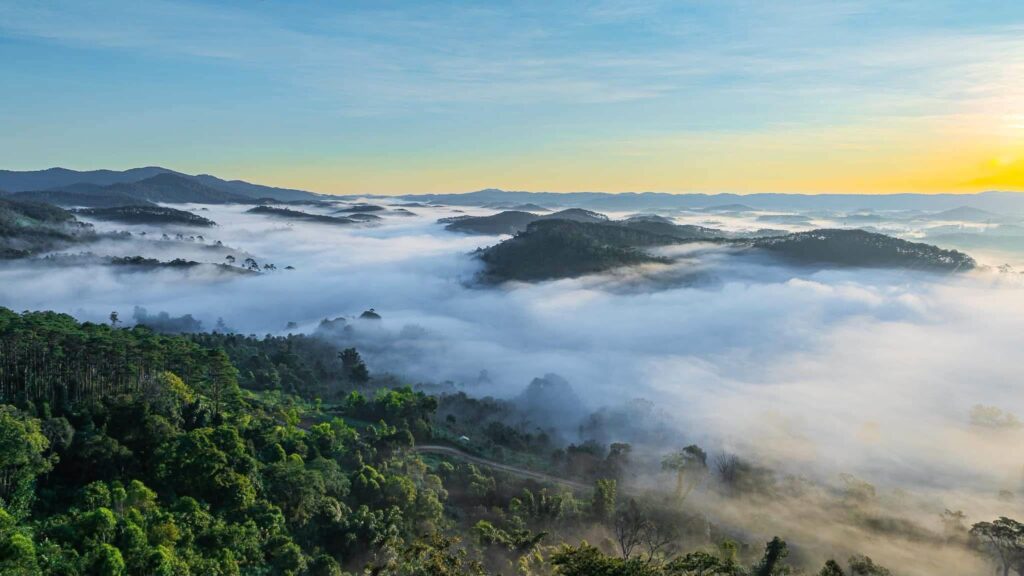
Mang Den’s elevated location means temperatures are generally cooler than in Quy Nhon, particularly in the morning and evening. The drier part of the year is often preferable for sightseeing, walking and mountain travel, while rainy periods can bring mist, muddy paths and reduced visibility.
Mist can be beautiful for photography, but it should never be treated as a guarantee of clear mountain views. If your itinerary includes waterfalls or forest paths, check local weather alerts and accessibility before setting out.
Explore Quy Nhon and Beyond with THICHTOURS
Combining Quy Nhon’s beaches with the Central Highlands can create a varied Vietnam itinerary, but the journey requires careful planning. THICHTOURS offers cultural and local experiences in the Quy Nhon region, helping international travelers discover more than the area’s famous coastline. If you’re considering adding Mang Den to your holiday, contact the team about suitable Quy Nhon experiences and ask whether any onward travel arrangements can be discussed separately, subject to service availability.
Practical Tips Before Traveling
- Stay overnight: A same-day return leaves too little time to enjoy the destination comfortably.
- Check the exact route: Driving distances vary significantly between available roads.
- Pack warmer clothing: Highland mornings and evenings can feel cool after Quy Nhon’s beaches.
- Prepare for rain: Bring a light jacket and footwear suitable for damp paths.
- Check waterfall access: Confirm current restrictions before visiting Pa Sy.
- Arrange transport early: Do not assume local connections or return taxis will always be available.
- Travel in daylight: Mountain roads require extra care during fog and heavy rain.
Local tip: If you’re planning a longer Vietnam journey, consider continuing from Mang Den toward other Central Highlands destinations instead of returning immediately to Quy Nhon. This can make the travel time more worthwhile.
Frequently Asked Questions
1. How far is Mang Den from Quy Nhon? The distance varies by route, with published estimates ranging from approximately 190 km to more than 250 km. Confirm the actual driving route before departure.
2. How long does it take to travel from Quy Nhon to Mang Den? Allow roughly 4–6 hours by car as a planning estimate, potentially longer if you choose a different route or encounter difficult weather and road conditions.
3. Can I visit Mang Den on a day trip from Quy Nhon? A same-day return is technically possible, but it is not recommended for relaxed sightseeing. Spending at least one night in Mang Den is a better option.
4. Is Mang Den cooler than Quy Nhon? Yes, generally. Mang Den is situated around 1,200 meters above sea level, giving it a cooler highland climate compared with Quy Nhon’s coastal conditions.
5. What are the best places to visit in Mang Den? Popular attractions include Dak Ke Lake, Pa Sy Waterfall, the pine forests, Khanh Lam Pagoda and Kon Pring Village. Check current access conditions before visiting.
6. Is Mang Den suitable for families? Yes, particularly families who enjoy nature and relaxed sightseeing. However, long road journeys and steep paths may be tiring for young children or older travelers.
7. Is Mang Den worth visiting if I have only three days in Quy Nhon? Probably not unless the highlands are a major priority. With only three days, you may enjoy a more balanced trip by exploring Quy Nhon’s beaches, food and local heritage instead.
Is Mang Den Worth Adding to Your Quy Nhon Itinerary?
A Quy Nhon to Mang Den journey is worth considering if you want to experience both Vietnam’s coast and its highlands in one holiday. The combination of tropical beaches, cooler forest scenery, local food and peaceful mountain landscapes offers two very different perspectives on Central Vietnam.
However, the journey requires time and careful planning. For travelers with a flexible schedule, spending two or three days in Mang Den can be a rewarding addition. If your time in Quy Nhon is limited, explore the coastline first and save the mountain escape for a longer trip.