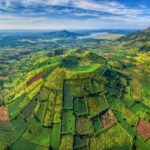
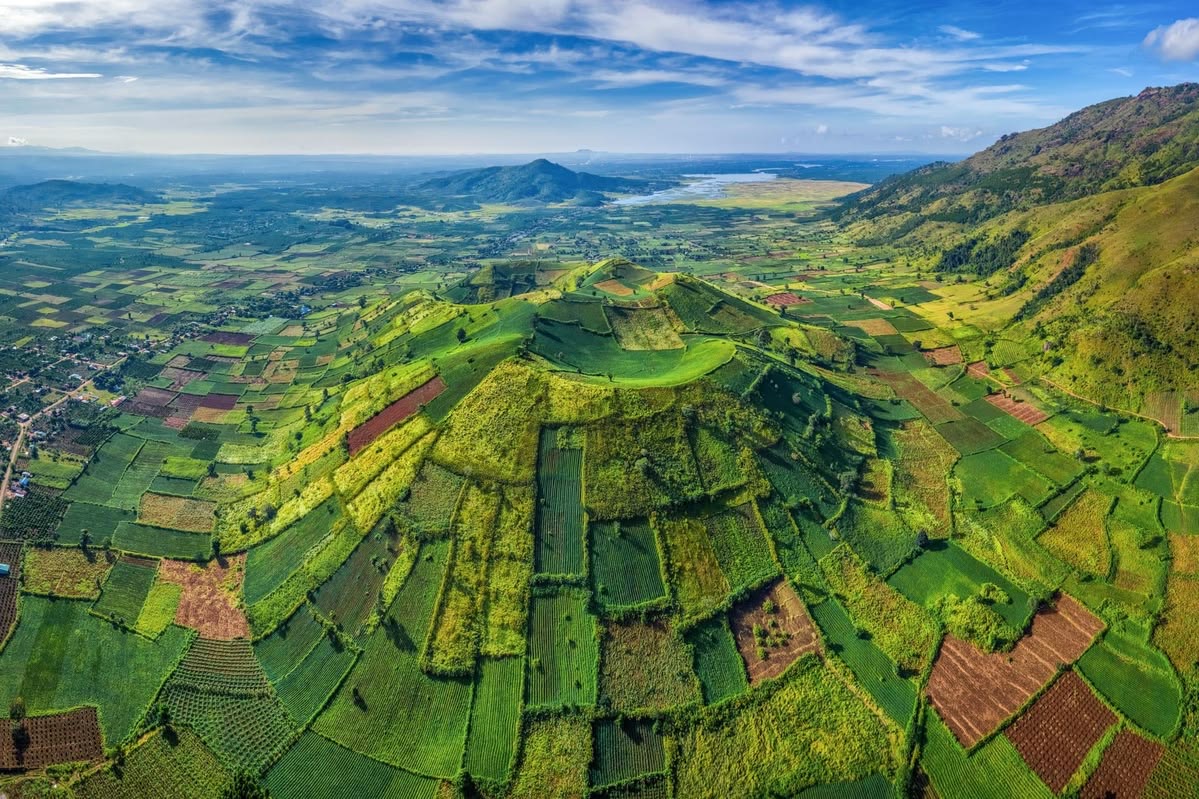
Wondering how to travel from Quy Nhon to Pleiku while discovering more of Central Vietnam along the way? The journey covers roughly 170–180 km by road and generally takes around 3.5–4 hours without sightseeing stops. Following National Highway 19, travelers leave Quy Nhon’s coastal plains, cross winding mountain passes and arrive in the cooler landscapes of Vietnam’s Central Highlands.
But this route is more than a transfer between two cities. Along the way, you can explore the history of the Tay Son uprising, discover highland communities and experience a remarkable change in landscape and local culture. Whether you’re traveling by private car, bus or motorbike, this guide explains the route, the best cultural stops and how to plan a journey without rushing.
How Far Is Pleiku from Quy Nhon?
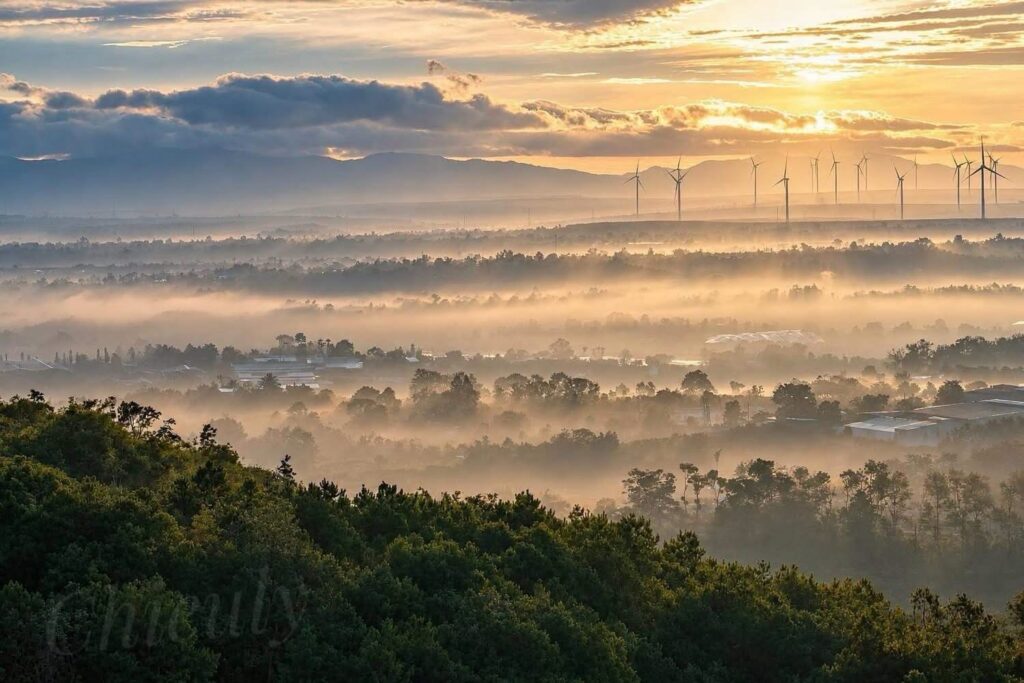
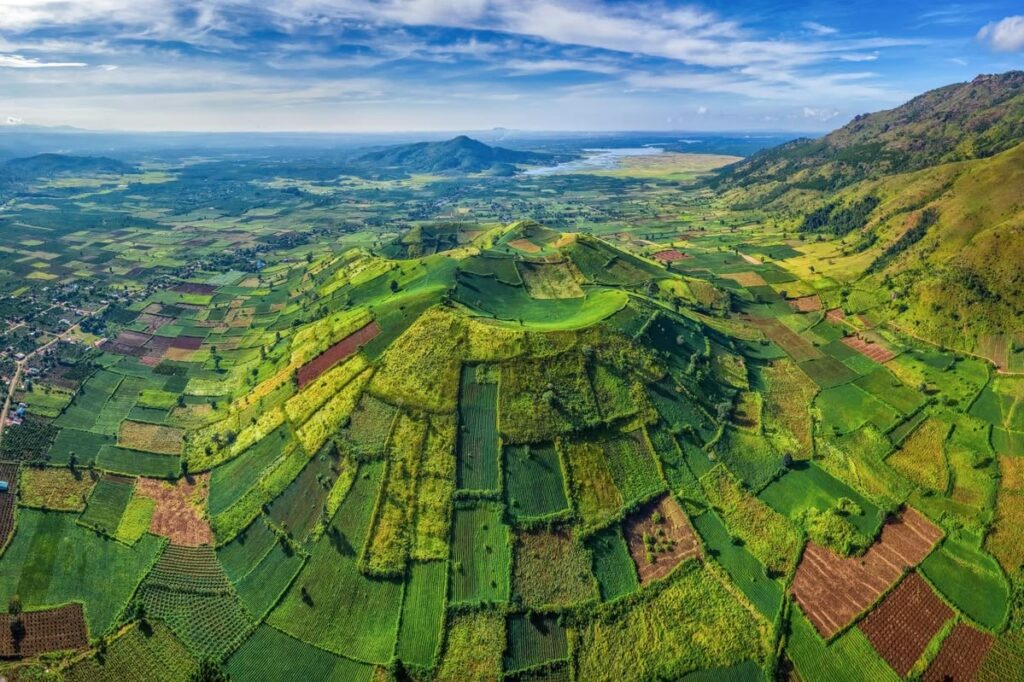
Pleiku lies west of Quy Nhon, connected by National Highway 19 through the Tay Son, An Khe and Mang Yang areas. The route climbs from the coastal lowlands into the Central Highlands, passing agricultural valleys, mountain scenery and communities with different cultural traditions.
Quick travel information:
- Distance: Approximately 170–180 km by road, depending on the route
- Direct driving time: Around 3.5–4 hours
- Recommended duration with cultural stops: One full day
- Main road: National Highway 19
- Transport options: Private car, bus or motorbike
- Suggested stops: Quang Trung Museum, Tay Son Thuong Dao heritage sites and a prearranged Bahnar village visit
- Best for: History lovers, photographers and travelers exploring Central Vietnam
- Recommended arrival: Late afternoon, with an overnight stay in Pleiku
Although the two destinations now belong to the same province of Gia Lai, they remain geographically and culturally distinct. Quy Nhon offers coastal scenery and Cham heritage, while Pleiku is known for highland landscapes, coffee culture and the traditions of Bahnar and Jrai communities.
Best Ways to Travel from Quy Nhon to Pleiku
1. By Private Car – Best for Cultural Sightseeing
A private car with a driver is the most convenient option for travelers who want to visit attractions along the way. You can leave directly from your hotel in Quy Nhon, stop at historical sites and continue toward Pleiku without arranging separate transportation for each destination.
This option is particularly suitable for couples, families and international visitors unfamiliar with mountain roads. Before booking, confirm the proposed route, sightseeing time, entrance fees and whether the vehicle is reserved for the entire journey. A direct transfer and a full-day cultural road trip should not be assumed to cost the same.
2. By Bus – Best for Budget-Conscious Travelers
Traveling by bus can be a practical choice if your main goal is reaching Pleiku. Local transport services operate along the Quy Nhon–Pleiku corridor, although departure points, schedules and vehicle types may change.
The main disadvantage is limited flexibility. A bus will not normally stop at Quang Trung Museum or smaller heritage attractions for sightseeing, making it better suited to travelers who plan to explore Pleiku after arrival. Confirm the operator, pickup location, luggage policy and drop-off point before purchasing tickets.
3. By Motorbike – Best for Experienced Riders
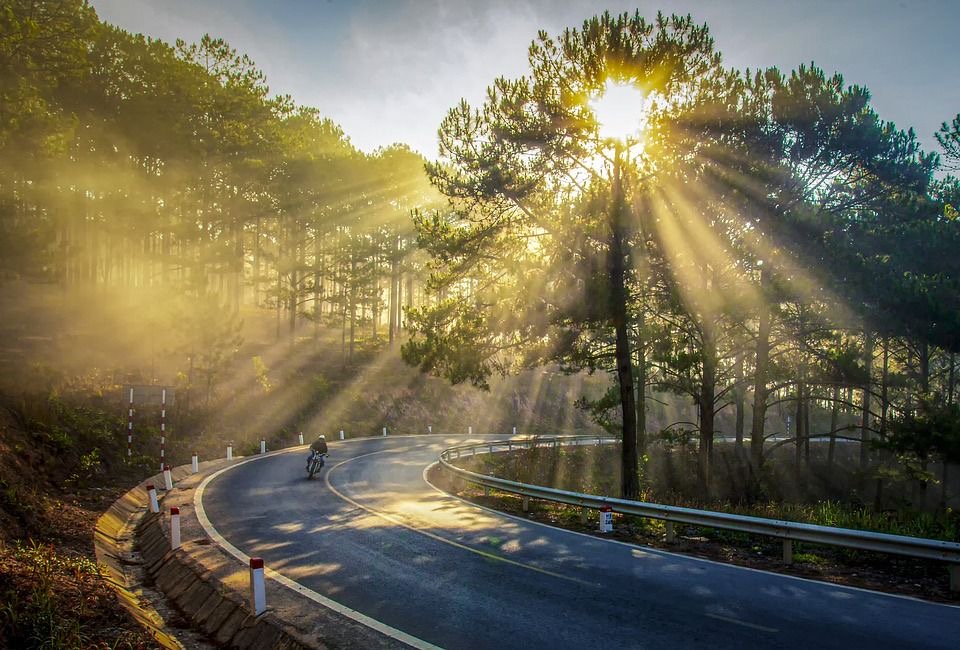
For experienced motorbike travelers, the Quy Nhon–Pleiku route offers memorable changes in scenery, particularly around An Khe Pass and Mang Yang Pass. Riding independently allows you to take breaks and appreciate the transition from the coastal plains to the highlands.
However, National Highway 19 carries trucks and other commercial traffic, while mountain sections include bends, gradients and areas with limited visibility. This option is suitable only for riders with the required licence, valid insurance and experience on mountain roads. Avoid attempting the journey in heavy rain or after dark.
Best Cultural Stops Between Quy Nhon and Pleiku
1. Quang Trung Museum – Best for Understanding the Tay Son Dynasty
Location: Tay Son area | Best for: Vietnamese history and traditional martial arts
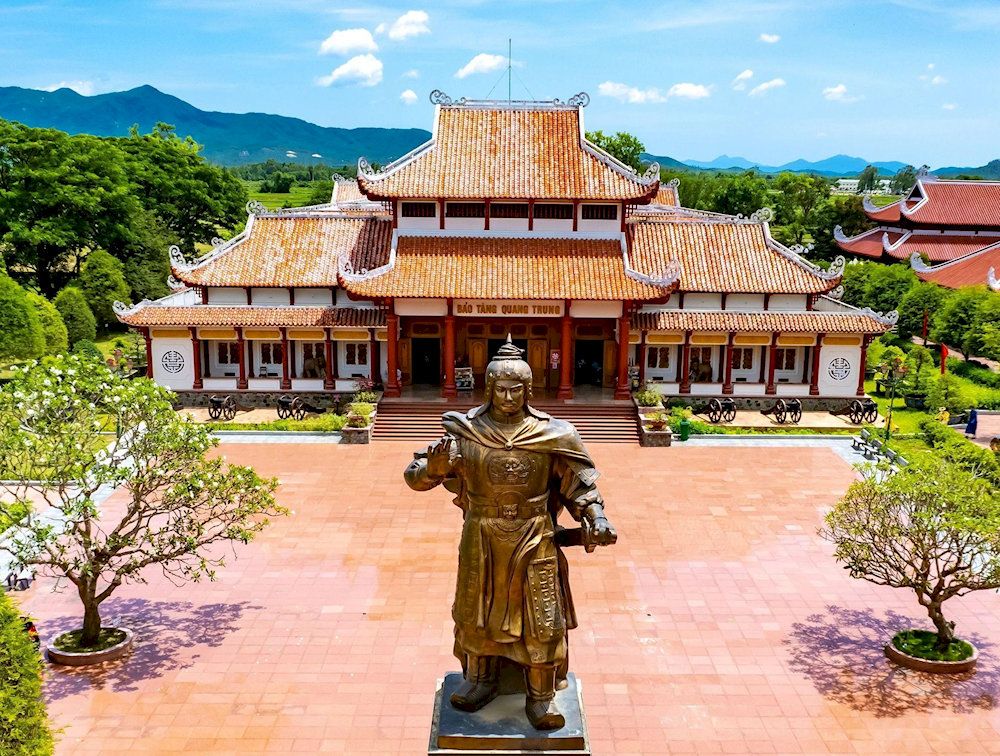
Quang Trung Museum is one of the most meaningful cultural stops along the route. Located around 45 km northwest of Quy Nhon, the museum introduces the Tay Son movement and Emperor Quang Trung, whose military campaigns and reforms played an important role in Vietnamese history during the late 18th century.
Visitors can explore historical exhibitions, artifacts and stories connected to the uprising. The museum is also associated with traditional Tay Son martial arts and battle-drum performances, although demonstrations may require advance arrangements. Allow approximately 60–90 minutes, especially if you want time to understand the historical background rather than simply view the exhibits.
2. Tay Son Thuong Dao Heritage – Best for Revolutionary History
Location: An Khe area | Best for: Historical landmarks and cultural discovery
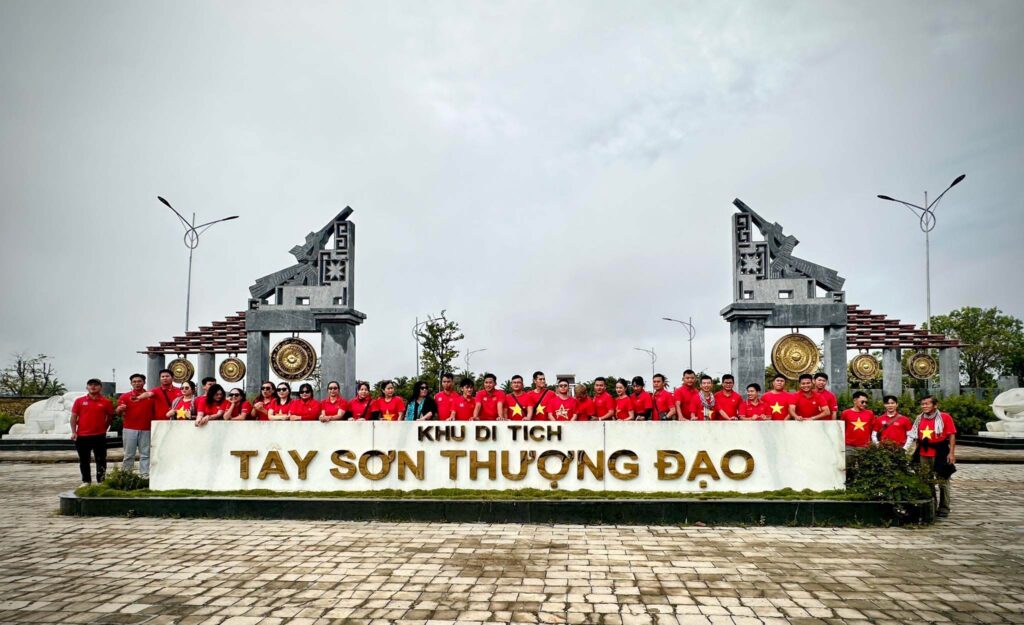
The Tay Son Thuong Dao heritage complex is associated with the highland origins and early activities of the Tay Son uprising. Its historical sites around An Khe preserve connections to the movement’s development and the relationship between the coastal lowlands and highland communities.
An Khe Dinh and related monuments provide a useful continuation after Quang Trung Museum. Instead of viewing the uprising as an isolated historical event, travelers can begin to understand how geography, trade routes and local relationships influenced the movement. Check current access and select one accessible monument rather than attempting to visit the entire heritage complex.
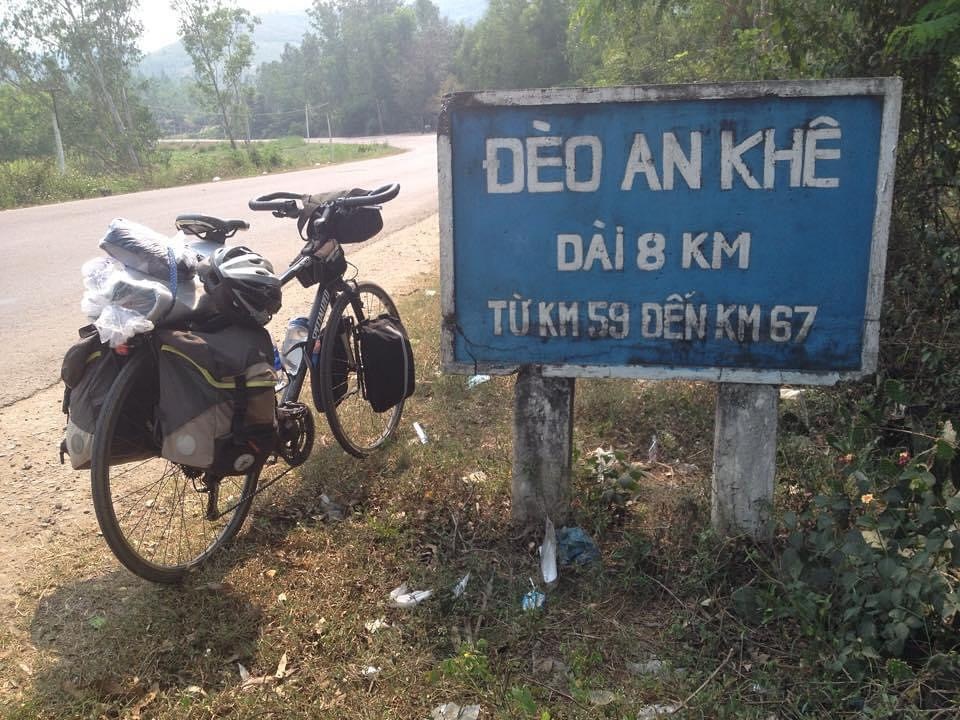
3. An Khe Pass – Best for Mountain Scenery
Location: National Highway 19 | Best for: Landscape photography and scenic driving
An Khe Pass marks one of the most dramatic transitions along the journey. As the road climbs, the coastal plains give way to forested slopes, mountain valleys and a noticeably different landscape. Historically, this pass formed an important connection between Central Vietnam’s lowlands and the highlands.
The pass is best appreciated during the drive rather than as a conventional tourist attraction. If you want photographs, stop only where parking is legally permitted and visibility is clear. Avoid roadside stopping on narrow bends, particularly when trucks are passing or fog reduces visibility.
4. Bahnar Cultural Villages – Best for Understanding Highland Traditions
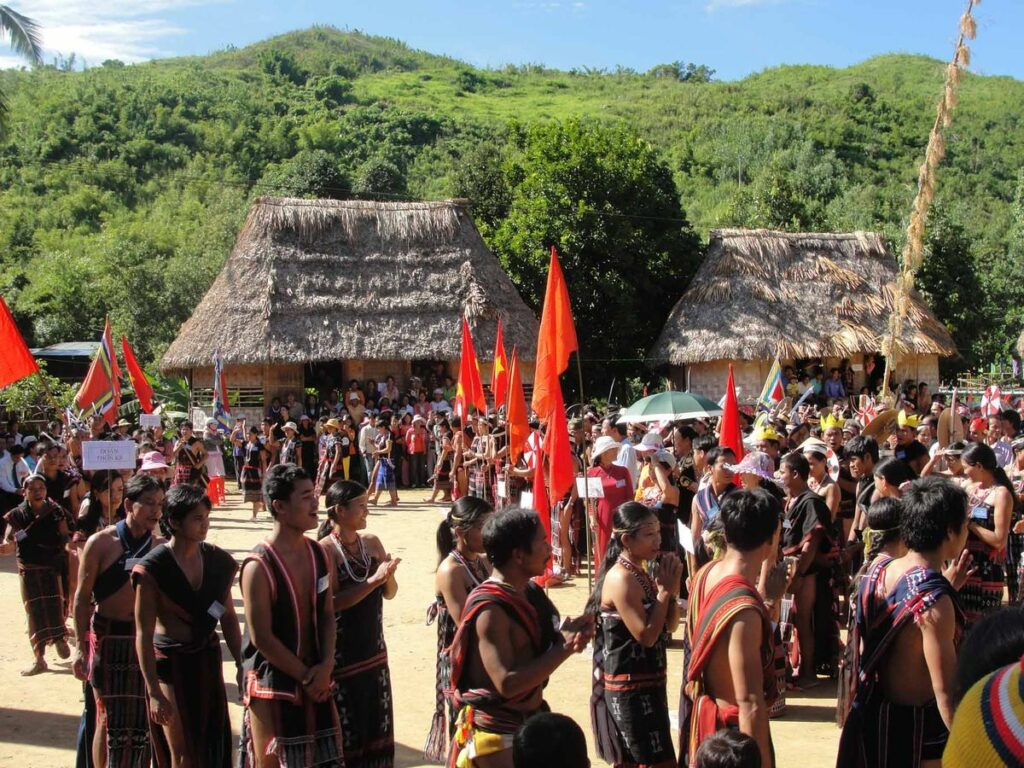
Location: Mang Yang area | Best for: Community culture and traditional architecture
The Mang Yang area is home to Bahnar communities whose cultural traditions differ from those of the coastal villages around Quy Nhon. Traditional nhà rông, or communal houses, are especially distinctive, with tall roofs that rise above surrounding homes. They serve important roles in community meetings, ceremonies and social life.
A village such as De K’Tu can offer cultural context, but visitors should arrange access respectfully rather than assuming every village welcomes unannounced tourism. Community activities, weaving demonstrations or cultural exchanges should only be described as available when local hosts confirm them. A meaningful visit is about listening and learning, not simply photographing people’s homes.
5. Mang Yang Pass – Best for the Final Highland Approach
Location: National Highway 19, near Mang Yang | Best for: Scenic views and a travel break
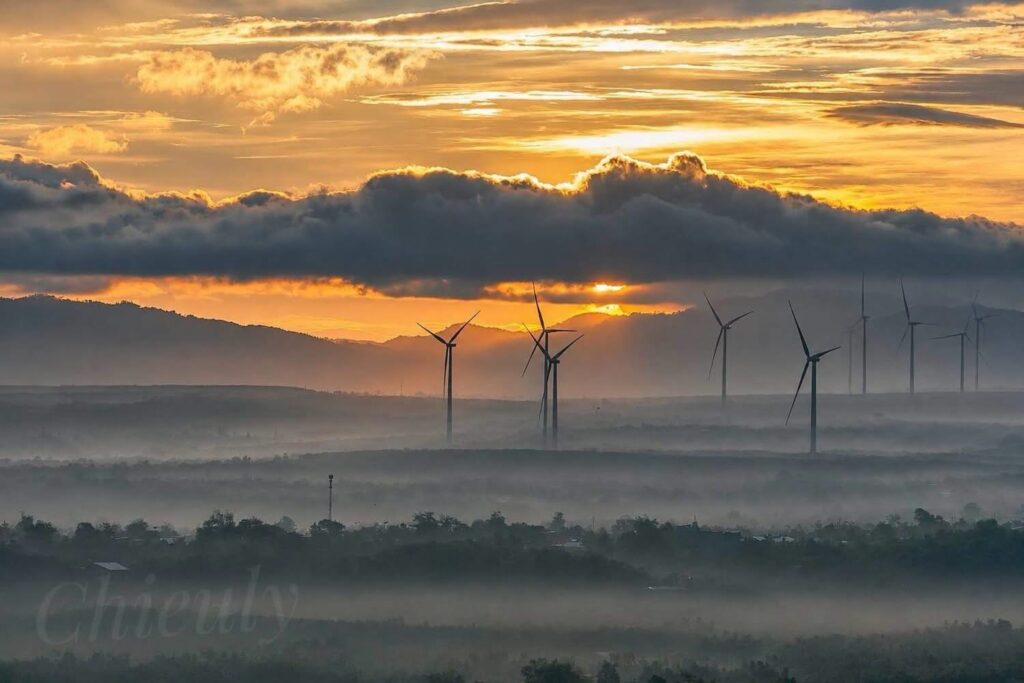
Mang Yang Pass is another significant mountain crossing on the approach to Pleiku. Its winding road and highland scenery show how the landscape changes as you move farther west. Together with An Khe Pass, it explains why the journey takes several hours despite the relatively modest road distance.
This section is particularly memorable when the weather is clear, but it can be challenging during fog or heavy rain. Keep sightseeing stops brief, choose safe designated areas and prioritize an unhurried arrival in Pleiku.
Suggested Quy Nhon to Pleiku Cultural Road Trip
A full-day journey allows time for two major historical attractions and a short additional stop without turning the transfer into an exhausting itinerary.
| Time | Suggested activity |
| 7:30 AM | Depart from your hotel in Quy Nhon |
| 8:30 AM | Visit Quang Trung Museum |
| 10:00 AM | Continue toward An Khe |
| 11:15 AM | Explore an accessible Tay Son Thuong Dao heritage site |
| 12:15 PM | Lunch break in the An Khe area |
| 1:30 PM | Continue through the highland landscape |
| 2:30 PM | Optional prearranged Bahnar community visit |
| 4:30–5:30 PM | Arrive in Pleiku and check in |
The schedule is illustrative, not a confirmed tour program. Actual timing depends on road conditions, museum access, cultural arrangements and the number of stops.
If you want a longer Bahnar cultural experience, consider skipping one historical attraction or spending an additional night in the highlands. The goal should be a rewarding journey, not collecting as many stops as possible.
What to Experience After Arriving in Pleiku
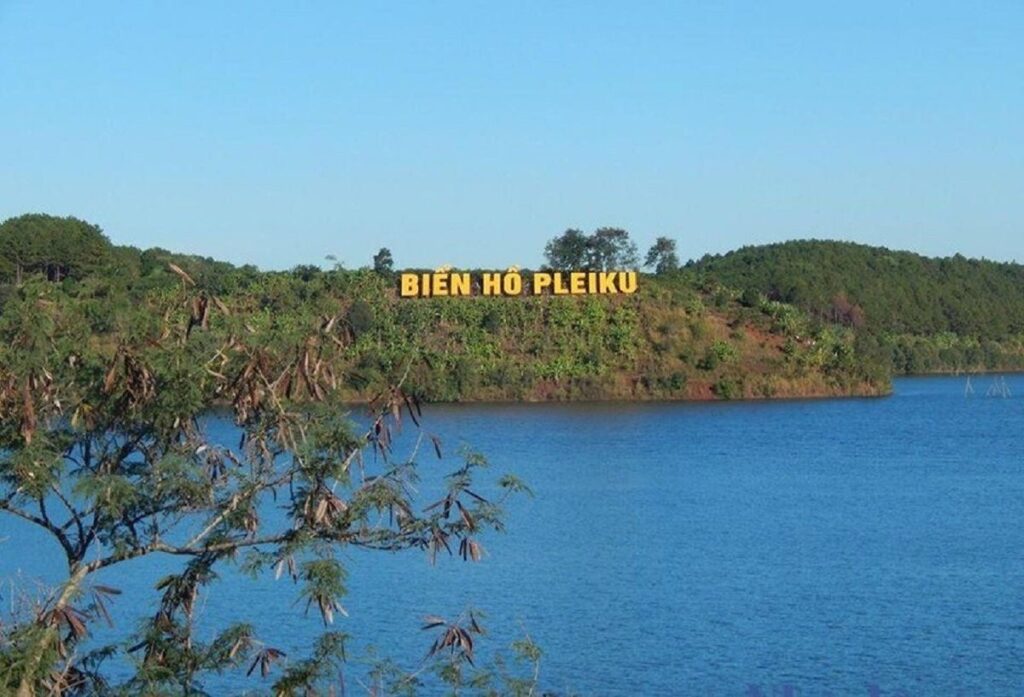
Pleiku offers a different atmosphere from Quy Nhon, with cooler highland scenery and a distinctive food culture. One local specialty worth trying is phở khô Gia Lai, often called two-bowl pho, which features seasoned dry noodles served separately from a bowl of broth.
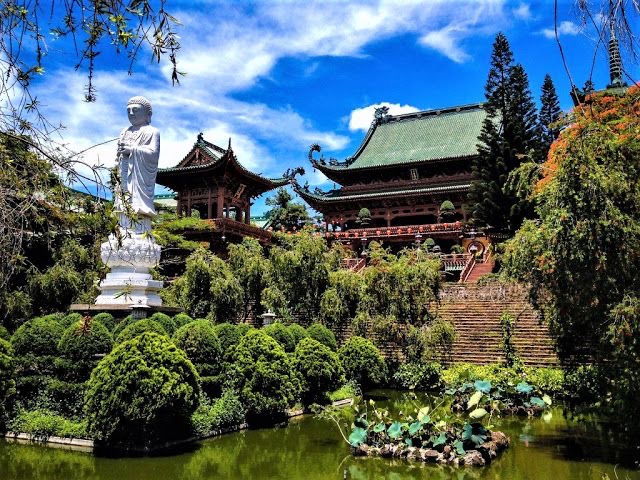
Highland coffee is another highlight, reflecting the importance of coffee cultivation in the wider region. If you have another day, consider visiting T’Nung Lake, Minh Thanh Pagoda or other attractions around Pleiku.
Travelers interested in Bahnar and Jrai heritage may also explore suitable cultural experiences with local hosts. These deserve proper time and preparation rather than being treated as last-minute additions to the transfer day.
Is the Journey Worth Turning into a Cultural Road Trip?
If your schedule is limited, a direct trip from Quy Nhon to Pleiku is perfectly reasonable. You’ll save several hours and have more time to explore Pleiku after checking in.
However, travelers interested in Vietnamese history and regional culture may find a carefully planned road trip much more rewarding. Quang Trung Museum and Tay Son Thuong Dao create a historical connection between the coast and the highlands, while a respectful village visit can introduce the living cultural traditions of the region.
The best approach is to choose two or three meaningful experiences rather than turning every scenic viewpoint into another scheduled stop.
Discover Regional Heritage with THICHTOURS
The journey from Quy Nhon toward Pleiku connects important chapters of Central Vietnam’s history, from the Tay Son movement to the cultural traditions of the Central Highlands. THICHTOURS offers local cultural experiences in the Quy Nhon region for international visitors interested in exploring beyond the beaches. If you’re planning a longer itinerary, contact the team to discuss suitable heritage experiences around Quy Nhon and ask whether any onward travel arrangements can be considered separately, subject to availability.
Practical Tips Before Traveling
- Leave early: Cultural visits will extend the journey beyond a normal transfer.
- Check road conditions: Heavy rain and fog can affect visibility on the mountain passes.
- Choose stops carefully: Two meaningful attractions are often better than five rushed visits.
- Confirm museum access: Performance schedules and visiting arrangements may change.
- Arrange community visits: Respect local hosts and obtain permission before photographing people.
- Bring essentials: Drinking water, snacks, medication and a light jacket are useful.
- Travel in daylight: Allow extra time rather than driving unfamiliar mountain sections after dark.
Local tip: If history is your priority, combine Quang Trung Museum with a Tay Son Thuong Dao site. If you’re more interested in living culture, make arrangements for a Bahnar community visit and keep the rest of the day flexible.
Frequently Asked Questions
1. How far is Pleiku from Quy Nhon? The journey is roughly 170–180 km by road, depending on the chosen route and exact pickup and drop-off locations.
2. How long does it take to drive from Quy Nhon to Pleiku? A direct road journey usually takes around 3.5–4 hours. With cultural stops and lunch, allow most of the day.
3. What is the best way to travel from Quy Nhon to Pleiku? A private car offers the most flexibility for sightseeing. Buses are more suitable for travelers who want a straightforward transfer.
4. What are the best cultural stops between Quy Nhon and Pleiku? Quang Trung Museum and Tay Son Thuong Dao heritage sites are strong historical choices. A prearranged visit to a Bahnar village provides a different cultural perspective.
5. Is the Quy Nhon to Pleiku road safe? National Highway 19 is a major transport route, but mountain passes have sharp bends, gradients and heavy-vehicle traffic. Travel in suitable weather and use an experienced driver.
6. Can I visit Pleiku from Quy Nhon in one day? A same-day return is technically possible but would involve considerable driving. Staying overnight in Pleiku provides more time to appreciate the highlands.
7. Can I visit a Bahnar village without a guide? Some communities may be accessible independently, but a locally arranged visit is preferable when you want to learn about traditions or meet residents. Always respect local access rules and privacy.
Discover the Journey Between Coast and Highlands
Learning how to travel from Quy Nhon to Pleiku opens the door to more than a change of scenery. The route connects coastal traditions, the history of the Tay Son uprising and the cultural landscapes of Vietnam’s Central Highlands.
Whether you travel directly or make time for Quang Trung Museum, An Khe and local highland communities, plan the journey around your interests and available time. A thoughtful route can turn an ordinary transfer into one of the most memorable parts of your Central Vietnam holiday.