Are you looking for a deeply authentic cultural experience at Dam Market Quy Nhon? The story begins just before dawn, around 5:00 AM. While the resort lanes are completely quiet, a hidden corner of the city is bursting with energy. Motorbikes buzz down the streets, carrying baskets of morning goods. You smell chopped scallions, strong Vietnamese coffee, and fresh saltwater fish. You hear the rhythmic sound of cleavers meeting wooden blocks. This is the beating heart of local life.
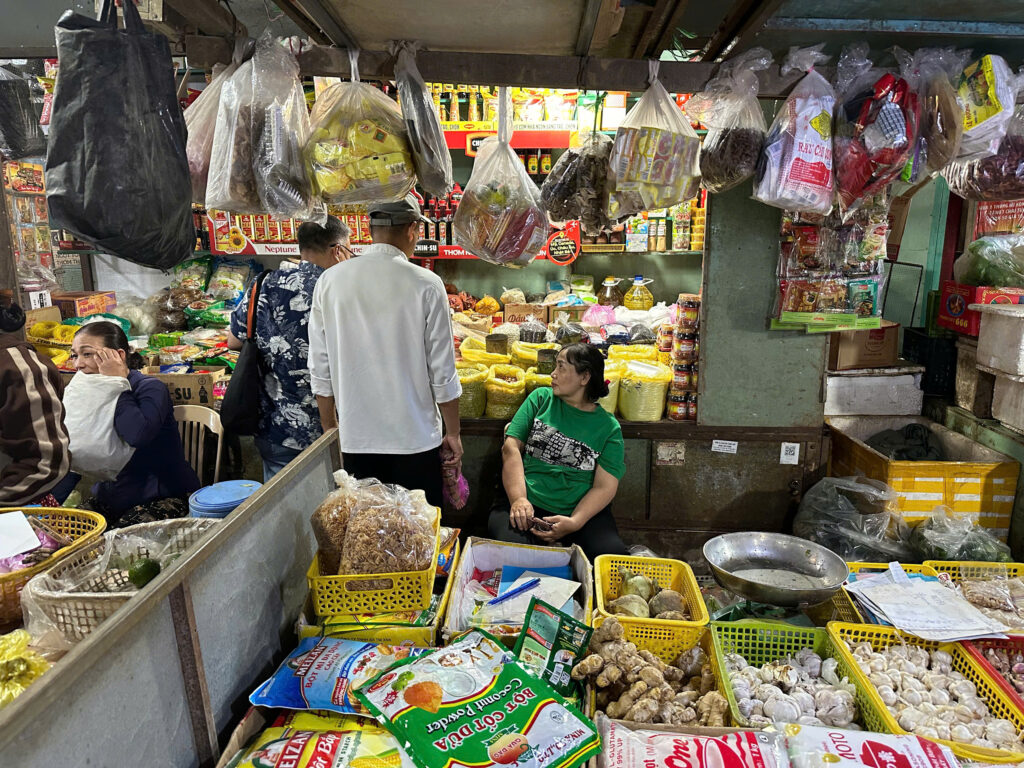
Vibrant local life at Dam Market.
Here at Thichtours, we believe that you travel to learn and learn to travel. To truly understand a new destination, you must leave the tourist beaches behind. You need to step directly into the places where regular people live, eat, and interact. Visiting Dam Market Quy Nhon is not just a sightseeing stop. It is a front-row seat to the beautiful, chaotic rhythm of traditional Vietnamese society. Let’s explore the deep cultural layers of this iconic local hub.
>> Discover Half-day Private Tour in Quy Nhon: QUY NHƠN HERITAGE & LOCAL LIFE TOUR
An Overview of Dam Market Quy Nhon
Before diving into the cultural nuances, let’s map out the basics of this bustling trading center.
- The Location: The market is situated on Pham Hong Thai Street, right in the coastal urban grid of the city. It is highly accessible from any city center hotel.
- The Name: In Vietnamese, “Chợ Đầm” literally translates to “Swamp Market” or “Lagoon Market.” Historically, the trading area sat near low-lying wetlands. These wetlands connected directly to the Thi Nai Lagoon network.
- The Specialization: While you can find everything here, the market is legendary for its seafood. Because of its unique history and location, the finest catches arrive here first. Local fishing boats deliver their goods straight from the sea to the stalls every single morning.
Fresh morning seafood at Dam Market. 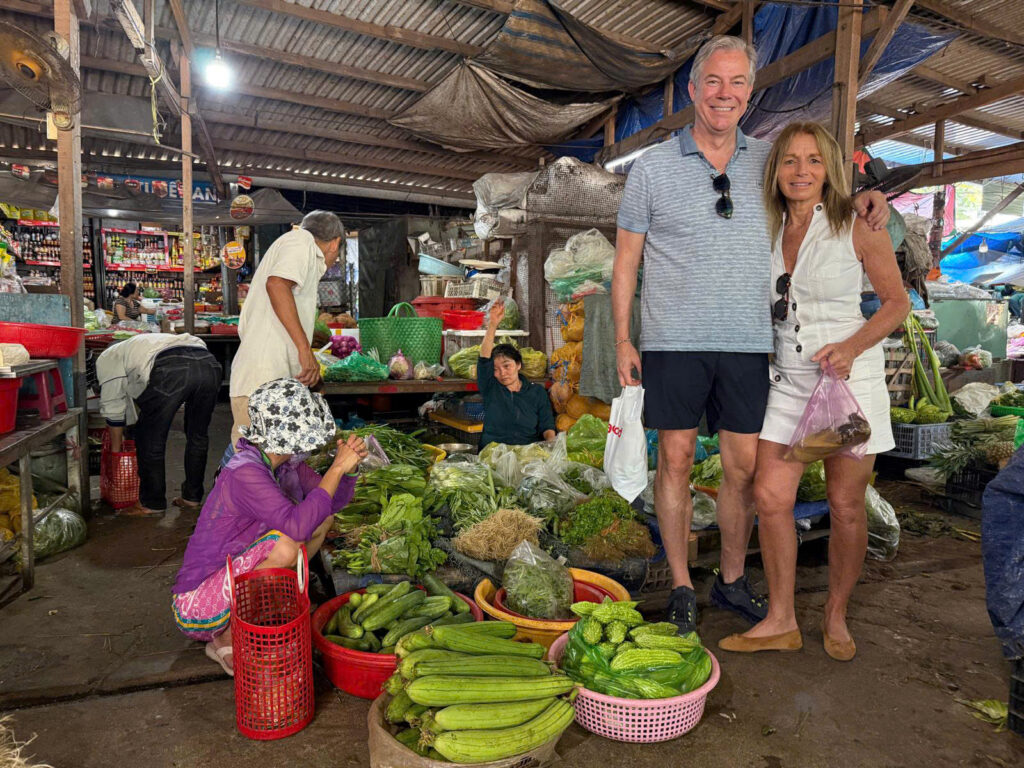
The busy beating heart of Quy Nhon.
The Art of “Đi Chợ”: Understanding Vietnamese Market Culture
For Western travelers, buying food is often a sterile experience. You drive to a supermarket, push a metal cart under neon lights, and scan barcodes. There is rarely any human connection.
In Vietnam, the daily trip to the market—known as “Đi Chợ”—is entirely different. It is a vital daily ritual, an intense social event, and a pillar of the community.
- The Obsession with Freshness: Supermarkets are growing in Vietnam, but the wet market remains king. Why? The answer is a deep cultural obsession with the concept of “tươi” (live or ultra-fresh). To a local home cook, meat butchered six hours ago is already too old. Fish must still be swimming, or at least glistening with saltwater brightness.
- A Daily Routine: Most local families do not buy groceries for the entire week. They go to the market every single morning. They buy exactly what they need for that specific day’s lunch and dinner. This practice guarantees maximum flavor and prevents food waste.
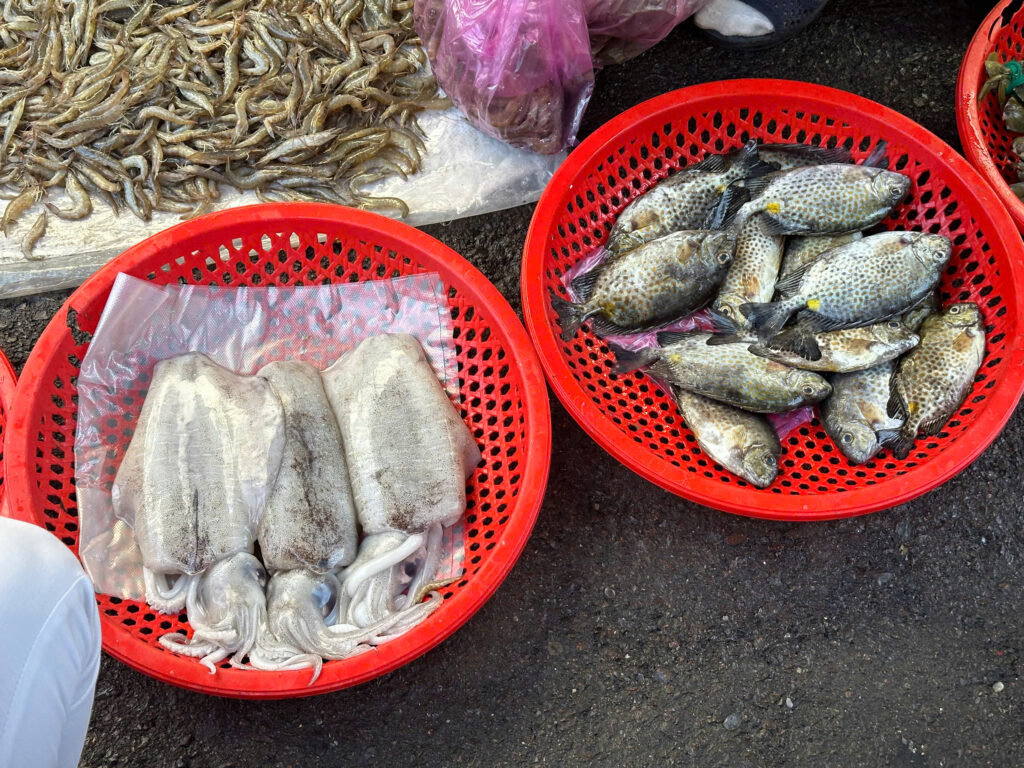
Dive into authentic wet market vibes 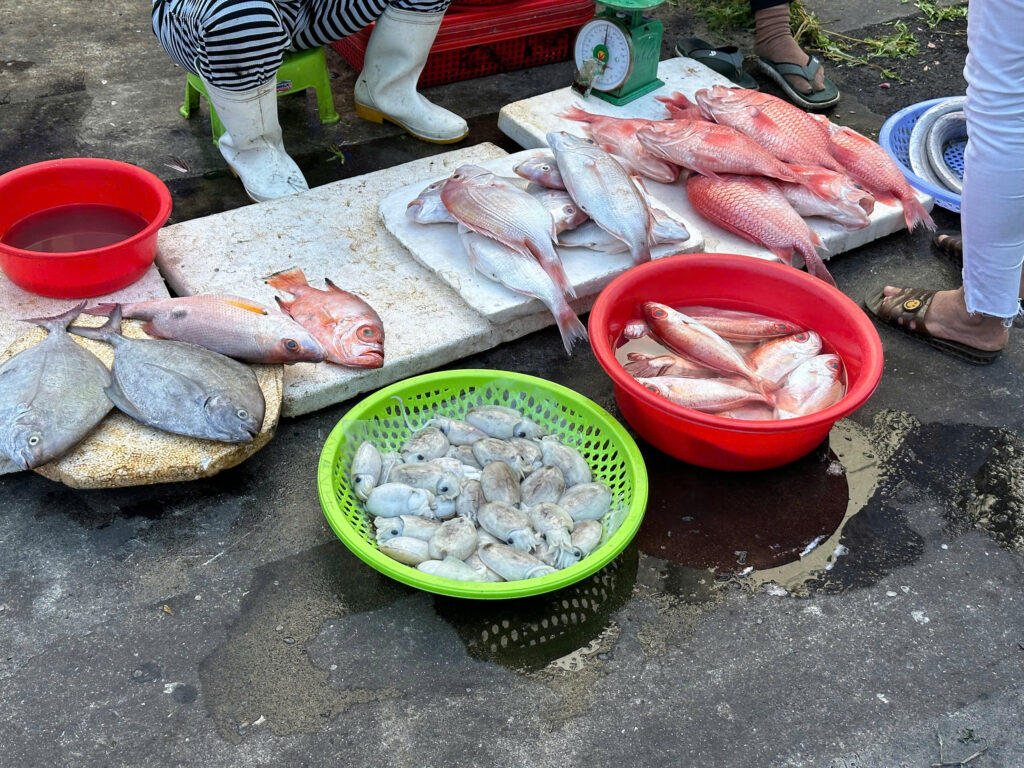
Fresh seafood daily at Dam Market. 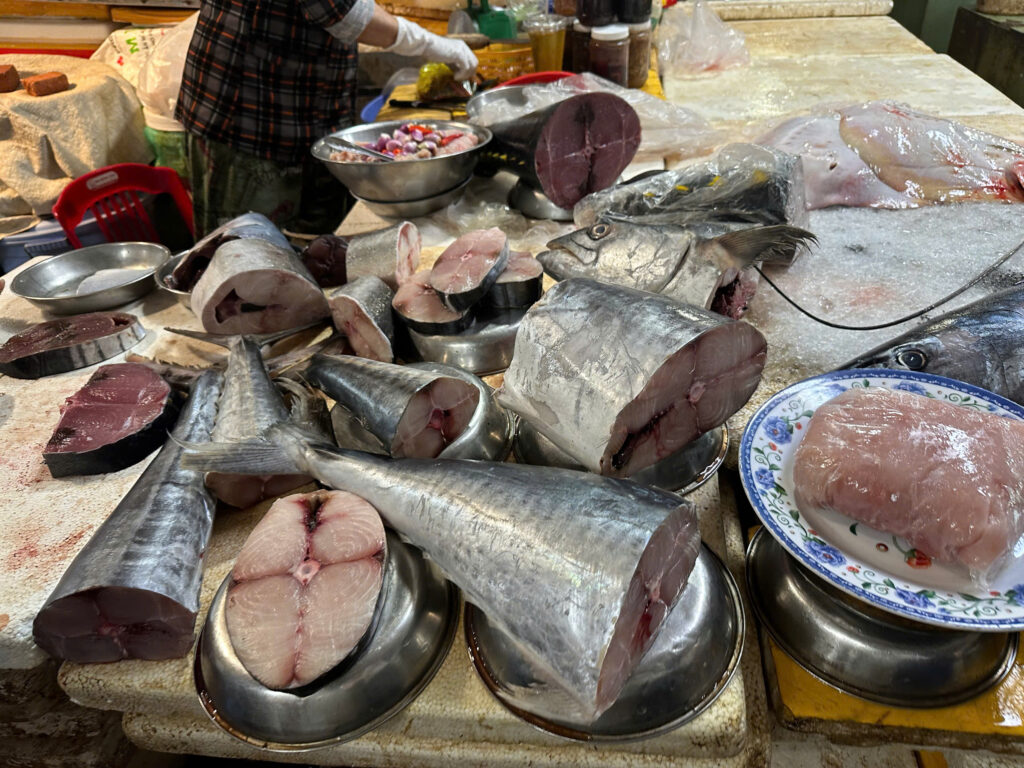
A sensory journey inside Dam Market.
What a Morning at the Market Reveals About Vietnam
If you take a moment to stand still inside Dam Market Quy Nhon, you will observe profound cultural truths. The market is a living mirror of Vietnamese values and social structures.
The Power of the Matriarchy
Look closely at who is running the show. From the heavy meat counters to the delicate herb stalls, 90% of the vendors are women. In Vietnamese culture, women traditionally manage the family finances, negotiate deals, and handle domestic logistics. The market vendors are sharp business owners. They possess incredible mental math skills, physical stamina, and social intelligence.
Adaptive Social Spaces
The market paths are tight, wet, and constantly moving. Motorbikes drive right into the crowded alleys to pick up goods. Yet, there is rarely any anger or shouting. People navigate the chaos with a unique, silent cooperation. This environment perfectly showcases the adaptive, patient nature of the Vietnamese people.
Quy Nhon Travel Guide 2026: Best Things to Do for First-Time Visitors
The Dance Between Buyer and Seller: Warmth and Interaction
The interactions at Dam Market Quy Nhon go far beyond simple commercial transactions. They are deeply personal exchanges built on time, respect, and mutual benefit.
The Concept of “Mối” (The Regular Customer)
A local shopper rarely buys herbs from a random stranger. Over months and years, buyers develop a relationship with specific vendors. This special bond is called “Mối”.
- The seller remembers the buyer’s children and saves the best cuts of pork for them.
- The buyer stays loyal to the seller, even if another stall is slightly cheaper.
- It is a beautiful system of mutual trust and social safety.
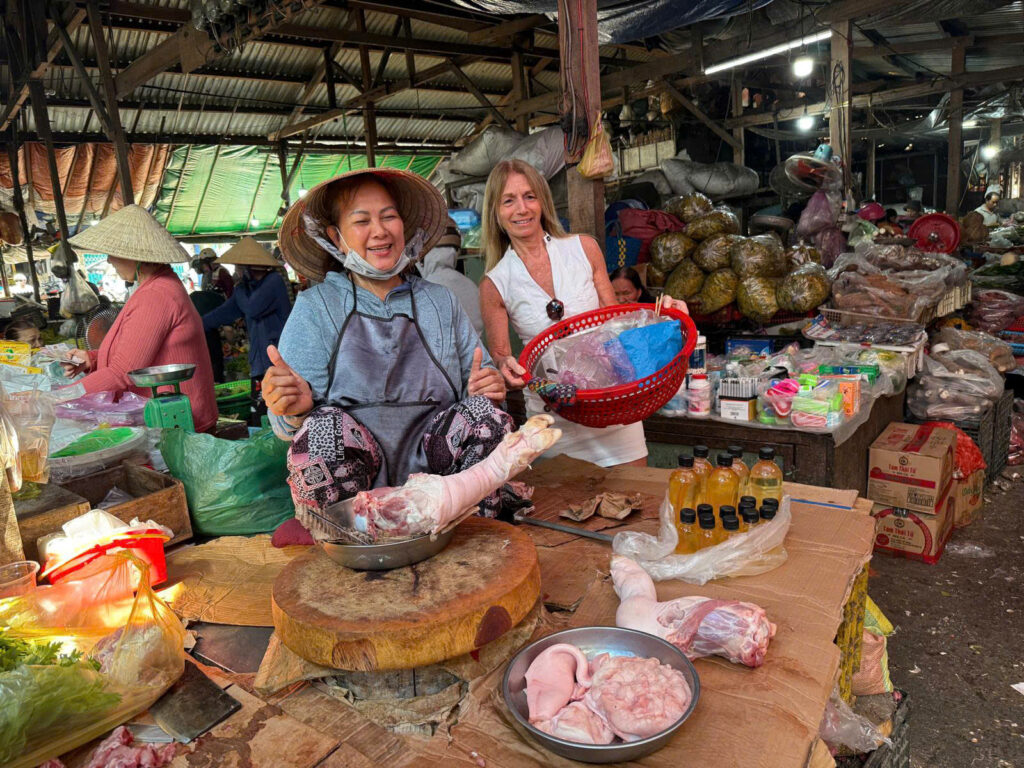
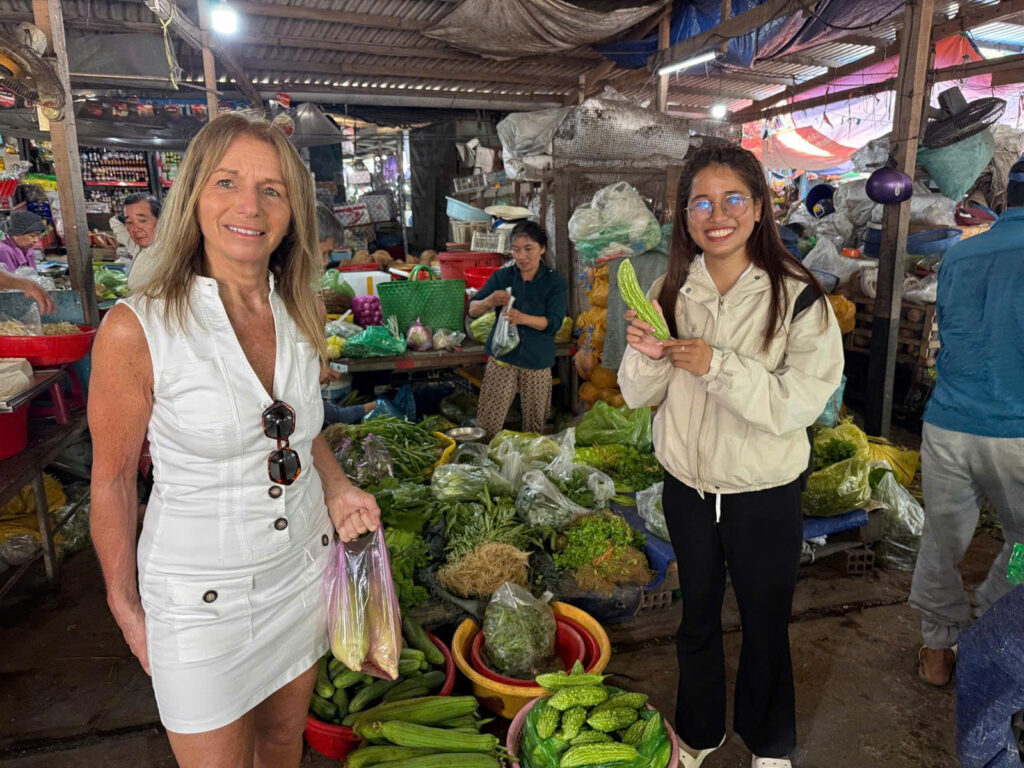
Exploring the colors of Dam Market.
The Friendly Banter
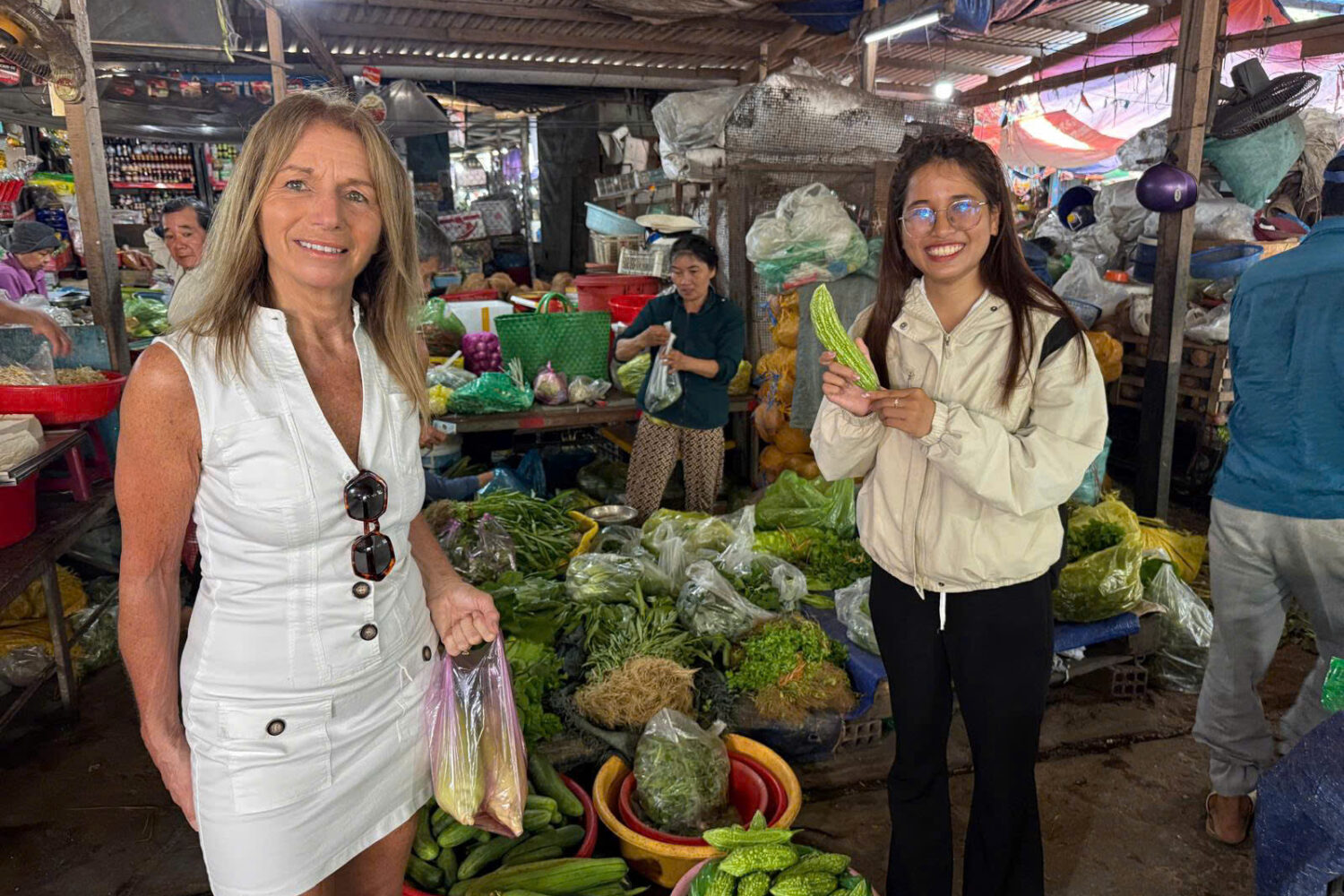
As an international traveler, you might expect intense, aggressive bargaining. In reality, the atmosphere is incredibly warm. Sellers at this Quy Nhon local market love to chat. They will offer wide smiles, ask where you are from, and happily show off their goods. If you buy a small bag of tomatoes, the vendor will often toss in a handful of chili peppers or cilantro for free. This gesture is a small sign of hospitality called “cho thêm”.
Top Attractions and Hidden Gems Inside the Market
Navigating Dam Market Quy Nhon can overwhelm your senses. To make the most of your morning, focus on these three incredible zones:
- The Live Seafood Arena: This area is an absolute must-see. You will witness large plastic tubs filled with jumping shrimp, crawling blue crabs, and flapping reef fish. Oxygen tubes bubble constantly. Watch the vendors skillfully clean fish or shell mud crabs with lightning speed.
- The Breakfast Corner: Follow the scent of steam to the food stalls. This spot is the ultimate destination for an authentic breakfast. Try a bowl of Bun Cha Ca (fish cake noodle soup) or Banh Xeo Tom Nhay (jumping shrimp pancakes). The food here is fresher and much cheaper than in tourist restaurants.
- The Dried Goods and Spices Alley: Walk deeper inside to find towering pyramids of dried squid, salted fish, and local shrimp paste. This area is also excellent for purchasing local Binh Dinh gifts, such as dried seaweed or locally sourced black peppercorns.
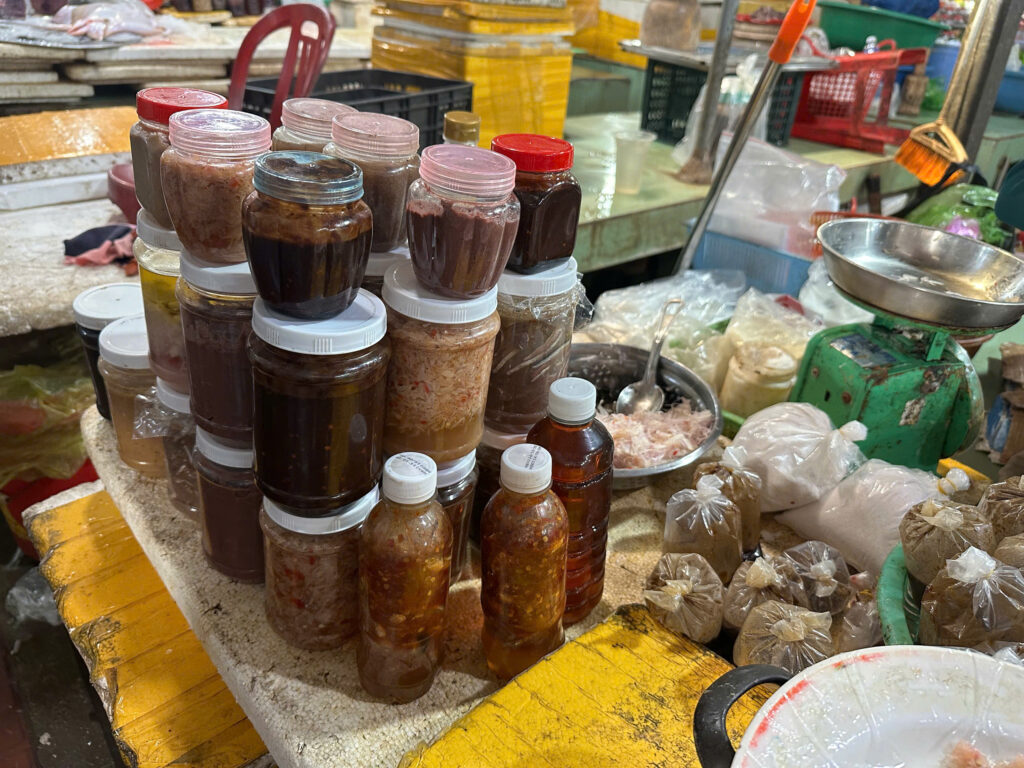
Exploring the local dried goods alley. 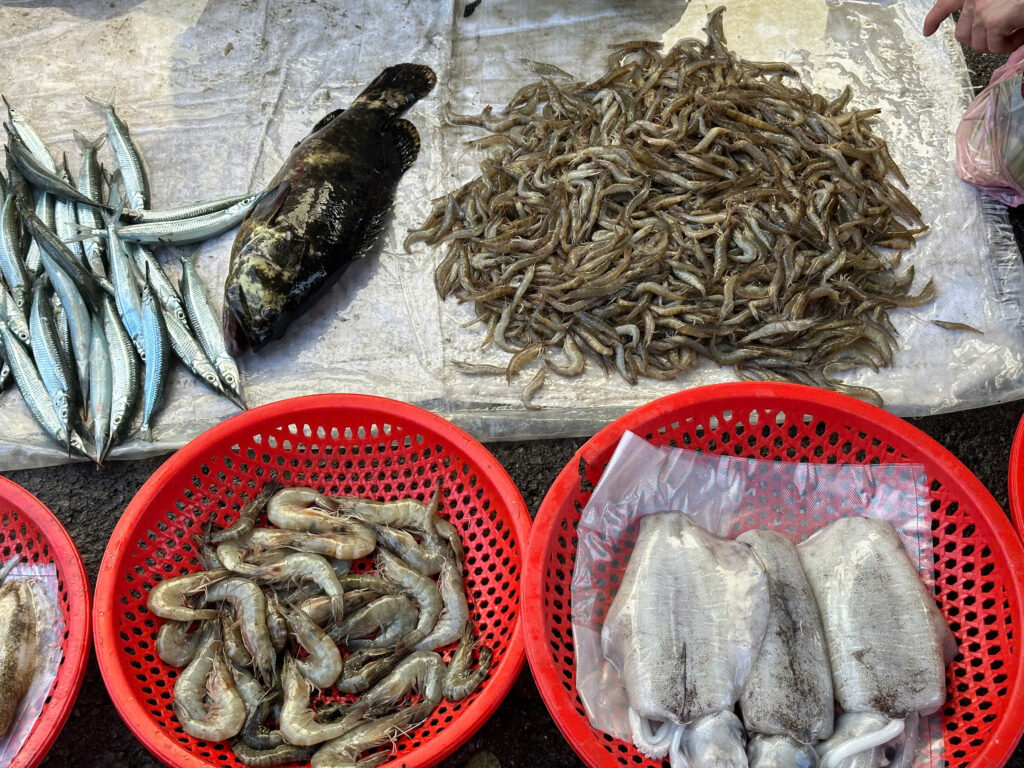
Perfect local gifts to take home.
Frequently Asked Questions (FAQ)
Q1: What is the absolute best time to visit Dam Market Quy Nhon? To see the market at its peak energy, visit between 6:00 AM and 8:00 AM. This is when the seafood is freshest and the local social interactions are most dynamic. By 10:00 AM, the morning rush clears out, and vendors begin cleaning up for the afternoon.
Q2: Is it rude to take photos of the vendors and the food? Not at all! Most vendors are incredibly friendly and proud of their colorful stalls. However, always show polite manners. Smile, point to your camera, and ask for permission before snapping a portrait. If you buy a small piece of fruit or a snack from them, they will be even more delighted to pose for you!
Q3: How should foreign tourists handle bargaining here? Unlike tourist night markets, Dam Market Quy Nhon is a functional market for locals. Prices are already very low and fair. There is no need for aggressive haggling. If you feel an item is slightly high, a gentle, smiling request for a small discount is perfectly fine.
Q4: What should I wear when visiting a traditional wet market? Wear casual, comfortable clothes. Most importantly, wear closed-toe shoes with good rubber grip. The floors in the seafood and meat sections are constantly washed with water and can be wet and slippery. Avoid wearing long skirts or expensive sandals.
Ready to Experience True Local Life?
The morning sun is rising over the lagoon. The vendors are calling out their best prices, and the smell of fresh noodle soup fills the air. Don’t just watch Vietnam from a tour bus window—dive straight into the sights, sounds, and flavors that define its daily soul.
Exploring a local wet market independently can sometimes feel intimidating due to the language barrier. Let us handle the communication and show you the hidden corners.
Contact the Thichtours team today to book your private, guided Quy Nhon food tour and cultural market walk! Let’s create a travel story you will cherish forever.