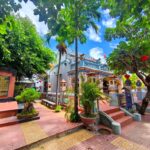
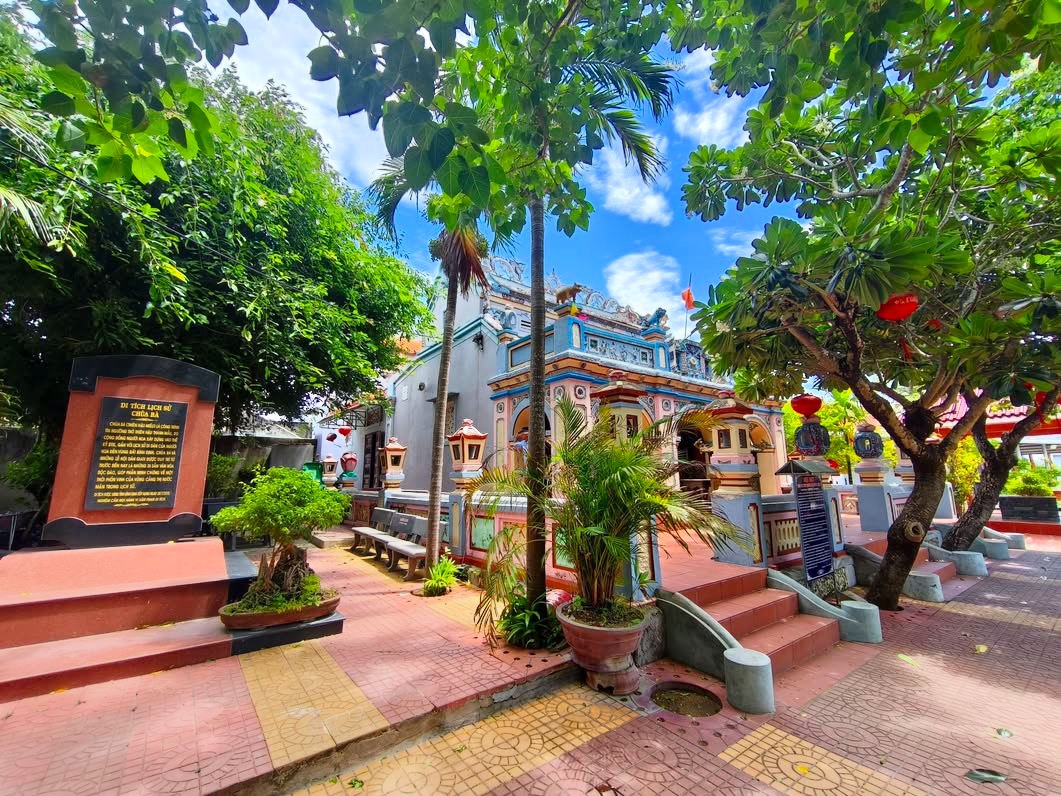
Looking for hidden places in Quy Nhon beyond the famous beaches of Ky Co and Eo Gio? The region has quiet fishing villages, mangrove waterways, traditional craft communities. And historic sites that many international visitors overlook. Exploring these places offers a different perspective on Quy Nhon, where local traditions, everyday life, and beautiful landscapes become just as memorable as the main tourist attractions.
1. Nhon Hai Fishing Village – Discover Traditional Coastal Life
Located approximately 20 kilometres from central Quy Nhon, Nhon Hai is a fishing village where colorful boats, round basket boats, and seafood markets reflect the community’s connection with the sea. Walking along the waterfront in the early morning offers a chance to observe daily fishing activities. Although the atmosphere depends on local schedules and weather conditions. Visitors can also arrange boat trips to nearby Hon Kho Island, but the village itself is worth exploring before heading out to sea.

2. Con Chim Ecological Zone – Explore Quiet Mangrove Waterways
Con Chim lies within Thi Nai Lagoon, around 15 kilometres from Quy Nhon, and offers a peaceful alternative to the region’s busy beach attractions. Visitors can explore mangrove channels by arranged boat or stand-up paddleboard. Then learn about local fishing practices, and observe birds when seasonal conditions are suitable. Its quiet waterways and traditional fishing communities make Con Chim especially appealing to nature lovers and travelers interested in slower, more meaningful experiences.

3. Quy Hoa Beach – A Peaceful Escape Near the City
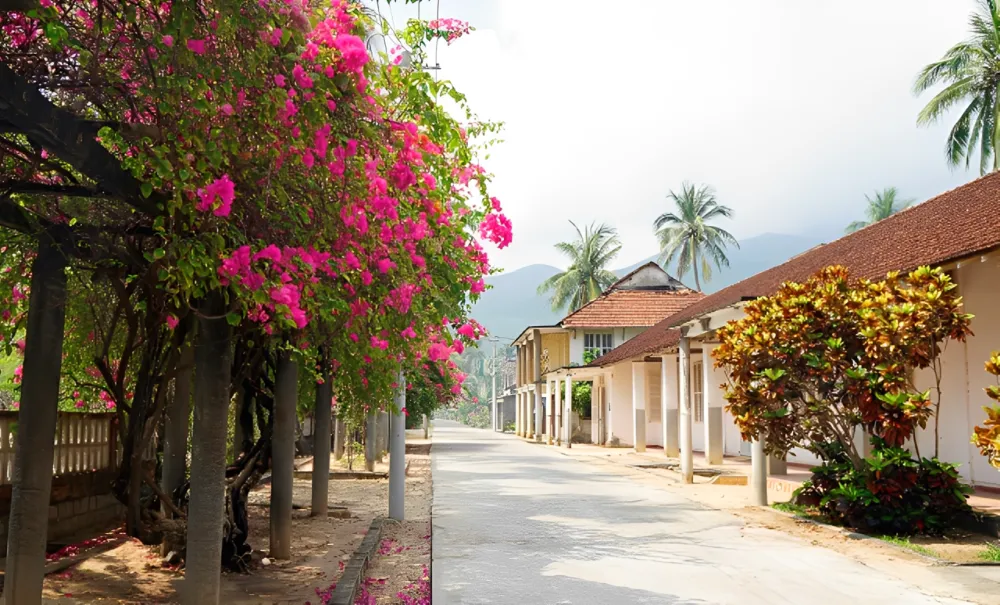
Quy Hoa Beach sits in a sheltered coastal valley south of Quy Nhon, surrounded by green hills and a quieter seaside atmosphere. Unlike the central beachfront, this area is connected with a historic medical community. And the life of Vietnamese poet Han Mac Tu, giving it an unusual cultural background. Visitors should check current access arrangements, respect residential and medical areas, and enjoy the beach primarily as a place for peaceful walks and relaxation.
4. Lang Song Minor Seminary – Hidden Architecture Among the Rice Fields
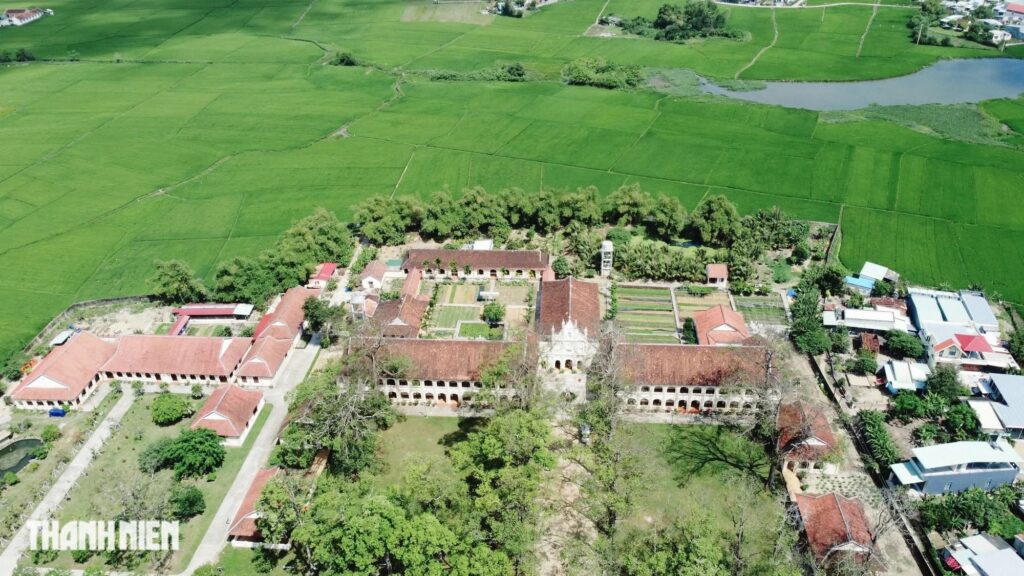
Lang Song Minor Seminary, also known as Tiểu Chủng viện Làng Sông, is a beautiful historic Catholic site set among the countryside near Tuy Phuoc. Its Gothic-inspired architecture, old trees. And connection to the early printing of Vietnamese texts in the Romanized writing system make it more than a photography stop. The seminary remains a religious heritage site, so visitors should dress respectfully, check visiting hours, and avoid restricted areas.
5. Van Son Pottery Village – Meet the Artisans Behind Traditional Ceramics
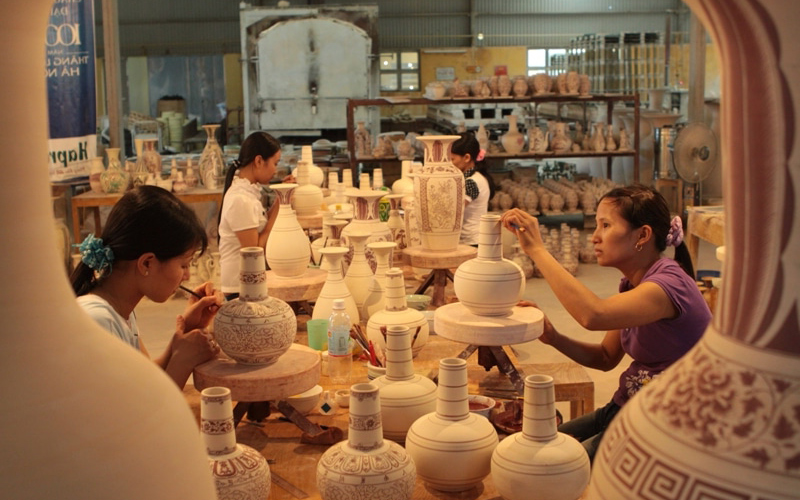
Van Son–Nhan Thap Pottery Village, in the An Nhon area, is one of the most interesting hidden cultural places near Quy Nhon. Here, a small number of artisans continue making traditional terracotta pottery. Including jars and household objects, using skills passed down through generations. Because the craft now survives within a relatively small working community, arranging a visit beforehand is the best way to meet an artisan without interrupting their work.
6. Nhon Hau Wood-Turning Village – Discover a Lesser-Known Craft
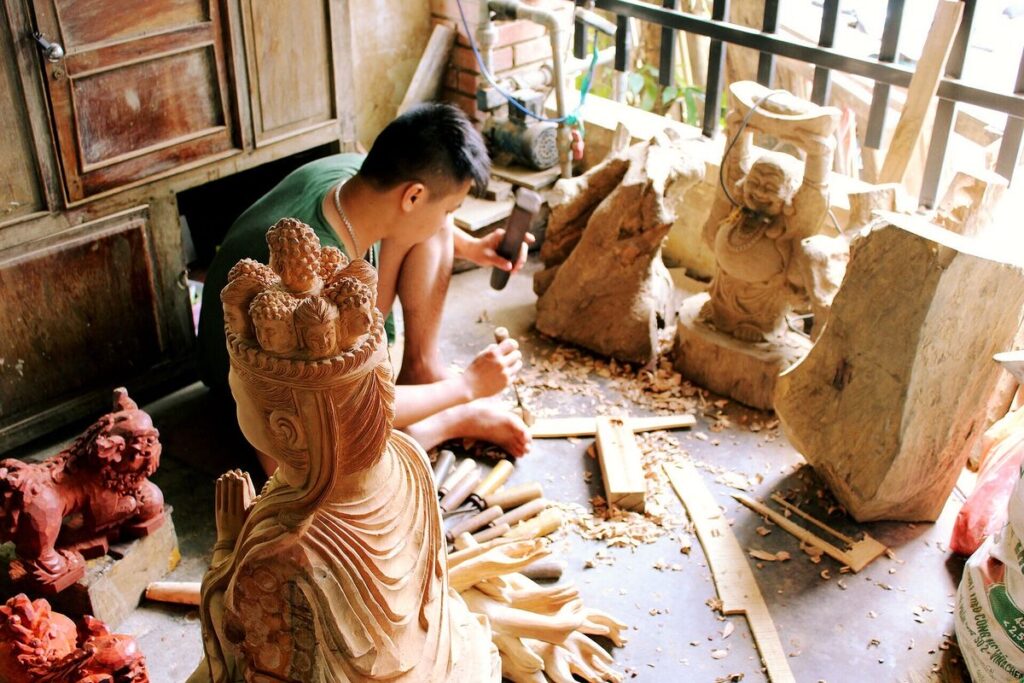
Around 30 kilometres northwest of Quy Nhon, Nhon Hau has a traditional wood-turning craft associated with the Nhan Thap area. Skilled makers produce wooden household items and decorative objects, offering visitors an opportunity to learn about a craft rarely included in standard beach itineraries. Workshop visits should be arranged with local contacts when possible. As these are working businesses rather than conventional tourist attractions.
7. Phu Gia Conical Hat Village – Experience a Living Heritage
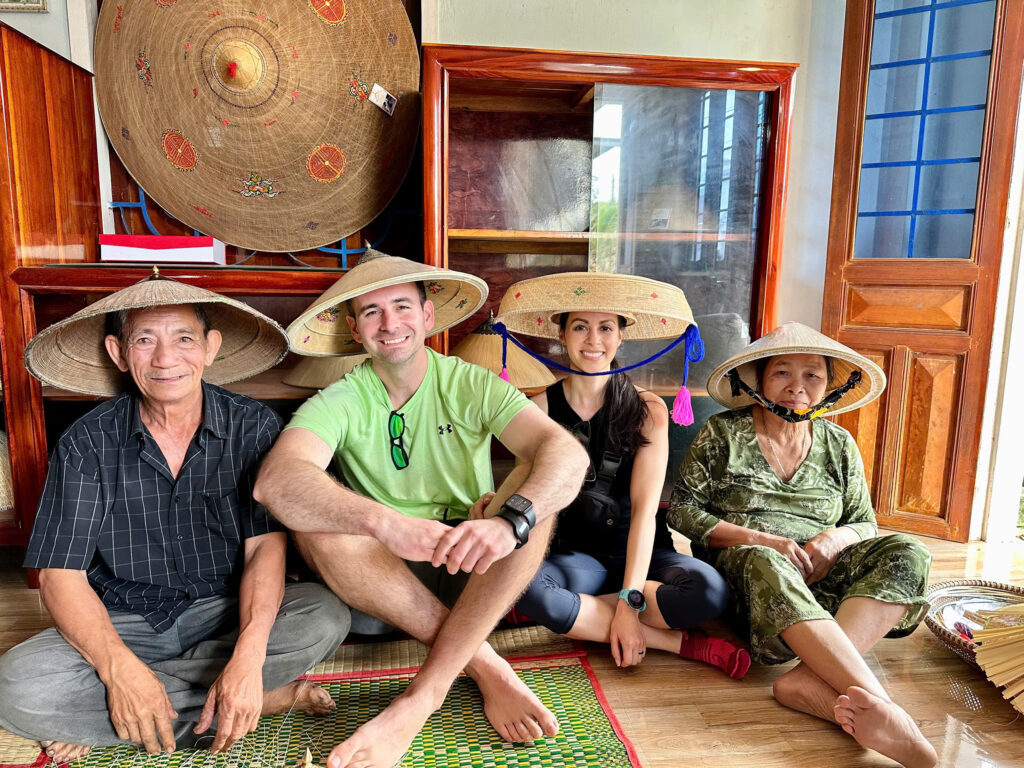
Phu Gia, approximately 35–40 kilometres from Quy Nhon, is known for its distinctive nón ngựa, or horse conical hats, traditionally associated with the region’s history. The craft was recognized as part of Vietnam’s national intangible cultural heritage in 2024. And local artisans continue shaping, stitching, and decorating hats by hand. Seeing the process in a family workshop provides a stronger connection to the village than simply purchasing a finished hat in a souvenir shop.
8. Duong Long Cham Towers – Explore Ancient History Away from the Crowds
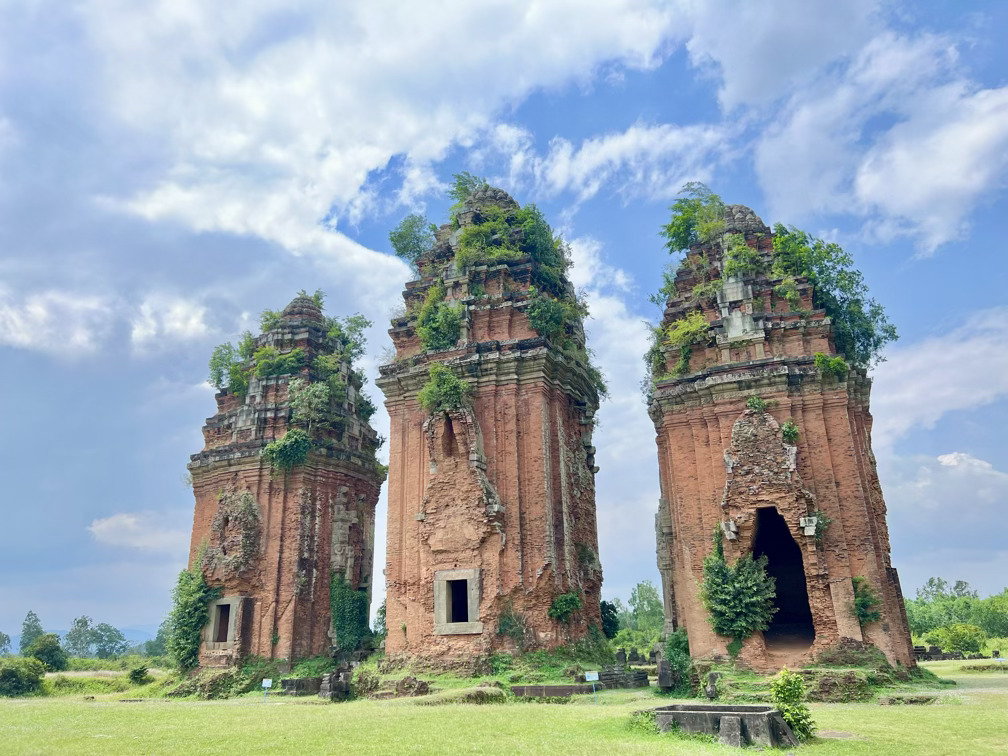
Located approximately 50 kilometres from Quy Nhon, the Duong Long Cham Towers stand among rural landscapes in the former Binh Dinh region. The complex contains three impressive brick towers dating to the late twelfth century. With elaborate stone carvings that reflect the architectural achievements of the Champa civilization. It is a rewarding excursion for history lovers who prefer quieter heritage sites. Although visiting hours and restoration-related access should be checked before departure.
9. How to Plan an Off-the-Beaten-Path Quy Nhon Trip
The best way to explore off the beaten path Quy Nhon is to organize activities by area rather than trying to visit every hidden place in one day. Nhon Hai works well as a separate coastal outing, while Con Chim and Lang Song offer different experiences north of the city. And Van Son can be combined with nearby craft communities. Phu Gia and Duong Long are better suited to travelers with extra time and a particular interest in traditional culture or history.
10. Travel Responsibly in Local Communities
Many of Quy Nhon’s lesser-known destinations are working villages, religious spaces, or conservation areas rather than places created primarily for tourists. Ask permission before photographing residents or entering workshops. Avoid disturbing wildlife, and respect any restrictions around heritage sites and medical facilities. Visiting thoughtfully allows travelers to enjoy local experiences while helping preserve what makes these places special.
Recommended THICHTOURS Experiences
Con Chim Ecozone Discovery Tour
The Con Chim Ecozone Discovery Tour introduces travelers to Thi Nai Lagoon through mangrove scenery, traditional fishing activities, and optional stand-up paddleboarding. It is one of the most relevant choices for visitors who want to experience a quieter, nature-focused side of Quy Nhon. Check current availability and which activities are included before booking.
Binh Dinh Culture & History Tour
The Binh Dinh Culture & History Tour explores the region’s historical heritage, including the Duong Long Cham Towers, Quang Trung Museum, and Thap Thap Pagoda. It suits travelers interested in ancient architecture, local history, and places beyond the typical coastal sightseeing route. The published itinerary offers a useful way to explore several inland attractions without organizing every transfer independently.
Frequently Asked Questions
1. Are There Hidden Places Near Quy Nhon Worth Visiting? Yes, places such as Con Chim, Nhon Hai Fishing Village, Lang Song Minor Seminary, and traditional craft villages offer experiences beyond the usual coastal attractions. They are not necessarily undiscovered, but many are quieter than the most popular sightseeing spots.
2. Can You Explore These Places Without a Tour? Several locations can be reached independently by car or motorbike, although transport and English-language information may be limited. For craft workshops, mangrove boat experiences, and more remote heritage sites. Arranging local assistance in advance can make the visit easier.
3. How Many Days Do You Need to Explore Hidden Quy Nhon? Two days allow time for a fishing village, a mangrove experience, and one nearby cultural attraction. Three or four days are more comfortable if you want to explore traditional craft villages and the inland Cham towers without rushing.
Discover a Different Side of Quy Nhon
The most rewarding hidden places in Quy Nhon are not always the most dramatic or difficult to reach. Sometimes, the experience is watching an artisan shape clay, walking through a quiet fishing village, or discovering ancient towers surrounded by countryside. If you’d like to explore beyond the usual tourist route, contact THICHTOURS to discuss local experiences and suitable itineraries for your travel dates.