
A Quy Nhon fishing village tour offers something different from the usual beach holiday in Vietnam. Instead of spending the day moving between scenic viewpoints, you can wander through small coastal communities, watch fishermen at work, explore village lanes, and discover how everyday life revolves around the sea.
With an English-speaking local guide, the experience goes beyond sightseeing. You’ll learn about traditional fishing methods, understand local customs, discover regional seafood specialties, and hear the stories behind places that many visitors only see from a distance.
For travelers who enjoy authentic cultural experiences, visiting a fishing village can be one of the most memorable things to do in Quy Nhon.
Why Visit a Fishing Village in Quy Nhon?
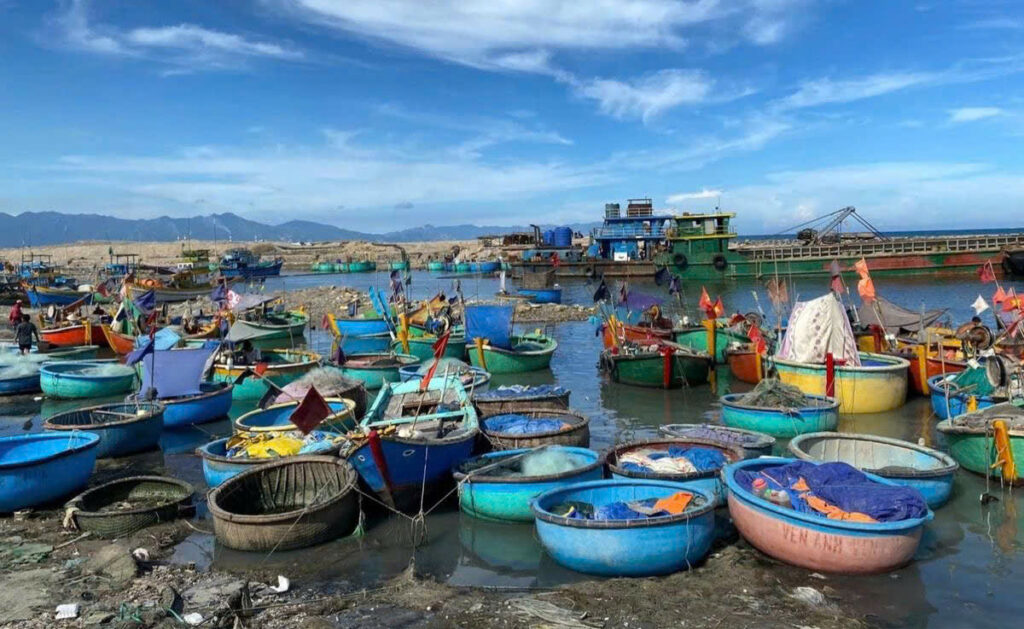
Quy Nhon is known for its beaches, but fishing has shaped the identity of its coastline for generations. Away from the larger hotels and busier attractions, you’ll find small harbors filled with wooden fishing boats, round basket boats resting on the sand, and narrow streets connecting family homes to the waterfront.
Early in the morning, the atmosphere can be particularly lively. Depending on the season, weather, and fishing activity, boats return to shore while fishermen unload their catches and local traders prepare seafood for sale. It’s an everyday routine for the people who live here, but a fascinating experience for travelers discovering this part of Vietnam for the first time.
Unlike a conventional sightseeing tour, a fishing village visit encourages you to slow down, observe, ask questions, and appreciate the connection between coastal communities and the sea.

What Can You Experience on a Quy Nhon Fishing Village Tour?
1. Discover the Morning Rhythm of a Fishing Village
One of the most interesting times to explore a fishing village is early morning, when the shoreline begins to fill with activity. You may see fishing boats approaching the beach, people carrying baskets of seafood, and fishermen sorting their nets after a night at sea. Nearby, local buyers examine the fresh catch while small cafés prepare for another working day. The atmosphere is a mixture of movement, conversation, and the familiar sounds of a coastal community.
With an English-speaking guide, you’ll have the opportunity to understand what you’re watching: how different boats are used, how fishing activity changes with the seasons, and why the sea plays such an important role in local livelihoods.
Local tip: If watching fishermen return with their catch is your priority, request an early-morning itinerary. Fishing schedules depend on weather, tides, and actual fishing operations, so activity cannot be guaranteed.
2. Walk Through Narrow Village Lanes
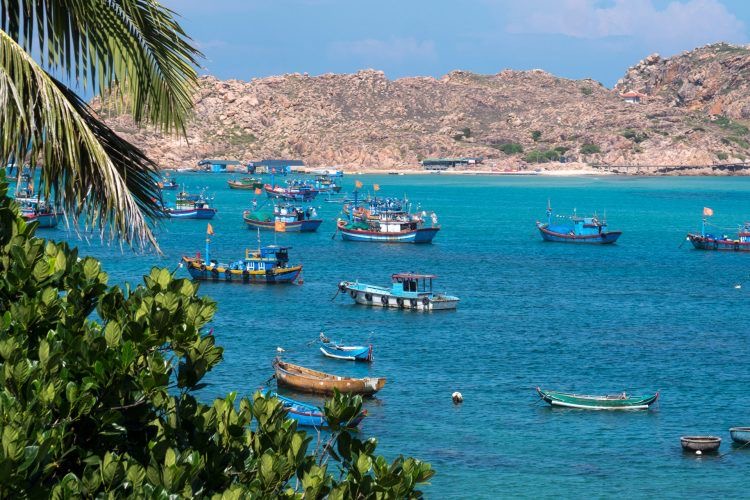
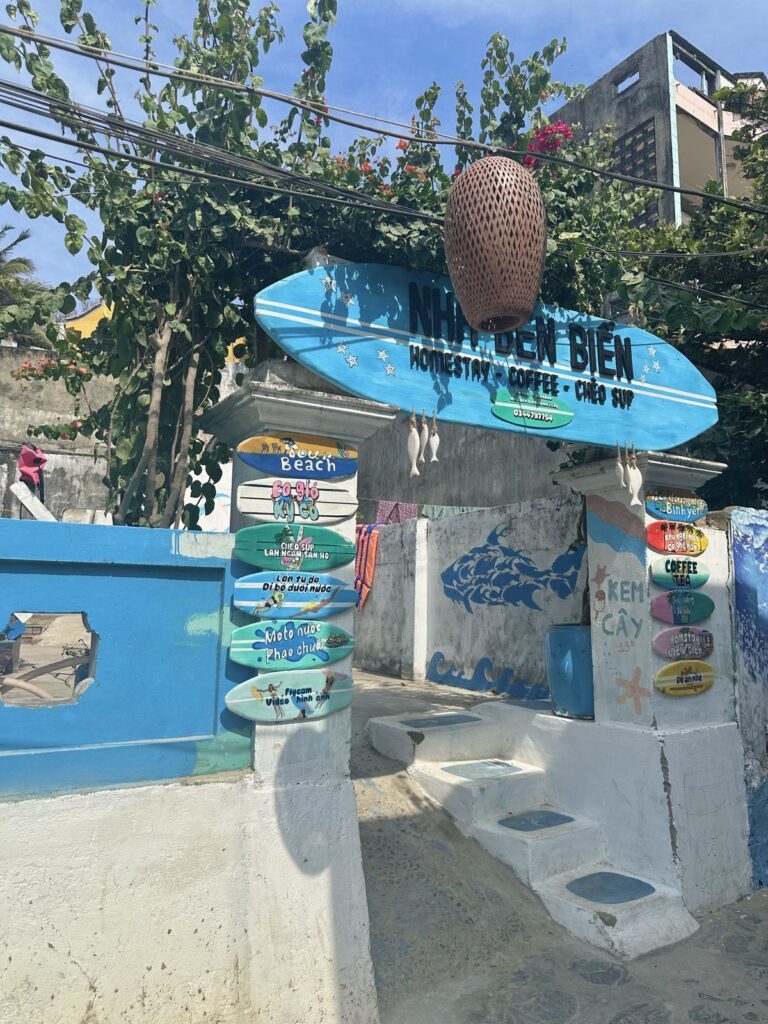
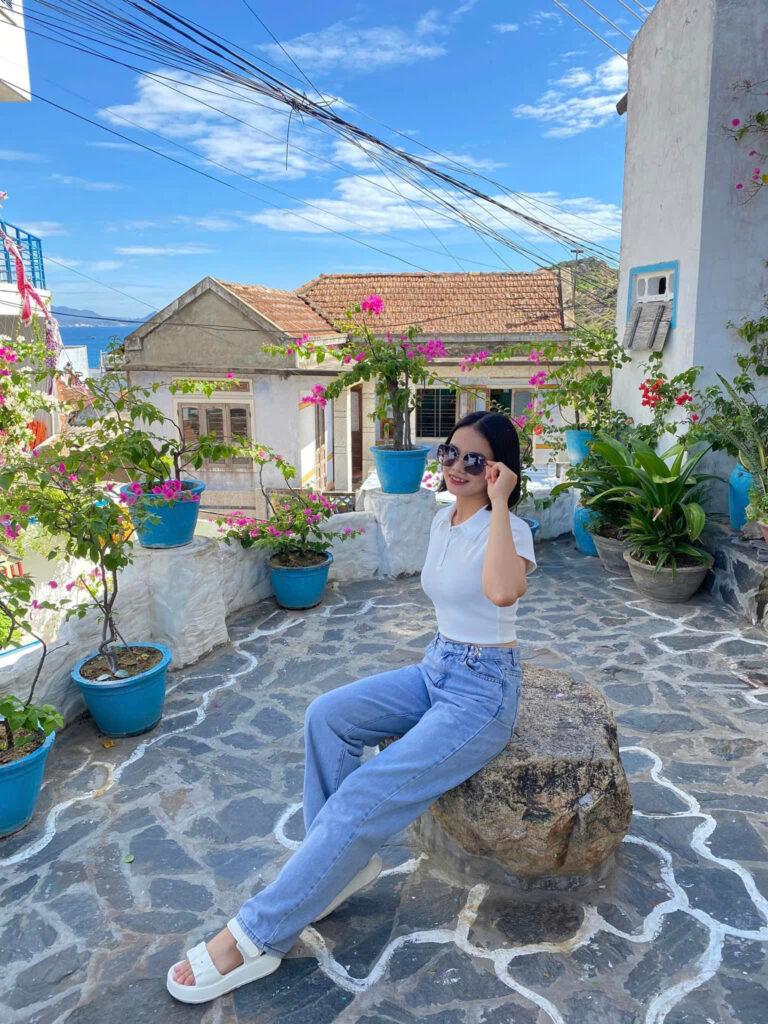
Some of Quy Nhon’s most interesting coastal scenes are found away from the main roads. In villages such as Nhon Ly, small pathways weave between houses, old walls, and neighborhood gathering places. Fishing equipment sits beside family homes, and glimpses of the sea appear at the end of quiet lanes.
A village walk gives you a closer look at everyday life beyond the beach. You might pass residents preparing their homes for the day, see fishermen repairing their equipment, or discover small food stalls serving local customers.
Your guide can explain the significance of these surroundings and help you understand village customs without turning residents’ daily routines into a performance for visitors. It’s also an opportunity to learn a little Vietnamese, whether that’s a friendly “xin chào” (hello) or the names of fish and seafood commonly found along the coast.

3. Learn About Traditional Vietnamese Fishing Methods
Fishing traditions are one of the most distinctive aspects of coastal life in central Vietnam. During your visit, you may notice wooden fishing vessels, long nets, fishing lines, and traditional round basket boats known locally as thuyền thúng or thúng chai.
These small circular boats are an iconic sight along Vietnam’s central coast. They are used for various nearshore activities and are particularly recognizable because of their unusual shape. An English-speaking guide can help explain how local fishermen use different equipment, how fishing practices have changed, and the challenges of earning a living from the sea.
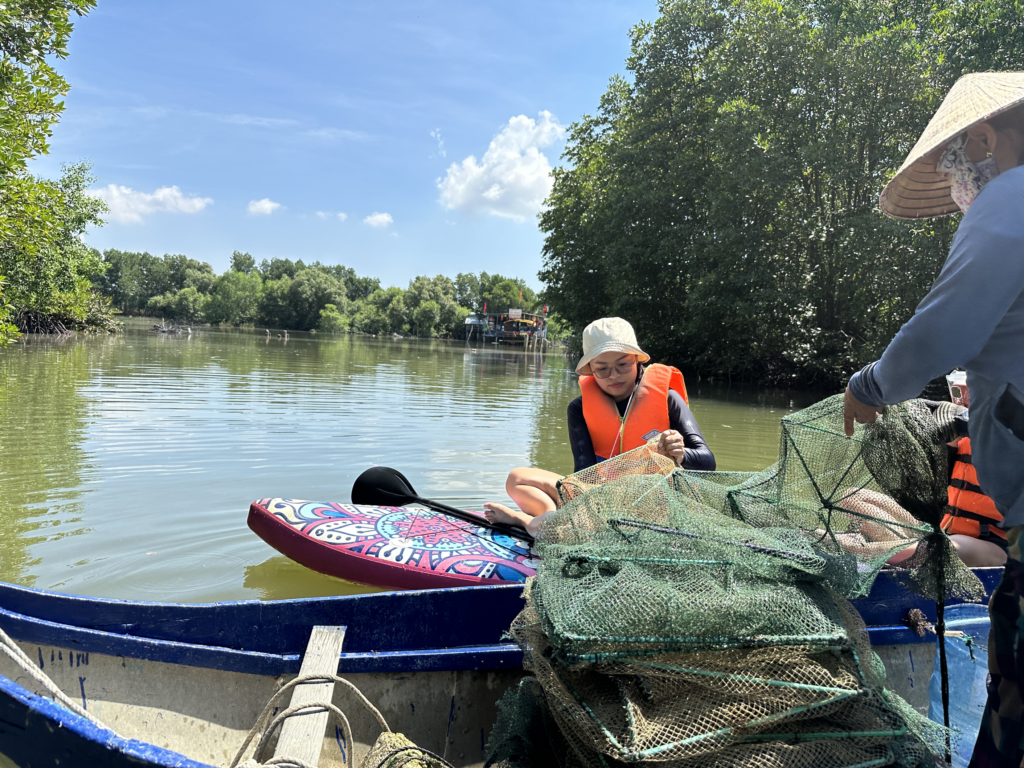
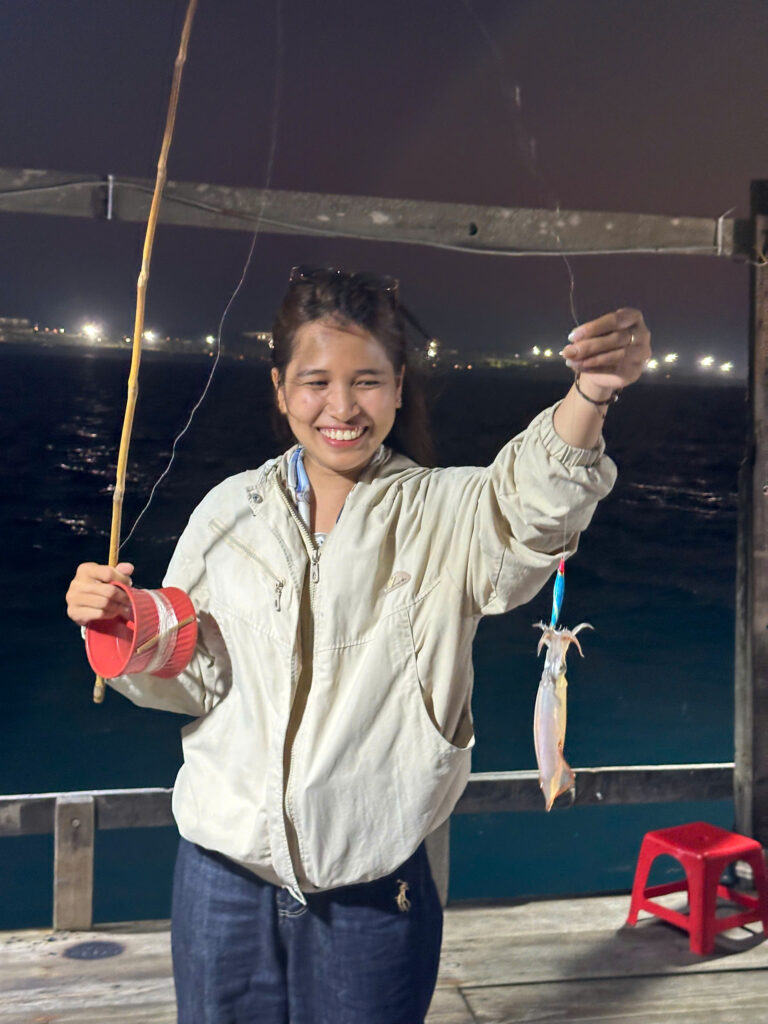
If you’d like a hands-on activity, ask whether a safe, locally operated fishing demonstration or basket boat experience can be arranged. These are optional activities, not automatically included in every village tour.
4. Discover Local Seafood and Coastal Food Culture
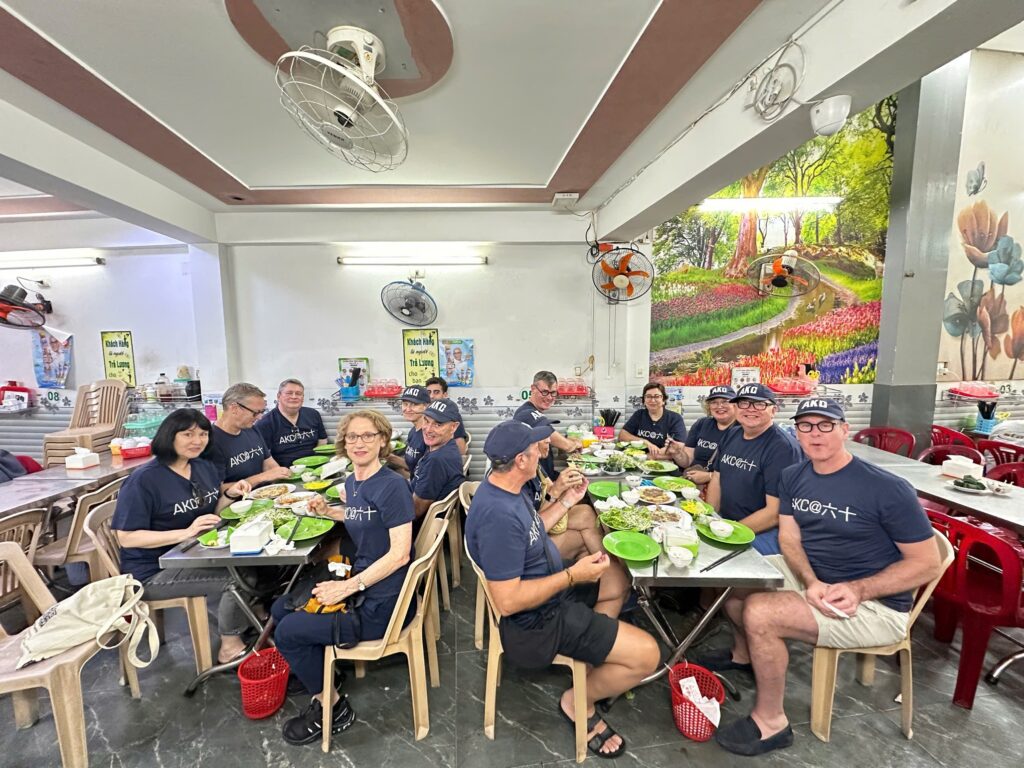
Food is another wonderful way to understand Quy Nhon’s fishing communities. Fresh seafood is central to the local diet, and many coastal eateries serve dishes prepared with ingredients brought in by nearby fishing boats.
Depending on the village and available restaurants, you might encounter grilled seafood, steamed shellfish, fish dishes, or bánh xèo mực — a Vietnamese savory pancake made with squid. A guide can help explain local menus, recommend suitable dishes, and communicate dietary preferences to restaurant staff.
Rather than choosing a restaurant based only on its appearance, you’ll have a better understanding of what local people enjoy eating and why certain dishes are associated with the coast. A seafood meal can be a pleasant addition to the experience, although food and drinks should be confirmed separately when booking.
5. Meet Local People and Understand Their Way of Life
The most meaningful part of a fishing village visit isn’t necessarily an attraction. Sometimes it’s a short conversation, a local story, or simply seeing how families organize their days around changing weather and fishing conditions.
An English-speaking local guide can help bridge the language gap when residents are comfortable speaking with visitors. You may learn how fishing knowledge is passed between generations, how communities prepare for difficult weather, or how tourism is gradually creating new opportunities alongside traditional livelihoods.
These interactions should happen naturally and respectfully. Not everyone wishes to be photographed or interrupted while working, and a good local guide will help you recognize those boundaries.
Which Fishing Villages Can You Explore Near Quy Nhon?
Several coastal communities around Quy Nhon offer different perspectives on local fishing life.
Nhon Ly Fishing Village — Traditional Village Life and Coastal Scenery
Located on the Phuong Mai Peninsula, approximately 20 km from central Quy Nhon, Nhon Ly is one of the area’s best-known fishing villages. Its appeal lies in the combination of traditional coastal life and a picturesque village setting.
You can explore narrow alleys, see fishing boats near the shore, and experience a quieter atmosphere away from the city’s main tourist areas. Nhon Ly is also close to Eo Gio, a scenic coastal attraction known for its rocky cliffs and sea views. For travelers who want both cultural discovery and coastal scenery, Nhon Ly is an excellent place to consider.
Nhon Hai Fishing Village — A Closer Look at Life by the Sea
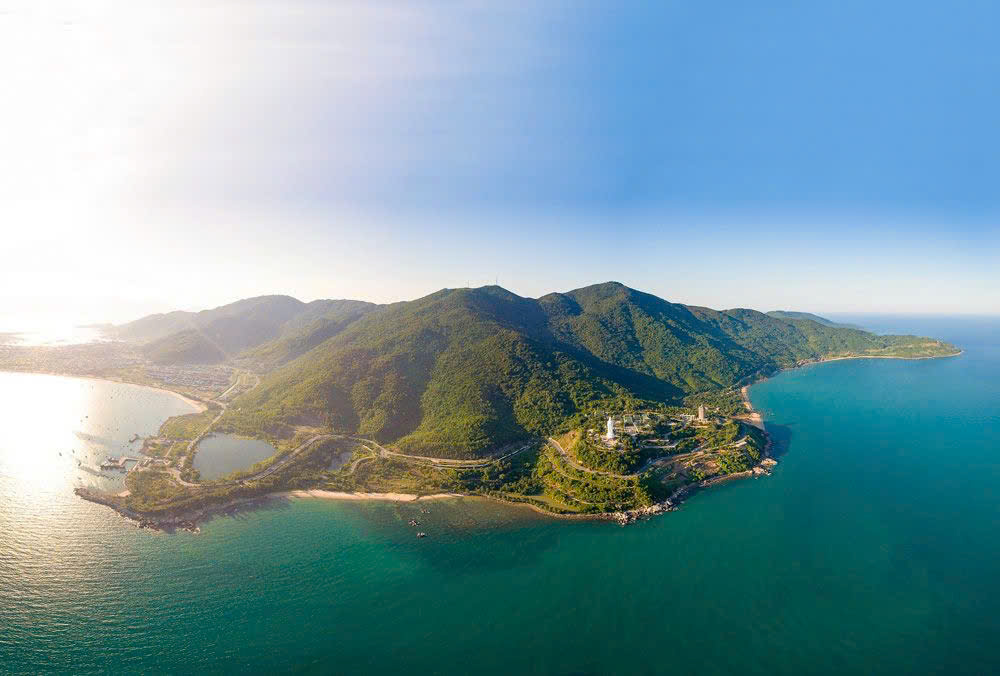
Nhon Hai is another coastal community on the Phuong Mai Peninsula, roughly 20 km from central Quy Nhon. The village sits along a sheltered bay, with colorful fishing boats, small streets, and everyday activity near the waterfront. It’s a rewarding place for travelers interested in the working side of coastal life.
Nhon Hai is also associated with Hon Kho, a nearby island that can be visited by boat when services and sea conditions allow. A visit here can focus on village exploration, local food, and conversations about fishing traditions rather than rushing between attractions.

Bai Xep Fishing Village — A Slower Coastal Experience
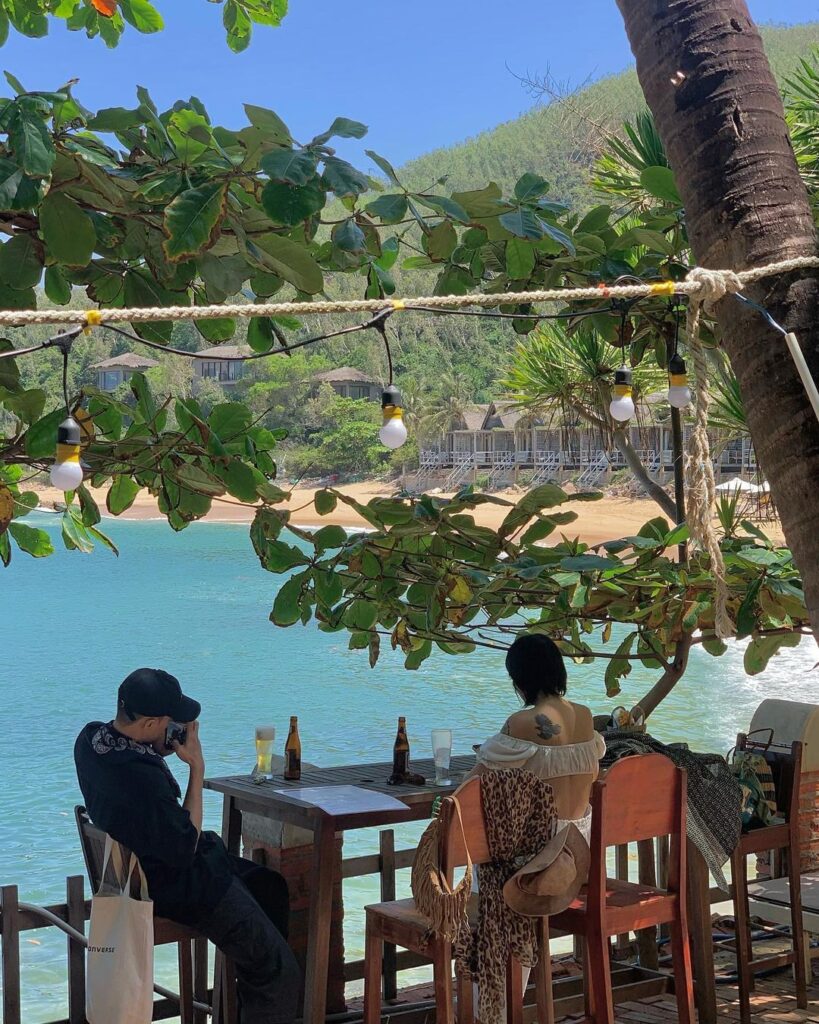
South of central Quy Nhon, Bai Xep offers a different atmosphere. This small coastal settlement combines fishing village roots with beachside accommodation and tourism. Traditional boats can still be seen along the shore, while the surrounding area appeals to travelers looking for a relaxed coastal escape. Bai Xep is particularly suitable for visitors who want to combine a village walk with time by the beach or a meal overlooking the sea.


Which village should you choose?
For a first fishing village tour, Nhon Ly or Nhon Hai makes a strong starting point, especially when the focus is local fishing life. Bai Xep is worth considering if you prefer a more relaxed beach-and-village experience. Your guide can recommend a suitable route based on your interests, travel dates, and the activities taking place locally.
Suggested Quy Nhon Fishing Village Tour Itinerary
The following is an example of how a private, half-day fishing village experience could be organized. It is a suggested route, not a fixed or confirmed tour program.
- Early Morning — Depart from Quy Nhon: Begin with a drive toward the Phuong Mai Peninsula. Leaving early offers a better opportunity to observe working life along the waterfront.
- Village Exploration — Nhon Ly or Nhon Hai: Walk through the fishing village with your English-speaking guide. Explore the lanes, learn about local fishing equipment, and observe the morning activity around the shore.
- Local Food Experience — Breakfast or Refreshments: Stop at a local eatery for Vietnamese coffee, breakfast, or a regional specialty, depending on availability and your preferences.
- Coastal Discovery — Optional Scenic Stop: If time allows, combine the village experience with a nearby coastal viewpoint or another location of interest.
- Return to Quy Nhon: Head back to the city after your village visit, with a better understanding of the communities that have shaped this stretch of Vietnam’s coastline.
A private itinerary can also be adapted for travelers who prefer a slower pace, photography, food discovery, or more time interacting with local communities.
Why Explore with an English-Speaking Local Guide?
It’s possible to visit several fishing villages around Quy Nhon independently. However, exploring with an English-speaking guide can make the experience more informative and easier to navigate.
- Understand what you’re seeing. Your guide can explain fishing techniques, village traditions, local food, and cultural details that aren’t immediately obvious.
- Overcome language barriers. English is not spoken everywhere in smaller coastal communities. Having a guide makes everyday communication easier and can help create meaningful conversations when local residents are willing to participate.
- Explore at a comfortable pace. Instead of figuring out transport and village routes on your own, you can focus on the experience.
- Travel more thoughtfully. A knowledgeable guide can help you avoid disrupting working areas, respect local customs, and choose appropriate moments to take photographs.
For international travelers who want to understand Quy Nhon beyond its beaches, these details can make a considerable difference.
Practical Information Before Your Fishing Village Tour
- Best Time to Visit: Early morning is generally a good time to see fishing-related activity and enjoy cooler temperatures. For coastal sightseeing, the drier months are often more convenient, although weather conditions vary from year to year. Rough seas, rain, and seasonal fishing patterns may affect what you can experience.
- What Should You Bring? Comfortable walking shoes, sun protection, drinking water, and a camera are useful for a village visit. Carry some Vietnamese dong in small denominations if you’d like to purchase snacks, drinks, or seafood from local sellers.
- Is the Tour Suitable for Families? A village walking experience can be suitable for families, including those traveling with children. However, some coastal paths may be uneven, and working beaches can be busy or slippery. Families with young children or travelers with mobility concerns should discuss the walking route with their provider in advance.
- How Long Should You Spend? A half-day is a practical starting point for visiting one fishing village at a relaxed pace. If you want to combine multiple villages, enjoy a longer seafood meal, or add coastal sightseeing, a full-day itinerary may be more suitable.
- What About the Tour Price? The cost depends on your group size, tour duration, transportation arrangements, guide service, meals, and any additional activities. Before confirming a booking, ask whether the quotation includes an English-speaking guide, private vehicle, entrance fees where applicable, food, and optional boat activities.
How to Book a Private Quy Nhon Fishing Village Tour
If you’re interested in exploring the local side of Quy Nhon, a private guided experience offers the flexibility to focus on what matters most to you. You might prefer an early-morning walk through a working fishing village, a cultural introduction to coastal traditions, or a relaxed combination of village life and seaside scenery. To plan your visit, share your preferred travel date, number of travelers, and the experiences you’re most interested in.
Interested in discovering Quy Nhon’s fishing villages with an English-speaking local guide? Contact our local team to discuss a private itinerary and check availability for your travel dates.
THICHTOURS Contact Information
Company name: THICH TOURS CO., LTD (THICHTOURS)
Office address: Lot 6D, Street No. 8, Bac Ha Thanh Resettlement Area, Quy Nhon Ward, Gia Lai Province, Vietnam.
Company hotline / WhatsApp: +84 966 519 145
Second direct contact: +84 978 313 354
Website: THICHTOURS Vietnam
Google Maps: View THICHTOURS office and location
TripAdvisor: Read guest reviews of THICHTOURS QUY NHON
You can contact the team with your travel dates, group size, preferred attractions, and any special requirements. Before confirming, ask which English-speaking guide is available and request the final itinerary, inclusions, and total price in writing.

Frequently Asked Questions
1. Is a Quy Nhon fishing village tour worth it? Yes, particularly if you’re interested in local culture, traditional livelihoods, and everyday Vietnamese life. A fishing village tour offers a different perspective from Quy Nhon’s beach attractions and can be especially rewarding with a knowledgeable local guide.
2. Can I visit a fishing village in Quy Nhon without a guide? Yes. Villages such as Nhon Ly, Nhon Hai, and Bai Xep can be visited independently. However, an English-speaking guide can help explain local traditions, manage communication, and provide context for what you see.
3. Which is the best fishing village to visit near Quy Nhon? Nhon Ly is a good choice for traditional village streets and nearby coastal scenery. Nhon Hai is particularly interesting for fishing life and its sheltered bay, while Bai Xep combines a fishing village atmosphere with a relaxed beach setting.
4. Can tourists go fishing with local fishermen? Some locally operated fishing experiences may be available, but participation depends on the provider, weather, safety conditions, and prior arrangements. A regular village walking tour should not be assumed to include fishing on a boat.
5. What time should I visit a fishing village in Quy Nhon? Early morning is generally recommended if you’re hoping to observe fishermen returning from sea or seafood being handled along the shore. However, daily activity varies, and there is no guaranteed return time for every boat.
6. Is transportation included in a private fishing village tour? It depends on the tour provider. Some packages may include transport from Quy Nhon, while guide-only services may not. Always confirm pickup arrangements and transportation inclusions before booking.
Experience a Different Side of Quy Nhon
Quy Nhon’s beaches may be what first bring you to this part of Vietnam, but its fishing villages reveal another side of the coastline. Along the shore, fishing boats, narrow streets, seafood stalls, and daily routines tell the story of communities whose lives remain closely connected to the sea.
Exploring these places with an English-speaking local guide gives you the opportunity to discover the people and traditions behind the scenery. If you’re looking for a more personal cultural experience during your stay, consider adding a Quy Nhon fishing village tour to your itinerary.