
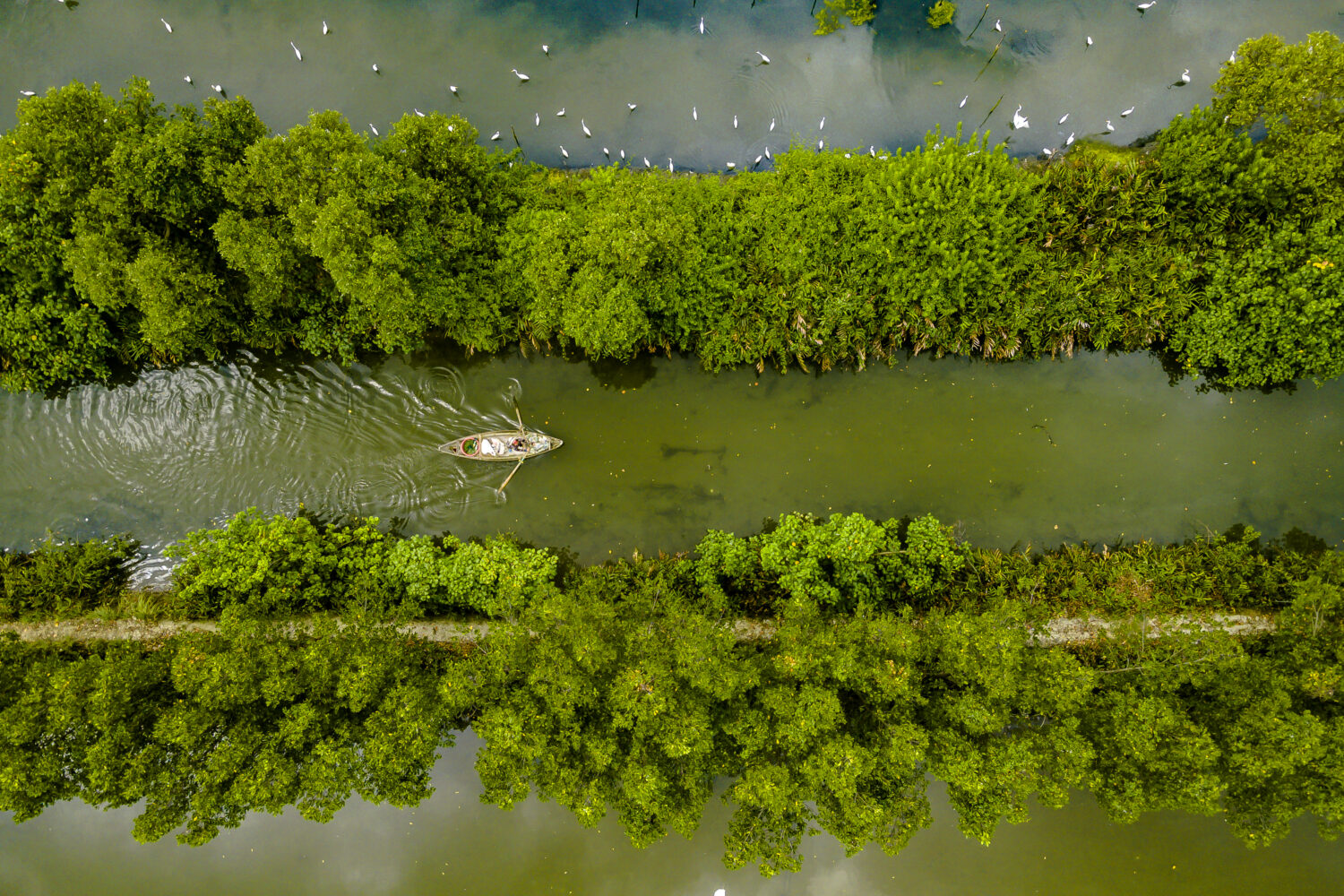
Just northeast of central Quy Nhon, Thi Nai Lagoon opens into a broad landscape of mangroves, fishing areas, low islands, and long stretches of calm water. For first-time visitors, it offers a quieter contrast to Quy Nhon’s beaches and dramatic coastal cliffs.
This guide explains what to expect, how to visit from Quy Nhon, when to go, what to combine with the lagoon, and why Con Chim is one of the most worthwhile areas to explore. You will also find practical suggestions for travelers who prefer a boat, mangrove, or local-life experience rather than simply viewing the lagoon from the road.
Why Thi Nai Lagoon Is Different from Quy Nhon’s Coastal Attractions
Thi Nai Lagoon is much more than a scenic body of water. The official tourism portal describes it as a lagoon covering more than 5,000 hectares, stretching over ten kilometers and supporting a rich mangrove and aquatic ecosystem.
Its atmosphere feels very different from Ky Co, Eo Gio, or the open beaches around Quy Nhon. Instead of surf and exposed cliffs, you find shallow water, patches of mangrove forest, fishing activity, birds, and a slower rural rhythm.
The lagoon also supports seagrass, fish, waterbirds, migratory birds, and other aquatic life. That ecological diversity is one reason the area works particularly well for travelers interested in nature rather than conventional sightseeing.
Another part of the appeal is everyday life around the water. Boats, fish farms, fishing gear, and small communities remind visitors that this is a working lagoon, not simply a landscaped attraction.
For international travelers, that combination of nature and local life is what makes the experience memorable.

Con Chim mangrove
Con Chim: The Best Place to Experience the Mangroves
If you want to do more than look across the water, Con Chim Ecological Zone is the most relevant place to include in your visit.
Con Chim lies within the Thi Nai Lagoon system, around 15 kilometers from Quy Nhon according to the official tourism portal. The ecological area covers about 480 hectares and is surrounded by mangrove habitat, aquatic resources, and seasonal birdlife.
The landscape is relatively gentle: water channels, green mangroves, low fishing structures, and open sky. On quiet days, traveling through this area by boat or paddleboard can feel surprisingly removed from the city.
Birds are another reason to consider visiting later in the day. The official tourism information notes that bird and stork populations return toward the mangrove area in the afternoon, although sightings naturally depend on season, weather, and wildlife conditions.
Con Chim is therefore best understood as an ecological and local-life experience rather than a single “must-see” monument.
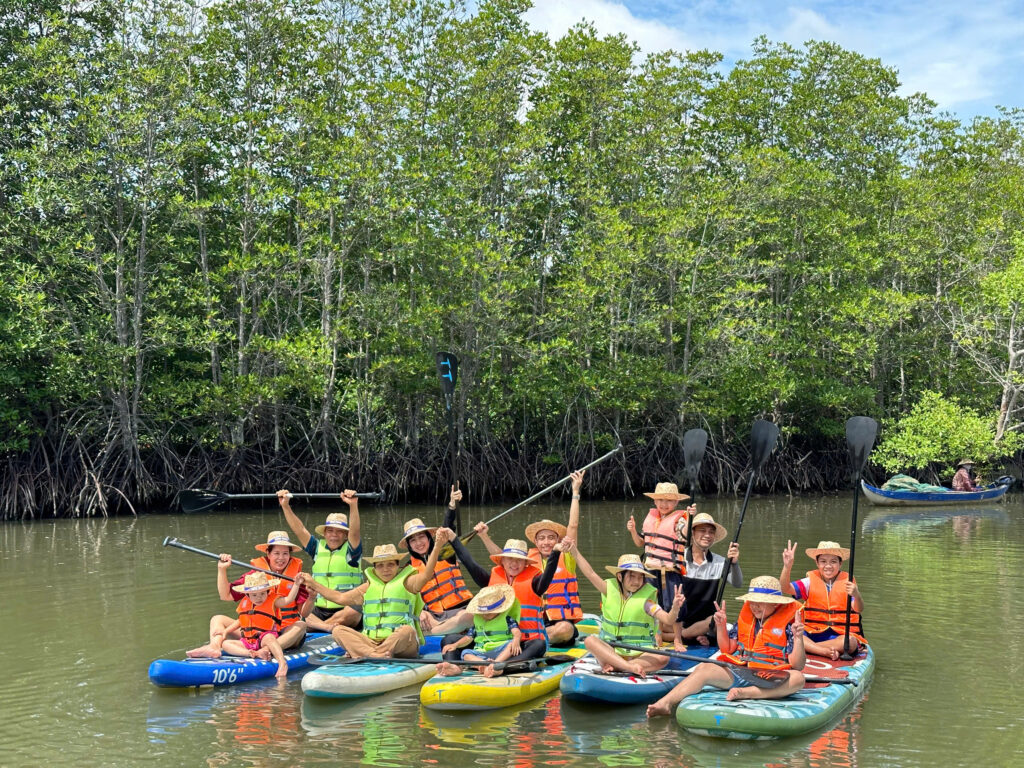
Con Chim Ecozone
What You Can Actually Do at Thi Nai Lagoon
A visit to Thi Nai Lagoon can be very simple or more immersive, depending on how much time you have.
The easiest option is to enjoy the lagoon from viewpoints around the city side or while crossing Thi Nai Bridge. This works well if you only have limited time and are already traveling toward Nhon Hoi or the Phuong Mai Peninsula.
For a more meaningful visit, consider a boat-based experience around Con Chim. Local tour itineraries currently include boat transfer, SUP paddling, mangrove exploration, bird watching, fishing-village visits, and sunset viewing.
The lagoon is also a good place for photography. Reflections, mangrove lines, fishing boats, and distant mountains often create stronger images than a conventional attraction entrance.
Sunrise and sunset can be especially atmospheric, but light, tides, cloud cover, and weather will change the experience from day to day.
If nature is your priority, allow enough time to move slowly rather than treating the lagoon as a quick roadside stop.
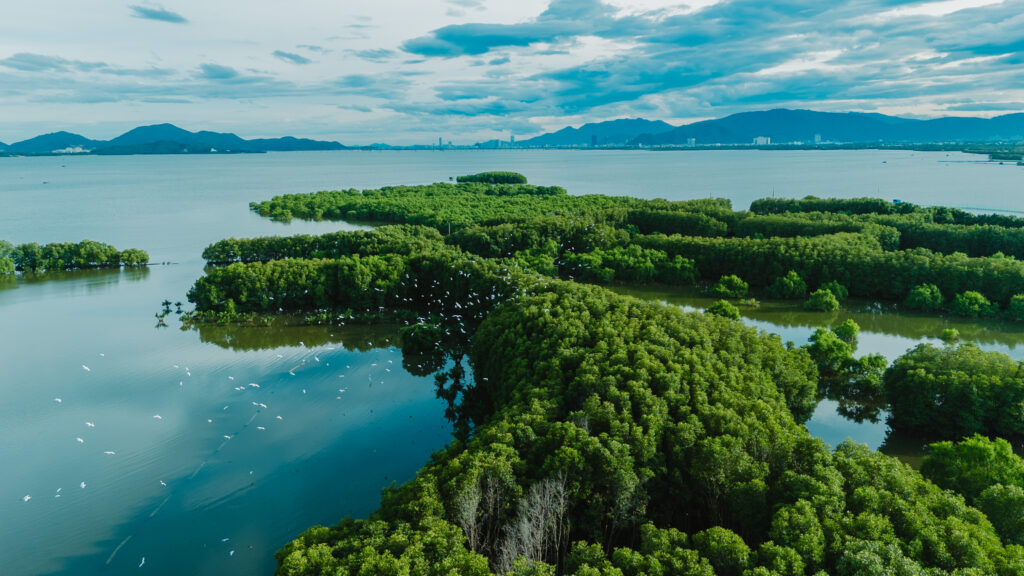
Con Chim ecozone
How to Get to Thi Nai Lagoon from Quy Nhon
The lagoon begins close to Quy Nhon, and official tourism information places it about 8 kilometers northeast of the city.
For a general view, traveling toward Thi Nai Bridge is straightforward by taxi, private car, or motorbike. The bridge links Quy Nhon with the Nhon Hoi side and provides broad views across the lagoon landscape.
Reaching Con Chim requires more planning. The official tourism portal says visitors can reach the ecological area in around 30 minutes by road plus a ferry crossing, or in under an hour by boat from Quy Nhon, depending on the route and conditions.
For first-time international visitors, a guided trip is often more convenient if the goal includes boat transport, local fishing areas, mangrove channels, or SUP paddling.
If you plan to arrange transport independently, confirm the exact departure point before setting out. Boat access and local transfer arrangements can change more easily than a standard city attraction.
Note: Many older tourism references still use Binh Dinh Province. Following Vietnam’s 2025 administrative reorganization, the Quy Nhon area is now within Gia Lai Province; official local government pages in 2026 use Gia Lai for current administration.
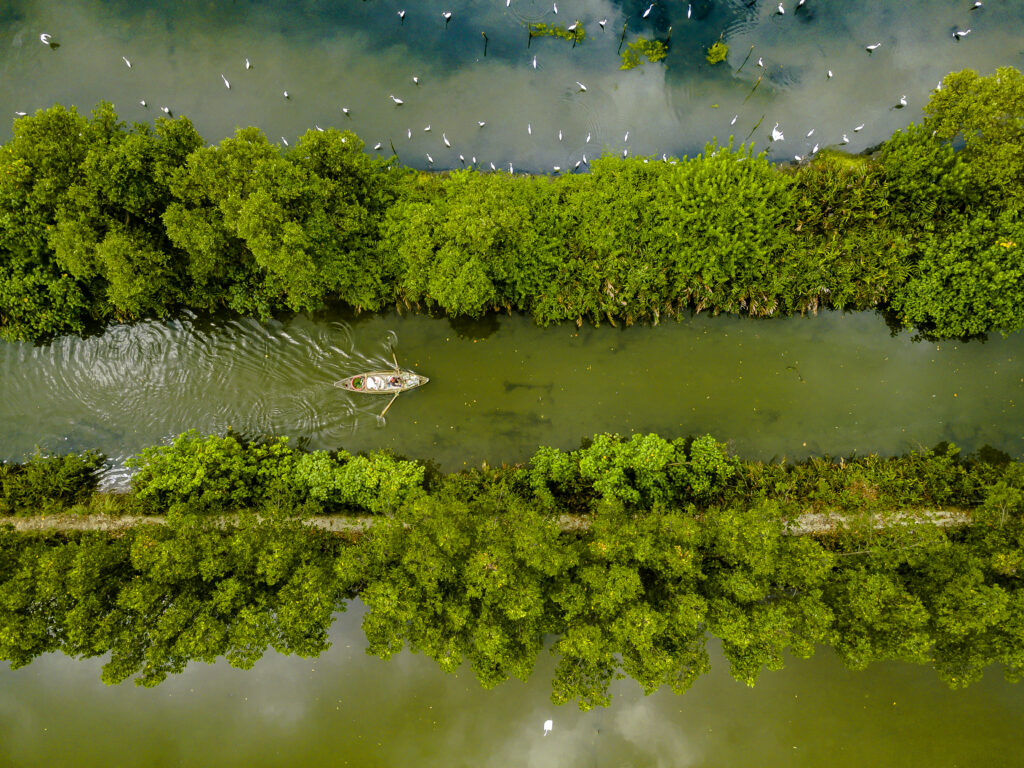
Amazing Con Chim looks from above
When Is the Best Time to Visit?
Morning and late afternoon are generally the most appealing periods for visiting the lagoon.
Early morning can offer softer light, quieter water, and cooler temperatures. It is a good choice if photography or a peaceful boat ride matters more than bird activity.
Late afternoon works especially well around Con Chim because the light becomes warmer and birdlife may become more visible as some flocks return toward the mangroves.
However, this is a natural wetland environment, so the experience depends on weather, tide, wind, and seasonal wildlife patterns. A perfectly calm boat ride cannot be guaranteed every day.
During hotter months, midday can feel exposed and less comfortable. Bring a hat, sun protection, water, and lightweight clothing.
For boat or SUP activities, checking current weather and operating conditions shortly before departure is more useful than relying on a fixed year-round recommendation.

Con Chim Ecozone – SUP kayaking through the mangrove forest at Con Chim Islet, near Quy Nhon.
Thi Nai Bridge Is More Than Just a Route Across the Lagoon
For many travelers, Thi Nai Bridge is the first major introduction to the scale of the lagoon.
The bridge stretches approximately 2,477 meters and forms part of the road connection between Quy Nhon and the Nhon Hoi area. From the crossing, the lagoon appears much larger than it does from the city waterfront.
The best views are usually toward the open water, fishing areas, and the Phuong Mai Peninsula beyond. Sunset can be particularly attractive when the sky is clear.
However, the bridge is an active transport route rather than a dedicated viewing platform. Travelers should avoid unsafe stopping or standing in traffic areas simply for photographs.
If photography is important, choose a safe nearby stopping point or include the bridge naturally as part of another journey toward the peninsula.

Thi Nai Bridge (Source: Collected)
Recommended Places to Combine with Thi Nai Lagoon
Con Chim Ecological Zone
Best for: Mangroves, local fishing life, birdlife, and slow nature experiences.
This is the strongest addition for anyone who wants to understand the lagoon beyond a scenic viewpoint. Con Chim combines wetland ecology with glimpses of everyday life around fishing and aquaculture.
For international travelers, it is particularly useful because the experience feels very different from Quy Nhon’s better-known beach attractions.
Thi Nai Bridge
Best for: Panoramic lagoon views and travelers heading toward the Nhon Hoi side.
The bridge provides one of the easiest ways to appreciate the size of the lagoon. It also connects naturally with itineraries toward Phuong Mai, Nhon Ly, Ky Co, or Eo Gio.
You do not need a long stop here; the value is mainly in the wide landscape.
Phuong Mai Peninsula
Best for: Combining lagoon scenery with sand dunes, coastline, and open landscapes.
Phuong Mai rises to the east of the lagoon and visually frames much of the area. The official tourism description presents it as a major geographic feature separating the lagoon from the open coast.
For travelers with a full day, combining lagoon and peninsula experiences creates more variety than focusing only on the water.

Phuong Mai Sand Dunes in Quy Nhon
Hon Kho
Best for: Travelers who want to add a marine experience after visiting the lagoon area.
Hon Kho is located on the eastern side of the wider Quy Nhon travel region and pairs naturally with itineraries toward Nhon Hai. It offers a completely different setting of rocky coast and island scenery.
This combination works well for visitors who want both wetland ecology and open-sea landscapes during the same trip.
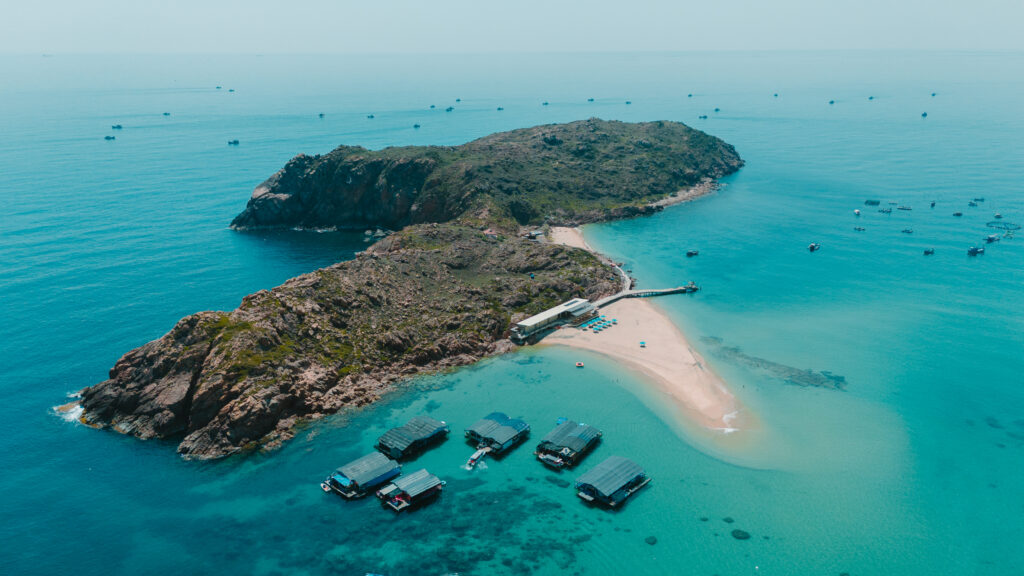
Hon Kho Island – best seaweed season and snorkeling tour
Recommended Thich Tours Experiences
CON CHIM ECOLOGICAL ZONE – Mini MeKong Delta in Quy Nhon
This is the most directly relevant Thich Tours option for travelers researching Thi Nai Lagoon.
The current itinerary includes transport from Quy Nhon, a local seafood lunch, boat transfer, SUP paddling, mangrove exploration, bird and stork watching, and sunset on the lagoon.
It suits couples, nature-focused travelers, photographers, and visitors who want a quieter alternative to a standard beach excursion.
For someone specifically interested in mangroves and local fishing life, this is the tour I would prioritize.
>> Discover Half-day Private Tour: Con Chim Ecozone Discovery: Immersing Mangroves & Traditional Fishing
Quy Nhon 4 Days Private Tours with Local Guide
This longer itinerary includes a dedicated Con Chim day as part of a broader multi-day Quy Nhon program. The current published version combines mangroves, SUP activity, birdlife, and sunset at Thi Nai with other coastal experiences on different days.
It is more suitable for travelers staying several days who prefer having transport and guiding arranged across the whole trip.
If you are already planning Ky Co, Eo Gio, heritage sites, and local experiences, a multi-day itinerary may be more convenient than booking separate excursions.
>> Discover these private experience in 4 days:
- Con Chim Ecozone Discovery: Immersing Mangroves & Traditional Fishing
- Ky Co Eo Gio Private Tours
- The River of Time: Champa Heritage & Handicraft Villages
- Binh Dinh Culture & History Tour: Tây Sơn Dynasty, Champa Towers, and Martial Arts
A Custom Thi Nai Lagoon Experience
A private custom itinerary may be the better choice for photographers, families, older travelers, or guests who want more time around Con Chim.
Instead of rushing through several attractions, you can ask the local team to focus on mangroves, fishing life, bird observation, or sunset depending on your interests.
Because boat conditions and local arrangements can change, confirm the current route, inclusions, and departure time before booking.
Practical Tips for First-Time Visitors
- Wear light clothing and bring strong sun protection. Much of the lagoon experience is exposed, especially on boats, SUPs, or open water.
- If you are bringing a camera, consider a dry bag or waterproof pouch. Even calm lagoon trips involve splashes, wet boarding areas, and humidity.
- Do not expect wildlife on demand. Bird sightings vary with season, weather, time of day, and natural movement.
- For SUP or boat activities, follow the local guide’s instructions and wear available safety equipment. Conditions on a lagoon can still change with wind and weather.
- Most importantly, approach Con Chim as a living wetland and fishing environment. Respect local homes, fishing equipment, aquaculture areas, and wildlife rather than treating them as photo props.
FAQ – Frequently Asked Questions
Is Thi Nai Lagoon worth visiting from Quy Nhon?
Yes, especially if you enjoy mangroves, birdlife, photography, fishing culture, or quieter nature experiences beyond the beaches.
How far is Thi Nai Lagoon from Quy Nhon?
The lagoon begins roughly 8 kilometers northeast of central Quy Nhon, while Con Chim is around 15 kilometers away according to official tourism information.
Can I visit Con Chim without joining a tour?
It may be possible to arrange local transport independently, but boat and ferry logistics can vary. First-time international visitors often find a guided trip easier.
What is the best time for bird watching at Con Chim?
Late afternoon can be promising because birds and storks may return toward the mangroves, but sightings are never guaranteed.
Can I combine Thi Nai Lagoon with Ky Co or Eo Gio?
Yes. The lagoon and Thi Nai Bridge sit naturally on routes toward the Nhon Hoi and Phuong Mai side, making coastal combinations practical.
Conclusion
Thi Nai Lagoon shows a quieter side of Quy Nhon, shaped by mangroves, fishing communities, broad water, and seasonal birdlife rather than dramatic beaches alone.
For most first-time visitors, the best way to experience it is to combine a lagoon viewpoint with time around Con Chim. If you want boat access, SUP paddling, or deeper local context, consider a guided ecological experience or ask the Thich Tours team about a suitable itinerary from Quy Nhon.