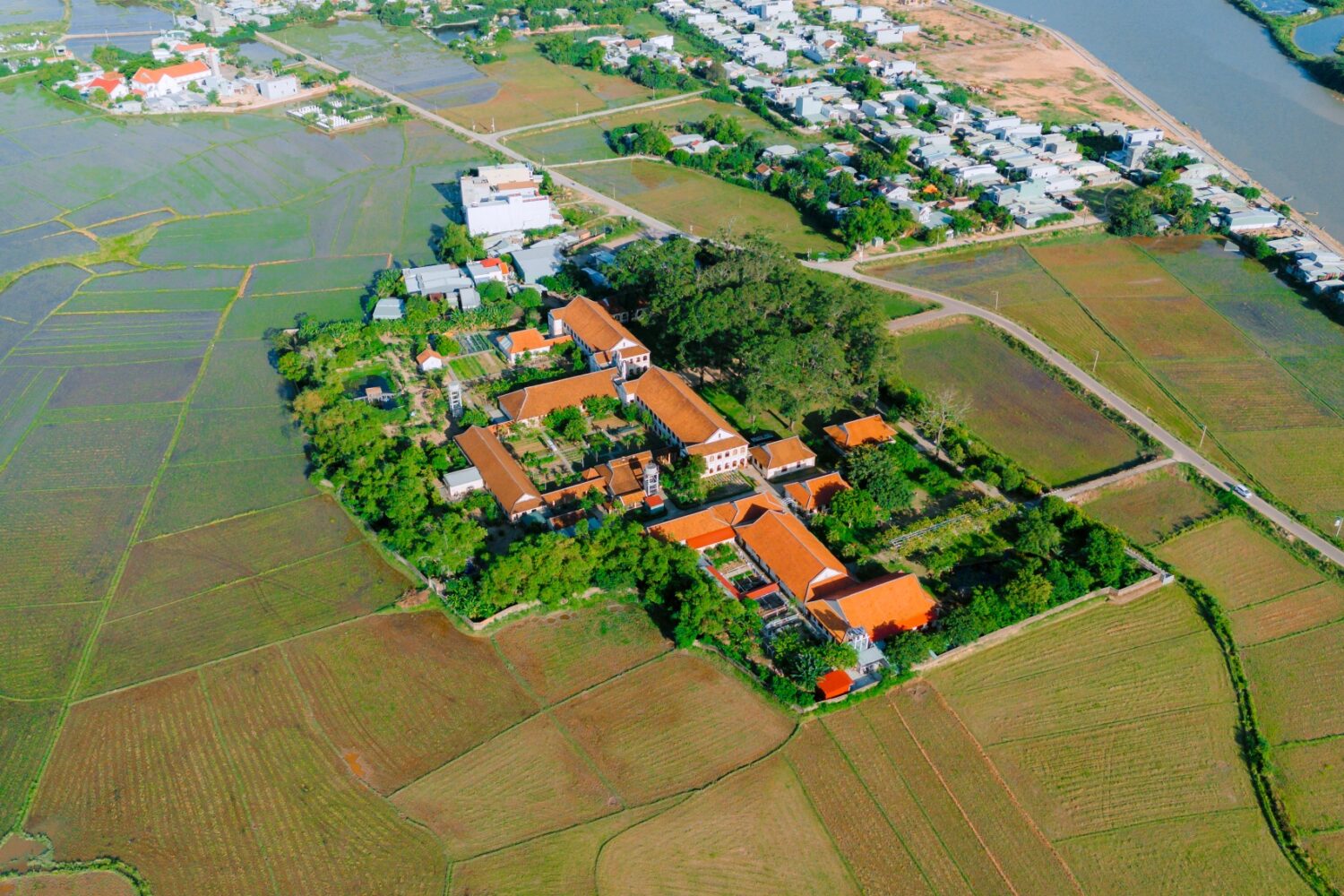
Lang Song Seminary, also known as Lang Song Minor Seminary or Lang Song Church, is one of the most fascinating historical landmarks near Quy Nhon. Located roughly 20 km from the city in the Tuy Phuoc countryside, this peaceful religious complex is known for its European Gothic-inspired architecture and its connection to the early development of modern Vietnamese publishing.
Surrounded by rice fields and mature trees, the seminary offers a different experience from Quy Nhon’s beaches and Cham towers. Visitors can admire its historic church, explore the quiet courtyard and learn about Lang Song Printing House, an important center for producing publications in Quốc ngữ, Vietnam’s modern Roman-alphabet writing system. Here’s what makes this lesser-known landmark worth visiting and how to plan your trip.
Where Is Lang Song Seminary?
Lang Song Seminary is located in Quang Van Hamlet, Tuy Phuoc Commune, Gia Lai Province, in the countryside northeast of central Quy Nhon. The area was formerly part of Binh Dinh Province before the administrative changes of 2025, so many maps and travel guides still use the older provincial address.
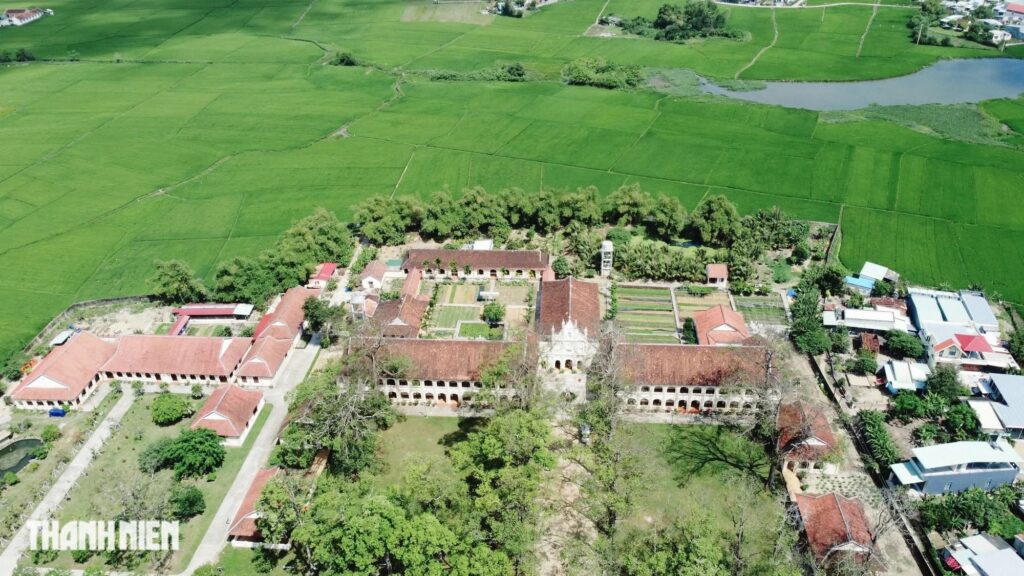
The complex stands amid agricultural landscapes, away from the city’s busy beachfront. Traveling there offers a glimpse of rural life, with fields, waterways and small communities surrounding the historic buildings.
Quick travel information:
- Location: Quang Van Hamlet, Tuy Phuoc Commune, Gia Lai Province
- Distance: Approximately 20 km from central Quy Nhon, depending on the route
- Travel time: Allow around 30–45 minutes by road
- Transport: Motorbike, taxi or private car
- Suggested visiting time: Approximately 45–90 minutes
- Best time to visit: Morning or late afternoon
- Opening hours: Traditionally 7:00–11:30 AM and 2:00–5:30 PM; confirm before visiting
- Main highlights: Gothic-inspired church, historic courtyard and printing-house heritage
Access to the church, seminary buildings and historical displays may differ. Contact the site before traveling, especially if you hope to visit the printing-house exhibition.
The History of Lang Song Seminary
From a Rural Seminary to a Historic Landmark
The origins of Lang Song Seminary date to the mid-19th century, when Catholic missionaries established a religious training center in the Tuy Phuoc area. Early buildings were modest structures made with materials such as bamboo and thatch, reflecting the rural surroundings of the time.
The site experienced considerable upheaval, including destruction in 1885. The architectural complex visitors recognize today developed through later rebuilding, with the existing church constructed during the 1920s and completed around 1927. These different periods explain why the seminary’s history is older than its present-day buildings.
The Story Behind Lang Song Printing House
Lang Song is particularly important because of its association with one of Vietnam’s early major printing centers for Quốc ngữ publications. The printing operation was established during the 19th century, suffered destruction in 1885 and was rebuilt in 1904 under Catholic missionary leadership.
During the early 20th century, the printing house produced religious texts, educational materials, newspapers and other publications in Vietnamese, French and Latin. Its contribution helped expand access to printed materials using Quốc ngữ. The surviving historical record and reconstructed printing-house displays offer a valuable insight into the development of modern Vietnamese literacy and publishing.
What to See at Lang Song Seminary
1. The Gothic-Inspired Church – Best for Architecture Lovers
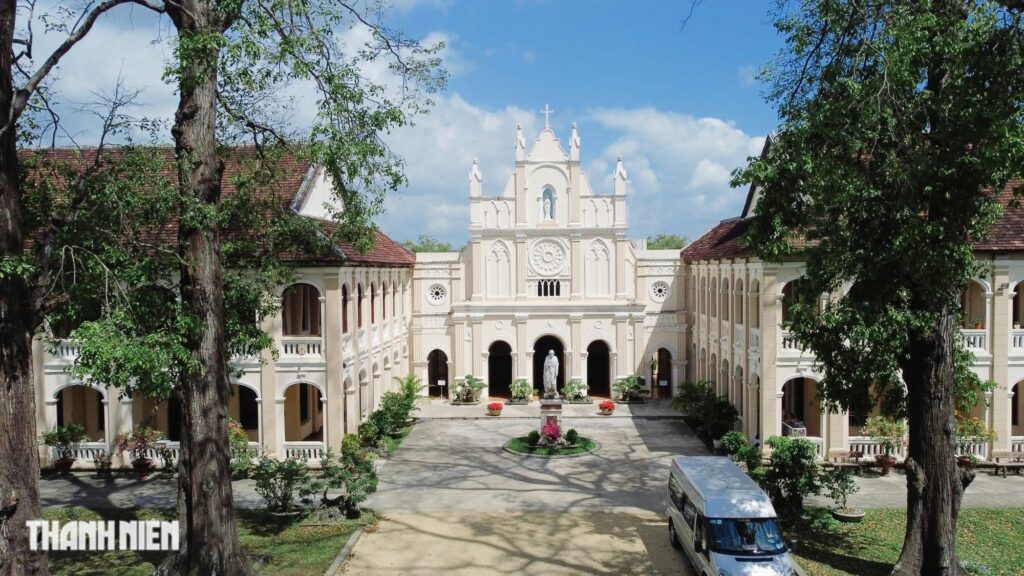
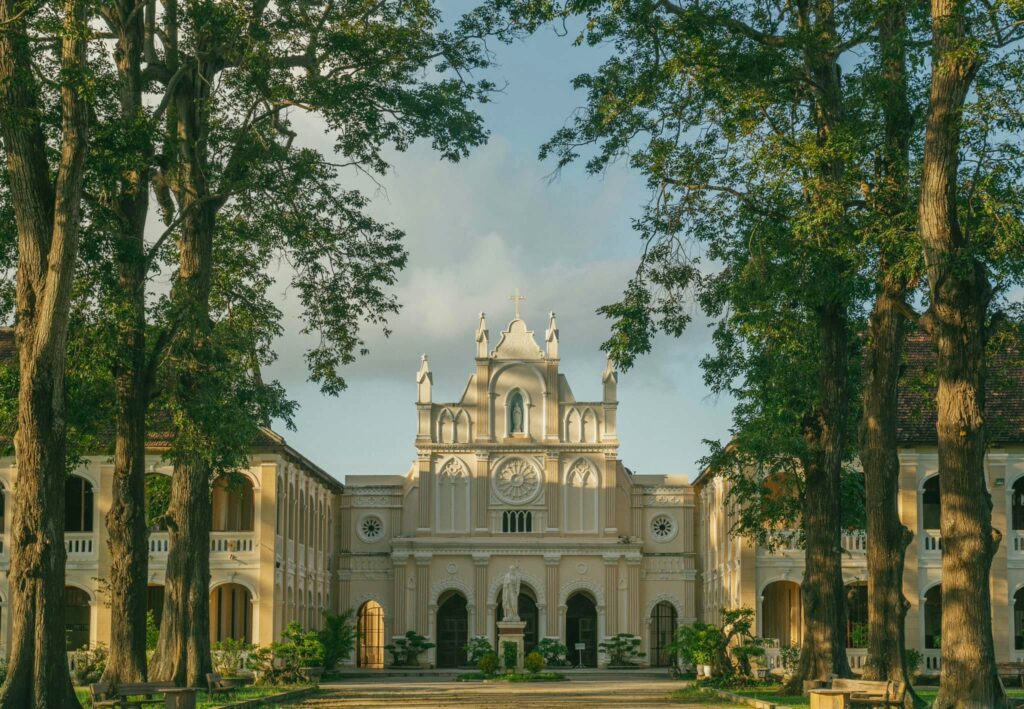
The church is the architectural centerpiece of Lang Song Seminary. Its pale-colored façade features pointed arches, symmetrical decorative details, religious statues and Gothic-inspired elements associated with European Catholic architecture. The building stands at the end of a spacious courtyard, creating an impressive view as visitors approach.
Unlike the towering cathedrals of major European cities, Lang Song has a quieter, more intimate character. Its architecture feels particularly distinctive against the surrounding Vietnamese countryside. Look closely at the façade, window patterns and entrance arches to appreciate the craftsmanship of the early 20th-century structure.
2. The Historic Courtyard – Best for Photography
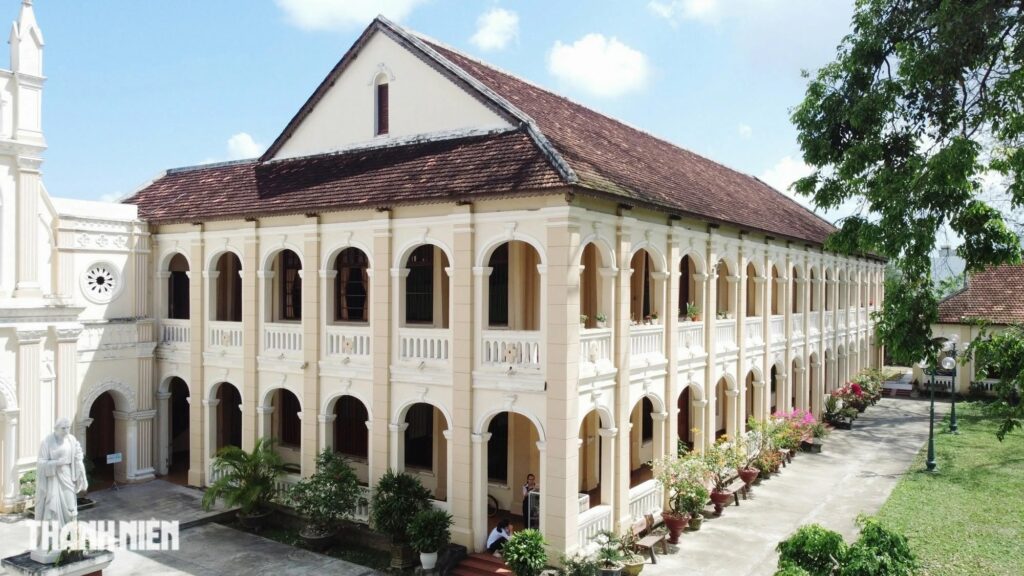
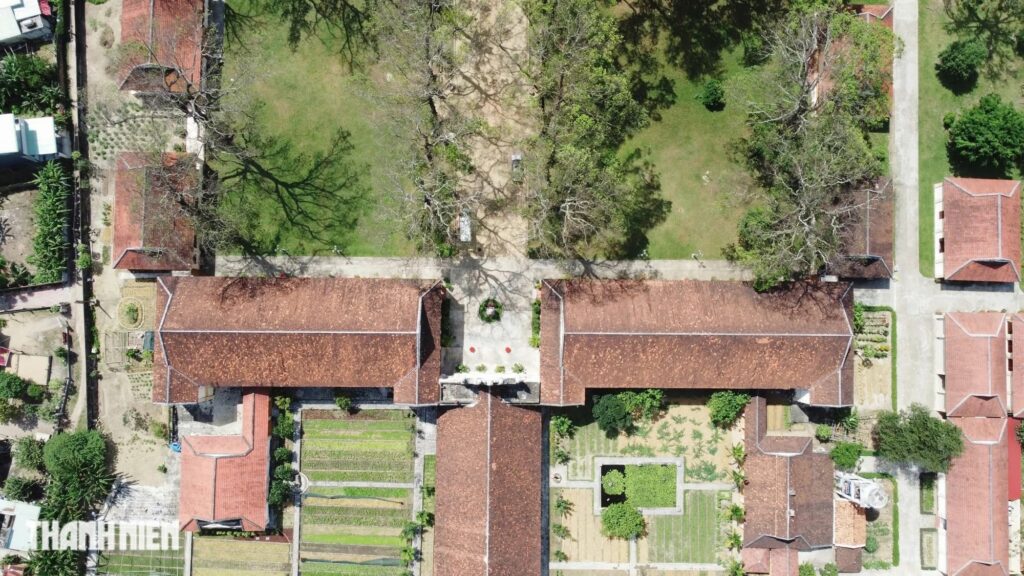
The seminary’s central courtyard is framed by long, two-story buildings with covered corridors and repeated arches. Their balanced arrangement draws the eye toward the church, creating one of the complex’s most recognizable architectural views.
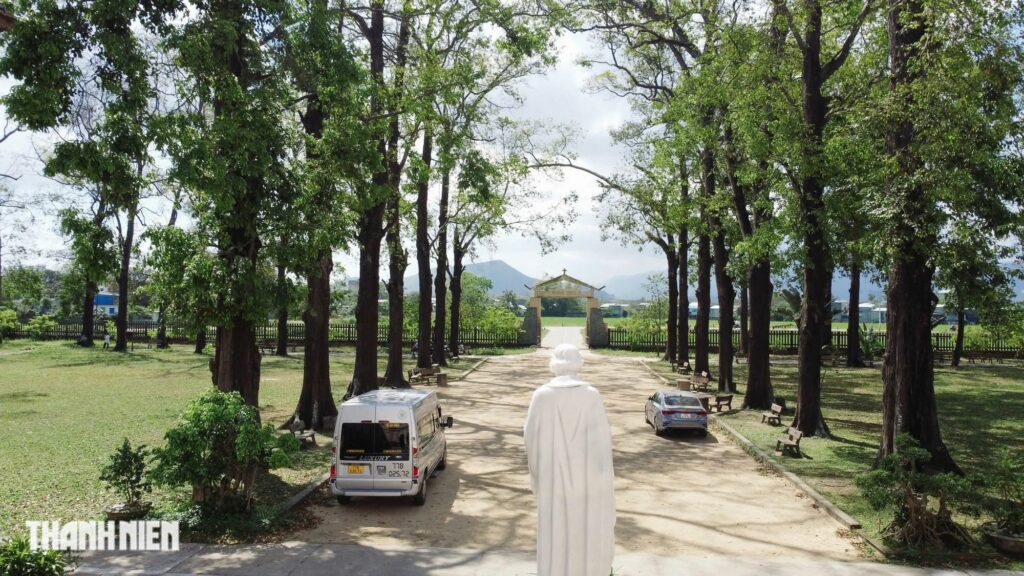
Mature trees provide shade around the grounds and contribute to the peaceful atmosphere. The courtyard is particularly attractive in the morning, when softer light highlights the pale walls and red-tiled roofs. Visitors should remember that this remains a religious property and avoid disturbing ceremonies or private activities while taking photographs.
3. Lang Song Printing House – Best for History Enthusiasts
The printing-house heritage is one of the strongest reasons to visit Lang Song. Historical exhibits have displayed old publications, reproduced book covers and archival materials connected to the site’s role in the spread of Quốc ngữ. These collections help explain why the complex matters beyond its architectural beauty.
However, the historical printing operation and the buildings visible today should not be confused. Several original structures were destroyed, and parts of the printing-house complex have been reconstructed. Access to the exhibition may require advance arrangements, so visitors interested in the documents should confirm availability before arriving.
4. The Surrounding Countryside – Best for a Peaceful Escape
One of Lang Song Seminary’s most distinctive features is its setting. Instead of standing in a busy city center, the complex is surrounded by fields and small rural roads. This contrast between Gothic-inspired architecture and agricultural scenery gives the site a character that is difficult to find elsewhere around Quy Nhon.
The surrounding landscape also makes the journey worthwhile for travelers interested in photography and everyday local life. Depending on the season, fields may appear lush green, golden or recently harvested. Enjoy the scenery from public roads and accessible viewpoints without entering private farmland.
- Binh Dinh Culture & History Tour: Tây Sơn Dynasty, Champa Towers, and Martial Arts
- Bánh Ít Towers Tour: A Journey Through Champa Legends
- The River of Time: Champa Heritage & Handicraft Villages
Why Is Lang Song Important to Vietnamese History?
To understand Lang Song’s significance, it helps to know what Quốc ngữ means. Modern Vietnamese is written using a Roman-based alphabet with additional letters and tone marks. Its development took place over centuries through the work of Vietnamese speakers, missionaries, scholars and later generations of writers and educators.
Lang Song was not the place where Quốc ngữ was invented. Its historical importance lies in printing and distributing publications that helped the writing system become more widely used. The printing house was part of a broader network that supported education, religious communication and the growth of modern Vietnamese literature.
For international visitors, this history offers an unexpected connection between a quiet countryside church and the evolution of Vietnam’s written language.
How to Get to Lang Song Seminary from Quy Nhon
By Motorbike – Best for Independent Travelers
A motorbike offers flexibility for experienced riders who want to explore the Tuy Phuoc countryside at their own pace. The journey passes through a mixture of urban streets and rural roads, with changing views of fields and local communities.
Search for “Tiểu chủng viện Làng Sông” or “Nhà thờ Làng Sông” on Google Maps before departure. Some smaller roads may be difficult to navigate without local knowledge, so follow updated directions and check the weather. Riding is best suited to travelers holding the appropriate driving licence and insurance.
By Taxi or Private Car – Best for Convenience
A taxi or private car is a comfortable alternative, particularly for couples, families and international visitors who prefer not to ride a motorbike. A direct journey generally takes less than an hour, although travel time depends on the starting point and road conditions.
Since Lang Song is located outside the city, arrange return transportation before leaving your hotel. If you want to combine the visit with other cultural attractions, a private car with planned waiting time may be more convenient than booking separate one-way rides.
Can You Combine Lang Song with Other Attractions?
Lang Song Seminary can be incorporated into a countryside heritage outing, especially if you’re interested in the region’s different architectural and religious traditions. Banh It Towers, an ancient Cham temple complex, provides an interesting contrast between Hindu-influenced Cham architecture and Lang Song’s later Catholic heritage.
A combined visit offers the opportunity to explore different periods of Central Vietnam’s history without focusing exclusively on coastal attractions. However, the sites are not adjacent, and the route should be planned carefully rather than assuming they can be visited on foot or within a very short transfer.
For a relaxed half-day trip, prioritize one or two destinations and allow time to appreciate their historical background.
Discover Quy Nhon’s Heritage with THICHTOURS
Lang Song Seminary reveals a side of the Quy Nhon region that many beach-focused visitors overlook. Its religious architecture and printing history complement the area’s ancient Cham monuments and local cultural traditions. THICHTOURS offers heritage experiences for international travelers interested in exploring the region’s history with local guidance. Contact the team to ask about suitable cultural tours and whether Lang Song can be included in a personalized itinerary, subject to access arrangements and availability.
- Hidden Gems in Quy Nhon: Nuoc Man Trading Port and Its Forgotten History
- Why Visit Quang Trung Museum? Exploring Tay Son History
- Banh It Towers: History, Tickets & Travel Guide
Practical Tips Before Visiting Lang Song Seminary
- Confirm access in advance: Seminary grounds and printing-house displays may have different visiting arrangements.
- Dress respectfully: Choose modest clothing suitable for an active religious site.
- Visit during cooler hours: Morning and late afternoon are generally more comfortable.
- Bring drinking water: There may be limited visitor services immediately around the complex.
- Wear comfortable shoes: You’ll likely spend time walking through the courtyard and surrounding grounds.
- Respect photography restrictions: Ask permission before photographing worshippers, clergy or restricted interiors.
- Allow for weather changes: Rural roads may be affected by heavy rain or localized flooding.
- Arrange your return journey: Don’t rely on finding an available ride-hailing car immediately outside.
Local tip: If your main interest is history rather than photography, try to arrange access to the printing-house exhibition before leaving Quy Nhon. The story of the publications gives the architecture a much deeper meaning.
Frequently Asked Questions
1. Where is Lang Song Seminary located? Lang Song Seminary is in Quang Van Hamlet, Tuy Phuoc Commune, Gia Lai Province, in the countryside near Quy Nhon. Older travel references may list the address under Binh Dinh Province.
2. How far is Lang Song Seminary from Quy Nhon? The site is approximately 20 km from central Quy Nhon, depending on your starting point and route. Allow around 30–45 minutes for the road journey.
3. Why is Lang Song Seminary famous? It is known for its Gothic-inspired architecture and its historic printing house, which played an important role in producing and distributing Quốc ngữ publications in Central Vietnam.
4. Was the Vietnamese alphabet invented at Lang Song? No. Quốc ngữ developed through a much longer historical process. Lang Song’s contribution was primarily connected to printing, publishing and the wider circulation of texts using the writing system.
5. Can tourists visit Lang Song Printing House? Historical displays have been available to visitors, but access may require advance contact with the religious community. Confirm whether the exhibition is open before traveling.
6. Is there an entrance fee for Lang Song Seminary? A current official entrance fee could not be reliably confirmed. Contact the site before visiting to ask about admission arrangements or any applicable charges.
7. Is Lang Song Seminary worth visiting? Yes, particularly for travelers interested in architecture, Vietnamese history, religious heritage and quiet countryside destinations. It offers a very different experience from Quy Nhon’s beaches and island tours.
Discover a Different Side of Quy Nhon’s History
Visiting Lang Song Seminary is an opportunity to discover how architecture, religion and publishing history intersect in Central Vietnam. Its graceful church façade and peaceful courtyard are memorable, but the story of Lang Song Printing House makes the destination particularly meaningful.
If you’re exploring Quy Nhon beyond the beaches, consider adding Lang Song to your cultural itinerary. Taking time to understand its history offers a richer perspective on the region and the people who helped shape its written heritage.