
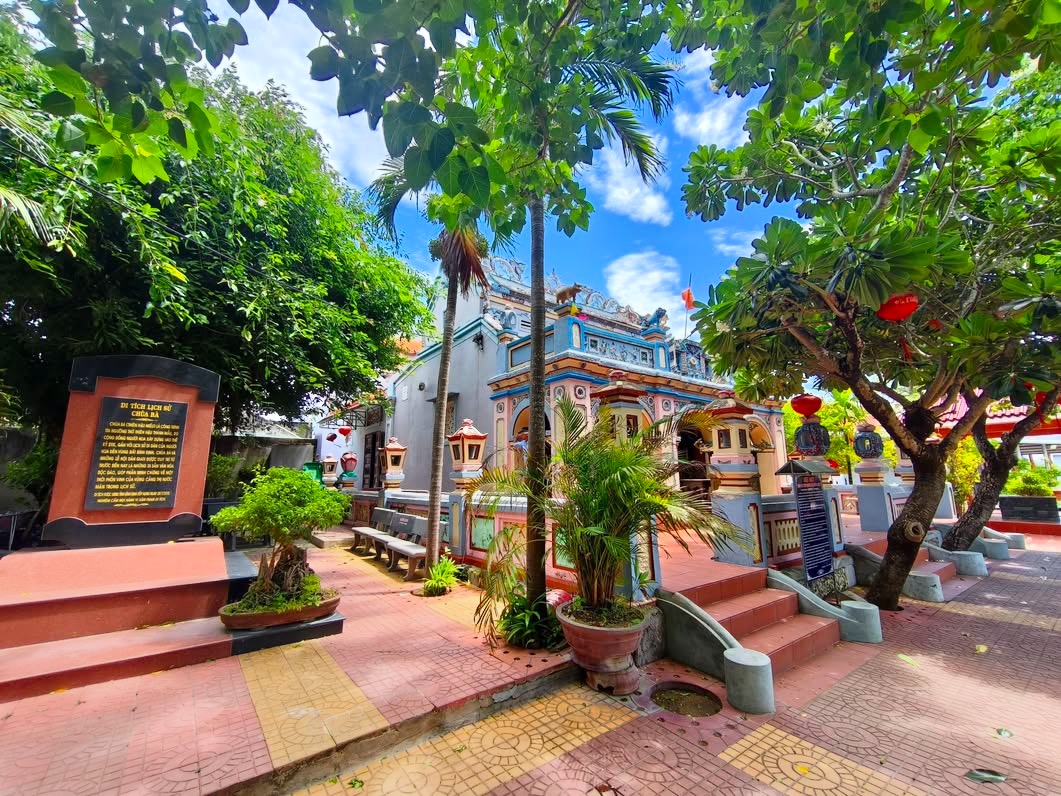
When travelers search for hidden gems in Quy Nhon, they often expect quiet beaches, fishing villages, or viewpoints beyond the usual tourist route. Yet one of the region’s most intriguing discoveries lies inland, where little remains of a trading port that once connected local communities with merchants from overseas.
Nuoc Man Trading Port flourished around the waterways linked to Thi Nai Lagoon and became an important commercial center several centuries ago. Today, visitors will not find a reconstructed old town filled with preserved merchant houses. Instead, Chua Ba Nuoc Man, local religious traditions, and historical traces provide clues to a much larger story.
For curious travelers, that contrast between an ordinary rural landscape and an extraordinary past is precisely what makes Nuoc Man worth discovering.
1. Nuoc Man Was Once a Busy Trading Port
It can be difficult to imagine Nuoc Man as a thriving commercial center when looking at the peaceful landscape today.
From around the 16th century onward, waterways connecting the area with Thi Nai Lagoon supported the growth of an important regional trading port. By the 17th and 18th centuries, merchants and ships from different places were connected with commercial activity here. Chinese communities, including migrants from Guangdong and Fujian, became part of the port’s growing merchant population.
Streets, trading activities, religious practices, and different cultural influences developed alongside this commercial expansion. The port eventually declined, leaving far fewer visible remains than better-known historic trading centers such as Hoi An.
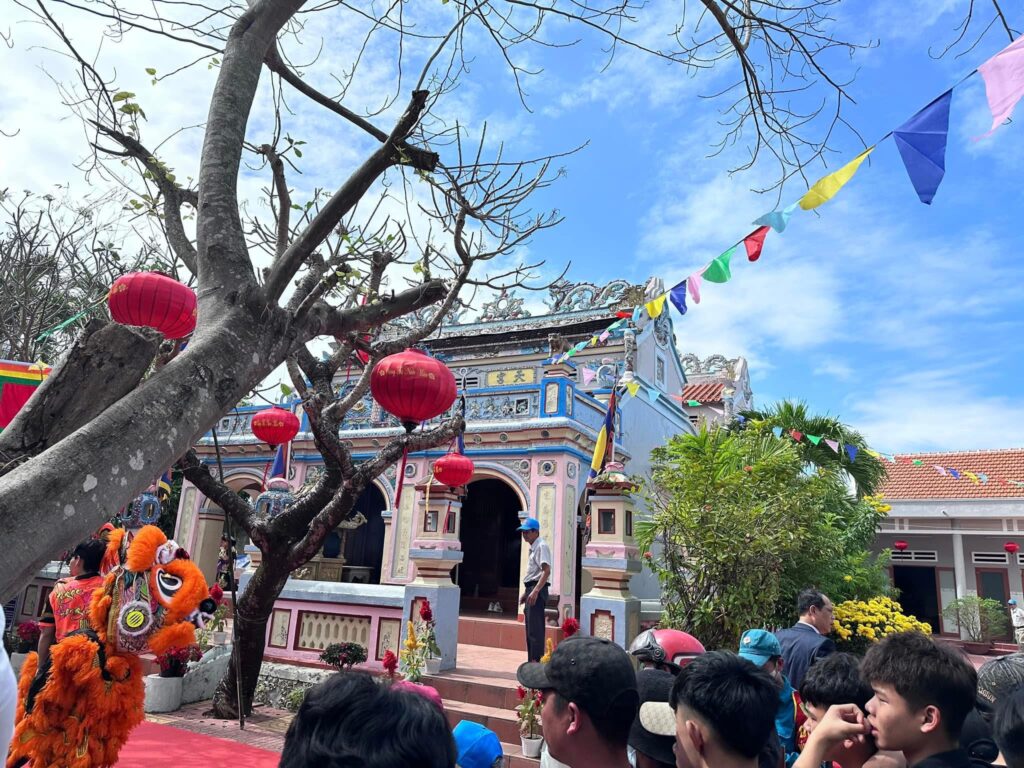
Lion-Dance Scene at Nuoc Man Temple. (Source: Collected)
2. Chua Ba Nuoc Man Preserves the Memory of the Old Port
Chua Ba Nuoc Man is the most meaningful place for travelers trying to understand what once existed here. The temple is associated with Thien Hau, a maritime deity traditionally revered by Chinese communities and people connected with seafaring. Its presence reflects the merchants and cultural exchanges that shaped Nuoc Man during the port’s prosperous period.
The temple also demonstrates how commerce and belief traveled together as communities settled around important maritime routes. Rather than viewing Chua Ba simply as another religious building, visitors can read it as surviving evidence of a vanished trading landscape. Among the hidden gems in Quy Nhon and nearby countryside, few places connect trade, migration, religion, and local history so quietly.
3. The Story Reveals Centuries of Vietnamese-Chinese Cultural Exchange
Nuoc Man was never interesting only because goods changed hands there. Chinese merchant communities brought beliefs and customs that gradually became part of the cultural landscape surrounding the port. Worship connected with Thien Hau and other traditional figures provides one visible example of this exchange.
Over generations, Vietnamese and Chinese cultural elements interacted rather than remaining completely separate from each other. The Chua Ba Nuoc Man Festival still reflects this history through ceremonies and community traditions preserved long after the commercial port declined.
For international visitors, the site offers an accessible way to understand how migration and maritime trade helped shape Central Vietnam beyond royal capitals and famous monuments.
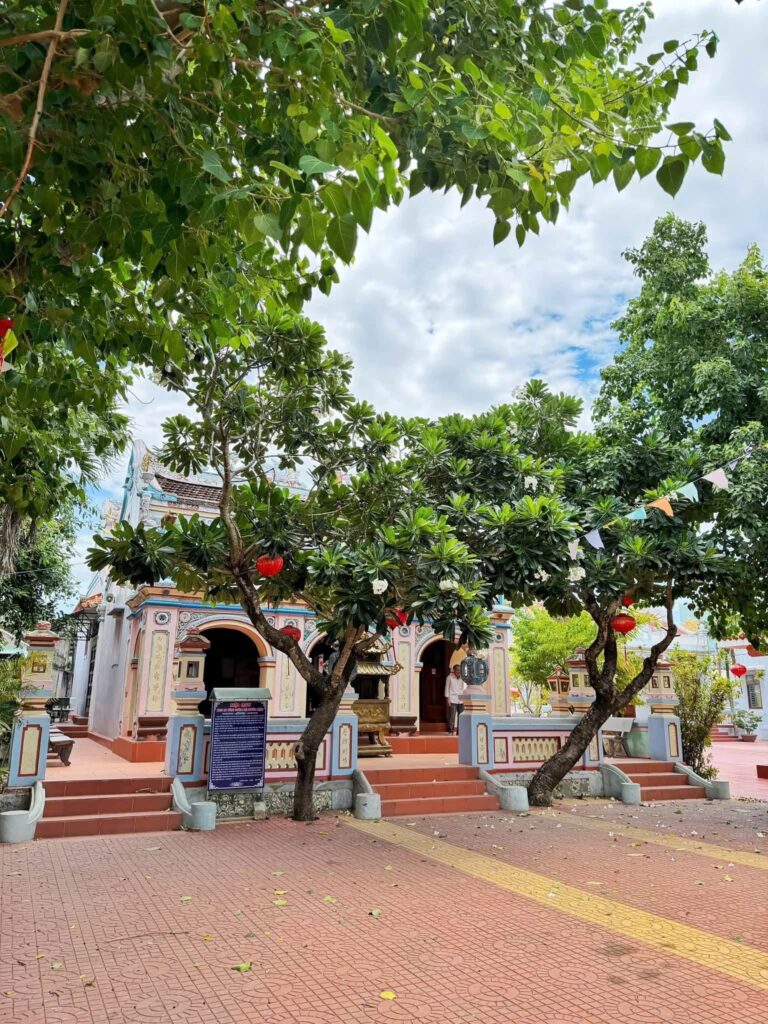
Nuoc Man Temple’s landscape
(Source: Collected)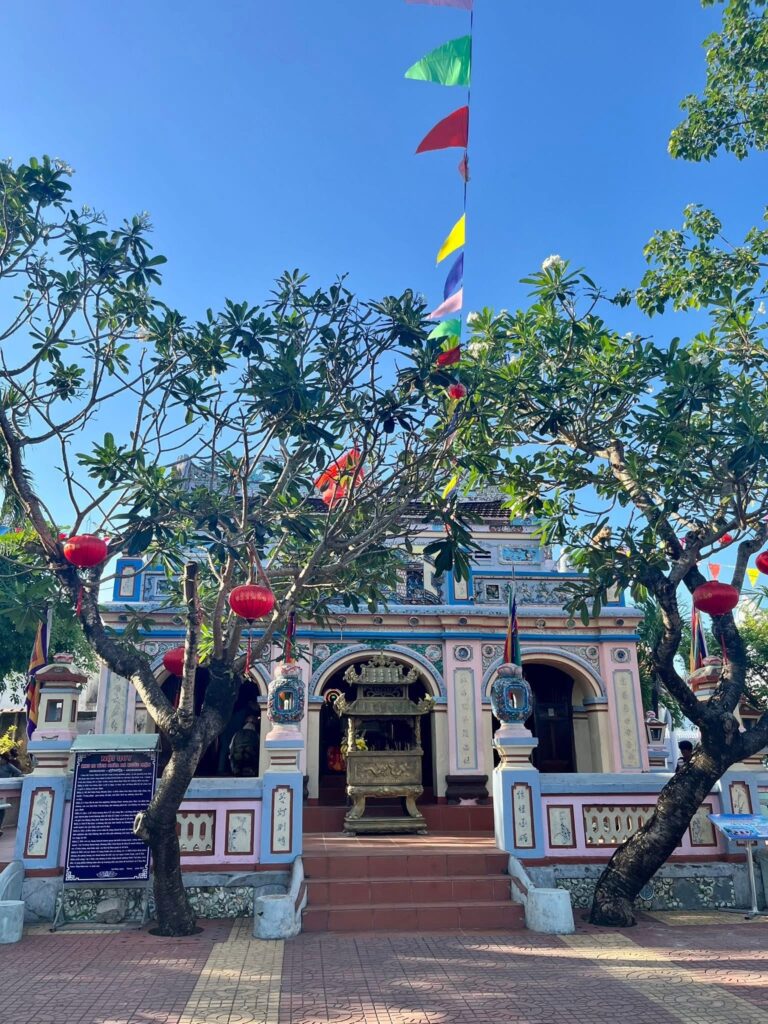
An ornate incense burner
(Source: Collected)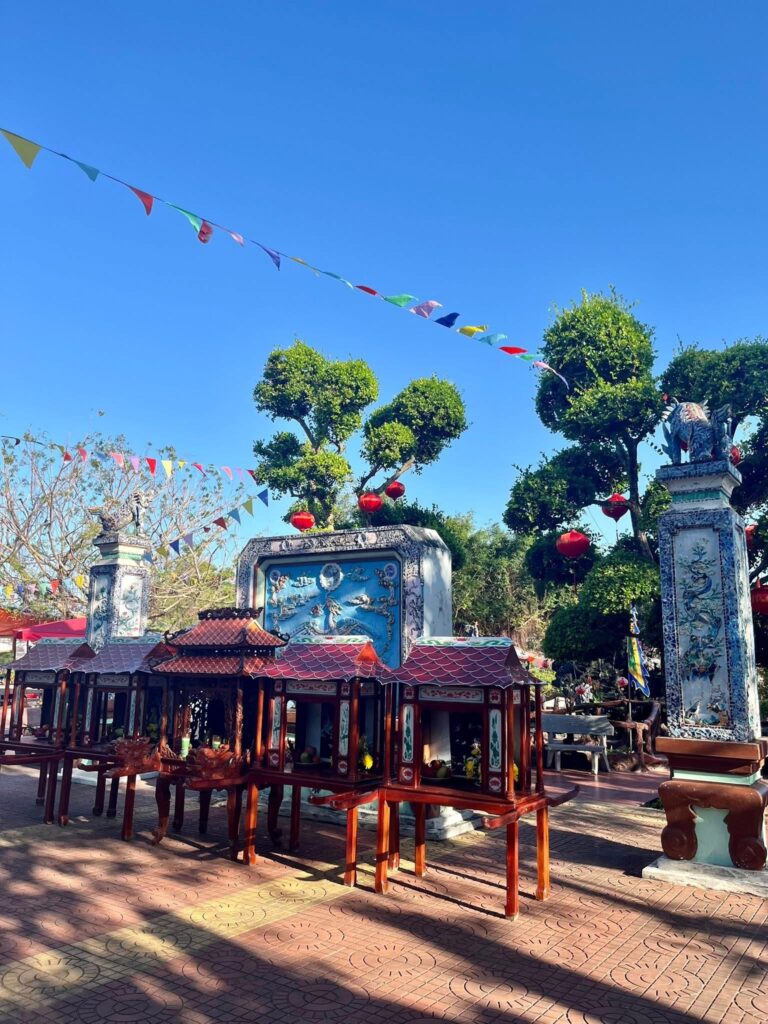
Wooden ceremonial palanquins
(Source: Collected)
4. Nuoc Man Also Has an Important Connection with Early Quoc Ngu
One of Nuoc Man’s most fascinating stories concerns the early development of the Romanized Vietnamese writing system known as Quoc Ngu. In the early 17th century, Jesuit missionaries including Francesco de Pina, Francesco Buzomi, and Cristoforo Borri worked in the Nuoc Man area.
Their efforts to learn Vietnamese contributed to early experiments in recording the language with the Latin alphabet. The writing system developed through the work of multiple missionaries and Vietnamese speakers across different places and generations, so its history should not be reduced to one inventor or location.
Nuoc Man is nevertheless increasingly recognized as an important early center in that longer process. This linguistic connection adds another surprising layer to a place already shaped by international trade, migration, and religious exchange.
5. The Chua Ba Nuoc Man Festival Brings the History Back to Life
The strongest time to experience Nuoc Man’s living heritage is during the traditional Chua Ba Nuoc Man Festival. The celebration has roots stretching back several centuries and developed alongside the prosperity of the old trading port.
Rituals and cultural activities preserve memories of the communities that once lived, worshipped, and traded in the area. The festival was recognized as part of Vietnam’s national intangible cultural heritage in 2022.
Visitors attending during the celebration can see that Nuoc Man is not simply an archaeological story preserved in books. Because festival dates follow the lunar calendar, international travelers should confirm the schedule for their specific travel year before planning a visit.
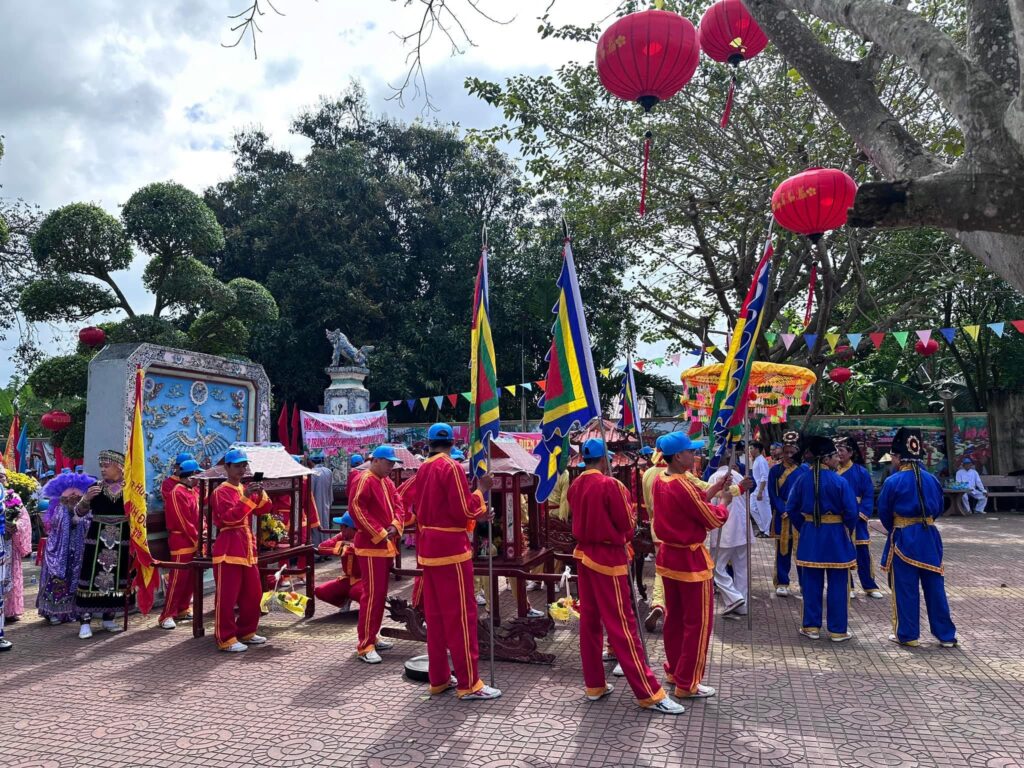
Ceremonial Flag Bearers at Nuoc Man Temple.
(Source: Collected)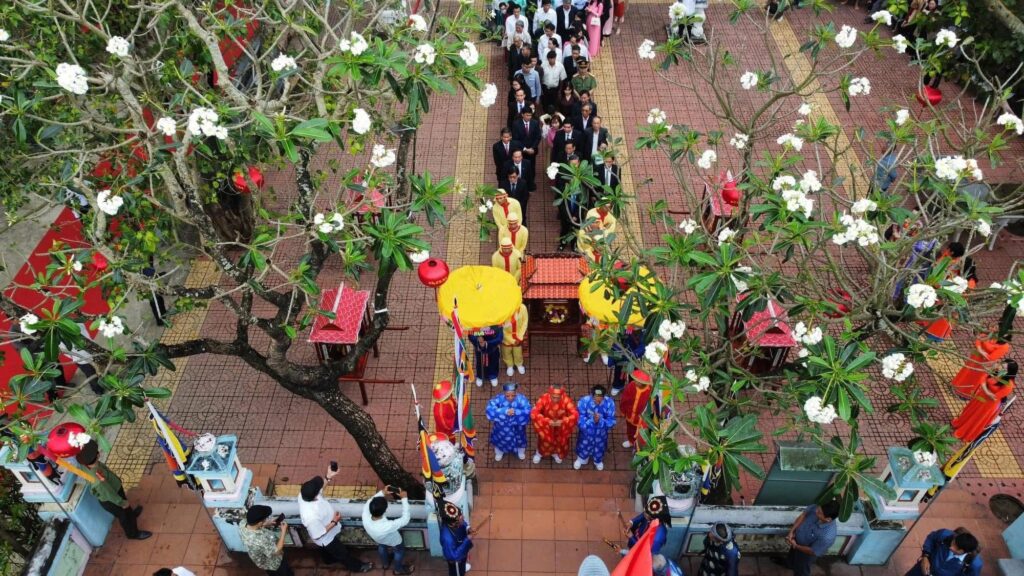
Nuoc Man Temple Procession Seen from Above.
(Source: Collected)
6. Nuoc Man Rewards Travelers Who Enjoy Places Without Tourist Packaging
Visitors should arrive with realistic expectations because Nuoc Man is not a polished heritage attraction resembling Hoi An Ancient Town. There are no long streets of restored merchant houses, souvenir stores, cafés, and photogenic façades recreating the former port.
Much of the reward comes from understanding what the landscape once represented and noticing the cultural traces that survived. This makes the destination better suited to history lovers than travelers seeking conventional sightseeing or entertainment. A local guide can add considerable value because many historical layers are difficult to recognize simply by walking around independently.
If your idea of hidden gems in Quy Nhon involves discovering stories rather than collecting famous photographs, Nuoc Man is a compelling detour.
What to See Around Nuoc Man
Chua Ba Nuoc Man
Best for: local history, religious heritage, Vietnamese-Chinese cultural exchange, and travelers interested in the former trading port.
Chua Ba is the essential stop because it provides one of the clearest surviving connections with Nuoc Man’s commercial past. The temple is associated with Thien Hau worship and the Chinese merchant communities that once settled around the port.
For international visitors, understanding this background before entering makes the architecture and religious symbolism considerably more meaningful.
The Historic Nuoc Man Area
Best for: history enthusiasts, slow travelers, and visitors interested in landscapes with stories beneath the surface.
Do not expect a clearly preserved ancient harbor filled with obvious archaeological structures. The historic value comes from understanding how the surrounding settlements and waterways once formed part of a much busier commercial landscape.
This is one place where historical interpretation matters more than the number of visible attractions.
Nuoc Man Historical Site
Best for: travelers interested in the early history of Quoc Ngu and cultural exchange between Vietnam and Europe.
The wider Nuoc Man area has become increasingly important in discussions about the early Romanization of Vietnamese during the 17th century.
This provides an interesting connection between a seemingly quiet countryside location and one of the most important developments in modern Vietnamese cultural history.
Chua Ba Nuoc Man Festival
Best for: traditional culture, community rituals, photography, and travelers visiting during the appropriate lunar-calendar period.
The festival offers a very different experience from visiting Chua Ba on an ordinary day. Ceremonies and cultural activities reveal how memories of the old port continue through living community traditions.
Check the confirmed festival dates for your travel year before arranging transportation.
Why Nuoc Man Feels Different from Quy Nhon’s Famous Attractions
Most first-time visitors associate Quy Nhon with Ky Co, Eo Gio, Hon Kho, seafood, and the long city beach. Nuoc Man tells a completely different story.
Instead of dramatic coastal scenery, it offers layers of maritime commerce, migration, religion, language, and cultural exchange. Instead of a famous viewpoint, the experience depends on understanding why an apparently modest landscape once mattered.
This difference makes Nuoc Man particularly valuable for travelers spending several days in Quy Nhon. After seeing the beaches and Cham towers, the old port adds another piece to the region’s historical puzzle.
It also challenges the idea that Central Vietnam’s international trading history belongs only to famous destinations such as Hoi An.
Nuoc Man or Hoi An: What Is the Difference?
Comparing Nuoc Man with Hoi An can help international visitors understand what they are about to experience. Both places were connected with maritime commerce and foreign merchant communities, but their surviving landscapes are dramatically different.
Hoi An preserves an extensive historic urban environment that visitors can explore through streets, merchant houses, temples, shops, and museums. Nuoc Man does not offer that type of preserved old-town experience.
Its story survives more quietly through religious heritage, historical research, local memory, festival traditions, and the geography surrounding the former port.
For that reason, Nuoc Man should not be promoted as a “mini Hoi An.” Its appeal comes precisely from being less reconstructed, less commercialized, and more dependent on discovering the history behind what remains.
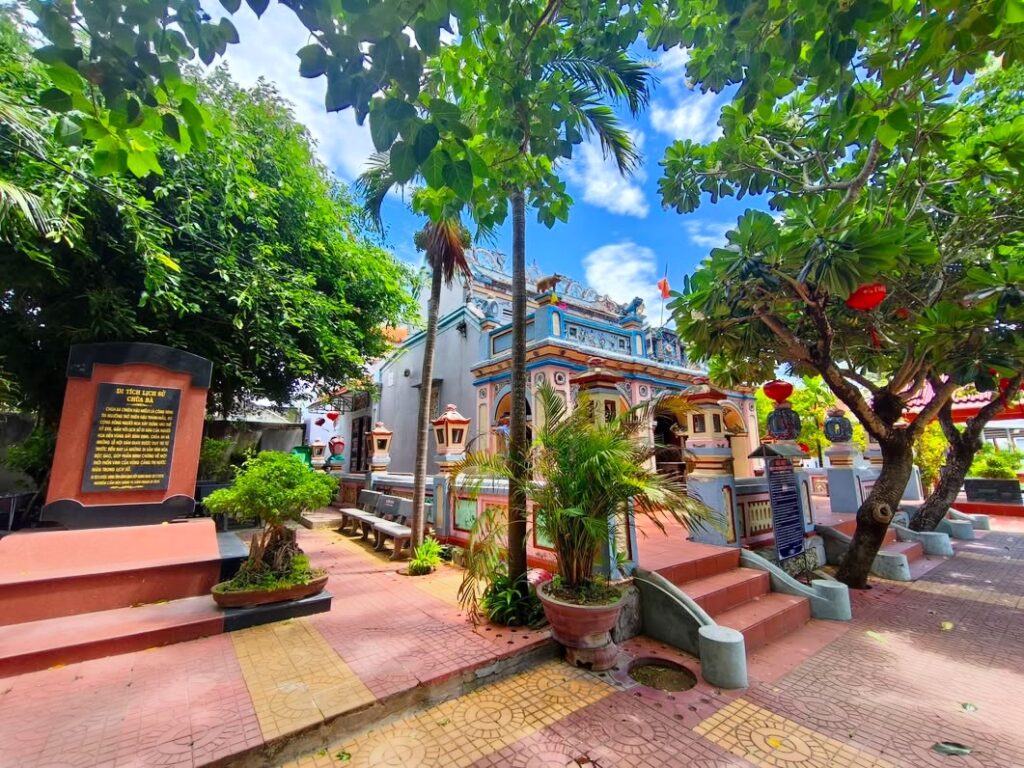
Nuoc Man Temple and Its Courtyard (Source: Collected) 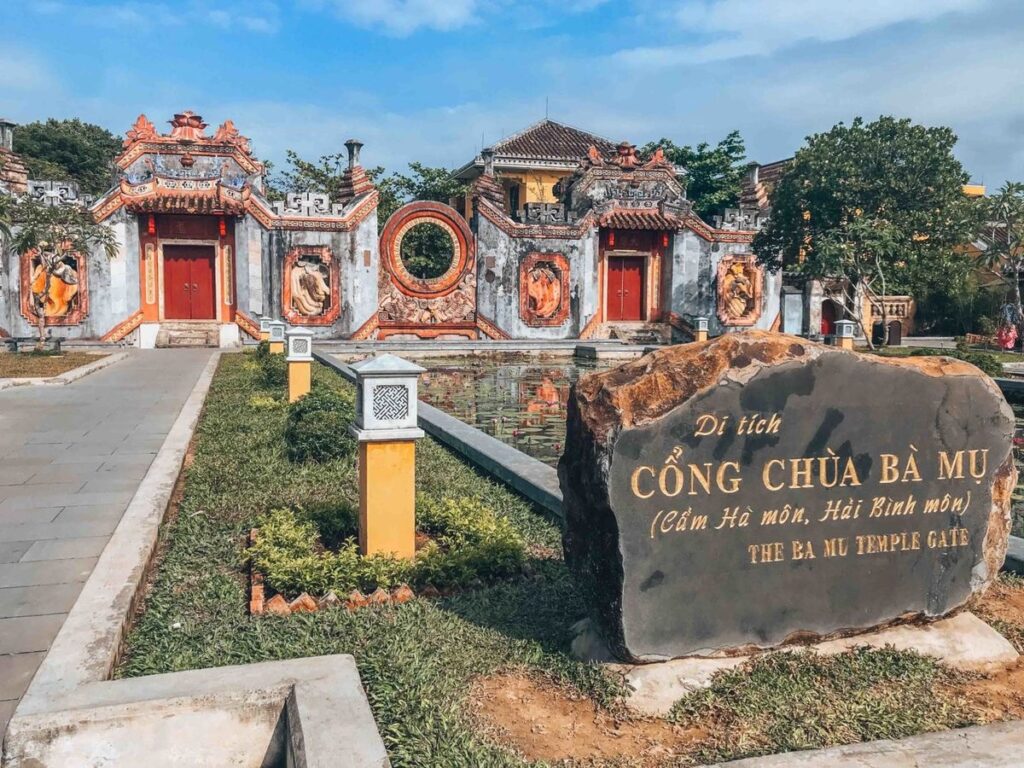
The historic Ba Mu Temple Gate in Hoi An (Source: Collected)
How to Include Nuoc Man in a Quy Nhon Itinerary
Nuoc Man works best as part of a cultural half-day or full-day journey rather than the only destination on an itinerary. The site lies outside central Quy Nhon, so combining nearby historical attractions makes better use of travel time.
One possible cultural route could connect Nuoc Man with Banh It Towers, another important heritage site in the Tuy Phuoc area. The contrast is particularly interesting because one tells a story of maritime trade and cultural exchange, while the other introduces the much older Champa civilization.
Travelers interested in religious history can also build a wider route around temples, pagodas, churches, and traditional communities outside central Quy Nhon.
The goal should not be to collect as many stops as possible. Two or three well-explained places usually create a stronger cultural experience than rushing through an entire list.
Who Should Visit Nuoc Man Trading Port?
Nuoc Man is particularly worthwhile for:
- Travelers interested in Vietnamese history beyond the major textbook destinations
- Visitors looking for less touristy cultural experiences
- People interested in maritime trade and historic port communities
- Travelers curious about Vietnamese-Chinese cultural exchange
- Visitors interested in the early development of Quoc Ngu
- Cultural photographers who enjoy community heritage rather than staged attractions
- Repeat visitors wanting to explore beyond Quy Nhon’s beaches and islands
Travelers with only one day in Quy Nhon may prefer the city’s major attractions first. If you have three or more days, however, Nuoc Man becomes much easier to include without sacrificing the coastal experiences that brought you here.
Practical Tips for Visiting Nuoc Man
Nuoc Man is around 25 kilometers from central Quy Nhon, so visitors should plan transportation rather than expecting to reach it comfortably on foot or by casual city exploration.
Allow time to visit Chua Ba slowly and understand its connection with the former trading port. The experience becomes significantly less meaningful if you arrive without knowing what the temple represents.
Dress respectfully when entering Chua Ba because it remains a place connected with religious and community traditions. Avoid interrupting worshippers or ceremonial activities for photographs.
If you visit during the festival, expect a much busier atmosphere than on an ordinary day. Confirm the festival schedule in advance because traditional dates follow the lunar calendar.
Opening arrangements and visitor information can change, so check current local information shortly before traveling.
More Hidden Gems to Combine with Nuoc Man

Banh It Champa towers 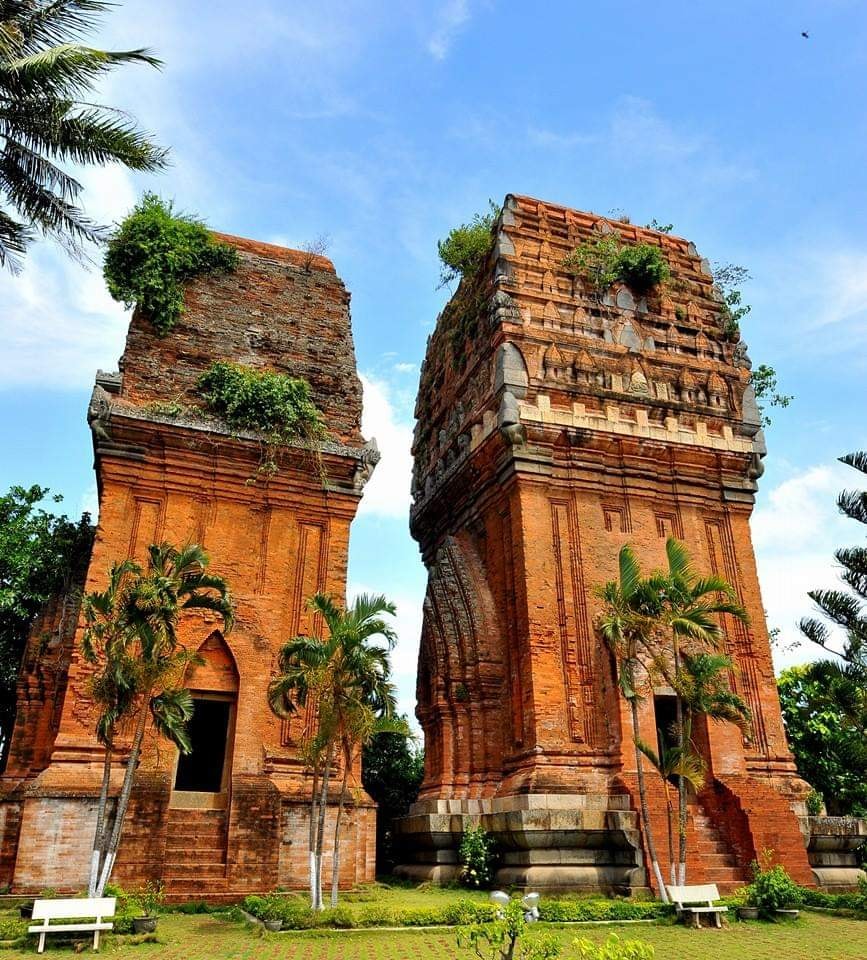
Quy Nhon Twin Champa Tower 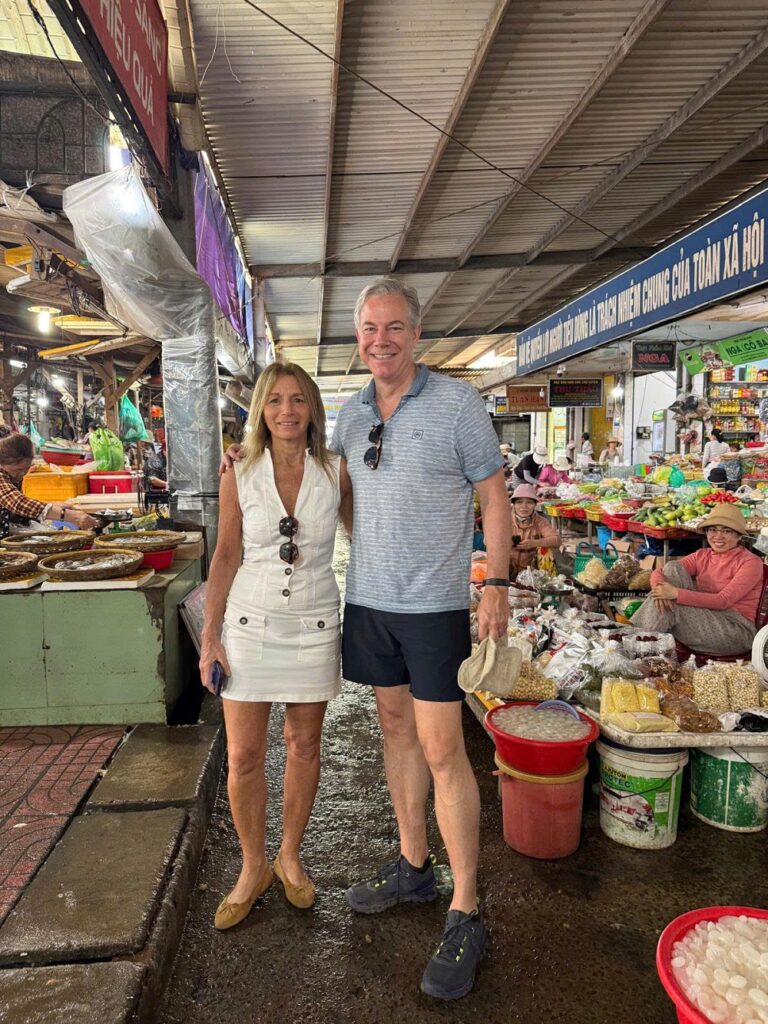
Dam Market
Banh It Towers
Banh It provides a strong historical companion to Nuoc Man because it introduces an earlier cultural layer of the region. The hilltop Cham complex also adds architecture and landscape views to a day otherwise focused on trading and community history.
Best for: archaeology, Champa history, architecture, and photography.
Twin Towers
Travelers staying in central Quy Nhon can begin their heritage exploration here before venturing into the countryside. Twin Towers offer an accessible introduction to Champa architecture and help demonstrate how many historical periods overlap around modern Quy Nhon.
Best for: first-time visitors and travelers with limited time.
Dam Market
Dam local market creates an interesting contrast with the historical trading story of Nuoc Man. Although the two places belong to completely different periods and scales, visiting both highlights how commerce remains woven into everyday local life.
Best for: local food, everyday culture, market photography, and first-time visitors.
Traditional Villages Around Binh Dinh
Craft and rural communities can extend the journey beyond monuments into living traditions. They work particularly well for travelers who want to understand how local livelihoods, food, crafts, and community life continue outside central Quy Nhon.
Best for: slow travel, cultural travelers, families, and visitors seeking less touristy experiences.
Recommended Thich Tours Experiences
The Taste of Heritage: From Sacred Banh It Towers to Local Flavors
This half-day experience is a natural companion to a Nuoc Man visit because Banh It Towers introduces another major historical layer around the Tuy Phuoc area.
The experience combines Champa heritage with regional food, making it suitable for visitors who prefer history alongside everyday local culture.
Best for: couples, cultural travelers, photographers, and first-time visitors interested in exploring beyond the beaches.
Travelers especially interested in Nuoc Man could ask the local team about building a customized cultural itinerary around the wider area.
>> Discover Half-day Private Tour: The Taste of Heritage: From Sacred Banh It Towers to Local Flavors
Quy Nhon Heritage & Local Life Tour
This tour provides a useful introduction before exploring more obscure hidden gems in Quy Nhon independently. It combines Quy Hoa Village, the regional museum, Dam Market, Twin Towers, and local food.
Best for: first-time international visitors who want to understand the region before visiting lesser-known historical places.
>> Discover Half-day Private Tour: QUY NHƠN HERITAGE & LOCAL LIFE TOUR
Discover 1 Day Champa Tower Tour in Binh Dinh
Travelers who become interested in the deeper history surrounding Quy Nhon may want to dedicate a full day to the region’s Champa heritage.
The current journey connects Twin Towers, Banh It, and Duong Long, allowing visitors to compare different architectural complexes rather than seeing one isolated monument.
Best for: history lovers, architecture enthusiasts, photographers, and travelers building a heritage-focused itinerary.
Nuoc Man can then become a separate chapter in the journey, revealing the later maritime and multicultural history that developed centuries after these Cham monuments.
>> Discover Half-day Private Tour: Discover 1 day Champa Tower tour in Binh Dinh
Is Nuoc Man Trading Port Worth Visiting?
Nuoc Man will not appeal to every traveler, and that is part of what makes it interesting. If you want dramatic scenery, swimming, or immediately recognizable landmarks, Quy Nhon’s coast offers stronger choices.
But if you enjoy standing somewhere quiet and discovering that the landscape once connected merchants, migrants, missionaries, religious traditions, and distant trading networks, Nuoc Man offers something very different.
Chua Ba provides the strongest surviving doorway into that story. The traditional festival keeps part of the community memory alive, while research into early Quoc Ngu adds another unexpected historical dimension.
Among the hidden gems in Quy Nhon, Nuoc Man deserves attention not because it has remained perfectly preserved, but because so much of its significance is easy to overlook.
Come for the forgotten trading port, but leave with a broader understanding of how international connections have shaped this part of Central Vietnam for centuries.
FAQ
What was Nuoc Man Trading Port?
Nuoc Man was a historic trading-port settlement connected with the waterways around Thi Nai Lagoon. It became an important commercial center where local and overseas merchant communities interacted several centuries ago.
Where is Nuoc Man Trading Port?
The historic Nuoc Man area is in the Tuy Phuoc area, roughly 25 kilometers from central Quy Nhon. Chua Ba Nuoc Man is one of the most important surviving places associated with the former port.
What can visitors see at Nuoc Man today?
Visitors should not expect a preserved ancient town. Chua Ba, the surrounding historic landscape, festival traditions, and sites connected with the area’s cultural history provide the main reasons to visit.
Why is Chua Ba Nuoc Man important?
Chua Ba is associated with Thien Hau worship and reflects the Chinese merchant communities connected with Nuoc Man’s commercial history. It also remains an important focus of local religious and festival traditions.
Is Nuoc Man connected with the Vietnamese alphabet?
Nuoc Man was an important early location where Jesuit missionaries studied Vietnamese and experimented with Latin-script transcription during the 17th century. Quoc Ngu developed through contributions from multiple people and places over a much longer period.
Is Nuoc Man worth visiting from Quy Nhon?
Yes, particularly for travelers interested in history, local culture, maritime trade, religion, and lesser-known heritage. It works best when combined with other cultural sites rather than treated as a conventional tourist attraction.