
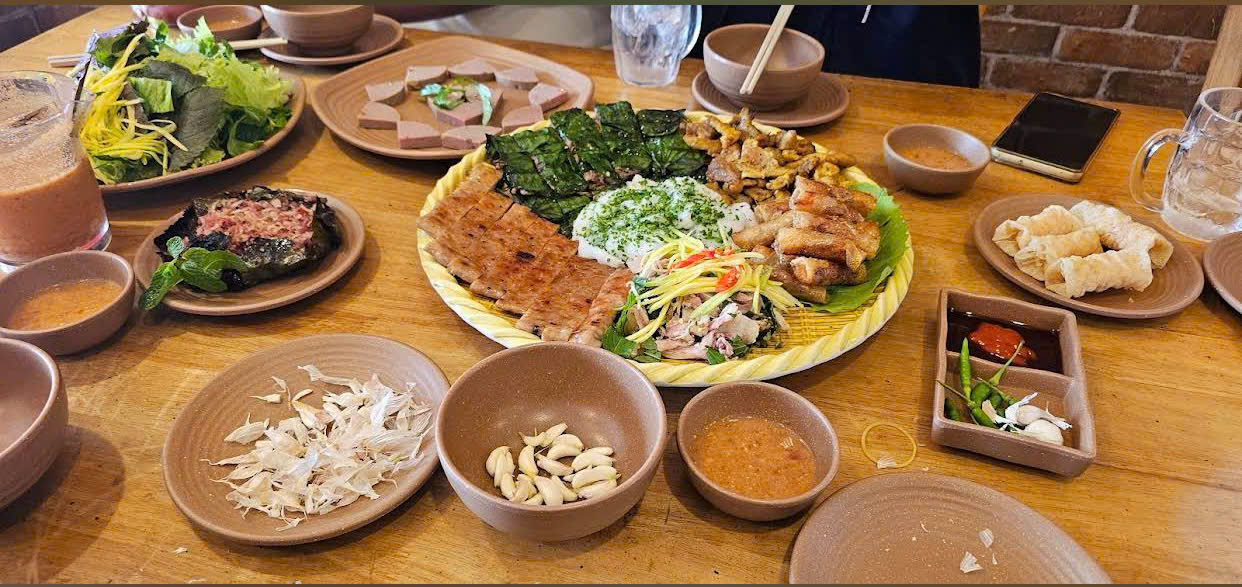
Discovering local products in Quy Nhon is one of the easiest ways to understand the culture beyond beaches and coastal scenery. Bình Định has a strong tradition of food making, family businesses, craft villages, and products shaped by everyday local life.
Some specialties are designed for sharing at home, while others carry stories connected to villages outside Quy Nhon. Food gifts remain the easiest choices, but handmade crafts can offer a deeper connection with the region.
For international visitors, choosing carefully also matters because packaging, luggage space, and customs rules can affect what travels home. Exploring these products turns ordinary shopping into another way of discovering the character of Quy Nhon.
1. Start with Food Specialties That Tell a Bình Định Story
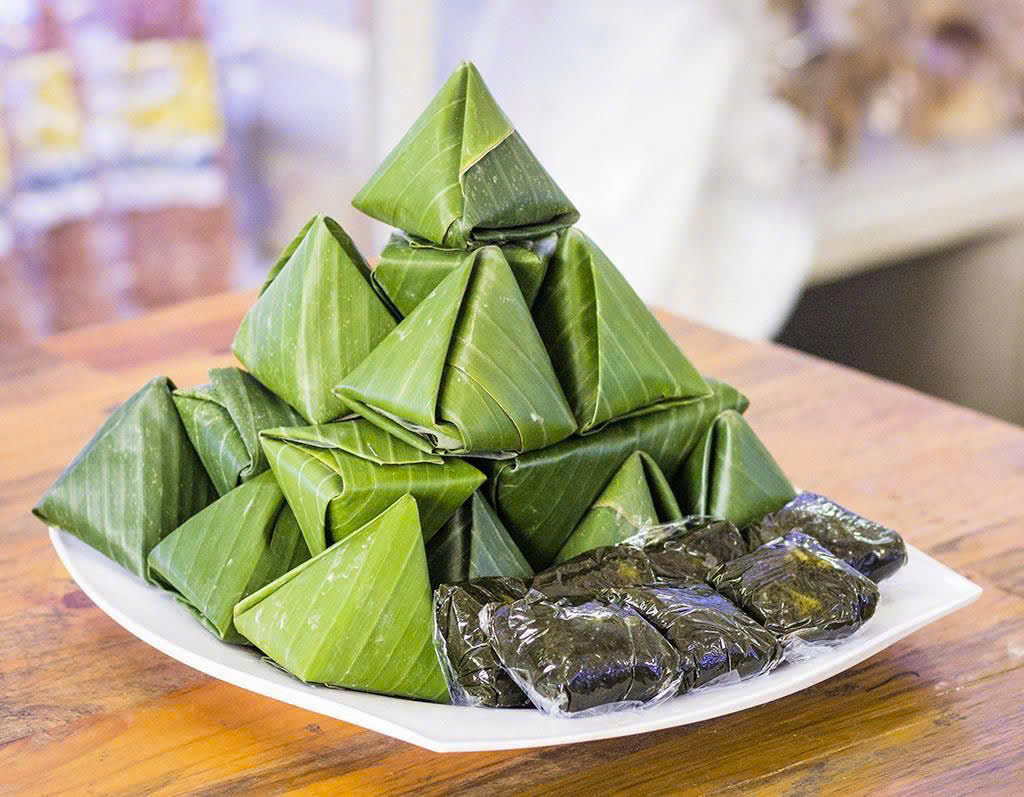
Food is often the most approachable introduction to local products in Quy Nhon, especially for travelers visiting Bình Định first. Bánh ít lá gai is closely associated with the province and combines sticky rice flour, sweet filling, and aromatic ramie leaves.
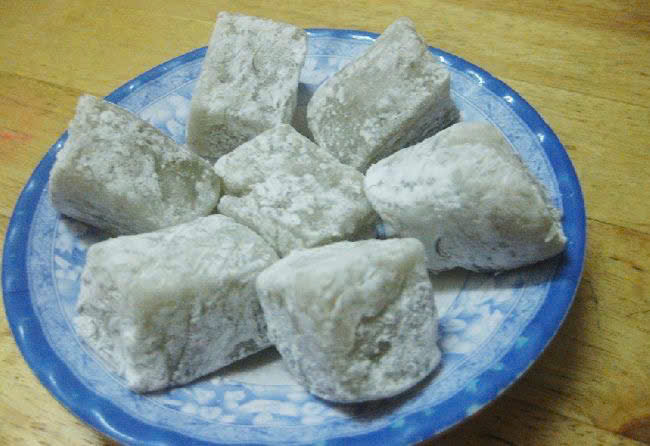
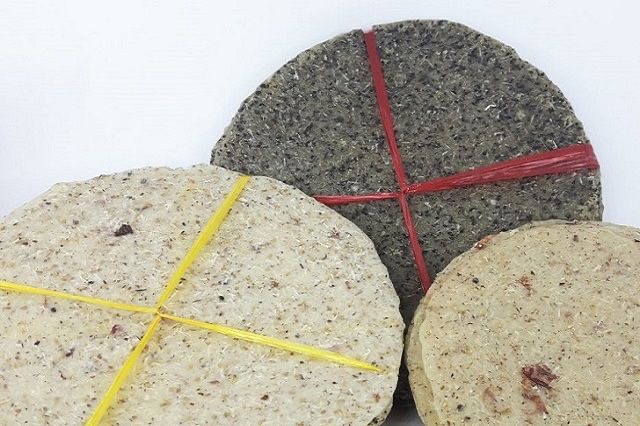
Coconut rice paper from Tam Quan offers a very different experience, with coconut flavors and a crisp texture after grilling. Song thằn noodles are another regional specialty connected with An Nhơn and traditional methods developed within the surrounding area.
Visitors may also encounter packaged sweets, dried seafood, fermented products, and other regional foods in specialty stores around Quy Nhon. Choose sealed products with clear labels and suitable shelf lives when buying gifts for an international journey.
>> Best Souvenir Shops in Quy Nhon: Where to Buy Local Gifts.
2. Some Local Gifts Are Better Eaten Fresh
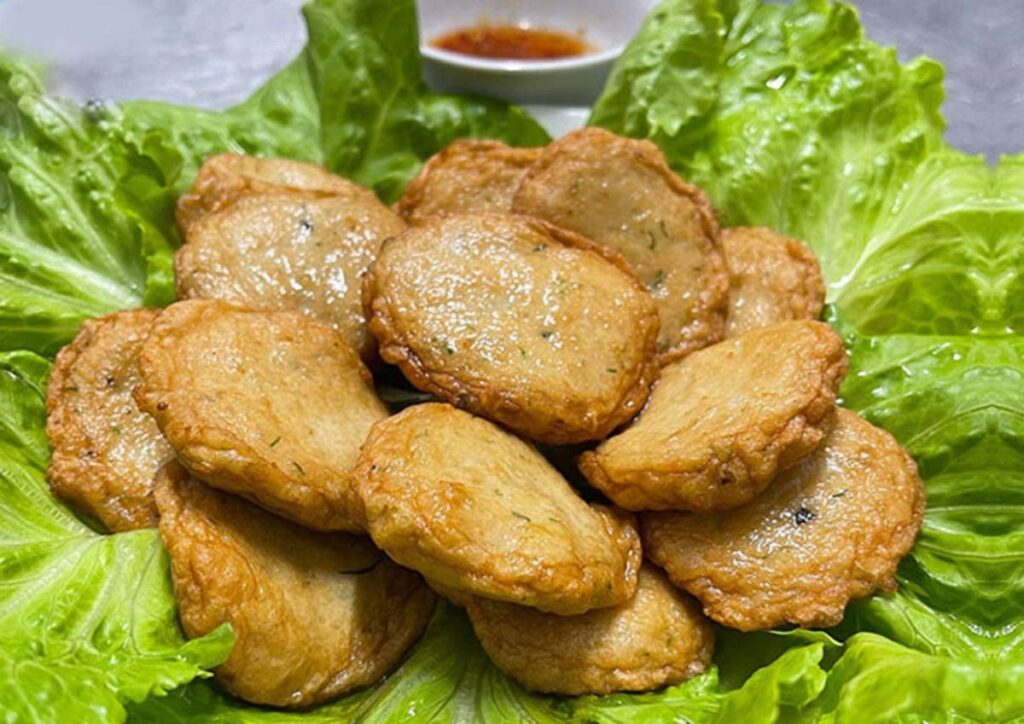
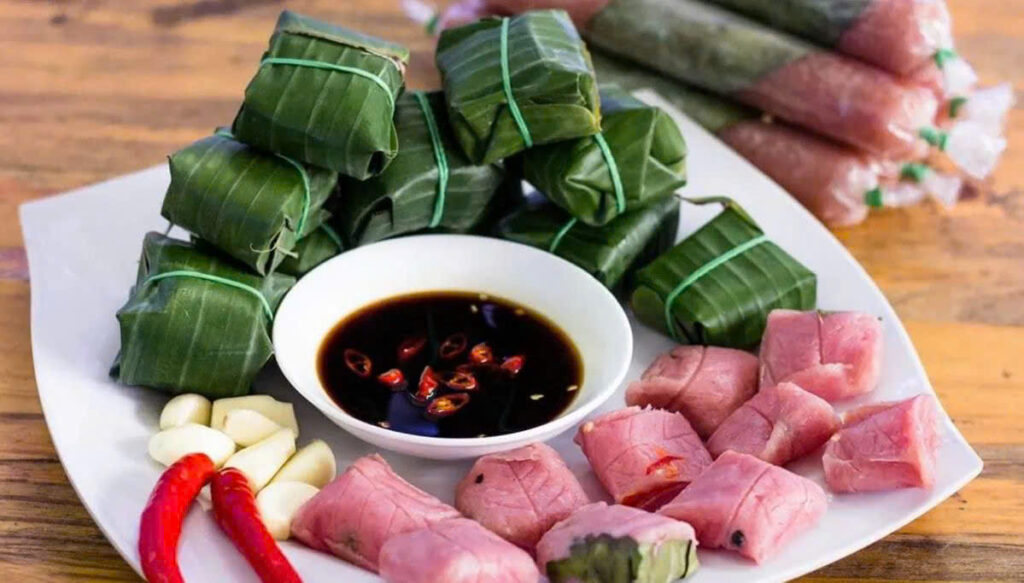
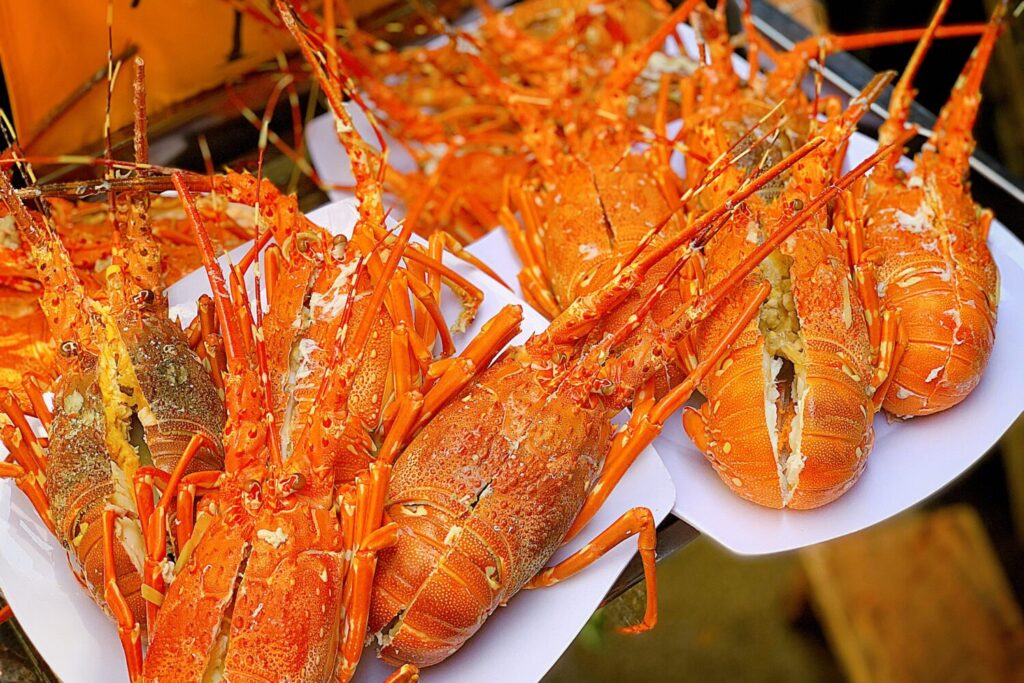
Not every Bình Định specialty belongs inside a suitcase, and some are better enjoyed while you are still here. Fresh bánh ít, fermented pork products, fish cakes, seafood, and local pancakes can depend heavily on storage and preparation.
Tasting them locally also provides context that disappears when food becomes simply another packaged souvenir. A market visit or guided food experience lets visitors see how ingredients appear in everyday meals around Quy Nhon. It also creates opportunities to understand unfamiliar flavors before deciding which packaged versions are worth purchasing later.
For overseas travel, always check airline and destination customs requirements before packing meat, seafood, or agricultural products.
3. Handmade Crafts Reveal Another Side of Bình Định
Beyond food, local products in Quy Nhon connect travelers with traditional crafts that have survived across communities around Bình Định.
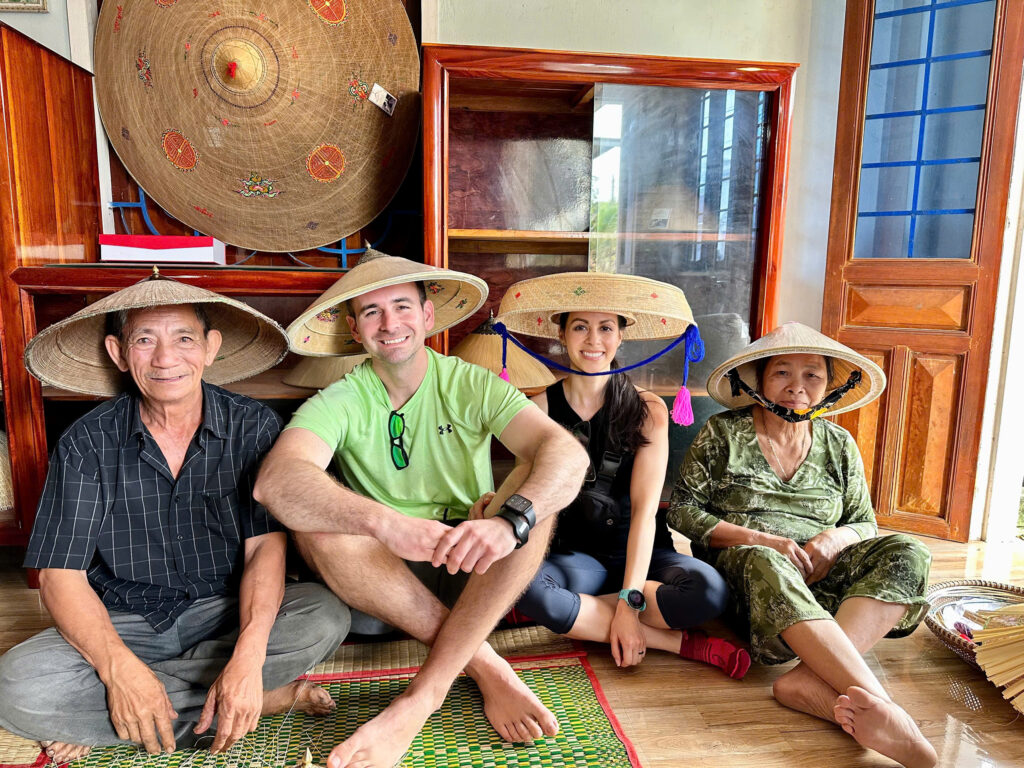
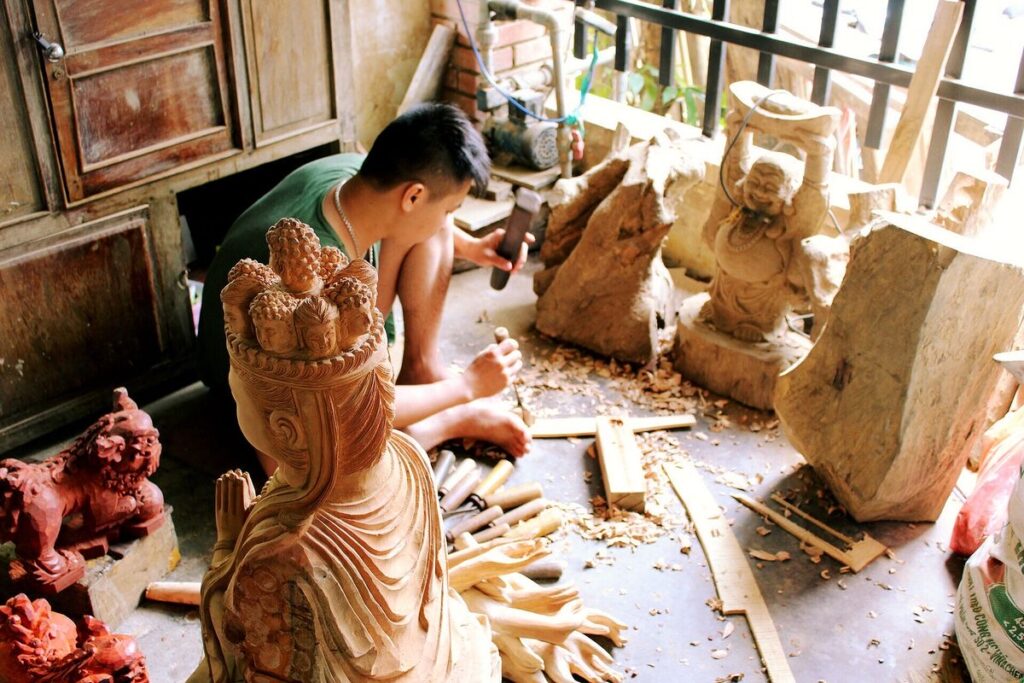
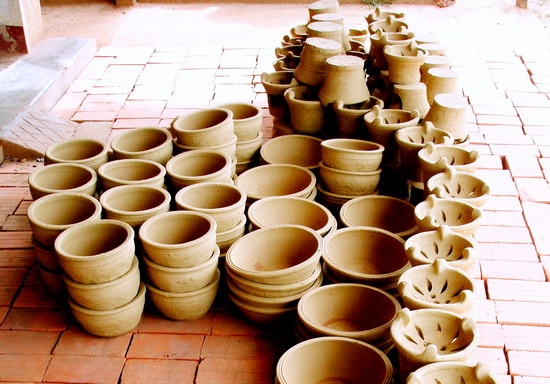
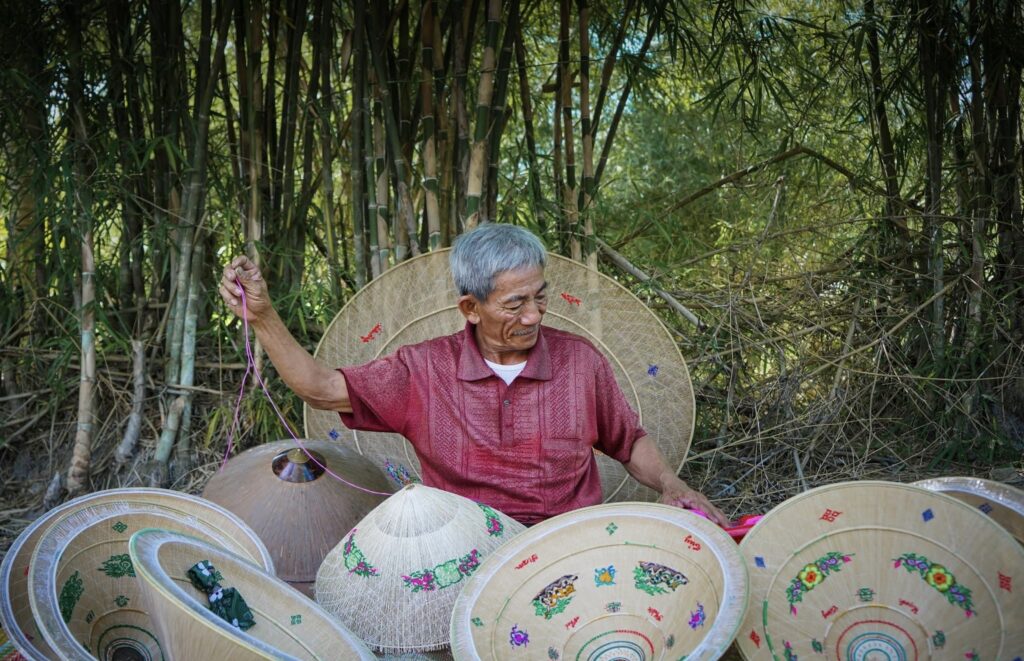
Phú Gia is especially known for its traditional conical hats, including the distinctive horse hat associated with local cultural identity. Nhơn Hậu maintains a wood-turning tradition, producing decorative and practical objects through skills passed between generations of craftspeople. Other regional traditions include pottery, metalwork, weaving, bamboo work, and brocade created within communities farther from the city.
These products become more meaningful when visitors understand who makes them, what materials are used, and why the craft developed. A craft-village visit can therefore offer more cultural value than purchasing an anonymous souvenir from a general tourist stall.
- Top 5 Traditional Craft Villages Near Quy Nhon Worth Exploring
- Binh Dinh Cultural Bicycle Tour – Discover Traditional Craft Villages
4. Choose Souvenirs for Meaning, Not Only Convenience
A good souvenir should remind you of a place rather than simply display the name of that destination. Food specialties work well for sharing, while handmade objects often provide a longer-lasting connection with regional culture.
Consider suitcase space, fragility, weight, and customs regulations before choosing anything large or difficult to transport internationally. Smaller crafts, packaged foods, textiles, or carefully selected everyday objects usually travel more comfortably than bulky decorative pieces.
When craftsmanship matters, ask where an item was made rather than assuming every “local” product originates in Bình Định. This simple question makes shopping more thoughtful and helps distinguish regional products from generic tourist merchandise.
5. Where You Buy Can Change the Experience
Travelers can discover local products in Quy Nhon through specialty stores, traditional markets, craft villages, and smaller independent retailers. A specialty shop is useful when you need packaged products, labels, and easier comparisons before an international flight.
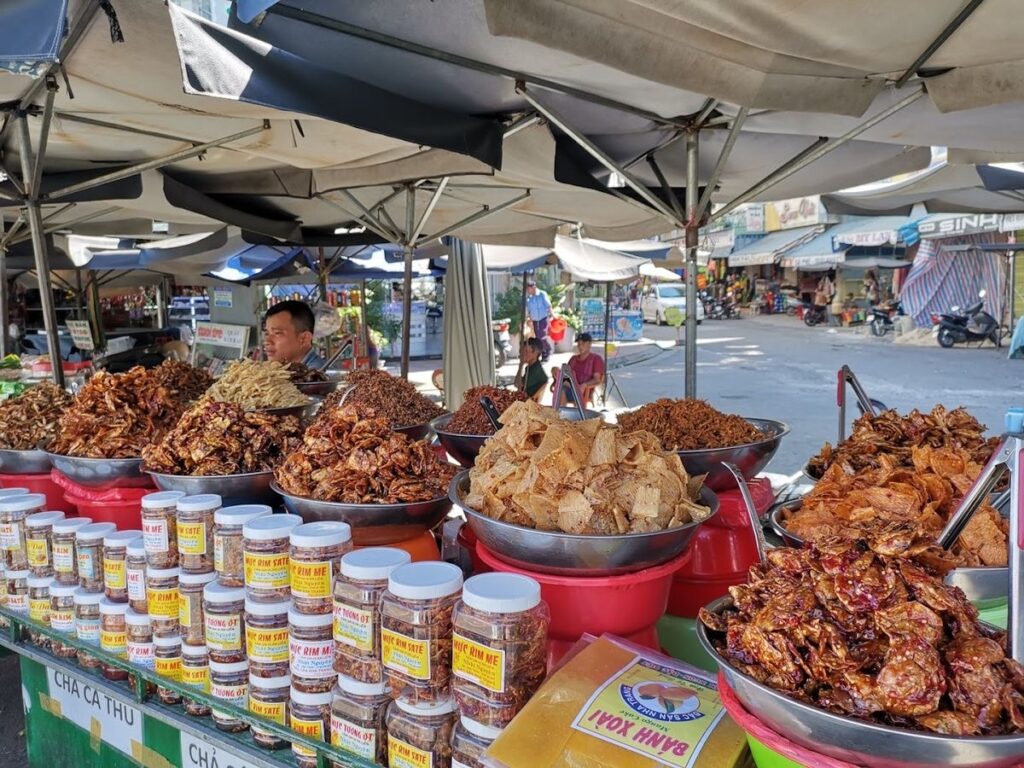
Traditional markets offer more atmosphere and show how regional foods sit alongside products purchased for everyday household life. Craft villages require additional travel, but visitors gain valuable context by seeing how particular objects are actually produced.
Buying directly from craft-linked communities can also create a stronger connection between the souvenir and its place of origin. The best approach combines convenient city shopping with cultural visits when your itinerary allows enough time.
Recommended Places to Discover Local Products
Bình Định Specialty Supermarket
Bình Định’s official tourism portal lists this specialty supermarket as a recognized retailer serving tourists in Quy Nhon. It carries regional specialties and souvenirs, making it practical for visitors wanting several products within one organized shopping stop. This type of store is especially useful before departure because packaged items are easier to compare and transport.
Tâm Trí Specialty Store
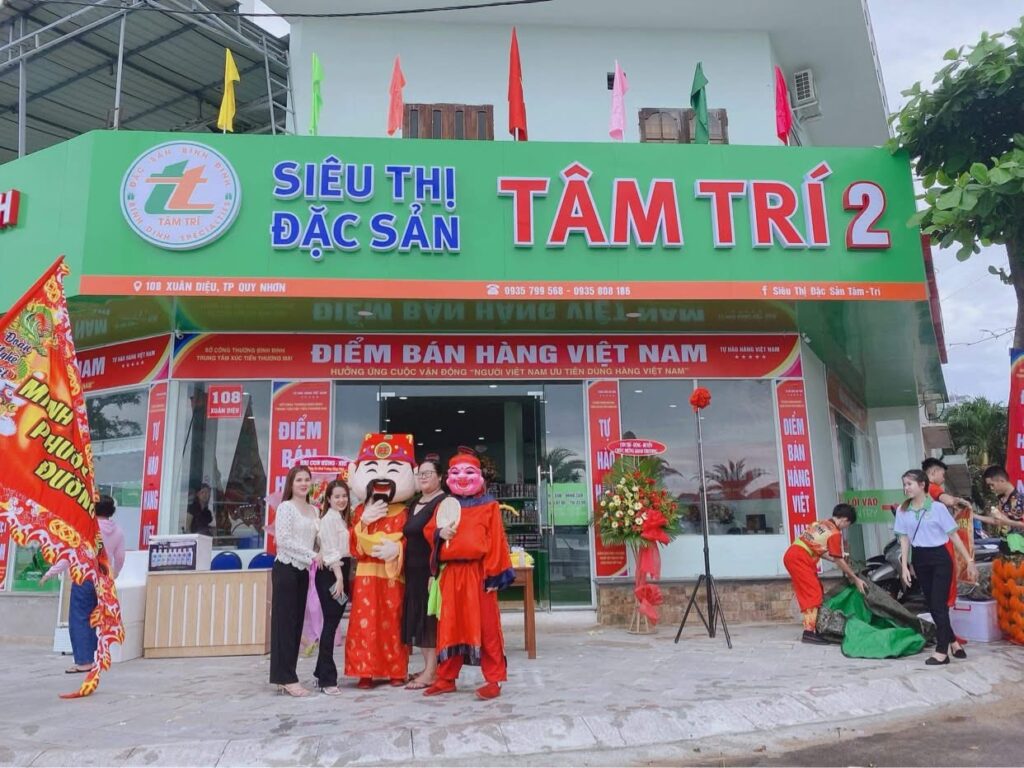
The provincial tourism portal also lists Tâm Trí among specialty retailers in the city. Products mentioned include coconut rice paper, Bàu Đá rice spirit, and bánh ít alongside other Bình Định specialties. It can suit visitors wanting food gifts without traveling directly to individual production villages.
Nhơn Hậu Wood-Turning Craft Village
Nhơn Hậu is another worthwhile cultural stop for visitors curious about how traditional Bình Định handicrafts are produced. The official tourism portal describes the village as a long-established woodcraft community northwest of Quy Nhon. Watching skilled makers provides much more context than encountering the finished pieces only inside a shop.
Phú Gia Conical Hat Village
Phú Gia offers something a souvenir shop cannot provide: the chance to connect a finished object with its makers. The village is known for conical-hat craftsmanship, particularly the regional horse hat associated with Bình Định traditions. It is best suited to travelers interested in crafts, photography, culture, and slower rural experiences.
Traditional Markets in Quy Nhon
Local markets are useful when your interest goes beyond souvenirs and includes everyday ingredients, food products, and local trading culture. They are often less curated for tourists, which makes them valuable for observing how residents actually shop. A market visit works especially well alongside a guide who can explain unfamiliar foods and products.
Recommended Thich Tours Experiences
Quy Nhon Heritage & Local Life Tour
This is one of the strongest matches because the itinerary includes Chợ Đầm, local food, cultural heritage, and everyday city life. Visitors experience a working local market rather than stopping only at businesses specifically designed for tourists. It suits first-time travelers wanting context before independently shopping for regional food or gifts.
>> Let’s experience with us: Dam Market Quy Nhon: A Deep Dive into Local Life and Culture
The Taste of Heritage: Bánh Ít Towers & Local Flavors
This half-day experience connects Champa heritage with Bình Định food, including local pancakes and fermented meat specialties. It works particularly well for travelers who want to taste regional products before deciding what food gifts interest them. The experience places cuisine within local history instead of treating food simply as another shopping category.
>> Let’s experience with us: The Taste of Heritage: From Sacred Banh It Towers to Local Flavors
Bình Định Culture & History Tour
This cultural itinerary is suitable for travelers who want a broader understanding of Bình Định beyond beaches and city sightseeing. The tour combines heritage with regional dishes, providing useful cultural context for many foods encountered later in markets and specialty stores. It works well for culturally curious couples, families, and travelers spending several days around Quy Nhon.
>> Let’s experience with us: Binh Dinh Culture & History Tour: Tây Sơn Dynasty, Champa Towers, and Martial Arts
Ky Co – Eo Gio Private Tour
For travelers focused mainly on the coast, this tour introduces another important part of regional identity through fishing villages and seafood. The itinerary includes a local seafood lunch before continuing to Eo Gio and nearby attractions. It pairs naturally with independent souvenir shopping after returning to Quy Nhon.
>> Let’s experience with us: Ky Co Eo Gio Private Tours
Frequently Asked Questions About Local Products in Quy Nhon
1. What are the best local products to buy in Quy Nhon?
Popular choices include bánh ít lá gai, coconut rice paper, Song thằn noodles, local sweets, and traditional handicrafts. Packaged foods are usually the easiest to bring home.
2. Where can I buy authentic local products in Quy Nhon?
You can find them at specialty stores, traditional markets, and craft villages around Bình Định. Craft villages are best if you want to see how the products are made.
3. Can I take Bình Định food specialties home on an international flight?
It depends on your destination’s customs rules. Dry, sealed foods are usually easier to carry than meat, seafood, or fresh products.
4. Are all Quy Nhon local products actually made in Quy Nhon city?
No. Many well-known products sold in Quy Nhon come from traditional villages in other parts of Bình Định, including An Nhơn and Tam Quan.
What Should You Bring Home from Quy Nhon?
The best souvenir is not necessarily the most expensive product or the one carrying the largest Quy Nhon logo. Choose something whose flavor, materials, craftsmanship, or story helps you remember where it came from. Food lovers may prefer packaged specialties, while cultural travelers may value a craft linked directly to a traditional village. Exploring local products in Quy Nhon becomes far more rewarding when shopping is connected with the people and places behind them. If you want that deeper context, combine market browsing with a food, heritage, or craft-focused experience during your stay.