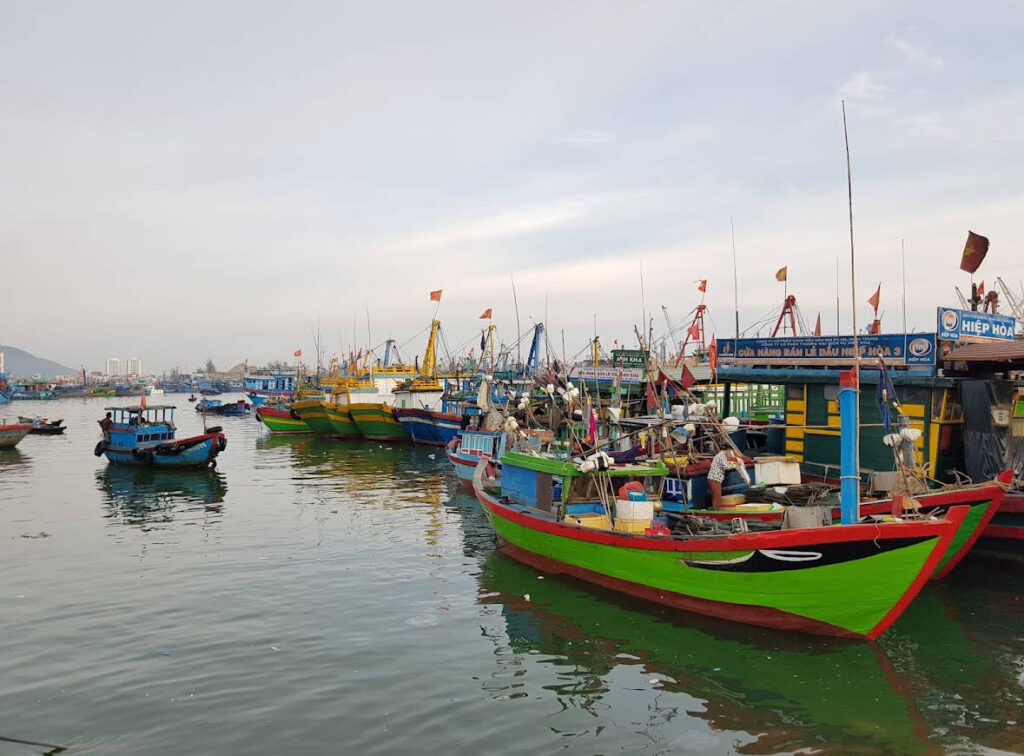
The story of Quy Nhon’s transformation from a fishing and trading port into a modern coastal destination is written along its shoreline. Where fishing boats and merchant vessels once shaped daily life, visitors now find beachfront hotels, seaside promenades and boats carrying travelers to nearby islands.
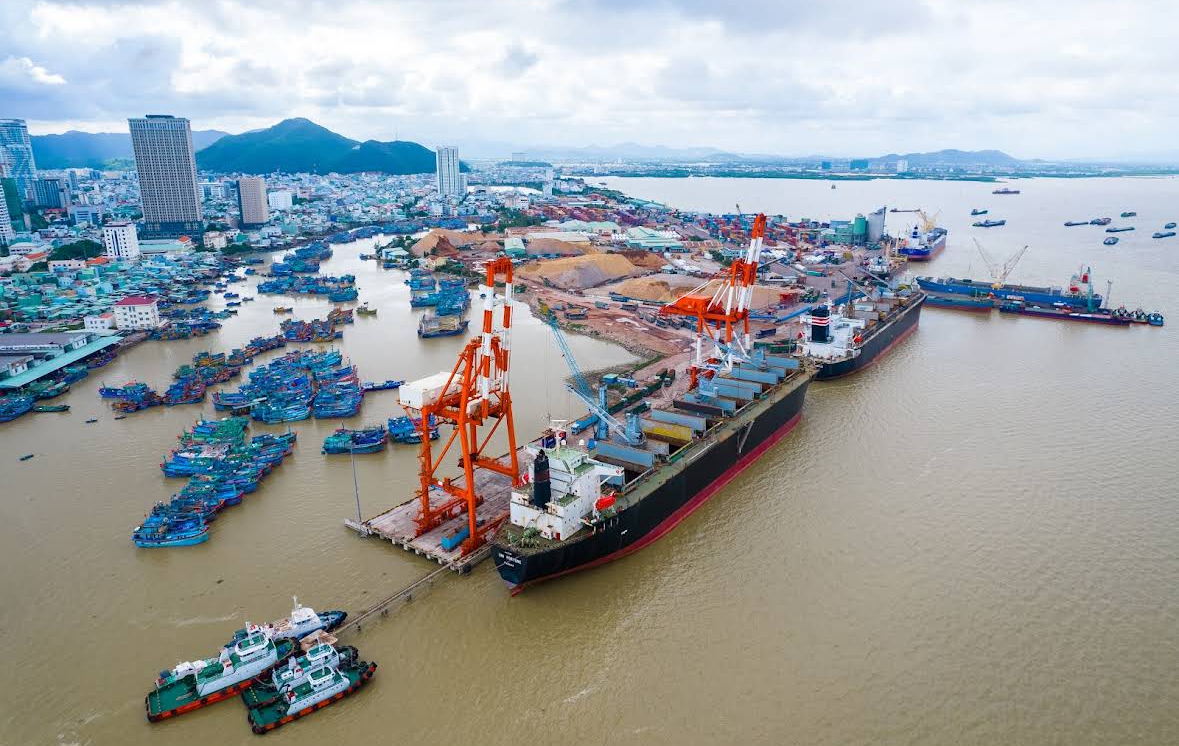
Yet Quy Nhon’s maritime heritage has never entirely disappeared. Traditional fishing communities remain part of the coastal landscape, and the city’s commercial port continues to connect Central Vietnam with wider trading networks.
To understand modern Quy Nhon, it helps to look beyond its beaches and discover how centuries of trade, fishing, urban development and tourism have shaped the city visitors see today.
Quy Nhon’s Early History: More Than a Fishing Village
Long before Quy Nhon became a beach destination, its coastline played an important role in regional maritime trade.
During the Champa Kingdom, the nearby Thi Nai port area was connected to trading networks across Southeast Asia. Later, between the 17th and 18th centuries, Nuoc Man developed into a busy commercial settlement where Vietnamese and international merchants exchanged goods.
As trading conditions and waterways changed, commercial activity gradually shifted toward the area that became modern Quy Nhon. By the 19th century, the town had developed into an important trading port, with merchant communities, markets and streets growing around its waterfront.
Fishing was always part of this maritime economy, but Quy Nhon’s early identity was shaped by trade as well as the livelihoods of coastal communities.
Life Along the Old Waterfront
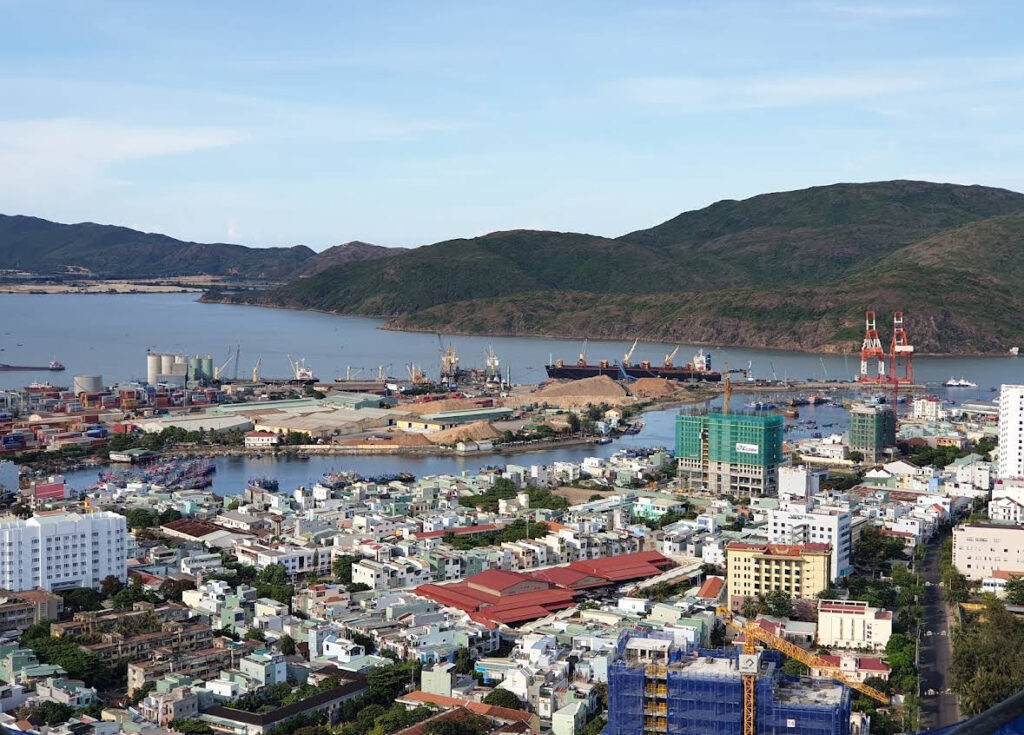
For generations, fishing boats, seafood markets and waterfront trading activities connected the city to the sea. Traditional fishing communities developed along the coast, including areas around Nhon Ly and Nhon Hai, where families depended on fishing, seafood trading and other marine livelihoods.
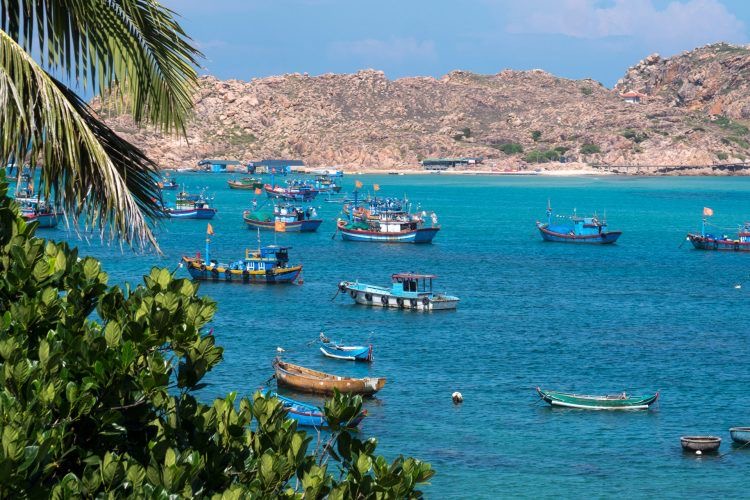
These communities established traditions that remain visible today, from brightly painted fishing boats to seafood dishes prepared with the day’s catch. While Quy Nhon’s skyline has changed, the sea continues to influence its food, culture and daily routines.
The Growth of Quy Nhon as a Commercial Port
Quy Nhon’s development accelerated during the late 19th and early 20th centuries as maritime commerce expanded. Under French colonial rule, commercial streets and port facilities became increasingly important to the local economy. Historic trading areas around what is now Tran Hung Dao Street developed alongside the waterfront.
The town was officially recognized as an urban settlement in 1899 and later gained city status in 1930. After Vietnam’s reunification, the modern Quy Nhon Port enterprise was established on January 19, 1976, using facilities inherited from an earlier military port.
Despite limited infrastructure in its early years, the port gradually expanded its operations and became an important commercial gateway connecting South Central Vietnam with the Central Highlands. Today, Quy Nhon Port continues handling commercial cargo and supporting regional trade. Its presence is an important reminder that tourism is only one part of the city’s modern economy.
From Working Waterfront to Beachfront Destination
The most visible changes in Quy Nhon have taken place along its coastline. Over recent decades, the beachfront has developed into an urban area with hotels, restaurants, public parks and landscaped promenades.
Streets running alongside Quy Nhon Beach now connect modern accommodation with cafés, public spaces and recreational areas overlooking the sea. For visitors, this transformation makes the coast easier to explore. A morning walk along the beach, an afternoon at a seaside café and an evening enjoying local seafood can all fit comfortably into a city stay.
Thi Nai Bridge Changed Access to the Coast
One of the most important infrastructure developments was the opening of Thi Nai Bridge in December 2006. Stretching approximately 2.5 kilometers across Thi Nai Lagoon, the bridge connects central Quy Nhon with the Phuong Mai Peninsula.
Before this connection, traveling between the city and coastal communities on the peninsula required less direct routes. The bridge improved access and helped create opportunities for tourism and wider economic development. Destinations such as Eo Gio, Ky Co and Nhon Ly subsequently became more accessible to travelers staying in Quy Nhon.
The bridge also changed the way visitors experience the region, making it easier to explore both the modern city and traditional coastal communities during the same trip.
How Tourism Has Transformed Quy Nhon’s Fishing Villages
Perhaps the clearest example of Quy Nhon’s changing coastal economy can be found in its fishing villages.
Nhon Ly: From Fishing Boats to Visitor Experiences
Nhon Ly, located on the Phuong Mai Peninsula, was traditionally associated with fishing and marine livelihoods. As tourism developed, some local families began offering accommodation, food services, passenger boat trips and other visitor experiences.
The village became a gateway for travelers exploring Ky Co Beach and Eo Gio, bringing new opportunities for local businesses. Yet fishing has not disappeared. Working boats, seafood-related businesses and traditional neighborhood life remain alongside the growing tourism economy.
For visitors, this creates an interesting contrast between the area’s older maritime traditions and its newer role as a coastal attraction.
Nhon Hai and Hon Kho: Fishing Heritage Meets Marine Tourism
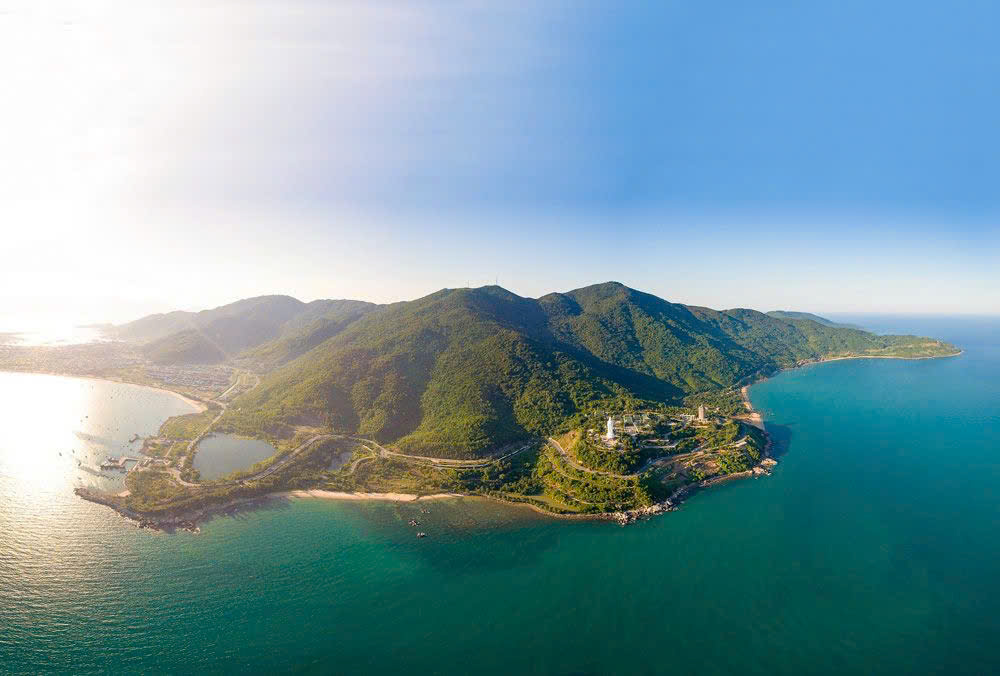
A similar transformation has taken place around Nhon Hai, a coastal community associated with Hon Kho Island. Fishing remains part of local life, while boat excursions and marine tourism have created additional sources of income.
On suitable days, visitors may travel by boat to explore the surrounding coastal scenery and take part in activities offered by local operators. However, the growth of tourism also raises questions about environmental protection, marine conservation and the long-term sustainability of traditional fishing communities.
The challenge is not simply to attract more visitors, but to develop tourism in ways that also benefit local residents and protect the coastal environment.
What Makes Modern Quy Nhon Different?
Today, Quy Nhon combines several identities that travelers do not always find together in one destination. Its beachfront offers the conveniences of a developing coastal city, while the surrounding countryside and fishing communities preserve a more traditional atmosphere.
Visitors can discover Cham architecture at Banh It Towers and Twin Towers, explore the coastal landscape around Eo Gio, or enjoy regional dishes influenced by generations of fishing and trading. Seafood is particularly important to the city’s culinary identity. From fish cake noodle soup (bún chả cá) to grilled squid and freshly cooked fish, local cuisine continues to reflect Quy Nhon’s relationship with the sea.
This combination of history, coastal scenery and everyday culture gives travelers opportunities to experience more than a conventional beach holiday.
Where Can Visitors Still Experience Old Quy Nhon?
Although much of the city has modernized, several places offer glimpses of its maritime past.
- Nhon Ly Fishing Village: Explore a traditional coastal settlement where fishing activities coexist with tourism. Be respectful of local residents and working areas.
- Nhon Hai Fishing Village: Discover the relationship between local fishing livelihoods, boat services and the waters surrounding Hon Kho.
- Quy Nhon Port Area: Understand the city’s continuing role as a commercial seaport. The working port is not a public sightseeing attraction, so observe access restrictions.
- Traditional Markets and Seafood Eateries: Explore the city’s food culture through fish markets, local restaurants and dishes connected to its coastal economy.
- Thi Nai Lagoon: See the natural waterway that helped shape the region’s history and admire the bridge connecting the city to the Phuong Mai Peninsula.
For travelers interested in local history, these places reveal how the old and new sides of Quy Nhon continue to exist together.
The Future of Quy Nhon: Balancing Tourism and Local Identity
Quy Nhon’s transformation is still unfolding. New accommodation, improved transportation and expanding visitor services have made the destination more accessible. At the same time, tourism development creates challenges related to coastal ecosystems, traditional livelihoods and the character of local communities.
Preserving fishing village traditions, supporting local businesses and protecting marine environments will remain important as the destination continues to evolve. For visitors, responsible travel can begin with simple choices: respecting working fishing communities, avoiding damage to marine habitats and supporting locally operated services. These small decisions help ensure that Quy Nhon’s maritime heritage remains part of its future rather than becoming only a memory.
Frequently Asked Questions
1. Was Quy Nhon originally a fishing village? Quy Nhon’s history is more complex than that of a single fishing village. The area developed around maritime trade, commercial ports and coastal settlements, while fishing remained an important part of local livelihoods.
2. When did Quy Nhon become a modern tourist destination? Tourism expanded over several decades, with growing beachfront development and improved transport infrastructure. The opening of Thi Nai Bridge in 2006 helped make coastal destinations on the Phuong Mai Peninsula easier to reach.
3. Are there still traditional fishing villages near Quy Nhon? Yes. Nhon Ly and Nhon Hai are examples of coastal communities where fishing traditions continue alongside tourism services.
4. Is Quy Nhon Port still operating? Yes. Quy Nhon Port remains an active commercial seaport supporting cargo transportation and regional economic activity.
5. Can visitors experience both traditional and modern Quy Nhon? Absolutely. Travelers can enjoy the modern beachfront while exploring fishing villages, historic Cham monuments and local food traditions in the surrounding area.
Discover the Stories Behind Quy Nhon’s Changing Coastline
Quy Nhon’s journey from a historic fishing and trading port to a modern coastal destination reflects centuries of connection with the sea. Modern hotels and seaside promenades may be the first things visitors notice, but the city’s fishing communities, traditional markets and commercial harbor reveal a much longer story.
Exploring both sides offers a deeper understanding of Quy Nhon, not simply as a beach destination, but as a place where maritime heritage continues to shape everyday life. Interested in discovering Quy Nhon beyond its beaches? Contact THICHTOURS to discuss cultural experiences, fishing village visits and local heritage itineraries that suit your travel interests.