After an unforgettable seafood dinner or a full-day cultural tour in Binh Dinh, you may find yourself reaching for your wallet and wondering: should you leave a tip? Tipping in Vietnam can be confusing for international travelers because the customs are different from those in many Western countries.
The simple answer is that tipping is not mandatory, but it is often appreciated for excellent service. This guide explains when to tip, how much to give, and when a sincere thank-you is more than enough.
Is Tipping Part of Vietnamese Culture?
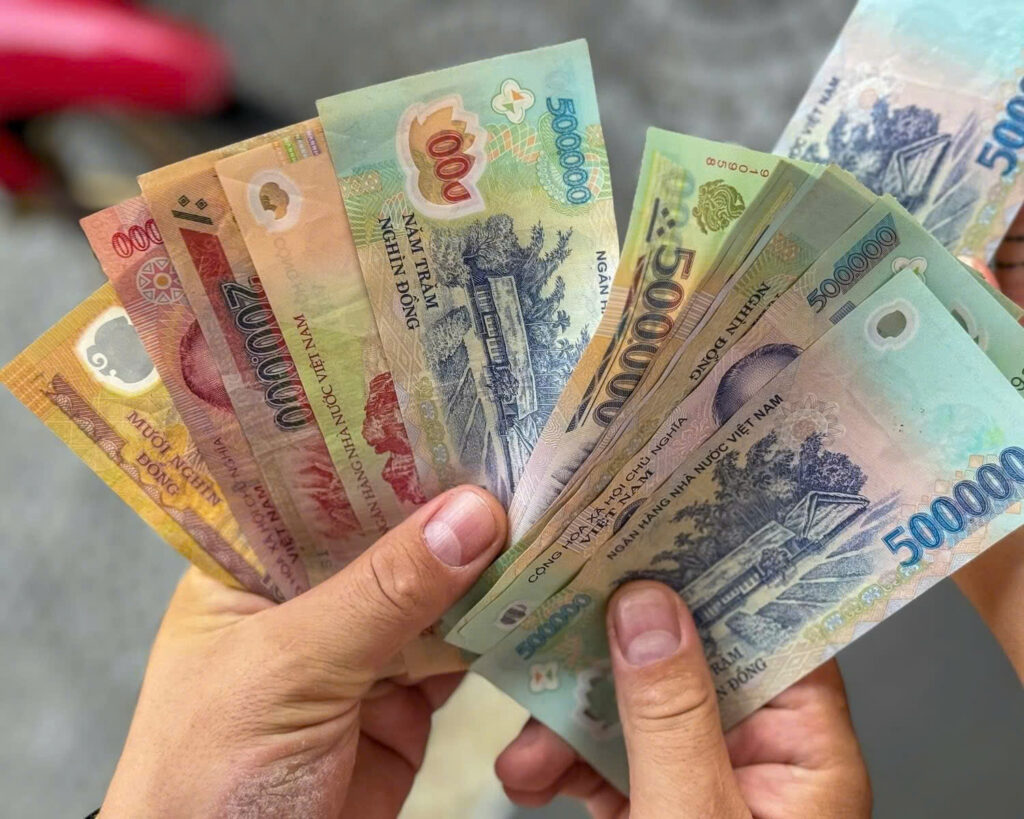
Giving a cash tip is a polite way to show your appreciation to the person serving you. (Source: Collected)
To truly understand tipping culture in Vietnam, you have to look at how local society operates. Unlike in the United States or Canada, where service workers rely heavily on gratuities to make a living wage, Vietnam does not have a deep-rooted tradition of tipping.
In traditional Vietnamese culture, exceptional hospitality is a matter of pride, not a transaction. Whether you are buying a 20,000 VND bowl of noodles on the street or buying a bespoke tailored suit, the service is given warmly and fully, regardless of whether a tip is expected at the end.
However, times are changing. With the massive influx of international travelers over the last two decades, tipping customs Vietnam have evolved, particularly within the tourism and hospitality sectors. While it is never strictly mandatory, a tip has become a universally understood gesture of gratitude for a job well done.
Quy Nhon Travel Tips: Common Mistakes to Avoid
When Should You Tip in Vietnam?
Understanding Vietnam travel etiquette means knowing which situations warrant a little extra appreciation. Here is a breakdown of where tipping is most common.
Tour Guides
If you are wondering whether to tip tour guide Vietnam, the answer is a resounding yes—if they provided great service. A local guide does more than just point out landmarks; they act as your translator, your cultural bridge, and your problem solver. If your guide was passionate, shared personal stories, and made your day unforgettable, a gratuity at the end of the tour is a wonderful way to say thank you.
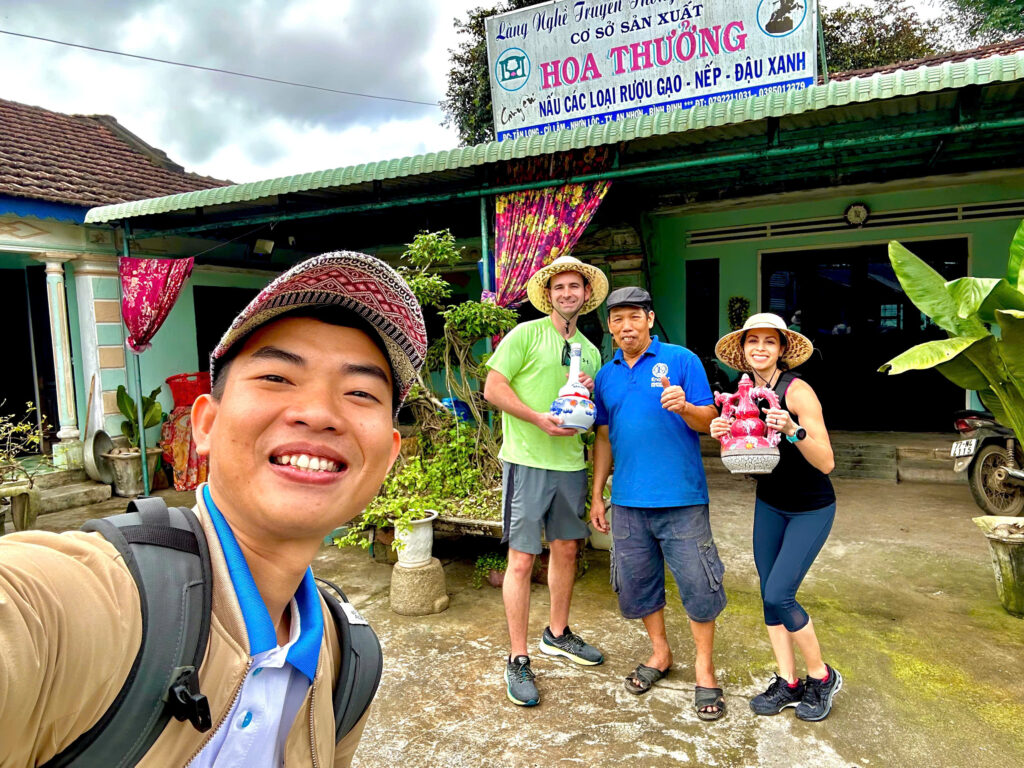
The tour guide does an excellent job of sharing and promoting local stories. (Source: Mr. Thich – CEO of Thich Tours)
Drivers
Navigating Vietnamese traffic requires immense skill, patience, and focus. If you have hired a private driver for a day trip or an airport transfer, leaving a tip is a kind gesture—especially if they drove safely, arrived on time, kept the car impeccably clean, and helped you carry heavy luggage.
Hotel Staff
In international hotels and boutique resorts, tipping is standard practice.
- Bell staff: It is customary to offer a small note when they bring your luggage up to your room.
- Housekeeping: Leaving a small tip on the pillow or nightstand at the end of your stay (or daily) is a great way to thank the staff who keep your space comfortable.
- Concierge: If the concierge went out of their way to secure a difficult restaurant reservation or arrange complicated transport, a tip reflects your appreciation.
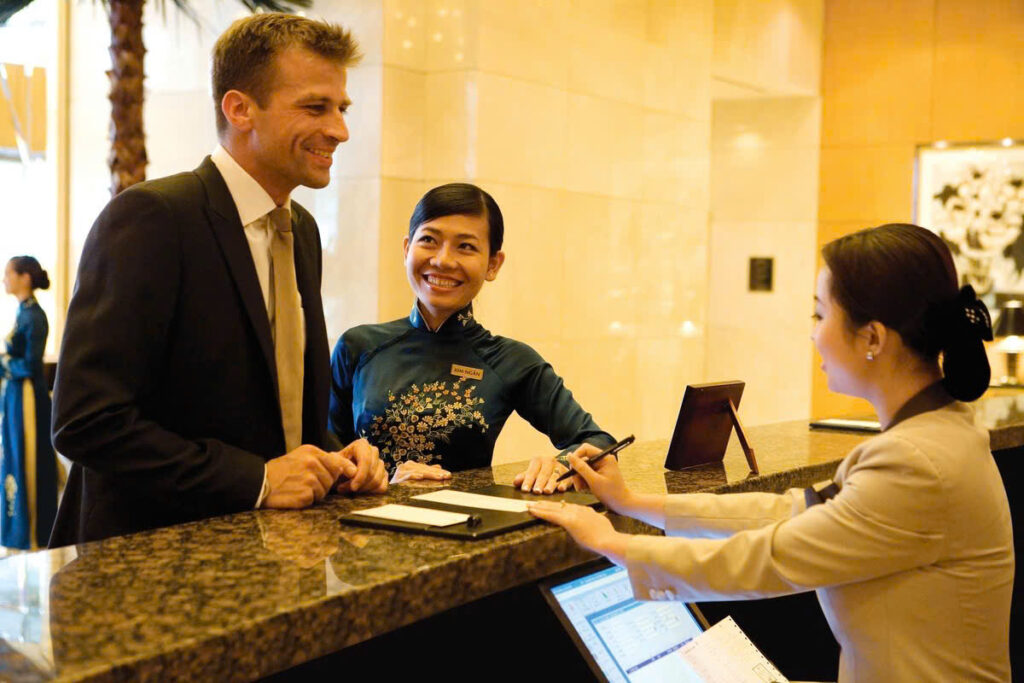
The reception staff care about ensuring a satisfying experience for every guest. (Source: Collected)
Restaurants
When it comes to leaving a tip in restaurants Vietnam, the rules depend entirely on the establishment.
- Local spots: At neighborhood eateries, street food stalls, and family-run joints, tipping is not expected at all.
- High-end restaurants: At upscale dining venues, you can leave a small amount if the service was stellar. However, always check your bill first. Many high-end restaurants automatically add a 5% to 10% “Service Charge” (often listed alongside the VAT). If the service charge is already included, an additional tip is entirely optional.
Spa & Massage
The wellness industry is one area where tipping is highly expected by the staff. Being a massage therapist is physically demanding work. While not strictly mandatory, leaving a gratuity for your therapist after a relaxing massage or spa treatment is deeply appreciated and considered good form.
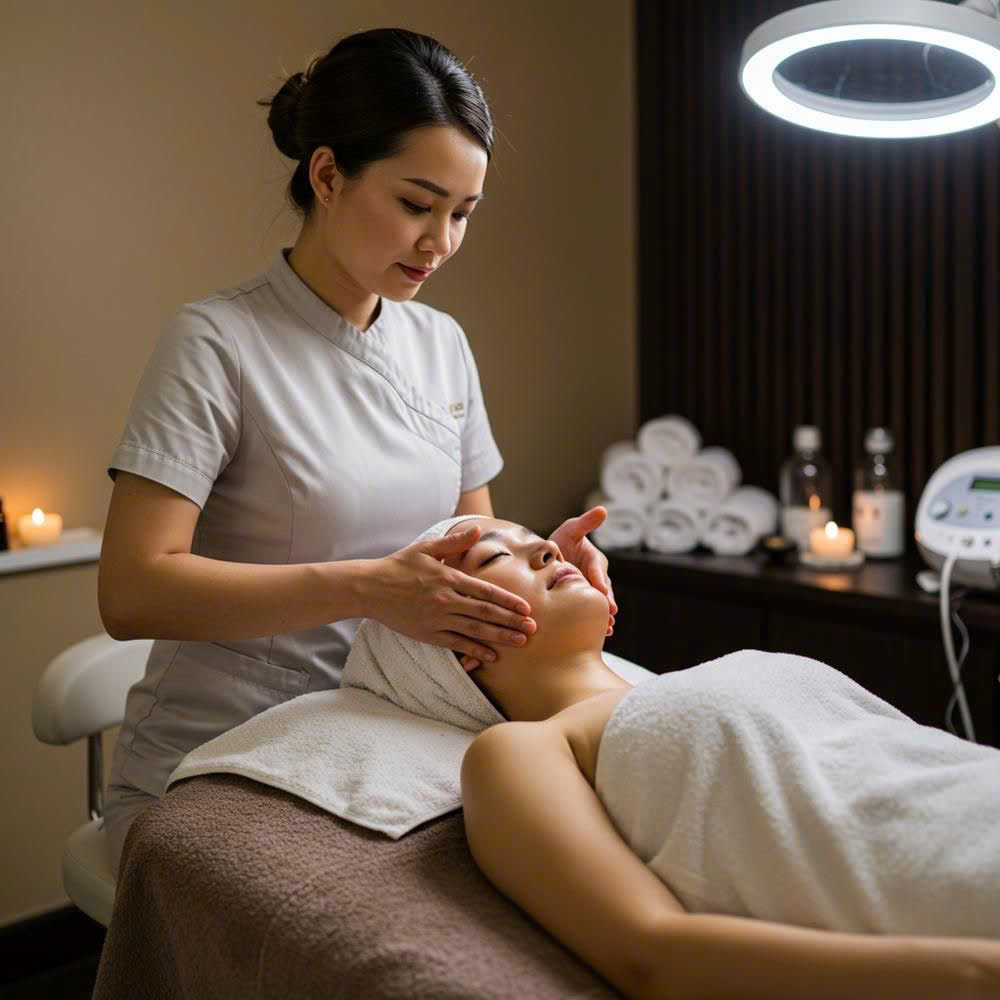
After days of travel and tired muscles, a spa treatment is a great way to relax and restore your energy. (Source: Collected)
When You Don’t Need to Tip
You do not need to reach into your pocket for every interaction. In the following scenarios, tipping is not expected:
- Street food vendors: You pay exactly the price listed.
- Traditional markets: Haggling is common here; tipping is not.
- Convenience stores: Transactions are exact.
- Coffee shops: Even at modern cafes, you simply pay the bill.
- Grab rides: While the app allows you to leave a digital tip, it is not required. Many travelers simply round up the cash fare (e.g., letting the driver keep the change if the fare is 45,000 VND and you hand them a 50,000 VND note).
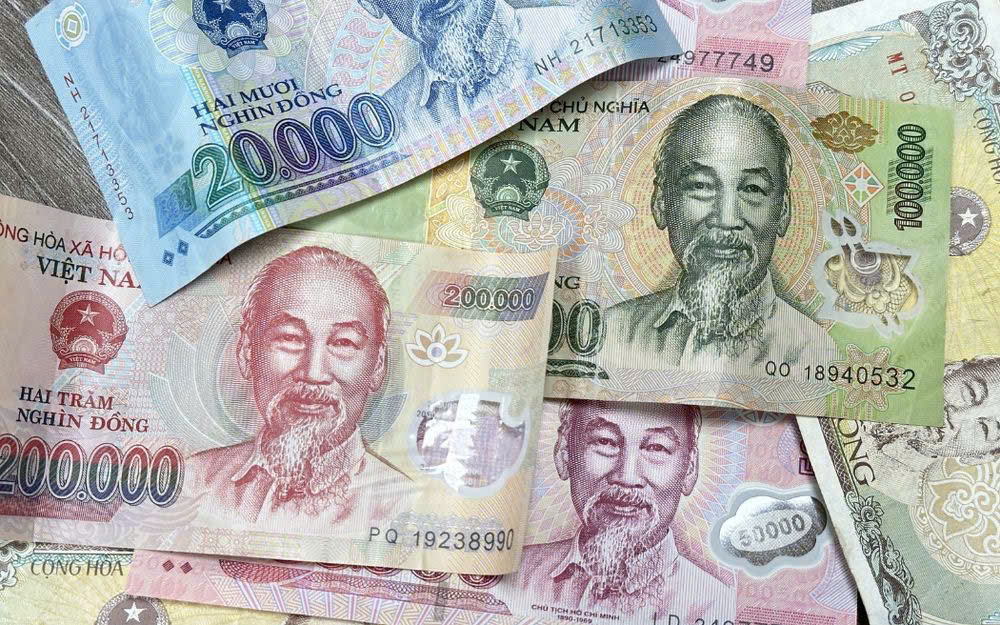
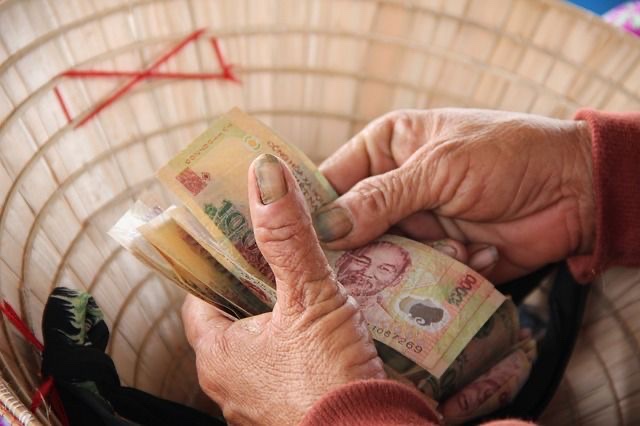
Vietnamese banknotes come in various denominations. (Source: Collected)
How Much Should You Tip?
There is no fixed rule or mathematical percentage (like the standard 18-20% in the West). Tip what feels comfortable and reflects your genuine appreciation.
- Small gesture: Perfect for bellhops carrying a bag or rounding up a taxi fare.
- Moderate appreciation: Ideal for a great massage, a helpful hotel concierge, or a lovely meal at a mid-range restaurant.
- Exceptional service: Reserved for private tour guides and drivers who spent the entire day with you and vastly exceeded your expectations.
Cash or Card?
When you do decide to tip, cash is always king.
While some modern card machines at upscale restaurants allow you to add a tip, the money often goes into a general pool or gets absorbed by management. Handing physical cash directly to your guide, driver, or server ensures that the person who actually provided the excellent service receives your gratitude instantly.
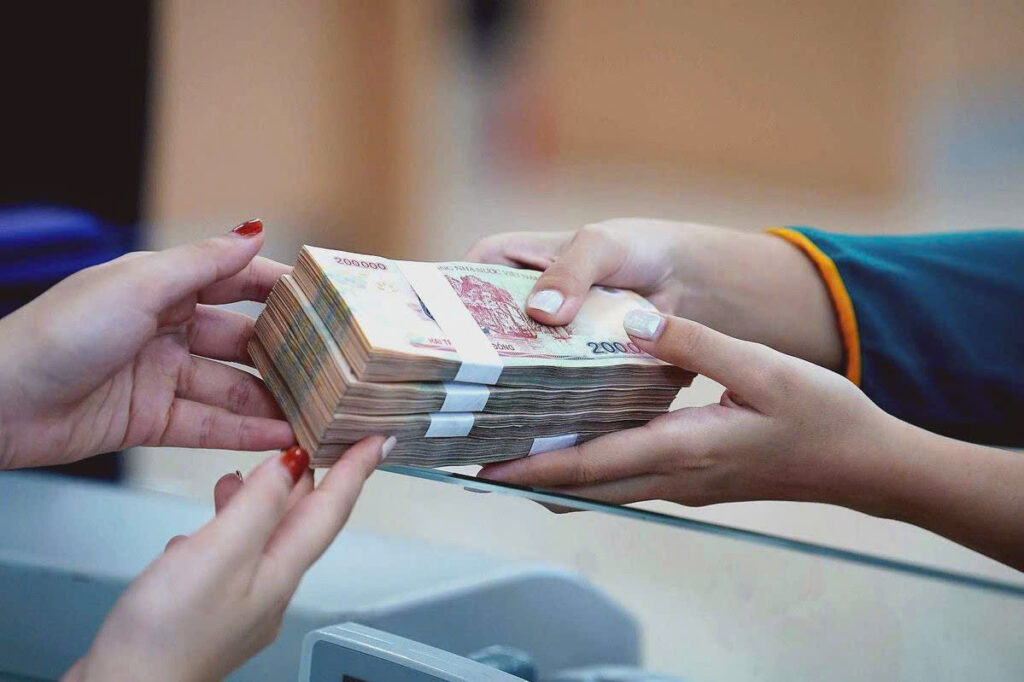
Leave a cash tip. (Source: Collected) 
Leave a tip by bank transfer. (Source: Collected)
Common Tipping Mistakes Travelers Make
- Thinking you must tip everywhere: Stressing over tipping the lady selling you a banh mi on the street. (She doesn’t expect it!)
- Not checking the bill: Double-tipping at a restaurant because you didn’t notice the included 10% Service Charge.
- Flashy tipping: In Vietnamese culture, modesty is valued. Hand the tip over quietly and politely with a smile, rather than making a grand show of it.
- Feeling guilty: If you don’t have small change, or simply don’t want to tip for average service, do not feel guilty. It is truly optional.
Other Ways to Show Appreciation
Your gratitude does not always have to be monetary. In Vietnam’s rapidly growing tourism industry, digital word-of-mouth is incredibly powerful. If you loved a tour, a homestay, or a restaurant, you can provide immense value by. Positive reviews for THICHTOURS on Tripadvisor and Getyourguide:
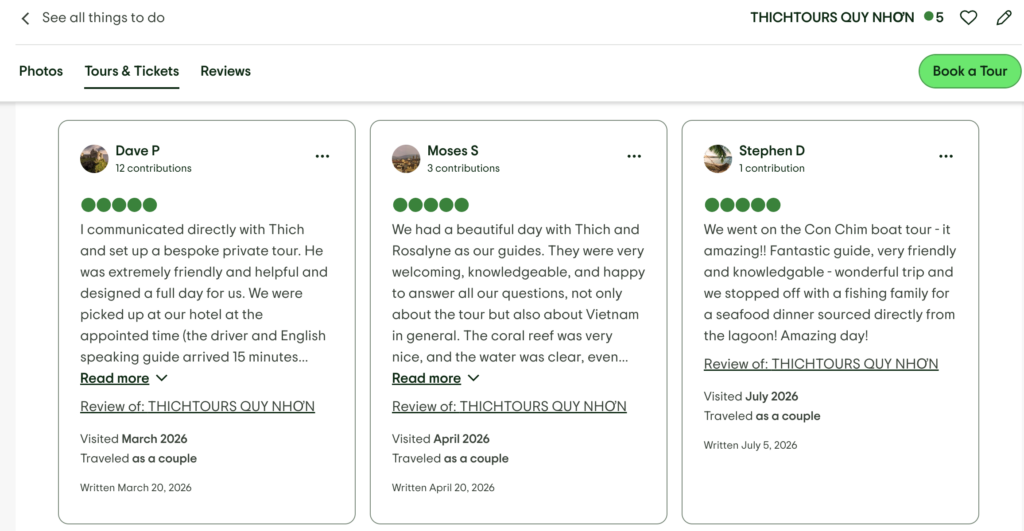
Tripadvisor 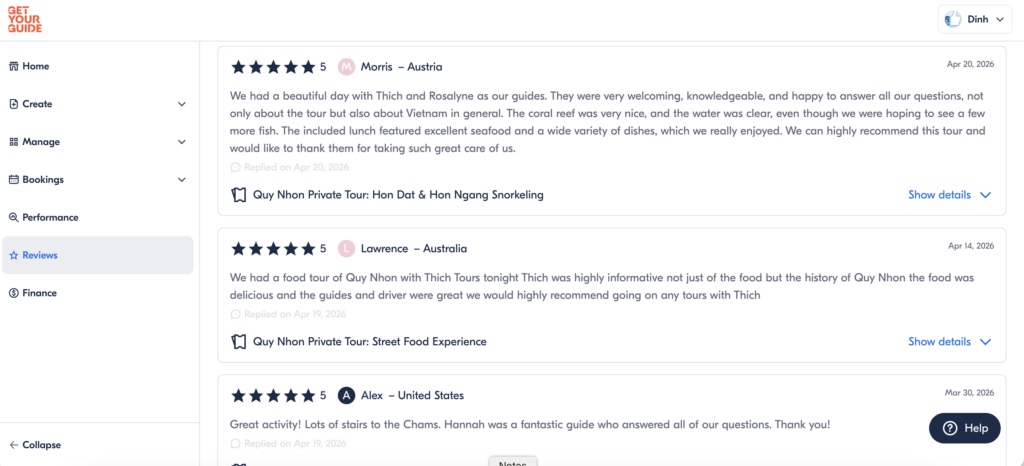
Getyourguide
- Writing a glowing Google Review.
- Leaving a detailed rating on TripAdvisor or GetYourGuide.
- Recommending the business to friends and family.
- Tagging the business in your beautiful travel photos on social media.
- Returning to use their services again.
For local companies, a heartfelt five-star review mentioning your guide by name is often just as valuable as a cash tip!
>> Discover Must-visit Private Tour in Quy Nhon:
- The River of Time: Champa Heritage & Handicraft Villages
- Binh Dinh Culture & History Tour: Tây Sơn Dynasty, Champa Towers, and Martial Arts
- Ky Co Eo Gio Private Tours
Quick Tipping Guide
| Situation | Tip? |
| Street food & Markets | ❌ Not expected |
| Local café | ❌ Not expected |
| Upscale Restaurant | ⭐ Optional (Check for Service Charge) |
| Hotel staff (Bellhop/Maid) | ⭐ Appreciated |
| Private Driver | ⭐ Appreciated |
| Tour guide | ⭐ Highly appreciated |
| Spa & Massage | ⭐ Optional, but highly encouraged |
Frequently Asked Questions
- Is tipping rude in Vietnam? Not at all. While it isn’t traditionally expected in daily local life, it is never considered rude. It is universally understood as a polite gesture of thanks.
- Do Vietnamese people tip? Generally, everyday locals do not tip for standard services like street food or taxis. However, affluent locals will often tip at high-end restaurants, spas, and when utilizing private tourism services.
- Should I tip in USD or VND? Always tip in Vietnamese Dong (VND). Tipping in USD forces the local worker to go to a bank or gold shop to exchange it, costing them time and exchange fees.
- Is service charge the same as a tip? Yes. If a restaurant bill includes a “Service Charge” (usually 5-10%), this is legally supposed to be distributed among the staff in lieu of a direct tip.
- Do I tip Grab drivers? It is not mandatory. However, rounding up the fare (letting them keep the change) is a common and appreciated courtesy.
- Do I tip after every tour? If you are on a multi-day tour with the same guide, it is customary to give one lump-sum tip at the very end of the trip, rather than tipping every single day.
Conclusion
So, do people tip in Vietnam? Yes, they do but on their own terms.
While tipping isn’t a tradition deeply rooted in Vietnamese culture, it is always a thoughtful way to recognize outstanding service in the tourism and hospitality sectors. A small gesture of appreciation—whether it’s a cash tip, a glowing online review, or a sincere, warm thank-you can make a meaningful difference to the hardworking people who help make your journey so memorable.
Ready to explore the authentic heart of the country with local experts? Discover the hidden gems of the central coast with THICHTOURS, where genuine hospitality is always part of the journey.