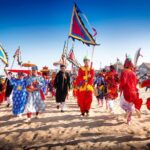
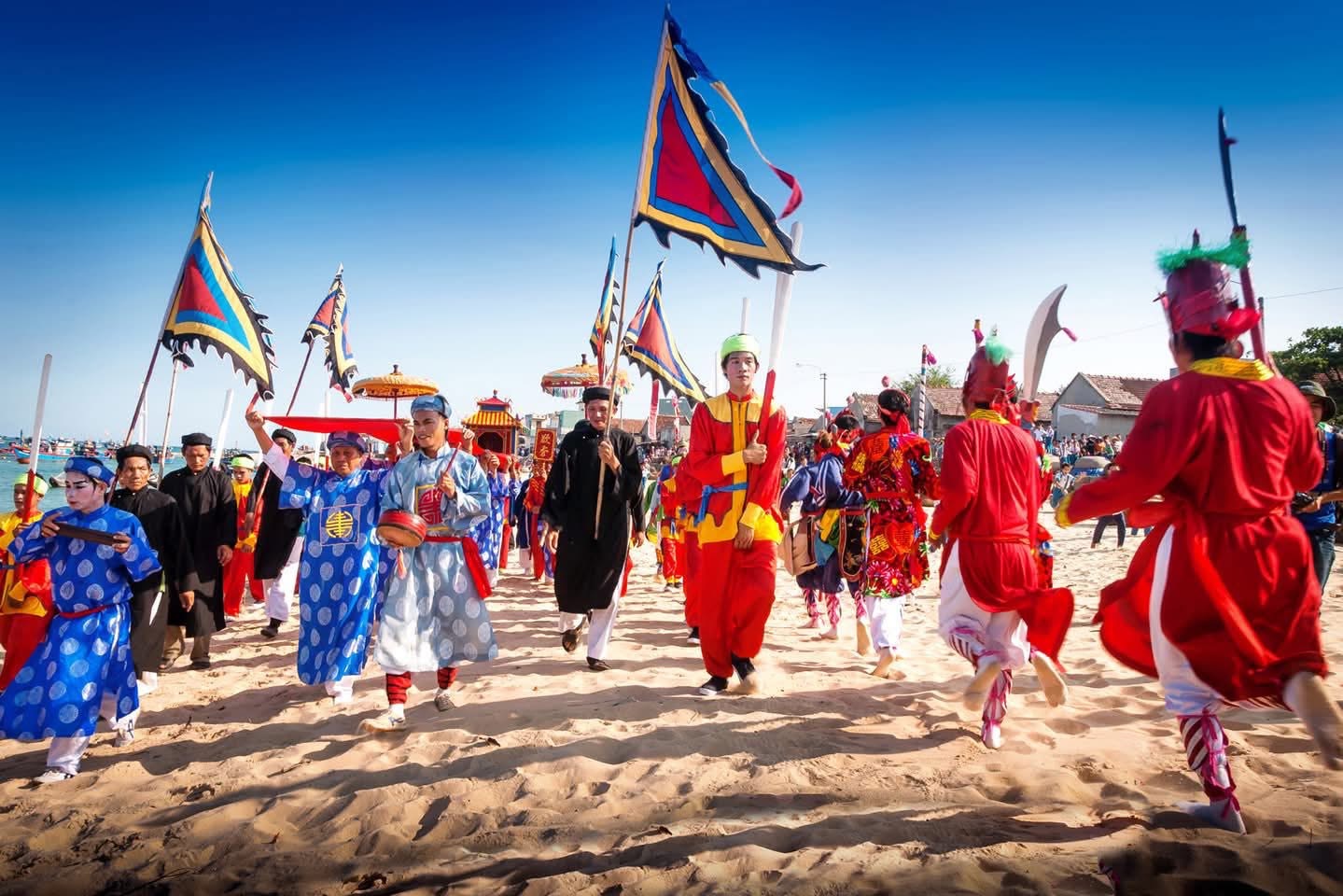
Experiencing local festivals in Quy Nhon can reveal a side of the destination that beaches and sightseeing alone rarely show. Around the city and the historic Bình Định cultural region, festivals are closely connected with Lunar New Year traditions, Tây Sơn history, fishing communities, temples, martial arts, bài chòi and traditional theatre.
Some of the most meaningful celebrations follow Vietnam’s lunar calendar, so their Western-calendar dates change every year. Others are contemporary cultural events organized during the summer tourism season and may not return with the same name or schedule the following year.
For international travelers, that distinction matters. Chợ Gò, the Ngọc Hồi–Đống Đa commemoration, Chùa Bà–Nước Mặn and coastal Cầu Ngư festivals are recurring traditions, while large street, food and martial-arts events should always be checked against the current annual program.
A location note is also useful: former Bình Định Province was merged into the current Gia Lai Province in 2025. The cultural identity and many festival names still use “Bình Định,” while newer addresses may appear under Gia Lai.
Quy Nhon Festivals at a Glance
| Festival | Where | Usual timing | Recent 2026 reference | Best for |
|---|---|---|---|---|
| Go Market – Truong Uc Spring Festival | Phong Thạnh, Tuy Phước Commune | First days of Lunar New Year | Main gathering: Feb 17, 2026 | Tết atmosphere, food, Bài Chòi |
| Ngoc Hoi Dong Da / Tay Son Festival | Quang Trung Museum, Tây Sơn Commune | Around the 4th–5th days of Tết | Feb 20–21, 2026 | History, martial arts, Quang Trung |
| Nuoc Man Lady Temple Festival | An Hòa, Tuy Phước Bắc Commune | End of 1st lunar month to 2nd day of 2nd month | Mar 18–20, 2026 | Rituals, heritage, Tuồng, Bài Chòi |
| Nhon Hai Cau Ngu Festival | Hải Bắc, Quy Nhon Đông Ward | 11th–13th days of 2nd lunar month | Mar 29–31, 2026 | Fishing culture, whale worship, Bả Trạo |
| Summer cultural festivals | Central Quy Nhon | Usually summer; varies annually | Major events in Aug 2026 | Martial arts, street performances, evening entertainment |
1. Go Market – Truong Uc: A Very Different Way to Experience Tet
- Location: Phong Thanh Village, Tuy Phuoc Commune, Gia Lai Province
- Landmark: Around the traditional Go Market area near Truong Uc Bridge
- Usual timing: First and second days of Lunar New Year
- 2026 reference: February 17, 2026 was the first day of Tet
- Best for: Tết atmosphere, local food, folk culture and Bai Choi
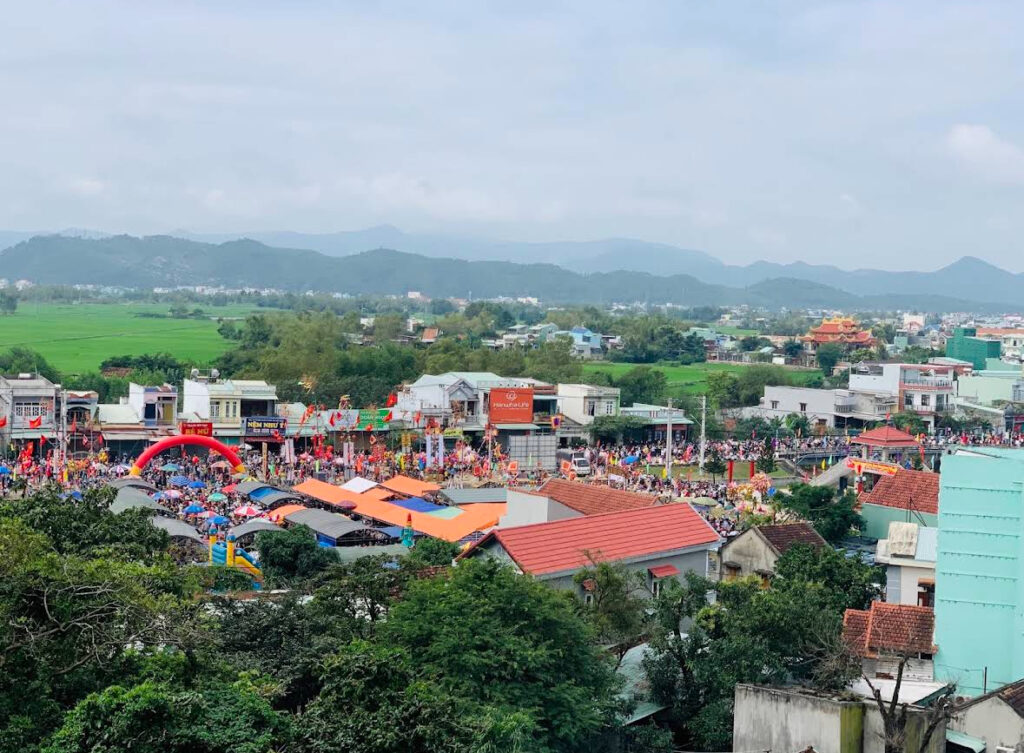
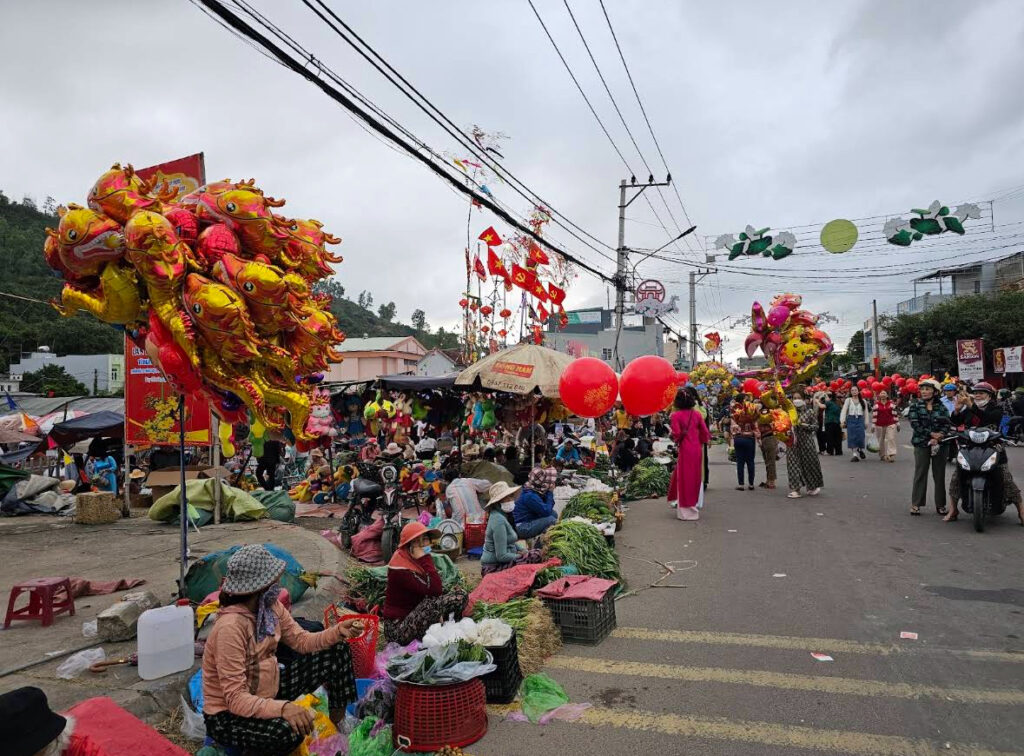
Chợ Gò is one of the most unusual local festivals near Quy Nhon because it is not simply a market that happens to become busy during Tết. The gathering itself is a New Year tradition.
Local authorities describe Hoi Xuan Cho Go as a long-established festival centered on the first day of the Lunar New Year, with additional activities now extending beyond the original market session. In 2026, the main first-day gathering fell on February 17, and local reporting recorded more than 51,000 visits across the wider festival period.
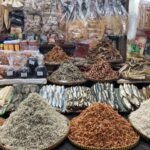
People traditionally come to buy small items associated with good fortune rather than to hunt aggressively for bargains. Betel leaves, areca nuts, salt, local produce and regional specialties appear alongside New Year activities, while recent editions have included lion dancing, traditional martial arts, tuồng theatre and bài chòi.
That makes the experience especially accessible for foreign visitors. You do not need to understand every ritual to appreciate families arriving in their New Year clothes, exchanging greetings, buying symbolic gifts and spending the morning together.
One cultural detail is worth remembering: Chợ Gò is traditionally associated with buying “lộc,” or New Year good fortune, rather than intense price negotiation. Treating every purchase like a bargaining contest misses part of the point of the festival.
If you want to attend, go early on the first morning of Tet. The atmosphere begins building from dawn and feels very different from visiting an ordinary local market later in the year.
2. Nuoc Man Lady Temple Festival: Religion, Trade and Nearly Four Centuries of Memory
- Location: Chua Ba, An Hoa Village, Tuy Phuoc Bac Commune, Gia Lai Province
- Distance from central Quy Nhon: Approximately 25 km
- Usual timing: Last day of the first lunar month through the second day of the second lunar month
- 2026 dates: March 18–20, 2026
- Best for: Religious traditions, historical context, processions, Tuong and Bai Choi
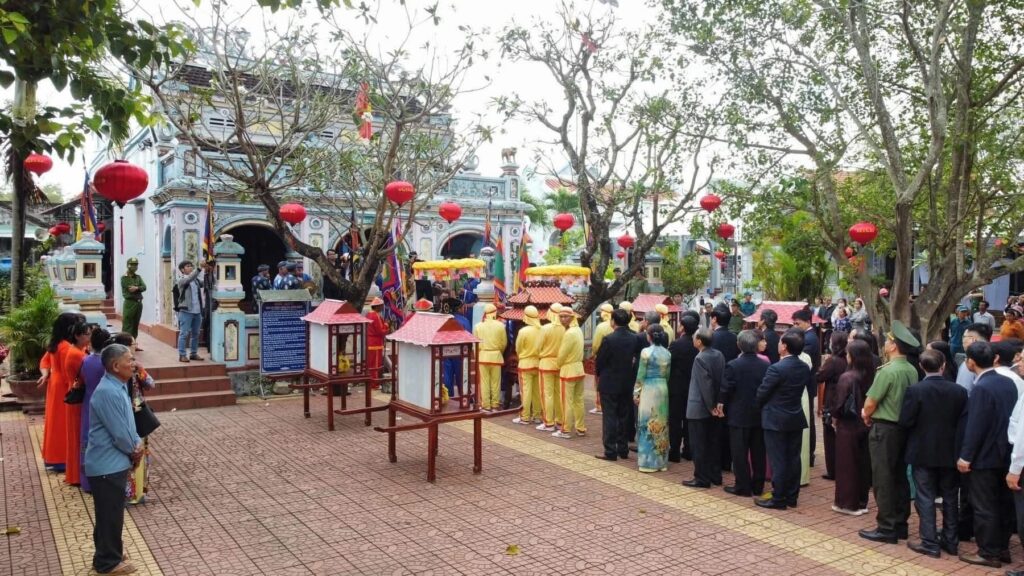
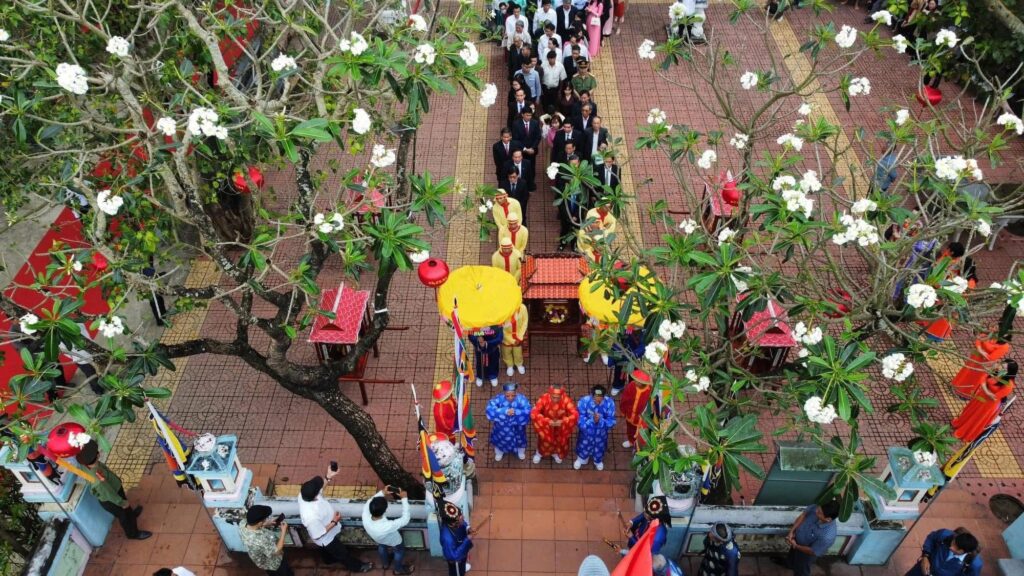
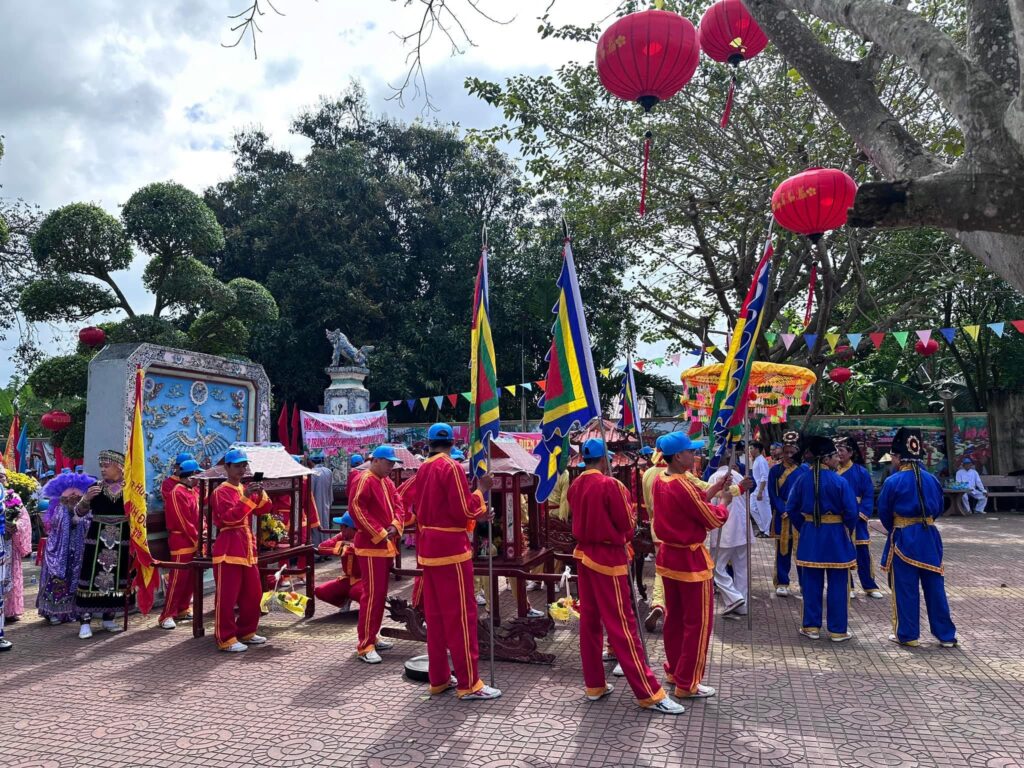
The Nuoc Man Lady Temple Festival is one of the most historically layered celebrations in the region. It takes place at Chùa Bà, a temple connected with the former Nước Mặn trading port, where Vietnamese and Chinese cultural influences once met through maritime commerce.
The official tourism portal places Chua Ba in An Hòa, around 25 kilometres from Quy Nhon, and links the site with the historical development of Nuoc Man from roughly the 16th to 19th centuries.
The festival itself received national recognition in 2022, when the Ministry of Culture, Sports and Tourism added the Nuoc Man Lady Temple Festival to Vietnam’s National Intangible Cultural Heritage list.
In 2026, the festival ran from March 18 to 20, corresponding to the last day of the first lunar month through the second day of the second lunar month. Rituals included welcoming deities, carrying sacred decrees, the symbolic procession of Ngư–Tiều–Canh–Mục, prayers for peace and the formal worship of Bà.
The festival section also included traditional bài chòi, folk games, ceremonial singing and tuồng theatre. These are not simply performances added for tourists; they sit within a living religious and community celebration.
For international visitors, this is one of the festivals where cultural context adds enormous value. Dress conservatively, keep a little distance from altars and processions, and avoid stepping into ceremonial spaces just for photographs.
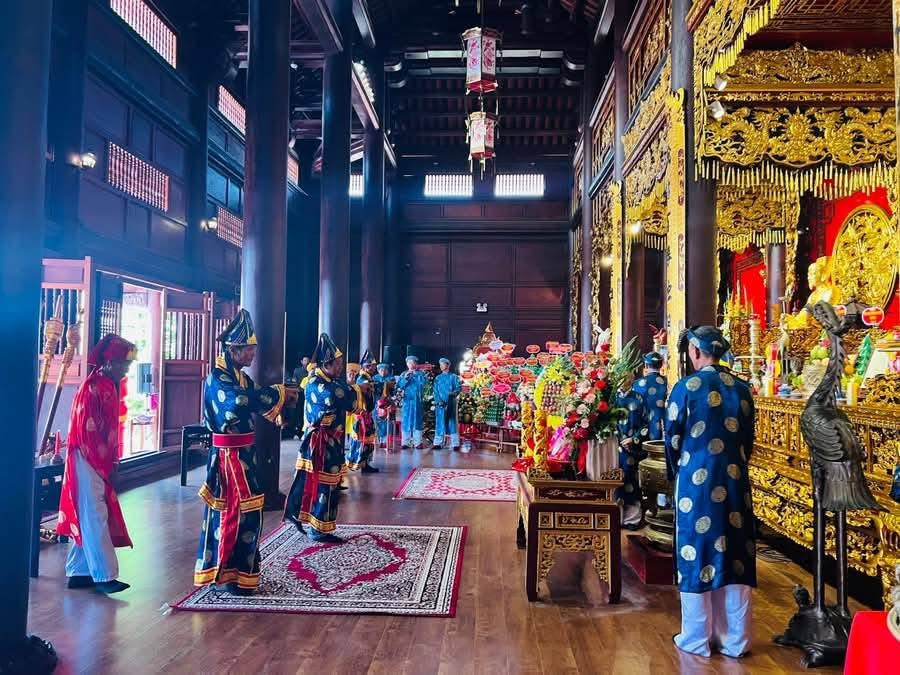
3. Ngoc Hoi – Dong Da Festival: The Best Festival for Understanding Tay Son History
- Location: Quang Trung Museum, Tay Son Commune, Gia Lai Province
- Distance from central Quy Nhon: Approximately 45 km northwest
- Usual timing: Around the 4th–5th days of Lunar New Year
- 2026 reference: Official commemoration on February 20; public festival atmosphere continued on February 21
- Best for: History, Emperor Quang Trung, traditional martial arts and Tây Sơn culture
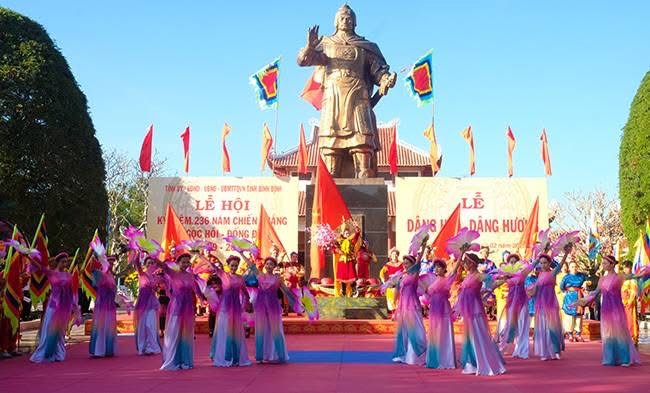
(Source: Collected)
(Source: Collected)
Visitors interested in Bình Định’s famous martial identity should pay particular attention to the early Tet period around Quang Trung Museum.
The annual celebration commemorates the Tây Sơn movement and the Ngoc Hoi Dong Da victory of 1789, closely associated with Emperor Quang Trung–Nguyen Hue. In 2026, the provincial commemoration took place at Quang Trung Museum on February 20, the fourth day of Tet, marking 255 years since the Tay Son uprising and 237 years since the victory.
The following morning, thousands of visitors continued arriving at the museum for the festival atmosphere. Local reporting described activities including bai choi alongside commemorative and cultural programs.
Quang Trung Museum lies about 45 kilometres northwest of Quy Nhon. Outside festival dates, the tourism portal also lists traditional Tay Son martial-arts and battle-drum performances among experiences associated with the museum.
For a foreign visitor, going directly to a martial-arts performance without understanding the historical figure being commemorated can make the event feel disconnected. Spend some time in the museum galleries first, then watch the performances with that background in mind.
This is an inland excursion rather than a quick city-center festival. Arrange transport in advance, especially during Tết when local travel demand can be high.
4. Nhon Hai Cau Ngu Festival: Experience the Spiritual Side of a Fishing Village
- Location: Lang Ong Nam Hai and Hai Bac area, Quy Nhon Đong Ward, Gia Lai Province
- Usual timing: 11th–13th days of the second lunar month
- 2026 dates: March 29–31, 2026
- Best for: Fishing culture, maritime beliefs, ceremonies and Bả Trạo
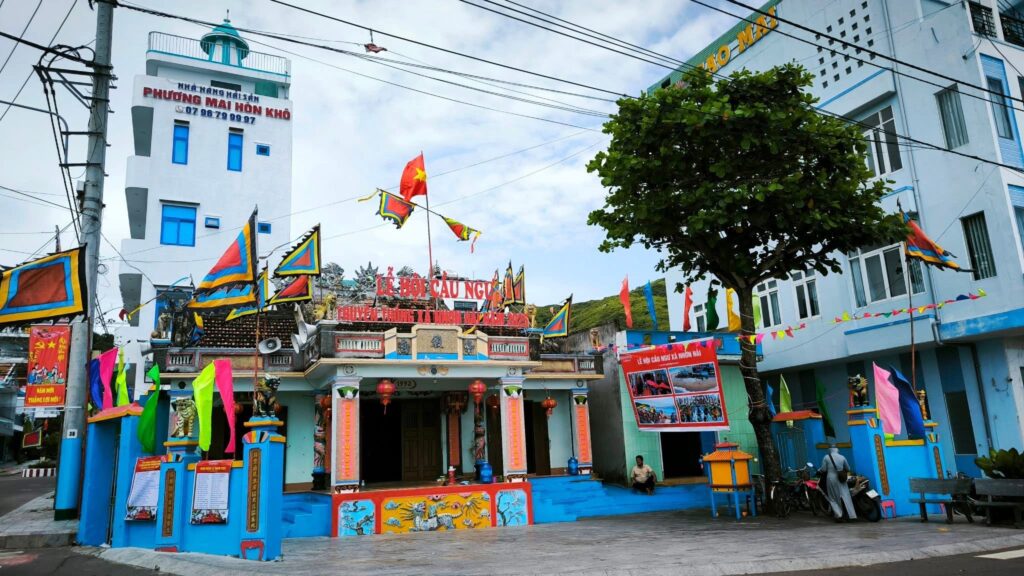
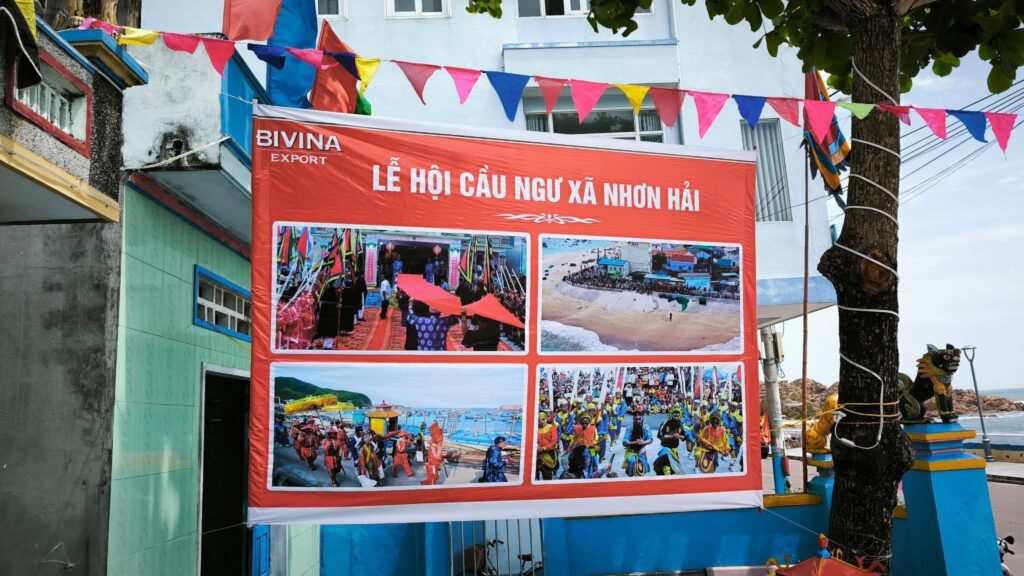
There is no single “Quy Nhon fishing festival.” Several coastal communities maintain their own Cau Ngu traditions, each following a local ritual calendar.
One of the most practical examples for travelers is the annual festival at Nhon Hai, the fishing village facing Hòn Khô. The community holds its festival from the 11th to 13th days of the second lunar month; in 2026 it opened on March 29 in the Hai Bac area of Quy Nhon Đong Ward.
Cầu Ngư can be translated loosely as a ceremony for a successful fishing season, but its meaning goes deeper than that. The festival centers on respect for Thần Nam Hải, a sacred whale figure traditionally regarded by coastal communities as a protector of fishermen at sea.
At Nhơn Hải, ceremonies include welcoming the deity, worship at the Nam Hải shrine and prayers for peaceful seas, safe journeys and successful fishing. The festival is especially notable for Ba Trao, a ritual performance involving coordinated movement and singing, as well as a ceremonial sword dance.
This is a very different experience from a staged cultural show. The people taking part are maintaining a spiritual tradition tied directly to fishing livelihoods.
Other nearby coastal communities also hold their own Cau Ngu festivals. In 2026, for example, Hung Luong in Nhon Ly held a five-day event from June 23–27, while Nhon Chau island held its own celebration in May.
For travelers, that means coastal festival opportunities are spread through the year rather than occurring on one universal “Cầu Ngư day.”
5. Summer Festivals Bring a More Contemporary Side of Quy Nhon
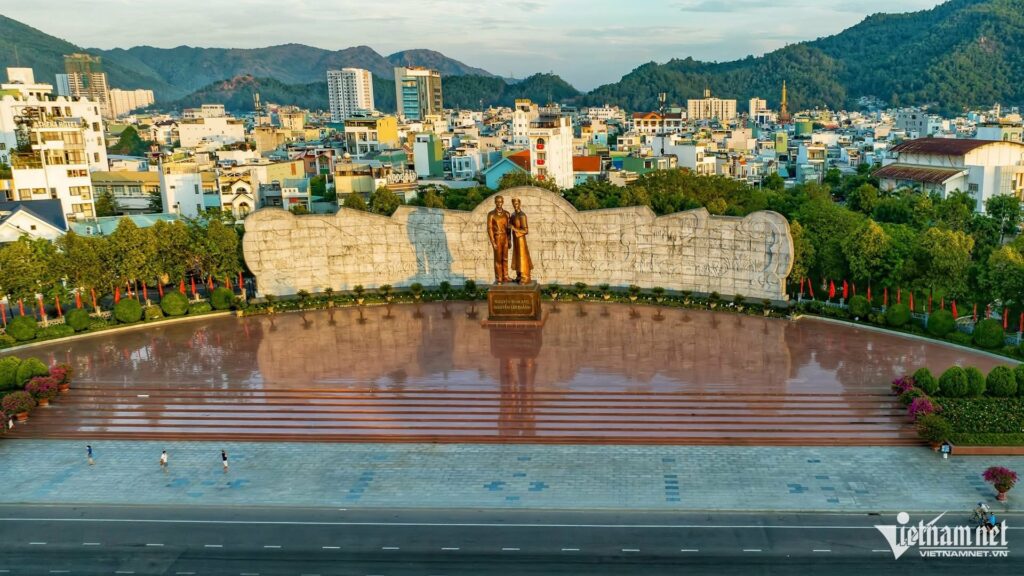
Traditional festivals are only part of the story. Quy Nhon increasingly hosts larger cultural, sports and street events during the summer, particularly around Nguyen Tat Thanh Square and the central beachfront.
In 2026, the 9th International Festival of Vietnamese Traditional Martial Arts ran from August 2–5, with its opening ceremony at Nguyen Tat Thanh Square. Programs included martial-arts demonstrations, exchanges between Vietnamese and international groups, exhibitions and visits to historical and cultural sites.
Immediately afterward and partly overlapping, the Quy Nhon–Gia Lai International Lion and Dragon Dance Festival and Street Festival ran from August 4–10, 2026. It brought lion and dragon performances, street arts and other public cultural activities into central Quy Nhon.
The city has used this summer format before. The 2024 Binh Dinh Essence of Land and Sea Festival combined seafood culture, OCOP products, craft villages, a street festival, a light festival and stage performances at Nguyen Tat Thanh Square and nearby public spaces.
These events are easier for international visitors because they are generally held in open public spaces and require less understanding of religious etiquette.
However, do not treat the 2024 or 2026 dates as an annual calendar. Names, programs and dates can change substantially each summer, so check the current Gia Lai or Quy Nhon event schedule shortly before traveling.
What Are You Actually Watching? A Quick Guide to Local Festival Traditions
Understanding a few cultural terms makes local festivals in Quy Nhon much more rewarding.
Bai Choi combines music, poetry, acting and a traditional card game. UNESCO inscribed the Art of Bài Chòi in Central Viet Nam on the Representative List of the Intangible Cultural Heritage of Humanity in 2017, and Chợ Gò itself appears in UNESCO documentation of the tradition.
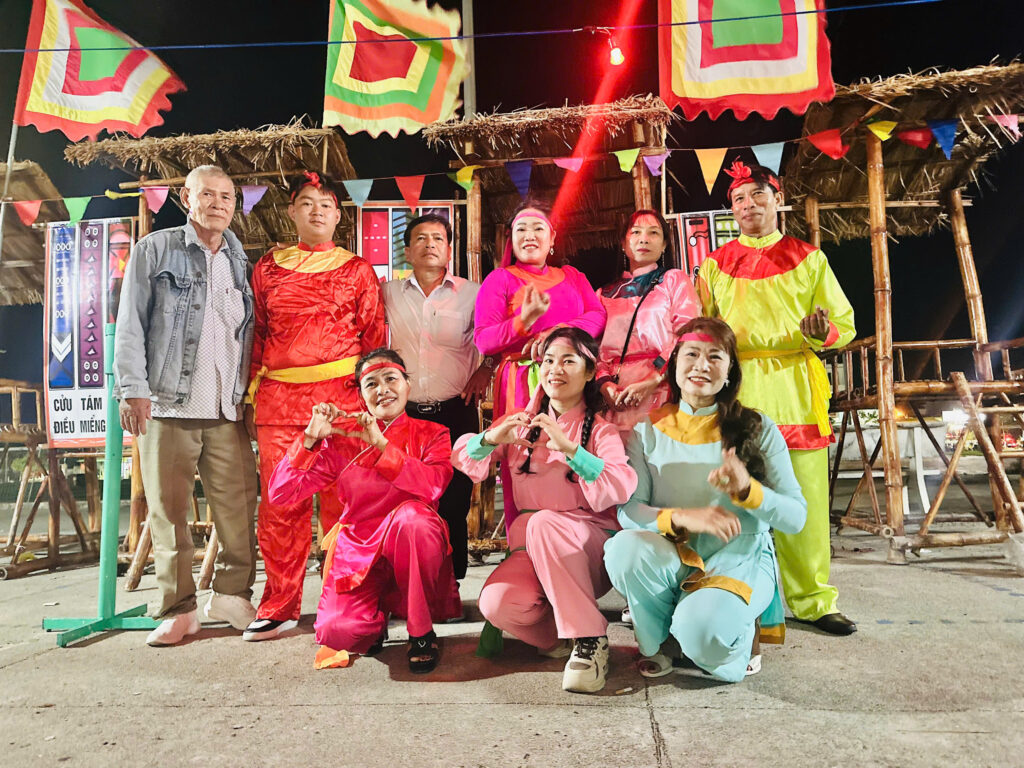
Tuong, also called hát bội, is a highly stylized form of traditional Vietnamese theatre. Bold makeup, dramatic gestures and symbolic movements can look theatrical even before you understand the plot.
Ba Trao belongs to the ritual world of fishing communities. Performers use synchronized movements and songs that evoke rowing and life at sea, commonly appearing during Cầu Ngư ceremonies.
Binh Dinh traditional martial arts carry both sporting and cultural significance in the region. They are particularly visible during Tây Sơn commemorations and dedicated martial-arts festivals.
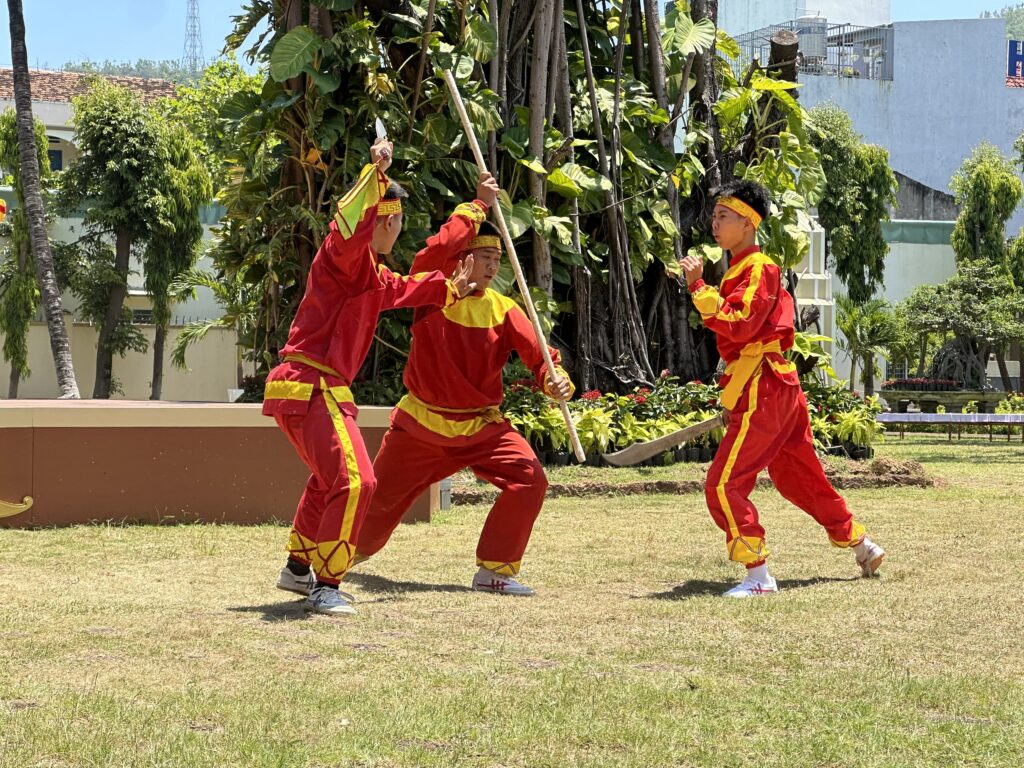
Knowing those terms helps you distinguish between entertainment staged for a public event and traditions that still have ceremonial or community meaning.
When Is the Best Time to Experience Festivals in Quy Nhon?
If traditional festivals are a priority, Tet and the first two lunar months offer the strongest concentration.
- Chợ Gò begins immediately at Lunar New Year. The Ngoc Hoi – Dong Da commemoration follows during the first week of Tet, while Chua Ba Nuoc Man and several coastal Cầu Ngư festivals occur later in the first and second lunar months.
- Spring therefore provides the best chance of seeing several long-established traditions within one trip, but remember that Lunar New Year dates move each year.
- Summer offers a different experience. Travelers are more likely to encounter outdoor concerts, martial-arts festivals, street performances, food programs and large cultural events around central Quy Nhon.
If you are planning a trip specifically around a festival, confirm the schedule through an official local source before booking non-refundable transport. A date copied from the previous year is not reliable enough.
Festival Etiquette for International Visitors
A few simple habits make festival visits much more respectful:
- Dress modestly when entering temples, shrines or ceremonial spaces.
- Ask before taking close-up photographs of worshippers, monks, elders or performers preparing for rituals.
- Do not stand between an altar and the people conducting a ceremony.
- Give processions enough space rather than walking backward in front of them for photographs.
- Follow local instructions before entering shrine areas or touching ceremonial objects.
- At Chợ Gò, remember that New Year buying traditionally emphasizes good fortune rather than aggressive bargaining.
- During Cầu Ngư ceremonies, treat whale worship and Bả Trạo as living community traditions rather than staged entertainment.
- Arrange return transport in advance for festivals outside central Quy Nhon, particularly during Tết.
Crowds are normal at major celebrations. Arriving early gives you more time to understand the setting before the busiest period begins.
Recommended Thich Tours Experiences
A festival schedule cannot always be matched perfectly to travel dates, so the most relevant tours are those that provide cultural context even when no festival is taking place.
Binh Dinh Culture & History Tour: Tây Sơn Dynasty, Champa Towers, and Martial Arts
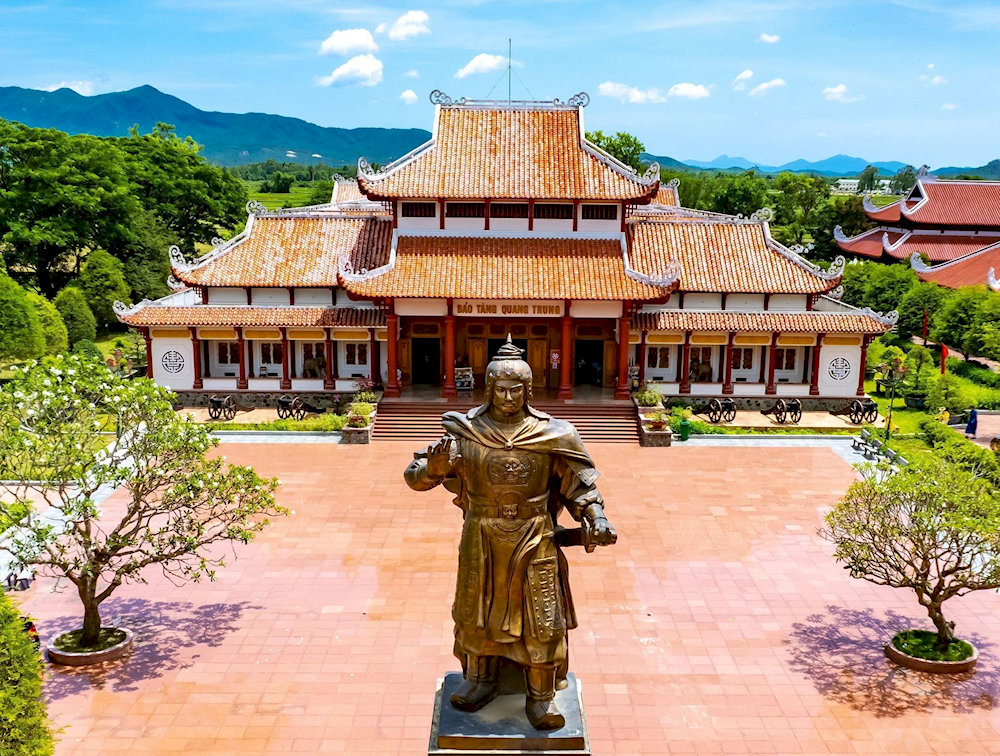
This is the strongest match for travelers interested in the Tây Sơn / Đống Đa side of the article. The current Thich Tours experience combines Quang Trung Museum, traditional Tây Sơn martial arts, Champa heritage and other historical sites.
Best for: History lovers, cultural travelers and visitors interested in martial traditions.
Taking this tour before a Tết commemoration helps explain who Emperor Quang Trung was, why the Tây Sơn period matters locally and why traditional martial arts have such a strong presence in regional cultural events.
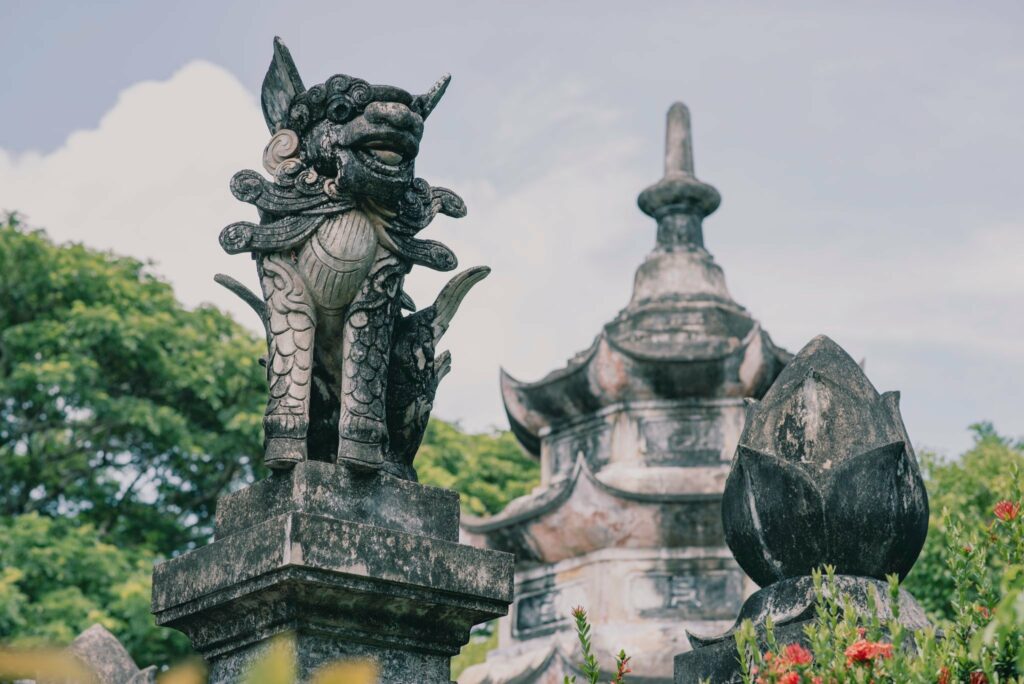
QUY NHƠN HERITAGE & LOCAL LIFE TOUR
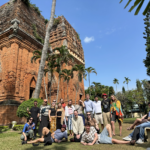
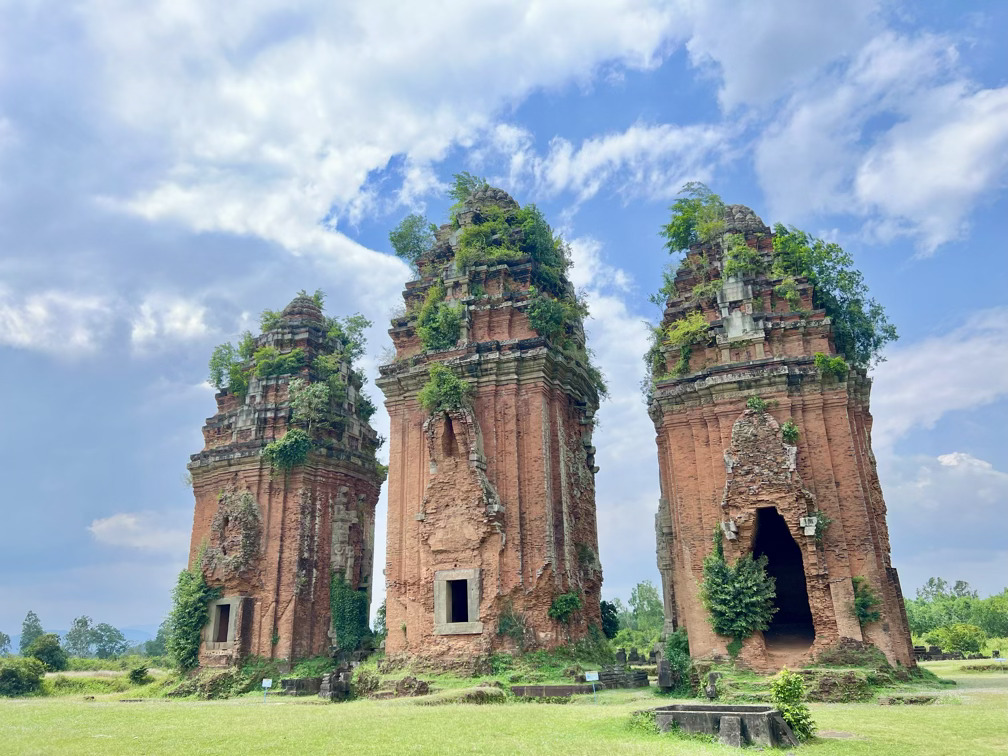
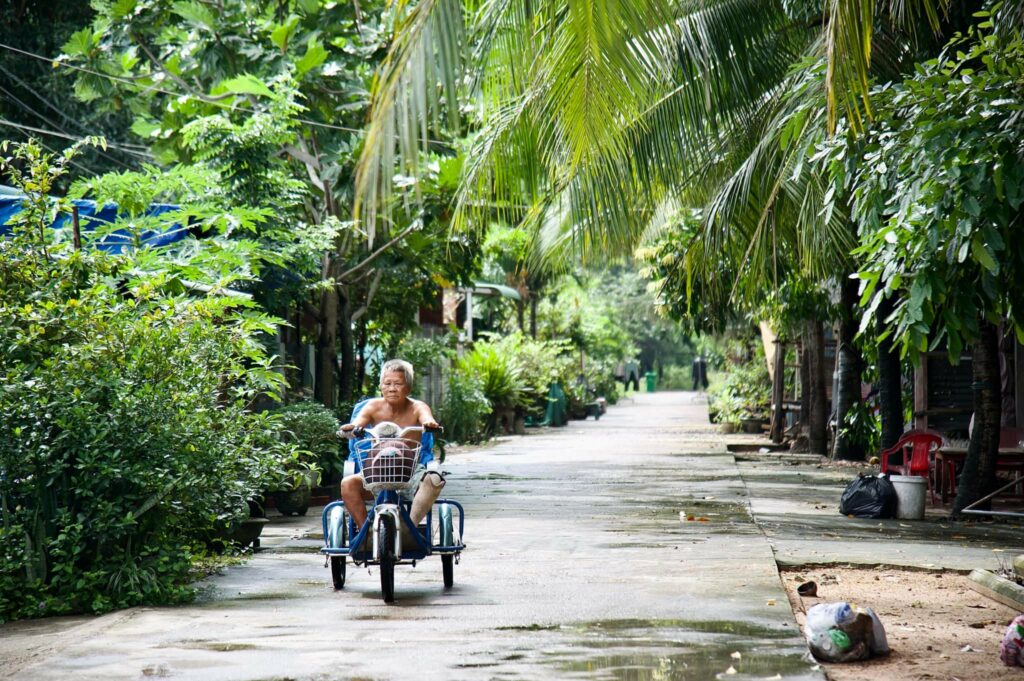
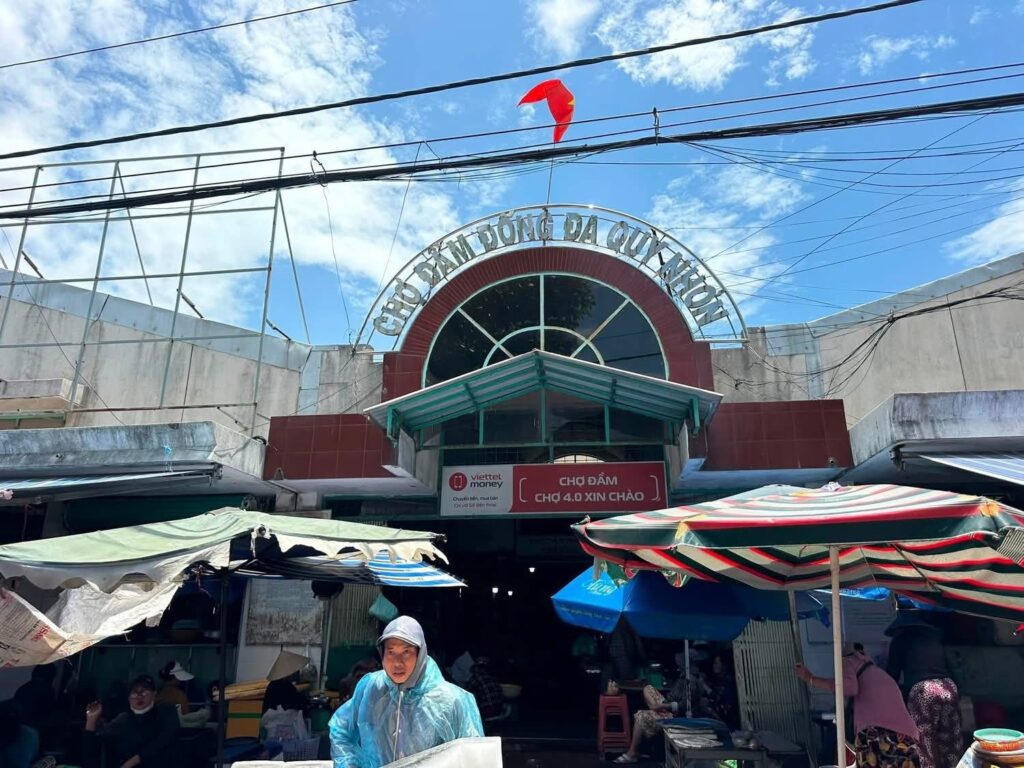
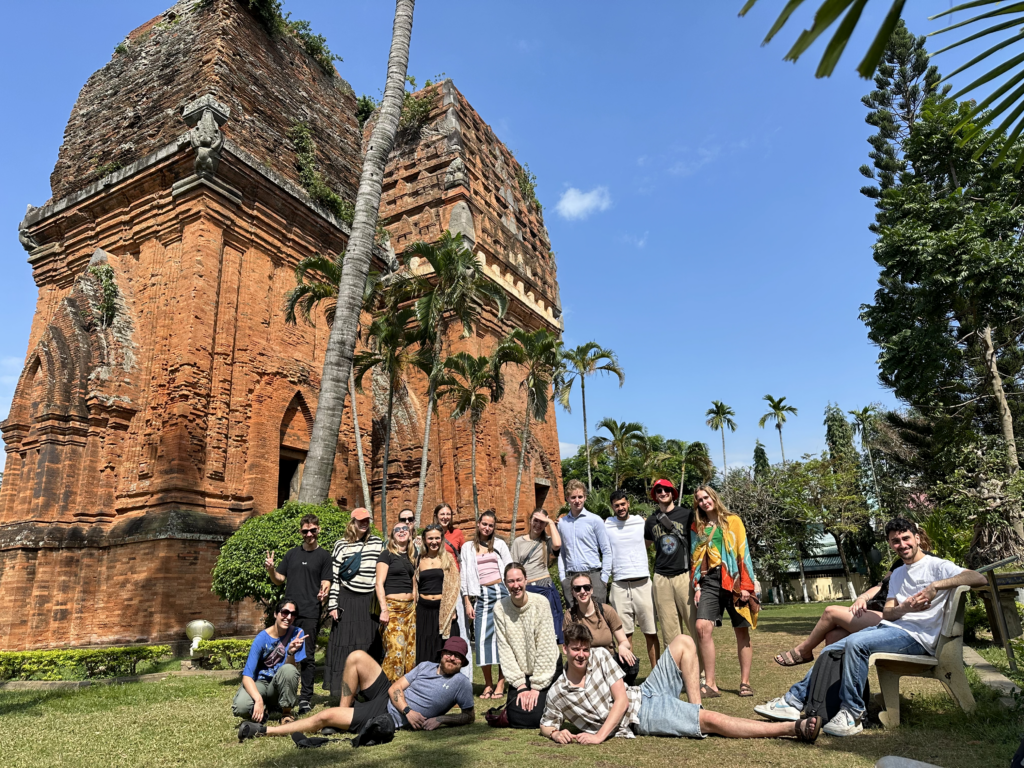
This half-day tour is more suitable for travelers who want a broad introduction to local culture without traveling far inland. The current itinerary includes Quy Hòa Village, the provincial museum, Chợ Đầm, Twin Cham Towers and local food.
Best for: First-time visitors, couples and travelers who want cultural context before exploring local events independently.
It is particularly useful when your dates fall outside the main festival season, because the museum and market provide background on Champa heritage, everyday life and regional traditions.
FAQ – Local Festivals in Quy Nhon
1. What is the best festival in Quy Nhon for international visitors?
Chợ Gò is one of the easiest traditional festivals to appreciate because it combines Tết atmosphere, local food, folk performances and everyday community participation. Travelers interested in history may find the Ngọc Hồi–Đống Đa festival more meaningful.
2. When does Chợ Gò take place?
The traditional gathering begins on the first day of Lunar New Year, with additional festival activities sometimes extending beyond that morning. In 2026, the first day of Tết fell on February 17.
3. Where can I see a traditional fishing festival near Quy Nhon?
Nhơn Hải holds an annual Cầu Ngư festival around the 11th–13th days of the second lunar month. Other fishing communities, including Nhơn Lý and Nhơn Châu, have their own festival calendars.
4. Is Bài Chòi only performed during festivals?
No. Bài Chòi exists both as a festival game and as a performance art, although Tết and local festivals are particularly natural settings for experiencing it. UNESCO recognized the art form in 2017.
5. Can I plan my trip using last year’s festival dates?
Not safely. Traditional events often follow the lunar calendar, while summer festivals may be renamed, moved or not repeated at all. Confirm the current year’s official schedule before booking a trip around one festival.
Final Thoughts
The most interesting local festivals in Quy Nhon are not all designed for visitors. That is precisely what makes them worth experiencing.
At Chợ Gò, you see how Tết, trade and good-luck traditions meet. At Nước Mặn, religion carries memories of an old trading port. In Tây Sơn, martial arts and historical commemoration remain closely connected, while the Cầu Ngư festivals of fishing villages reveal a relationship with the sea that is spiritual as well as economic.
Summer events add a more contemporary layer, with martial arts, street performances and large cultural programs in central Quy Nhon.
If your trip happens to coincide with a festival, allow more time than you would for an ordinary attraction. Watch first, understand the setting and follow the rhythm of the community rather than rushing from one photo opportunity to the next.
If your dates do not match a traditional festival, a local heritage experience can still help you understand the history, martial arts, food and everyday traditions behind these celebrations.