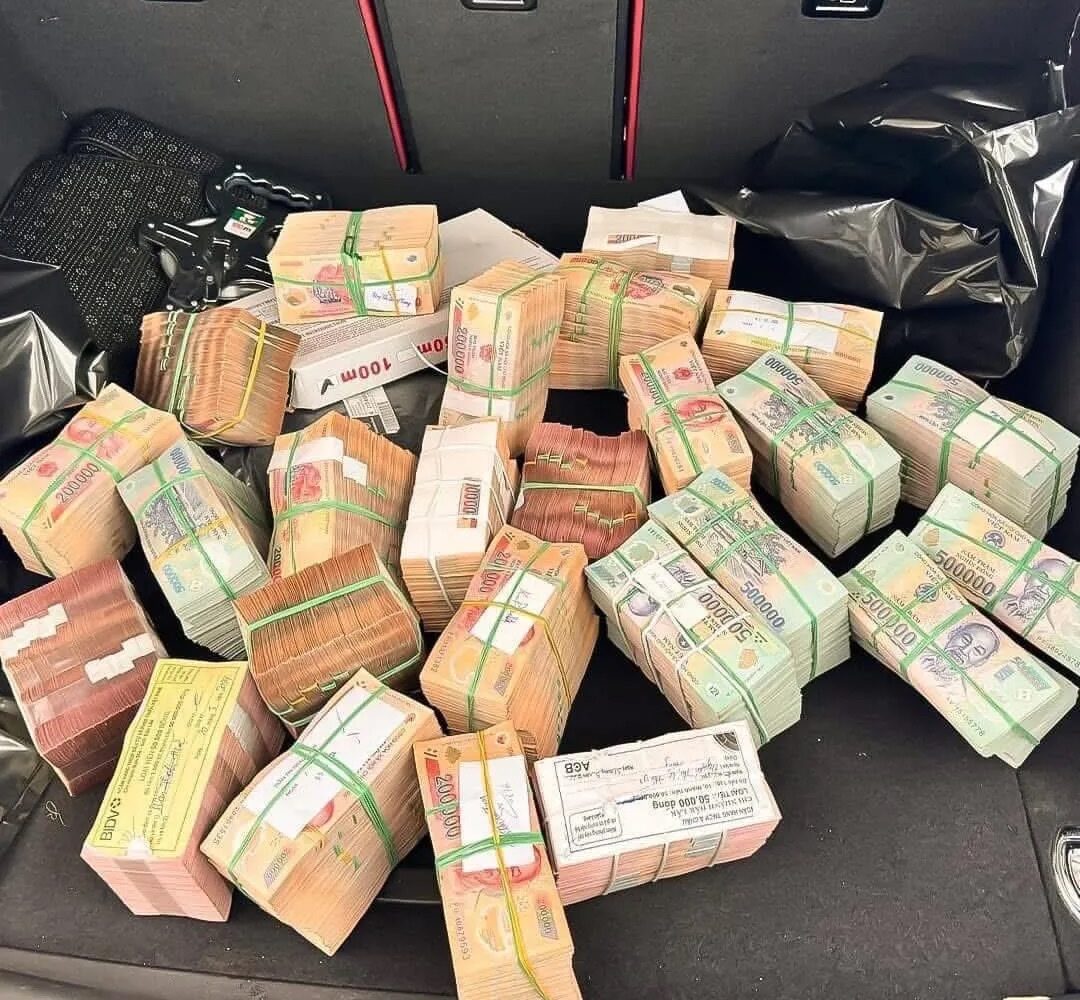
Knowing where to exchange money in Quy Nhon can save you time during your first day in the city. Vietnam uses the Vietnamese dong (VND), and carrying some cash is still useful for local markets, small restaurants, cafés, street food, taxis, and inexpensive everyday purchases.
For foreign visitors carrying USD, EUR, GBP, AUD, JPY, KRW, or other currencies, established banks are the most straightforward place to start. Quy Nhon has several major Vietnamese banks in the central area, while international cards can also be used to withdraw VND from ATMs.
The key is not simply finding the highest number on an exchange-rate board. You also need to know whether you are looking at the cash-buying rate, whether your banknotes are accepted, what identification is required, and whether ATM conversion fees apply.
Where to Exchange Money in Quy Nhon: Quick Answer
For most travelers, these are three practical bank branches to check first:
| Bank | Current address | Best for |
| BIDV Quy Nhon Branch | 399–403 Trần Hưng Đạo, Quy Nhon Ward, Gia Lai Province | Foreign cash exchange and a broad range of currencies |
| Vietcombank Binh Dinh Branch | 66C Lê Duẩn, Quy Nhon Ward, Gia Lai Province | Comparing current cash-buying rates and exchanging major currencies |
| Agribank Binh Dinh Branch | 64 Lê Duẩn, Quy Nhon Ward, Gia Lai Province | Another regulated bank option in central Quy Nhon |
One detail can look confusing on Google Maps: some banks still use “Binh Dinh Branch” in their official names even though former Bình Định Province merged with Gia Lai in 2025. Current addresses therefore may show Gia Lai Province, while older listings still say Quy Nhon, Bình Định.
Because opening hours, counter services, and foreign-currency availability can change, it is worth checking with the branch before making a special journey, particularly if you carry a less commonly exchanged currency.
1. BIDV Quy Nhon Branch – A Practical First Choice
- Address: 399–403 Trần Hưng Đạo, Quy Nhon Ward, Gia Lai Province
- Phone: 0256 381 2827
- Best for: Foreign cash exchange, travelers carrying several different major currencies.
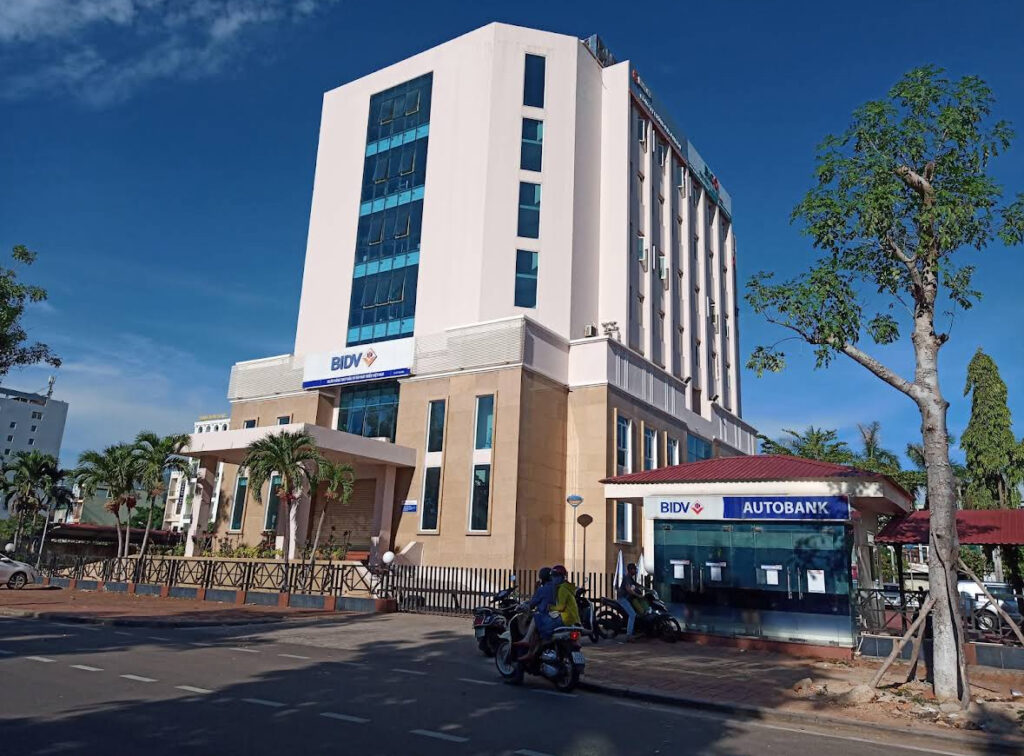
BIDV officially moved its Quy Nhon branch to 399–403 Trần Hưng Đạo in August 2025. The address is therefore more reliable than older travel articles that may still direct visitors to its previous location on Lê Hồng Phong.
BIDV provides both cash and account-based foreign-exchange services. Its current foreign-exchange information lists currencies including USD, EUR, GBP, JPY, KRW, AUD, and TWD, alongside many others, although actual cash handling can depend on the branch and banknote availability.
For a foreign traveler selling overseas banknotes and receiving Vietnamese dong, ask specifically for the bank’s current cash-buying rate. Bring your passport, and if your currency is unusual, call first rather than assuming the branch can immediately process every denomination.
BIDV also has procedures for damaged foreign notes, but these may be handled differently from a normal currency exchange. For the simplest transaction, carry clean, intact notes with clearly visible serial numbers and security features.
2. Vietcombank Binh Dinh Branch – Convenient for Checking Published Rates
- Address: 66C Lê Duẩn, Quy Nhon Ward, Gia Lai Province
- Phone: 0256 352 6666
- Best for: Major currencies and travelers who want to compare the bank’s published exchange rate before visiting.
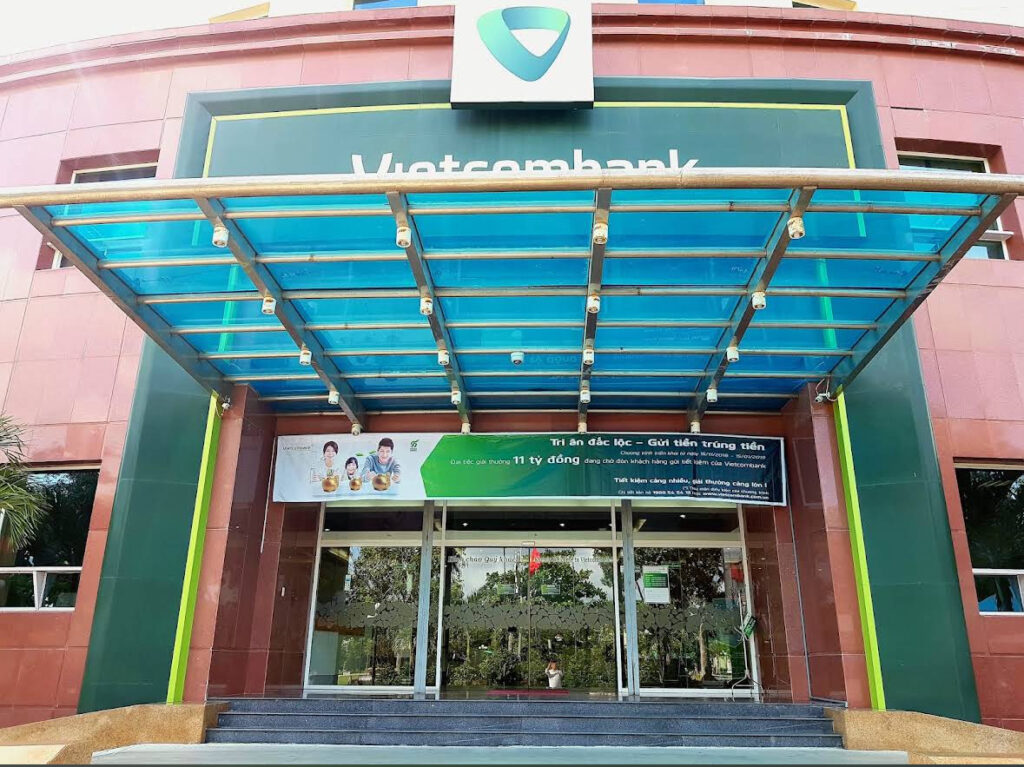
Vietcombank Binh Dinh Branch remains active at 66C Lê Duẩn, now listed under Gia Lai Province after the administrative changes. The former provincial tourism portal also lists the branch at the same Lê Duẩn address.
Vietcombank is particularly useful for travelers who want to understand exchange-rate terminology before going to the counter. Its online rate table clearly separates Cash Buying, Telegraphic Buying, and Selling rates for currencies including USD, EUR, GBP, JPY, AUD, SGD, CAD, KRW, and others.
If you are handing the bank foreign banknotes and receiving VND, the Cash Buying column is normally the one relevant to you. Do not use the bank’s “Selling” rate to estimate how much dong you should receive, because that represents the opposite side of the transaction.
The bank also states that published rates are for reference, so confirm the actual amount before completing the exchange. Rates can move during the day, and the treatment of individual currencies or denominations can differ.
3. Agribank Binh Dinh Branch – Another Central Bank Option
- Address: 64 Lê Duẩn, Quy Nhon Ward, Gia Lai Province
- Best for: Comparing a second regulated exchange option without traveling far across the city.
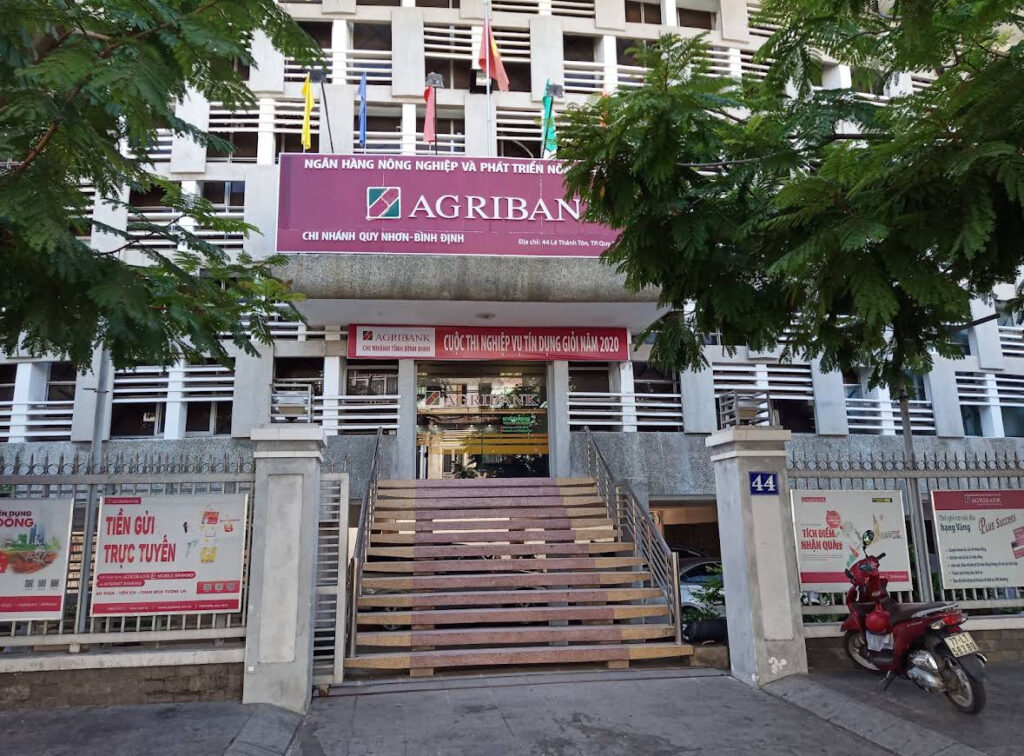
Agribank Binh Dinh Branch is currently located at 64 Lê Duẩn, immediately in the same central banking area as Vietcombank. Agribank’s own 2026 documentation continues to identify the branch at this address under Quy Nhon Ward, Gia Lai Province.
Agribank provides spot foreign-exchange transactions for individual customers, with the rate determined at the time of the transaction. Its service information says it handles multiple currencies and may require documents according to State Bank and Agribank regulations.
For travelers, this makes Agribank a sensible backup when another bank cannot process a particular currency or the queue is long. As elsewhere, bring your passport and ask whether your specific currency and banknote denominations can be accepted before waiting for a transaction.
The close proximity of several major banks around Lê Duẩn also makes this area convenient if you genuinely need to compare two rates. For a small amount of travel cash, however, spending an hour chasing a tiny difference is rarely worthwhile.
Which Exchange Rate Should You Look At?
This is one of the most confusing parts of exchanging money in Vietnam.
Suppose you arrive with USD 200 and want Vietnamese dong. From the bank’s perspective, the bank is buying your dollars, which means you normally need to look at the cash-buying rate.
A bank website may show something like:
Cash Buying → Transfer Buying → Selling
The first figure is the relevant reference when you physically hand over foreign banknotes. The transfer-buying rate applies to different types of transactions, while the selling rate applies when the bank is selling foreign currency.
Vietcombank and BIDV both publish exchange-rate information online, but their websites make clear that displayed rates are reference rates and can change. Check again on the day you exchange rather than saving a screenshot several days before your trip.
What Should You Bring to the Bank?
The safest preparation is simple: bring your passport and clean foreign banknotes.
BIDV’s guidance for individual foreign-exchange transactions refers to valid identification such as a passport, while additional documentation can depend on the type and purpose of the transaction. Selling legally held foreign cash for VND is different from buying foreign currency to send or carry abroad, so requirements are not identical in every situation.
Your banknotes should ideally be clean and in good physical condition. Heavy damage, missing portions, unclear security features, or severely worn notes can require additional handling rather than a normal counter exchange.
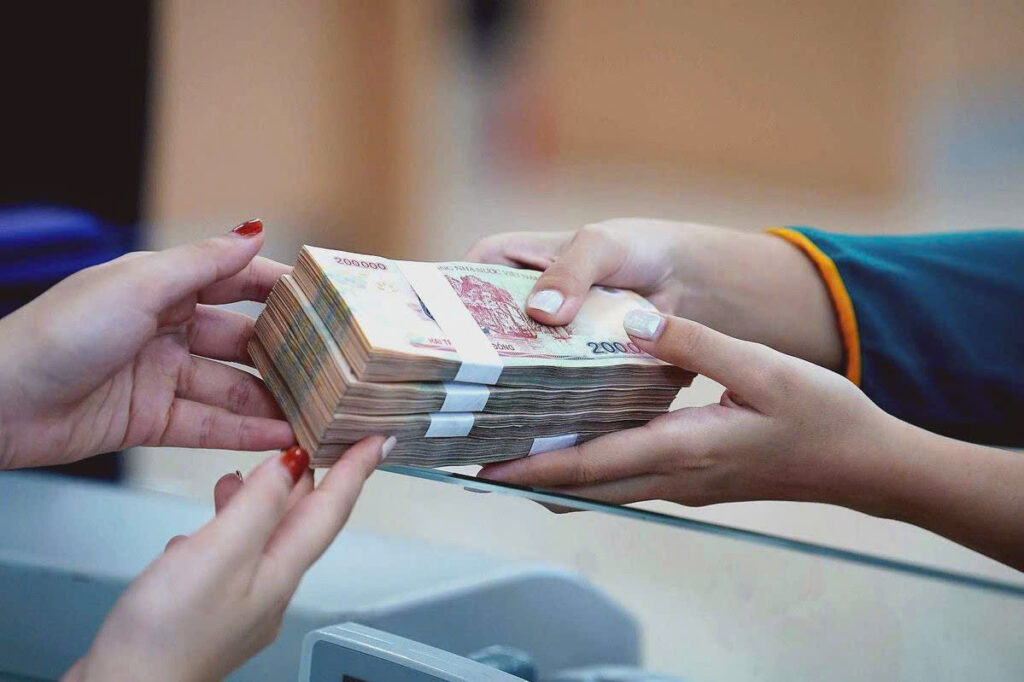
Before leaving the counter, count the VND carefully and keep the receipt. Vietnamese notes involve large numbers, so first-time visitors should take an extra moment to check the zeros rather than rushing through the transaction.
Is It Better to Use an ATM Instead?
For many international travelers, yes. You may not need to bring enough foreign cash for your entire stay.
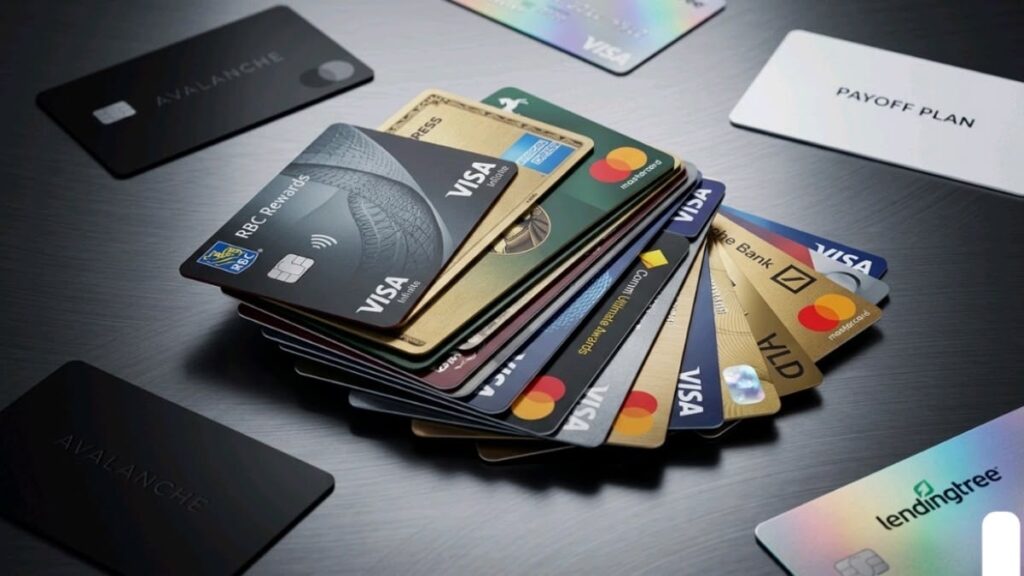
ATMs operated by Vietnamese banks are available throughout central Quy Nhon, including at or near major bank branches. An international Visa or Mastercard may allow you to withdraw VND directly, subject to your card issuer’s rules and the ATM operator’s limits.
The total cost can include more than one component. The Vietnamese ATM operator may charge a withdrawal fee, while your home bank can also impose an overseas ATM fee or foreign-currency charge. Limits and fees vary by bank and card, so there is no single withdrawal amount that is best for every visitor.
One screen deserves particular attention: Dynamic Currency Conversion, often shortened to DCC. An ATM may offer to convert the transaction into your home currency instead of processing it in Vietnamese dong.
Visa explains that DCC includes an exchange rate and additional fees or markup. If you want the transaction processed through your card network or issuer rather than the ATM’s conversion provider, choose the local currency, VND, when that option is presented.
Your own bank may still charge foreign transaction fees, so check your card terms before traveling.
Cash, Card or ATM: What Works Best in Quy Nhon?
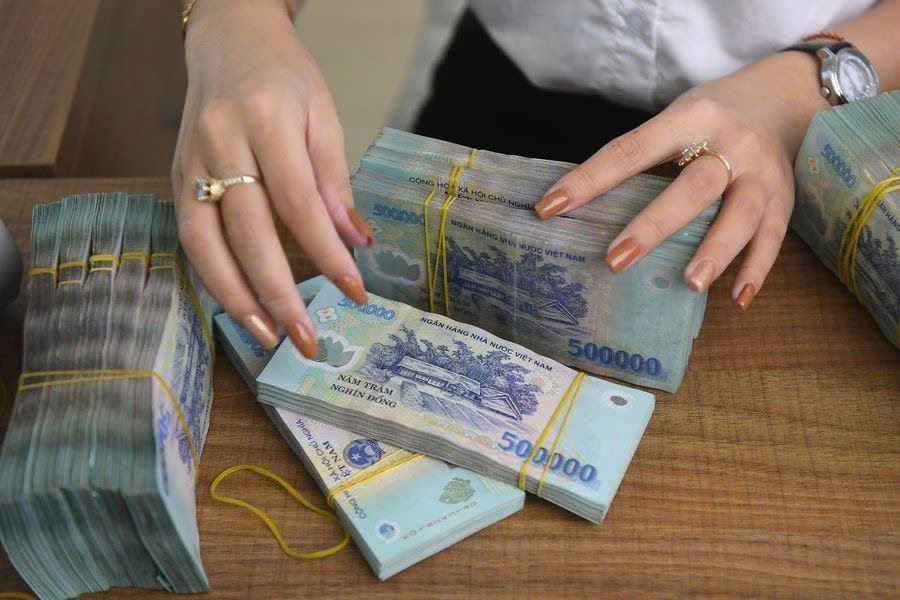
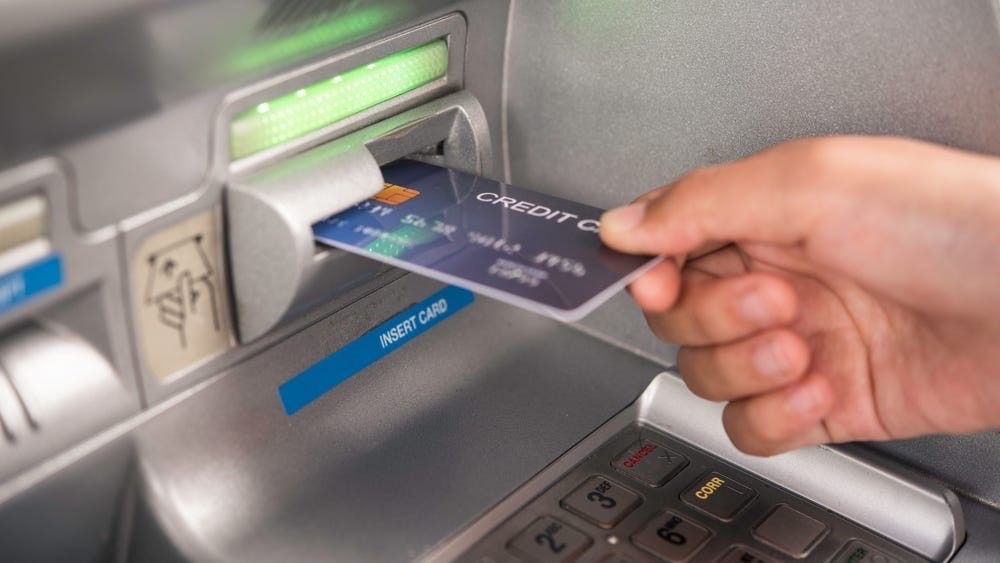
A combination is usually more practical than relying completely on one method.
Cards are convenient for hotels, larger restaurants, established tour companies, and other businesses equipped with card terminals. Cash remains useful at local markets, small food stalls, family-run restaurants, cafés, and for minor purchases where card acceptance may not be available or convenient.
Instead of exchanging your entire trip budget at once, consider keeping enough VND for the next day or two of smaller expenses and replenishing it when necessary. This reduces how much cash you carry and lowers the chance of leaving Vietnam with a large amount of unused dong.
Keep a second payment method separate from your main wallet. A backup card plus a small reserve of foreign currency can be useful if an ATM rejects one card or your bank temporarily blocks an overseas transaction.
Should You Exchange Money at Gold or Jewelry Shops?
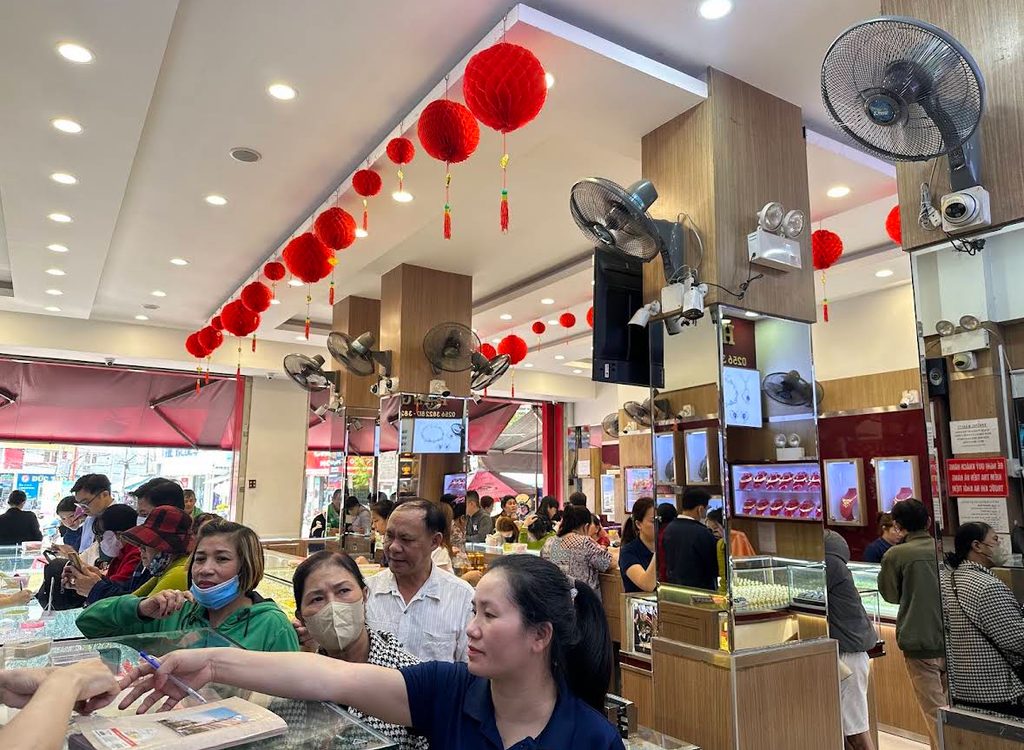
You may hear travelers recommend gold or jewelry shops because some offer attractive exchange rates. The important detail is that not every jewelry shop is automatically authorized to exchange foreign currency.
Vietnam’s current foreign-exchange rules allow non-bank businesses to operate as foreign-currency exchange agents only under the relevant authorization and registration framework. The 2026 regulations specifically cover authorized agents operating under agreements with licensed credit institutions.
That means the safest advice for an international visitor is not “never use a jewelry shop,” but rather do not assume every shop displaying foreign currency can legally exchange it.
If using a non-bank exchange point, check that it is a clearly authorized foreign-exchange agent, confirm the rate before handing over cash, and request proper transaction documentation. Otherwise, an established bank removes much of that uncertainty.
Can You Pay Directly in USD or EUR in Quy Nhon?
Plan to pay in Vietnamese dong, not foreign cash.
Vietnamese foreign-exchange regulations generally restrict the use of foreign currency for payments, pricing, and transactions within Vietnam except in specifically permitted cases. For an ordinary traveler paying for meals, shopping, or local services, VND is the practical currency to use.
Some tourism businesses may quote prices in another currency for convenience, particularly online, but that does not mean you should rely on USD or EUR cash for normal daily spending.
Having VND also makes market purchases, taxi payments, food stops, and small transactions much simpler.
A Simple Money Plan for Your First Day in Quy Nhon
If you are arriving with an international card, you do not need to spend your first morning comparing every bank in the city. Withdraw or exchange enough VND for immediate expenses, then see how much cash you actually use.
If you arrive with foreign banknotes, BIDV at 399–403 Trần Hưng Đạo is a strong first option. The Vietcombank and Agribank branches at 66C and 64 Lê Duẩn give you two additional regulated choices within central Quy Nhon.
Travelers carrying less common currencies should contact a bank before going. Even when a bank officially trades a currency, the individual branch may need to confirm whether it can accept your specific cash notes.
There is usually little reason to carry your entire Vietnam travel budget in cash. A sensible combination of VND, an international card, and a backup payment method is both simpler and more flexible.
Useful Local Experiences After You Have Your VND Sorted
Currency exchange is a practical task rather than a travel experience, so I would keep the tour recommendations here deliberately limited.
QUY NHƠN HERITAGE & LOCAL LIFE TOUR
QUY NHƠN HERITAGE & LOCAL LIFE TOUR
This half-day experience is the strongest match because the itinerary includes Chợ Đầm, a working local market where having some Vietnamese dong is useful if you want to make a small personal purchase. The tour also visits Quy Hòa Village, the local museum, and the Twin Cham Towers.
Best for: First-time travelers who want help understanding local markets, everyday life, and Quy Nhon’s cultural background.
A guide can also make that first market encounter easier if you are still getting used to local prices, unfamiliar foods, and Vietnamese cash denominations.
Savoring the Sunset: A Journey Through Local Flavors
Savoring the Sunset: A Journey Through Local Flavors
This food-focused experience introduces dishes such as Bình Định rice pancakes, grilled fermented pork and beef, local seafood, and desserts. It is a relaxed way to understand local food culture before exploring small restaurants and street-food places independently.
Best for: Food lovers and first-time visitors who want an easy introduction to eating locally.
Once you are comfortable with Vietnamese dong and local prices, independent food stops around Quy Nhon become much easier to navigate.
FAQ – Money Exchange in Quy Nhon
1. Can I exchange US dollars or euros in Quy Nhon?
Yes. Major banks in Quy Nhon provide foreign-exchange services, although currency and banknote acceptance can vary by branch. Check the current cash-buying rate before you go.
2. Do I need my passport to exchange money?
Bring your passport. Banks may require valid identification and can request additional documents depending on the type of foreign-exchange transaction.
3. Is it better to exchange cash or withdraw VND from an ATM?
It depends on your home bank’s ATM and foreign-transaction fees. Travelers with low-fee international cards may find ATMs more convenient, while carrying some foreign cash provides a useful backup.
4. Should I choose VND or my home currency at an ATM?
If the ATM offers Dynamic Currency Conversion, check the displayed exchange rate and fees carefully. Choosing VND avoids the ATM provider’s DCC conversion and leaves currency conversion to your card network or issuer.
5. Can every bank exchange any foreign currency?
No. Banks may support many currencies overall, but individual branches can differ in what physical banknotes they can process immediately. Call ahead if you carry a less common currency.
>> Essential Information for First-Time Travellers to Quy Nhon: Do You Need Cash in Quy Nhon? Payment Tips for International Visitors | Do People Tip in Vietnam? A Complete Guide to Tipping Etiquette for Travelers | 25 Essential Travel Tips for First-Time Visitors to Quy Nhon
Final Tips on Where to Exchange Money in Quy Nhon
Once you understand where to exchange money in Quy Nhon, managing your travel budget is straightforward. Start with an established bank when converting physical foreign cash, use ATMs when the fees make sense for your card, and keep enough Vietnamese dong for smaller daily purchases.
The three addresses worth saving are BIDV at 399–403 Trần Hưng Đạo, Vietcombank at 66C Lê Duẩn, and Agribank at 64 Lê Duẩn. Check the current cash-buying rate, take your passport, and confirm your final VND amount before completing the transaction.
There is no need to spend valuable travel time crossing Quy Nhon for a tiny difference in exchange rates. Keep your money setup simple, maintain one backup payment method, and you can focus on the beaches, food, markets, and local experiences that brought you here in the first place.