If you want to experience traditional music in Quy Nhon, Bài Chòi is one of the most distinctive cultural traditions to discover. At first, it may look like a colorful folk game, with cards, small huts, singing, and an enthusiastic crowd. Spend a little longer watching, however, and you begin to notice something more complex.
Bài Chòi combines music, poetry, storytelling, improvisation, acting, and social interaction within one community experience. It belongs to a wider Central Vietnamese tradition and has particularly deep roots in Bình Định. For international visitors, understanding a few basics beforehand makes the performance much easier—and much more enjoyable—to follow.
1. What Exactly Is Bài Chòi?
Bài Chòi is difficult to describe with a single English term because it combines several different forms of entertainment. Its Vietnamese name refers to playing cards in small huts, but the experience extends far beyond the game itself. A traditional gathering brings together performers, players, music, singing, poetry, humor, and audience participation.
At the center is the anh hiệu or chị hiệu, the caller-performer who draws cards and sings verses containing clues. Players listen carefully and try to recognize whether the announced card corresponds with one they hold. The performance can include improvised lyrics, local expressions, jokes, and observations about everyday life.
This combination of play and performance explains why Bài Chòi feels different from attending a conventional concert. You are not simply watching musicians on a stage; you are entering a social tradition built around interaction.
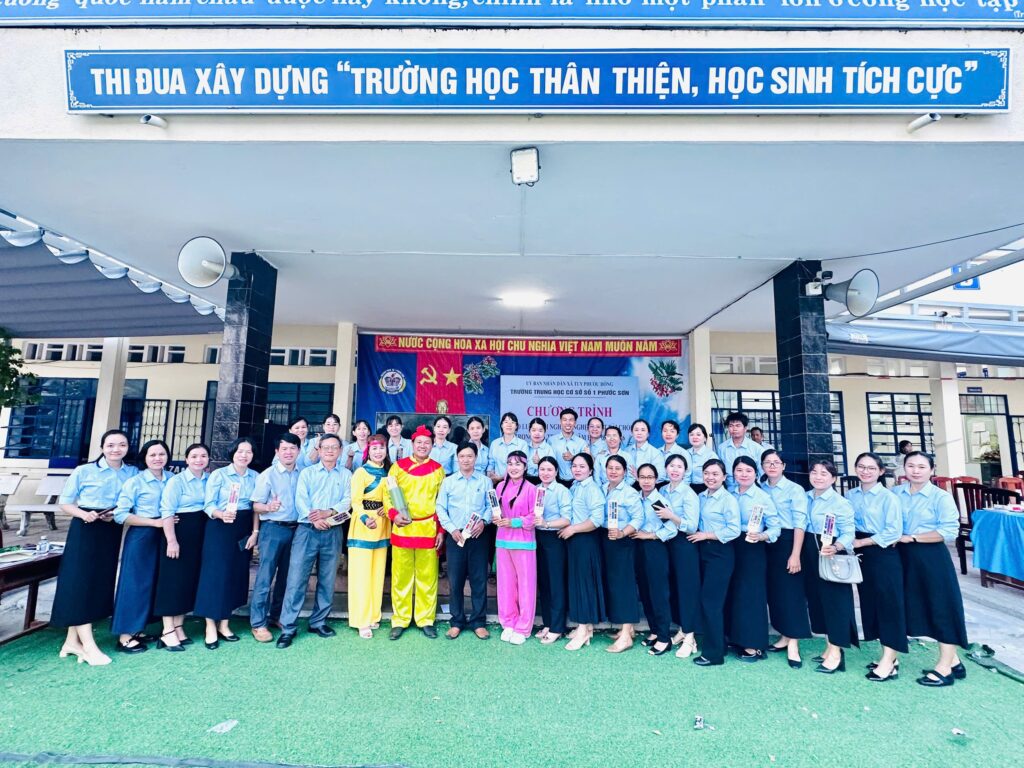
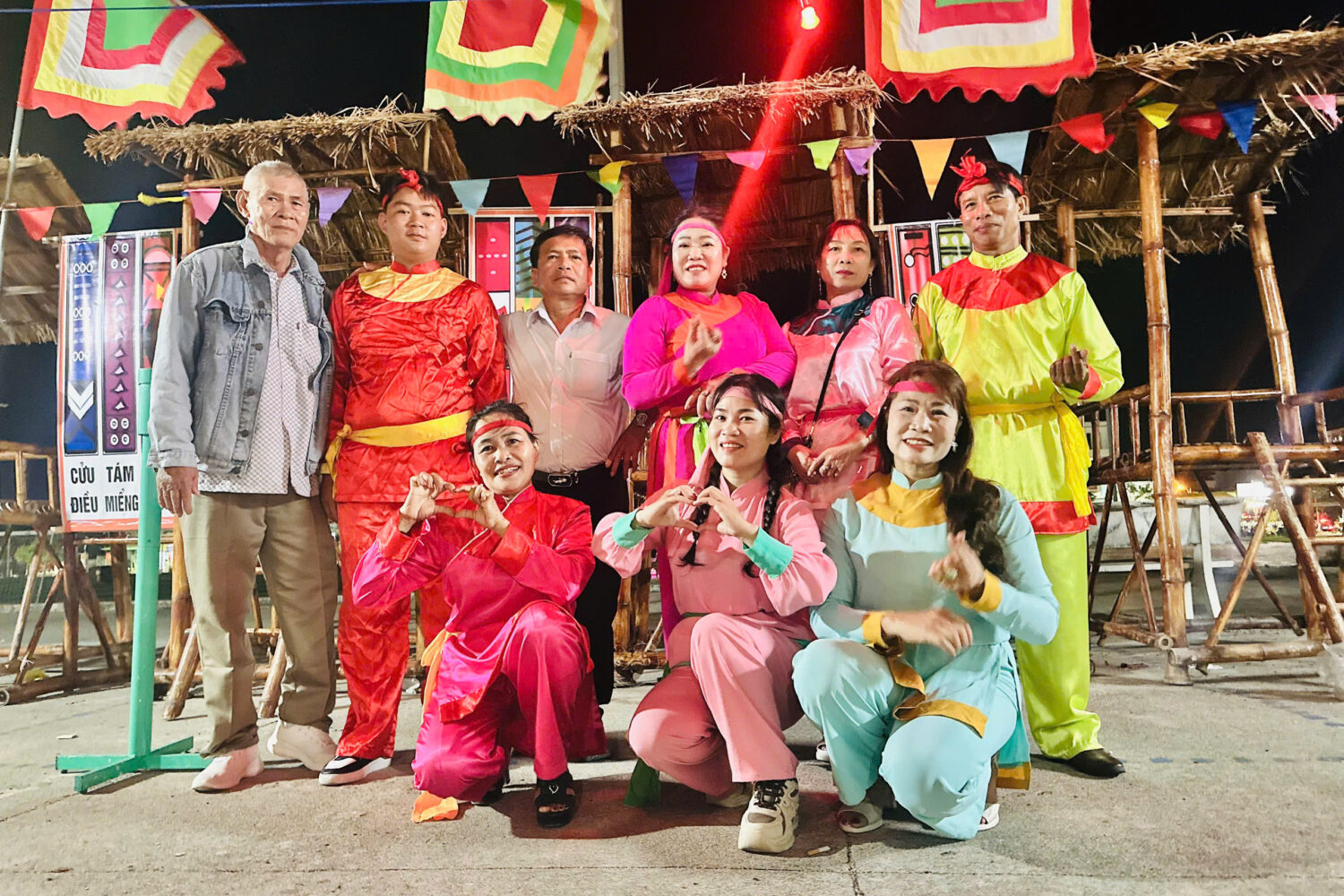
Bai Choi Folk Art Experience
2. Why Bài Chòi Matters to Quy Nhon and Central Vietnam
Bài Chòi developed across communities in Central Vietnam, where it became closely connected with festivals, celebrations, and communal gatherings. Bình Định is one of the places where the tradition has been particularly strongly preserved and practiced. Generations of local performers have helped pass its melodies, verses, performance techniques, and social meanings forward.
In 2017, UNESCO inscribed The Art of Bài Chòi in Central Viet Nam on the Representative List of the Intangible Cultural Heritage of Humanity. That recognition covers the wider Central Vietnamese tradition rather than Quy Nhon alone.
For travelers exploring traditional music in Quy Nhon, this distinction is useful. Bài Chòi is both part of a broader regional heritage and an important expression of Bình Định’s local cultural identity.

Bai Choi Folk Art Experience
3. What Does a Bài Chòi Performance Feel Like?
A Bài Chòi gathering can feel surprisingly lively even when you understand almost none of the Vietnamese lyrics. The caller stretches words melodically, changes rhythm, adds humorous phrases, and keeps players waiting before revealing each card. Traditional instruments support the singing while reactions from the audience become part of the atmosphere.
You may hear laughter before understanding what caused it, because wordplay and local references are important elements of the performance. That language barrier does not necessarily make the experience inaccessible.
Watch how the performer communicates through facial expressions, gestures, vocal changes, and interaction with players. A local guide or Vietnamese companion can explain the meaning behind important verses and humorous moments. Even without translation, the rhythm between performer and audience reveals why Bài Chòi has remained a living community tradition.
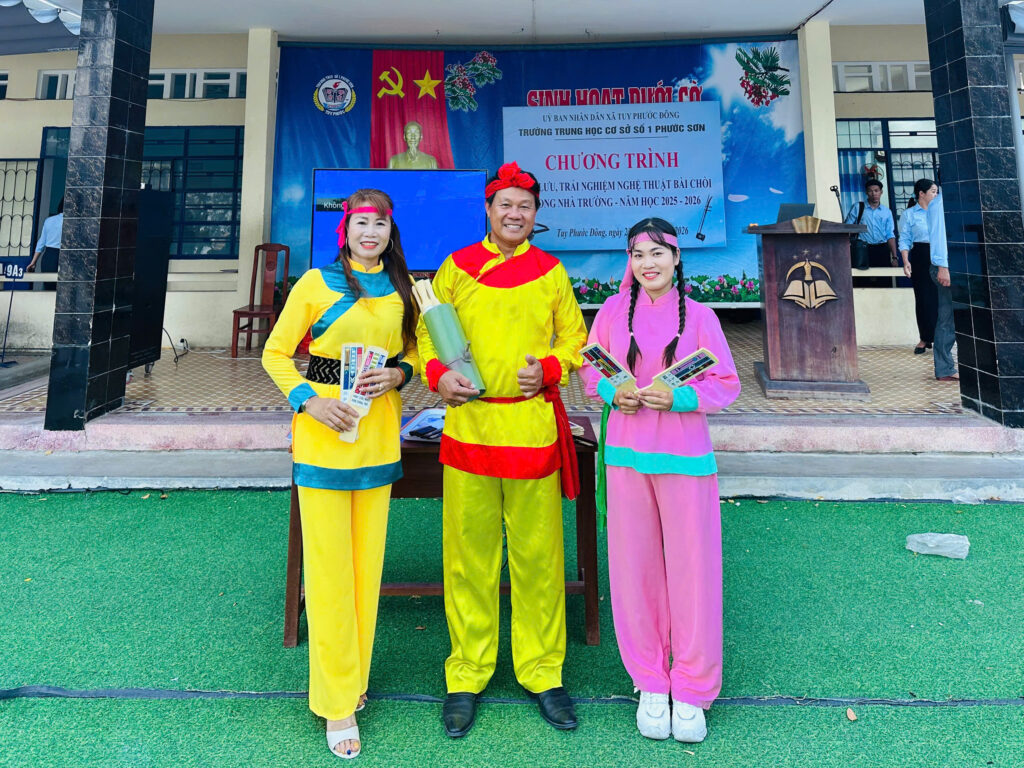
Traditional Bai Choi Performance in Quy Nhon
4. Bài Chòi Is More Than Traditional Music
Calling Bài Chòi simply traditional music in Quy Nhon only describes one part of the experience. Music provides its emotional rhythm, but poetry, acting, storytelling, cards, and audience participation are equally important. Performers traditionally use verses that can touch on daily life, morality, relationships, humor, and local observations.
Improvisation gives skilled callers room to respond to their audience rather than reproducing an identical performance every time. This flexibility has helped Bài Chòi remain socially engaging instead of becoming only a museum demonstration.
For international travelers, this is perhaps the most interesting way to approach the tradition. Do not worry about understanding every lyric; watch how music becomes a conversation between the performer and the community.
5. Where Can Visitors Experience Bài Chòi in Quy Nhon?
Nguyen Tat Thanh Square has been an important public setting for Bài Chòi activities and traditional performances in Quy Nhon. Cultural programs there have brought Bài Chòi closer to residents and visitors rather than restricting it to formal theaters. Special competitions and community events have also recreated the complete folk-game format at the square.
However, travelers should not assume that a Bài Chòi performance happens every evening or follows a permanent tourist schedule. Programs may depend on cultural calendars, festivals, public events, and local arrangements.
Check current information with your accommodation, a local tourism provider, or official cultural channels shortly before visiting. This is particularly important if seeing Bài Chòi is one of the main reasons for your evening plans.
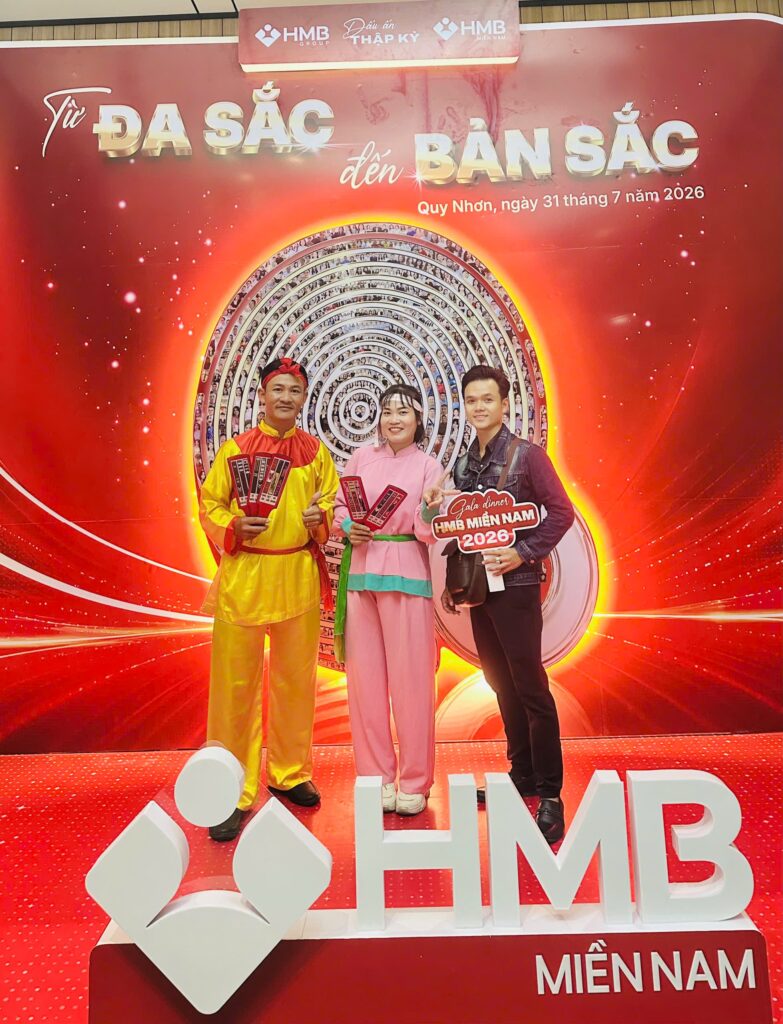
Bai Choi Folk Art Experience 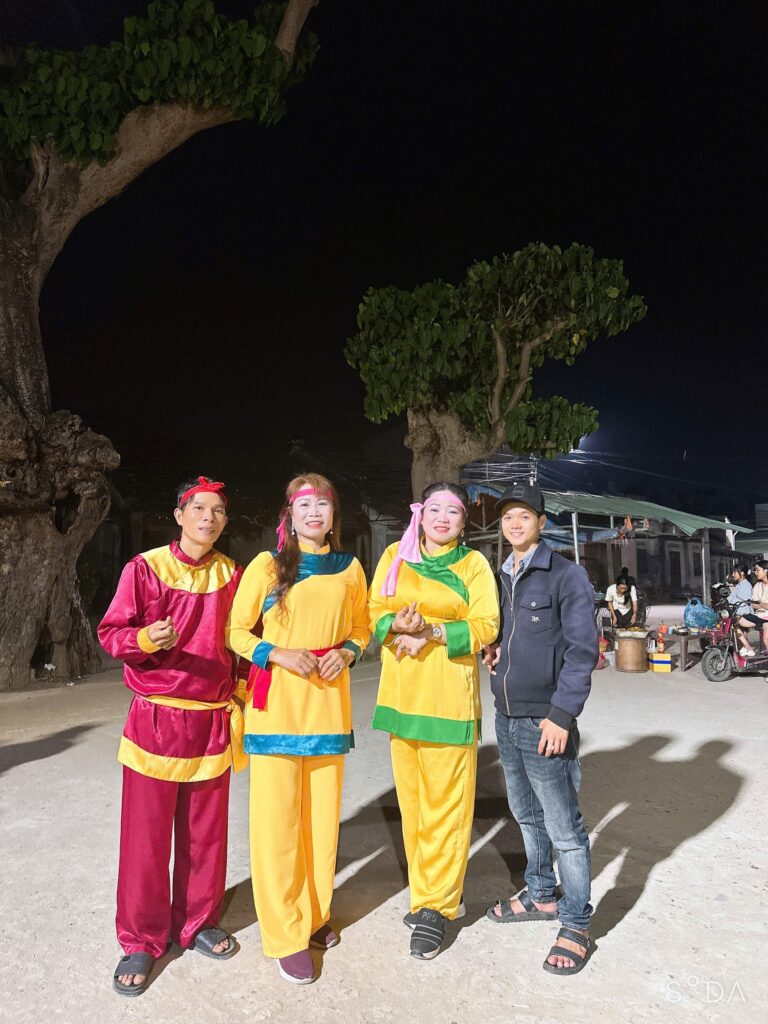
Bai Choi Folk Art Experience in Quy Nhon
6. How First-Time International Visitors Can Enjoy Bài Chòi
You do not need to speak Vietnamese to enjoy Bài Chòi, but a little context makes an enormous difference. Learn the basic idea of the card game before arriving, then focus on the caller and audience rather than translating every word. If participation is invited, follow local instructions and treat the experience as a community activity rather than a staged photo opportunity.
A guide who understands local culture can explain jokes, card names, musical patterns, and references that foreign visitors might otherwise miss. During busy festivals, arrive with enough time to observe how the game is organized before trying to participate.
Most importantly, approach Bài Chòi with curiosity rather than expecting a polished Western-style music performance. The spontaneity, interaction, and community atmosphere are precisely what make the tradition memorable.
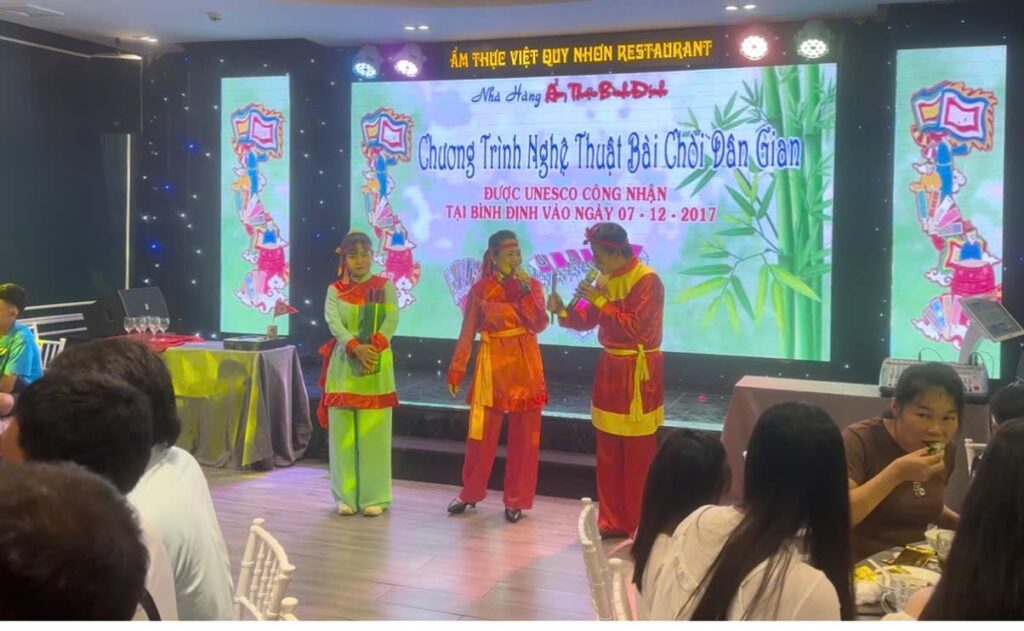
Bai Choi Folk Art Experience in Quy Nhon
Recommended Places and Cultural Experiences
Nguyen Tat Thanh Square
Best for: Public cultural events, evening walks, and travelers hoping to encounter local performances.
This large central square has hosted Bài Chòi gatherings and traditional arts programs for residents and visitors. It is also an easy place to include during an evening walk through central Quy Nhon.
Because cultural programming can change, check the current event schedule rather than planning your trip around an assumed nightly performance.
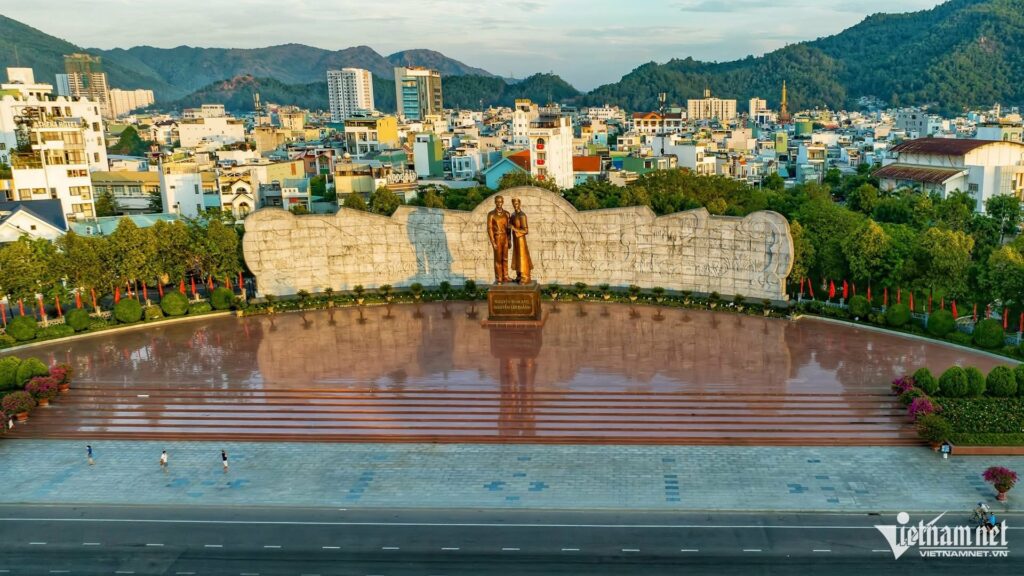
Nguyen Sinh Sac & Nguyen Tat Thanh Monument (Source: Collected)
Twin Towers
Best for: First-time visitors interested in understanding the deeper cultural layers of Quy Nhon.
The Twin Towers introduce travelers to Champa heritage, adding a much older historical layer to a cultural itinerary. Combining Cham architecture with living traditions like Bài Chòi helps reveal that Quy Nhon’s identity developed through many different periods.
The towers are especially practical for first-time visitors because they sit within the urban area rather than requiring a full countryside excursion.
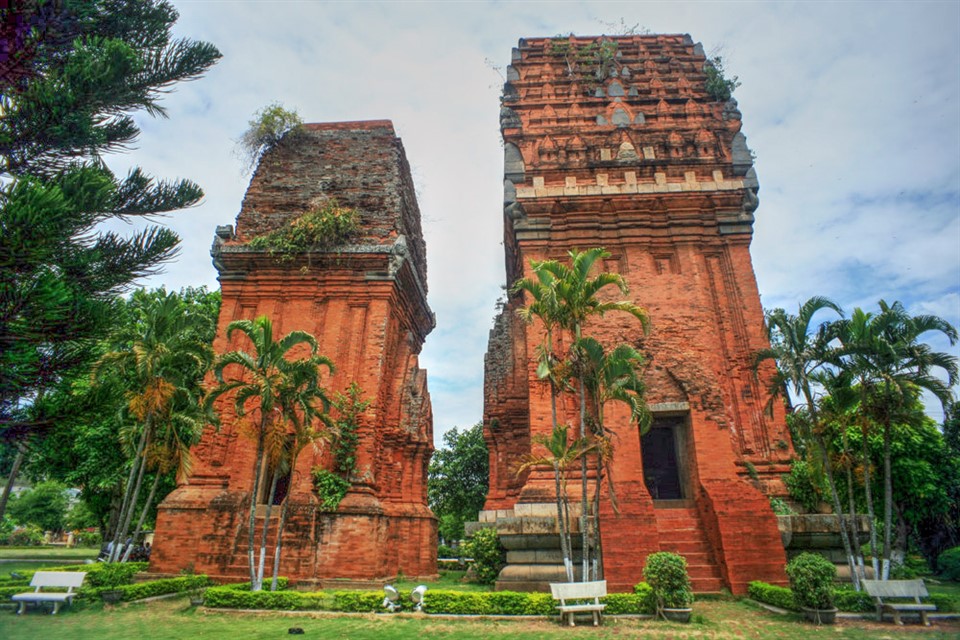
Twin Champa towers
Gia Lai Regional Museum
Best for: Travelers who want historical context before exploring local heritage.
A regional museum visit can help international travelers understand Champa civilization, Bình Định history, local traditions, and the wider cultural landscape. That background makes later encounters with architecture, markets, martial arts, and traditional performances easier to place in context.
It works particularly well near the beginning of a culture-focused stay.
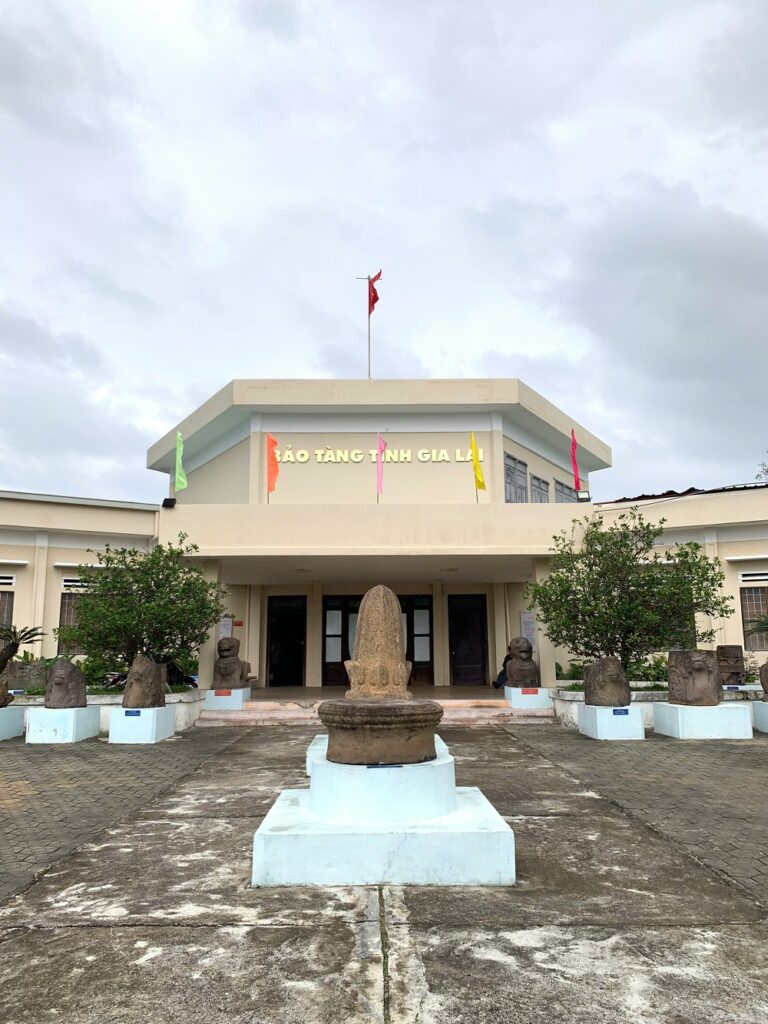
Gia Lai General Museum 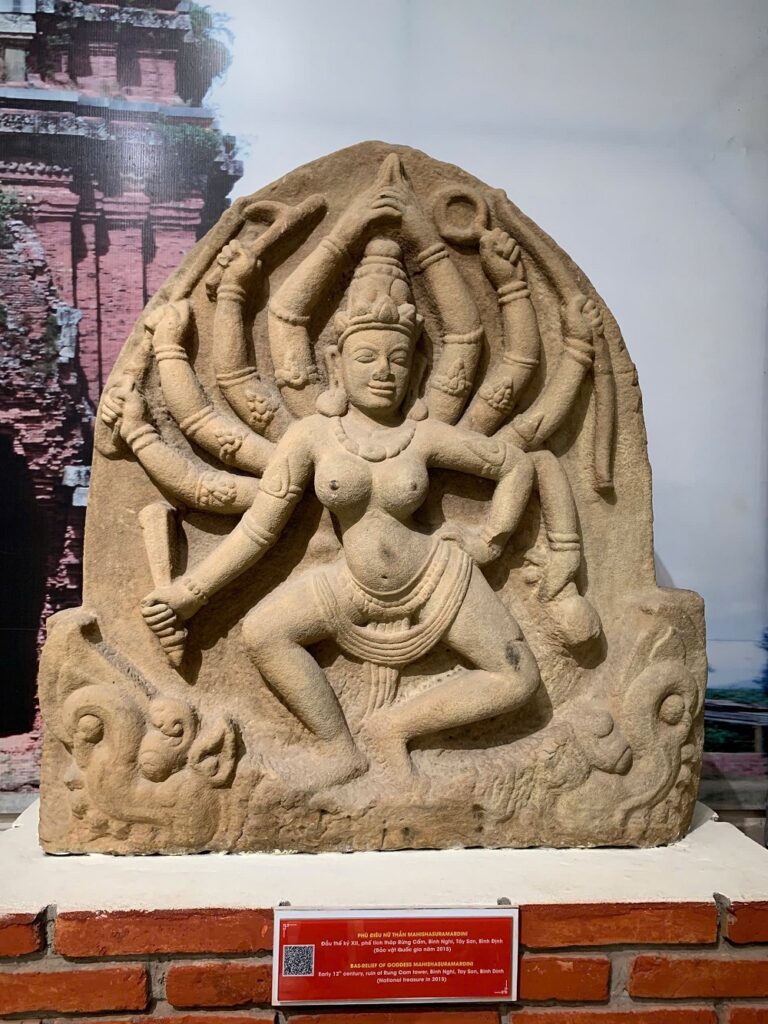
Hindu Deity Artifact
Traditional Villages Around Quy Nhon
Best for: Slow travelers, craft lovers, photographers, and visitors seeking everyday local culture.
Traditional craft villages show another side of the same cultural landscape that produced performing traditions such as Bài Chòi. Depending on the route, visitors can encounter crafts, rural livelihoods, family workshops, and skills preserved across generations.
These experiences are particularly useful if your idea of culture involves meeting communities rather than simply photographing monuments.
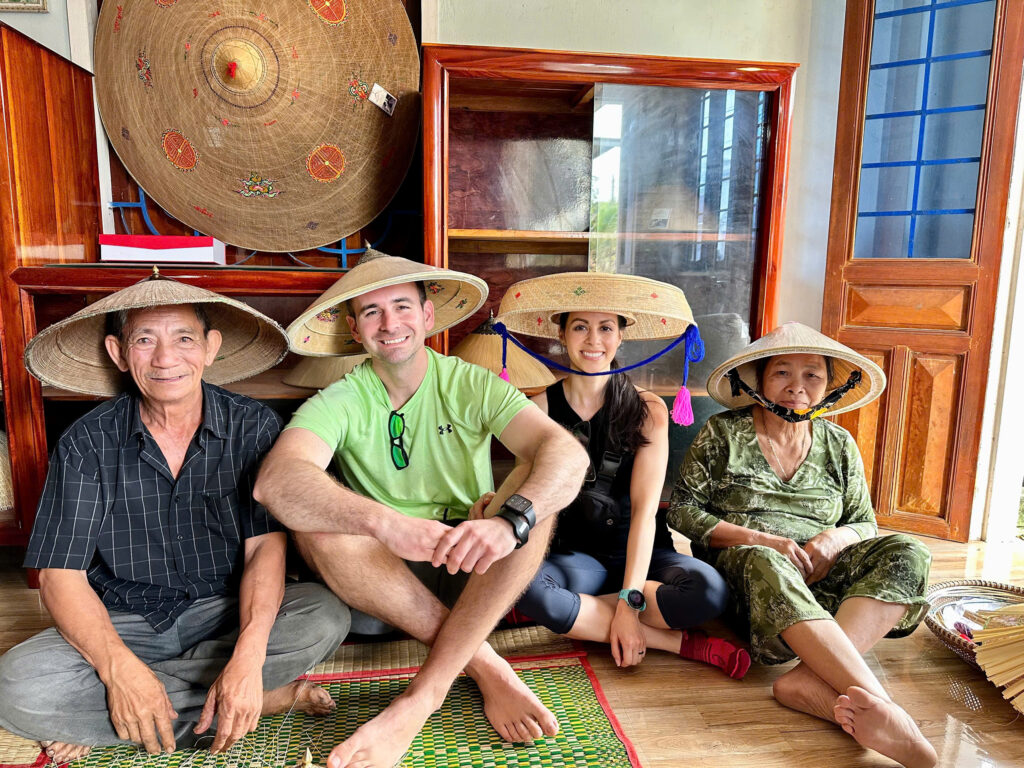
Phu Gia Conical Hats – 300-years traditional craft village in Binh Dinh. 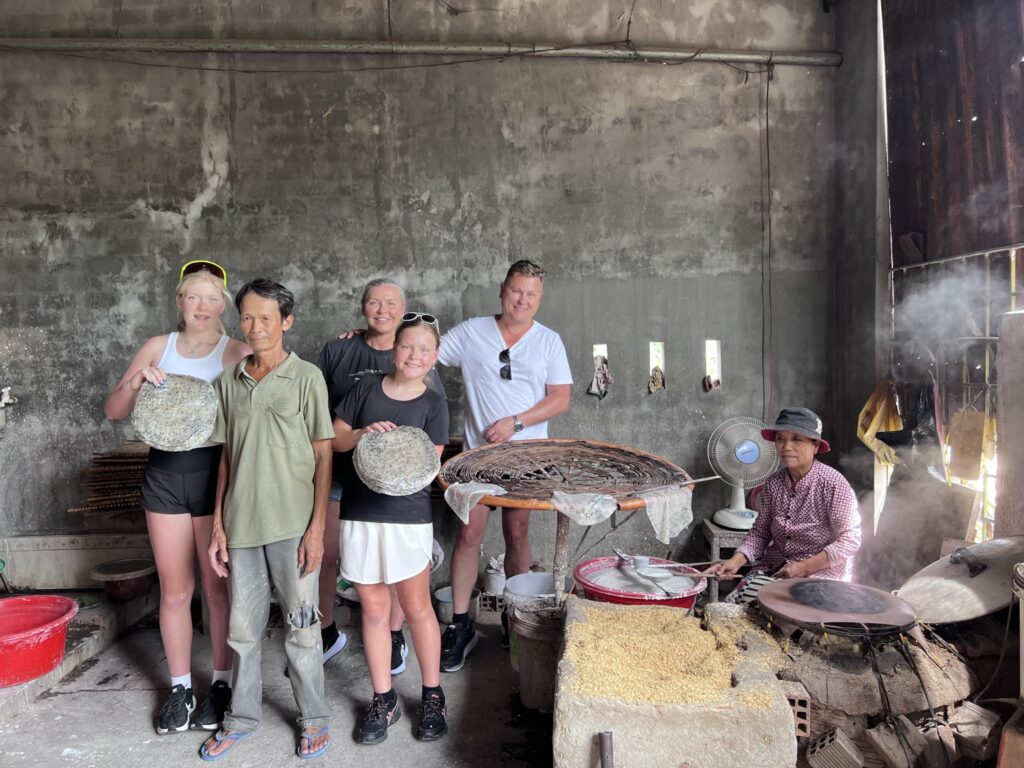
Rice Paper Making Village – best experience in traditional village. 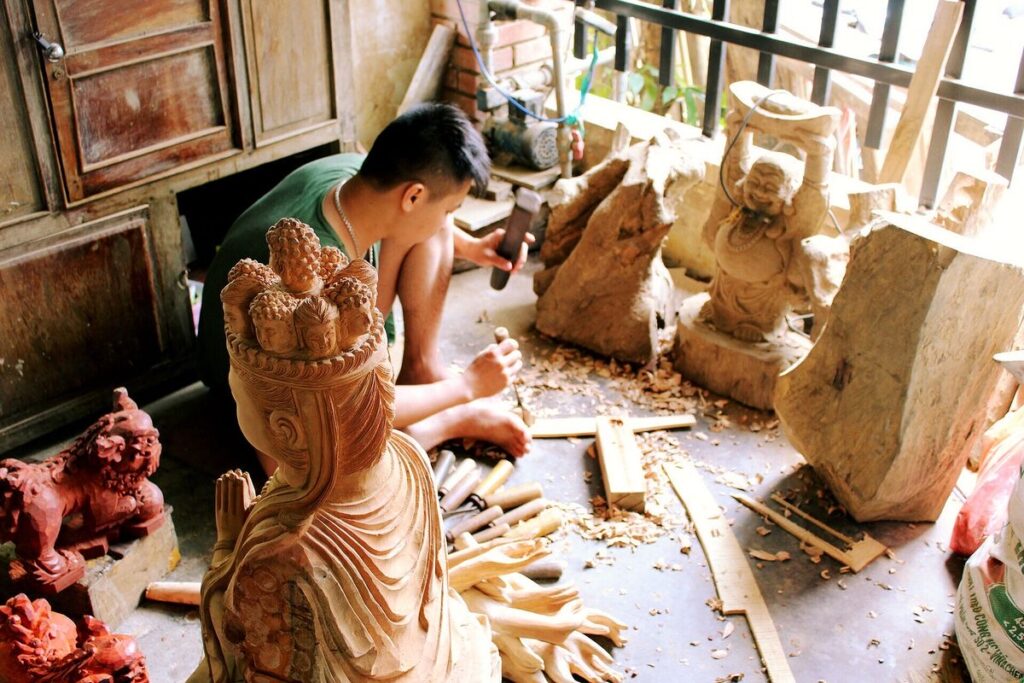
A local artisan works on a wooden sculpture at a traditional woodcraft village in An Nhon, Binh Dinh.
Recommended Thich Tours Experiences
Quy Nhon Heritage & Local Life Tour
This half-day experience is the strongest starting point for first-time visitors who want broader cultural context. The current itinerary connects Quy Hoa Village, the regional museum, Dam Market, Twin Towers, and local food.
Best for: First-time international travelers, couples, families, and visitors interested in history and everyday local life.
The tour does not currently advertise Bài Chòi as a guaranteed inclusion, so it should not be booked specifically as a Bài Chòi performance tour. Instead, it provides useful background for understanding the city before exploring its living performing arts.
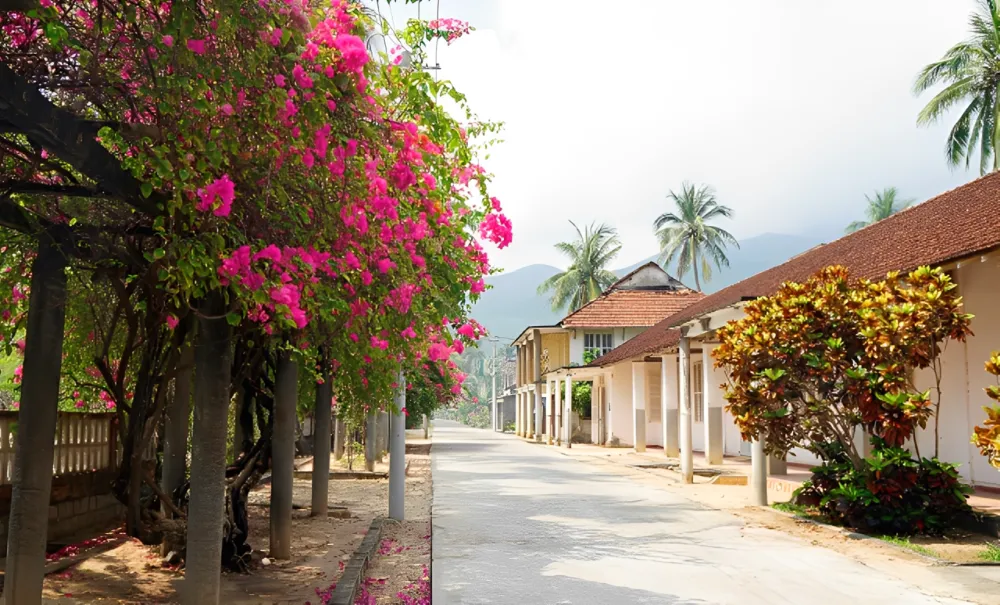
Han Mac Tu memory house 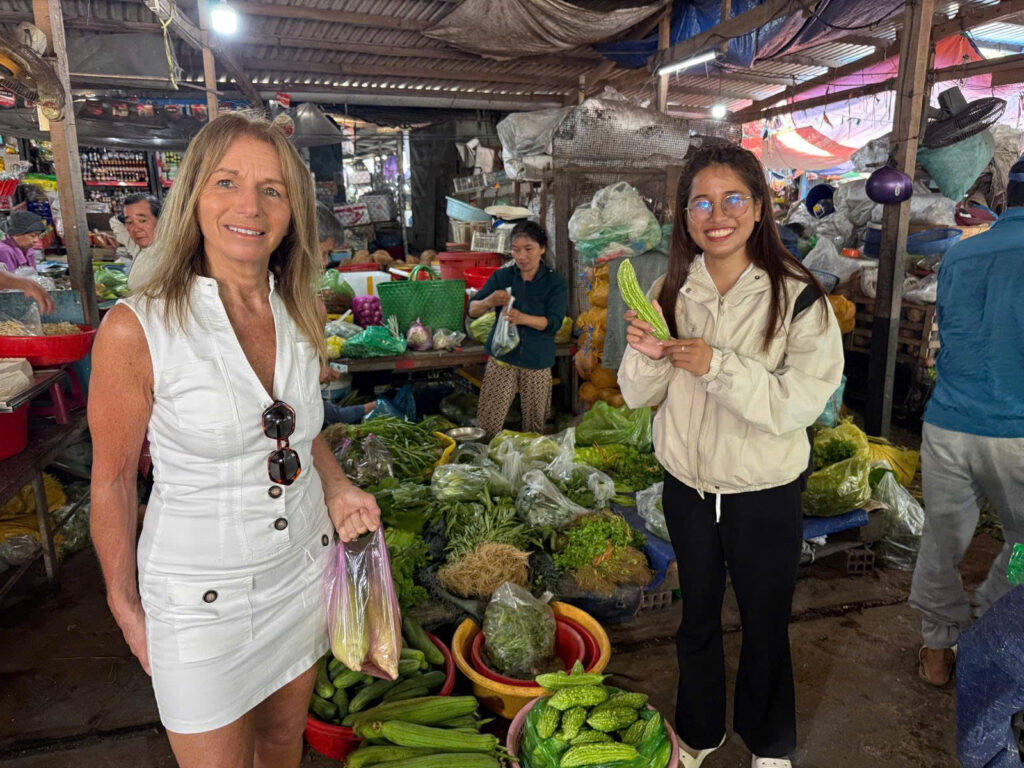
Dam Market – biggest local market in Quy Nhon. 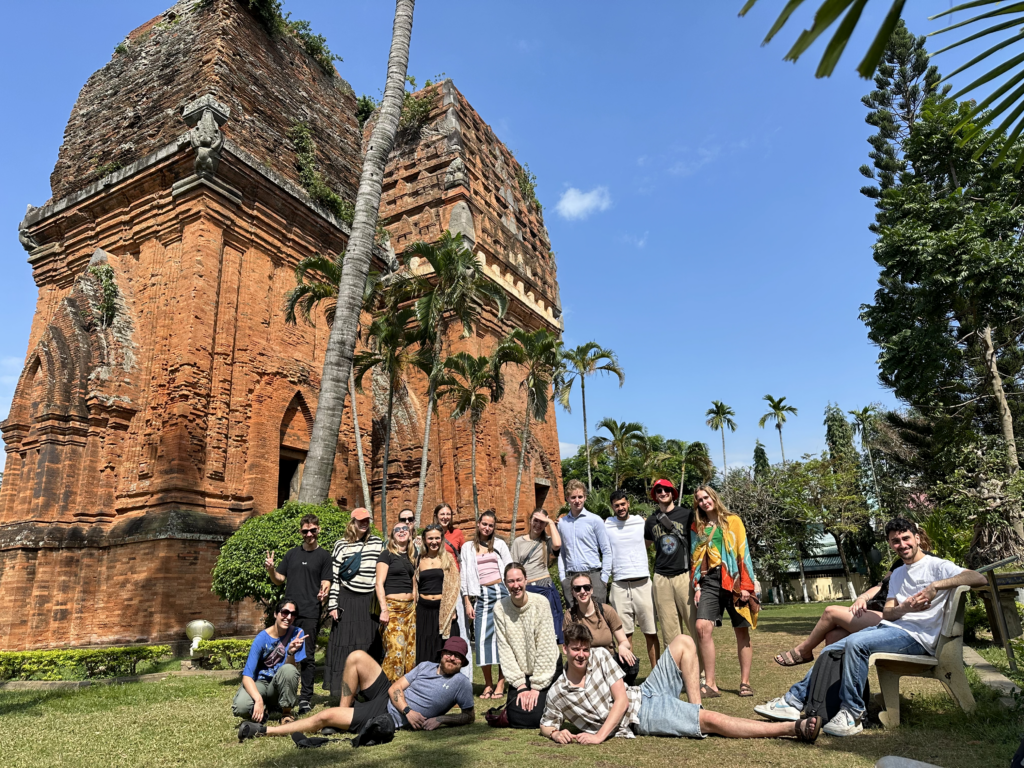
Twin Towers in Quy Nhon City Center – group photo
Binh Dinh Culture & History Tour: Tây Sơn Dynasty, Champa Towers, and Martial Arts
This full-day cultural journey moves deeper into Bình Định’s identity through Tây Sơn history, Champa architecture, and traditional martial arts. It complements Bài Chòi particularly well because both martial arts and folk performance represent living dimensions of the region’s cultural heritage.
Best for: History enthusiasts and travelers who want more than beaches and conventional sightseeing.
Consider this experience if discovering Bài Chòi makes you curious about the other traditions that have shaped Bình Định.
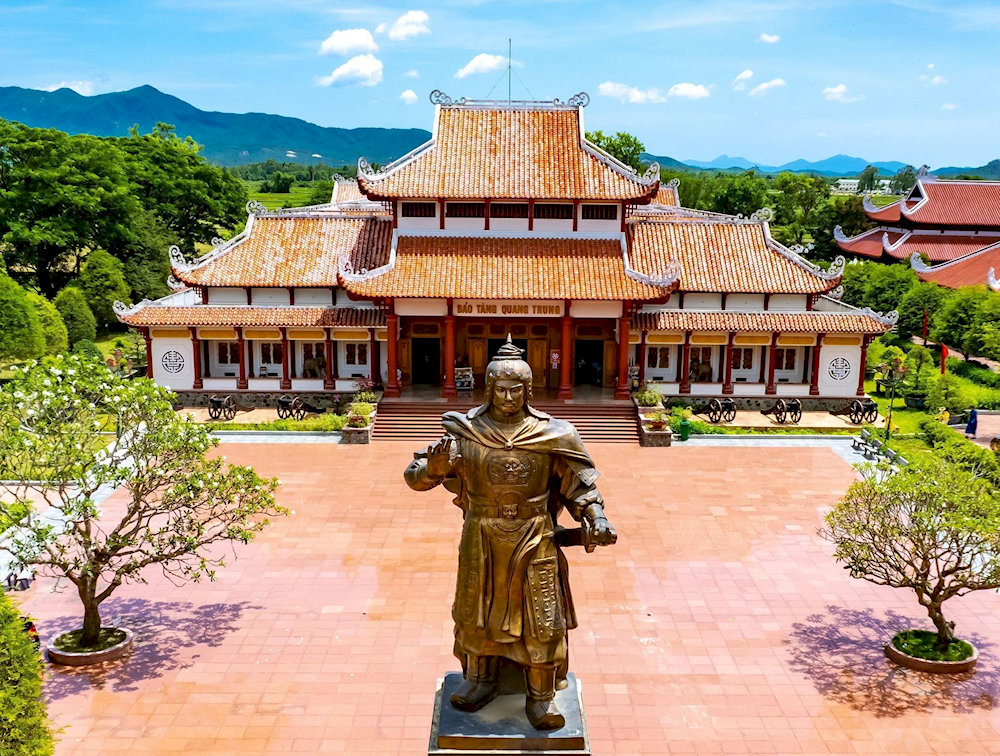
Quang Trung King Statue 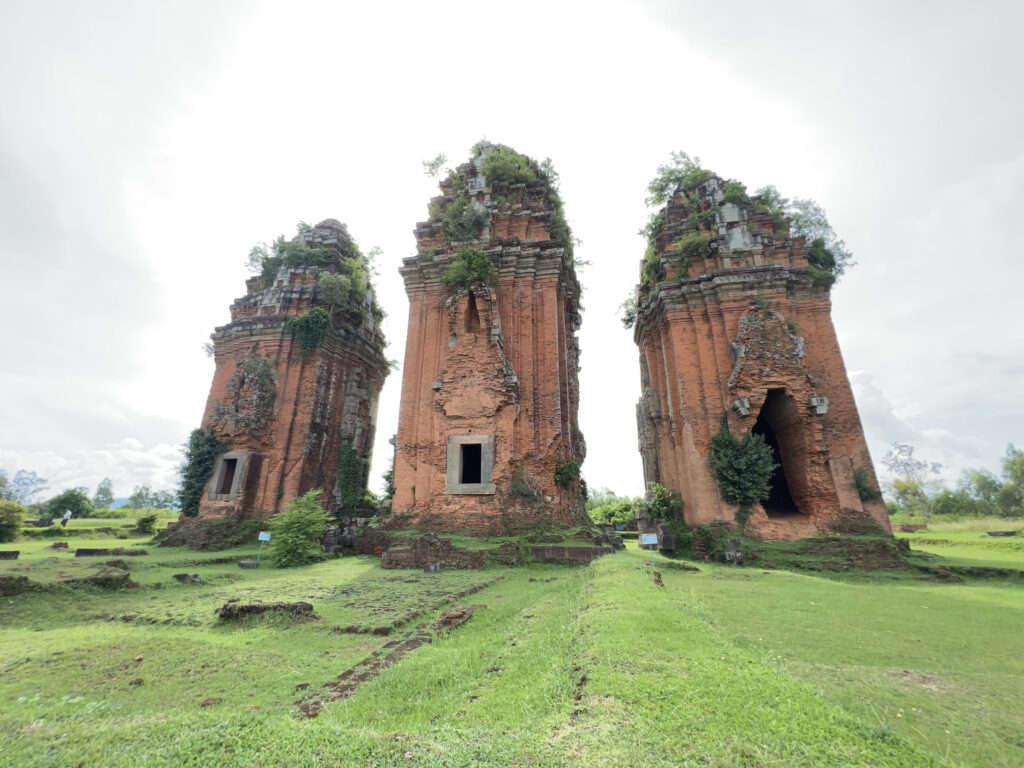
Duong Long Champa towers 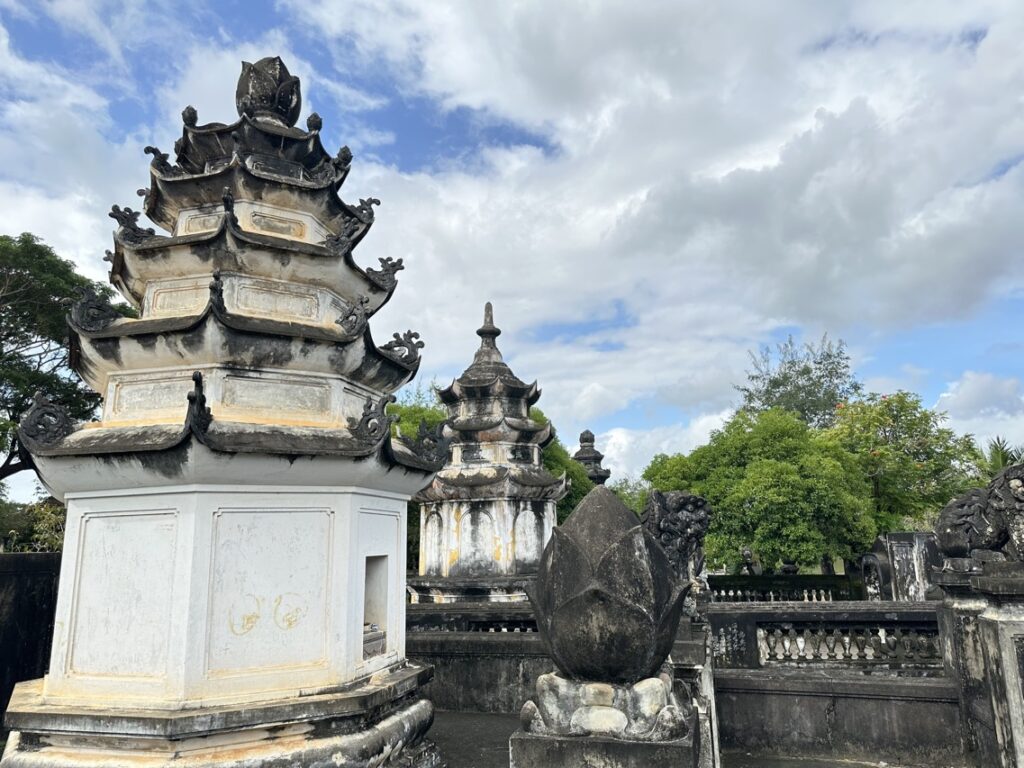
Thap Thap Pagoda
Binh Dinh Cultural Bicycle Tour – Discover Traditional Craft Villages
This experience shifts the focus from monuments toward communities and traditional craftsmanship. Cycling through local villages provides a closer view of how skills and cultural knowledge continue within everyday rural life.
Best for: Active travelers, craft lovers, photographers, and visitors who prefer slower community-based exploration.
Although it is not a Bài Chòi tour, it fits naturally into an itinerary built around living heritage rather than famous landmarks alone.
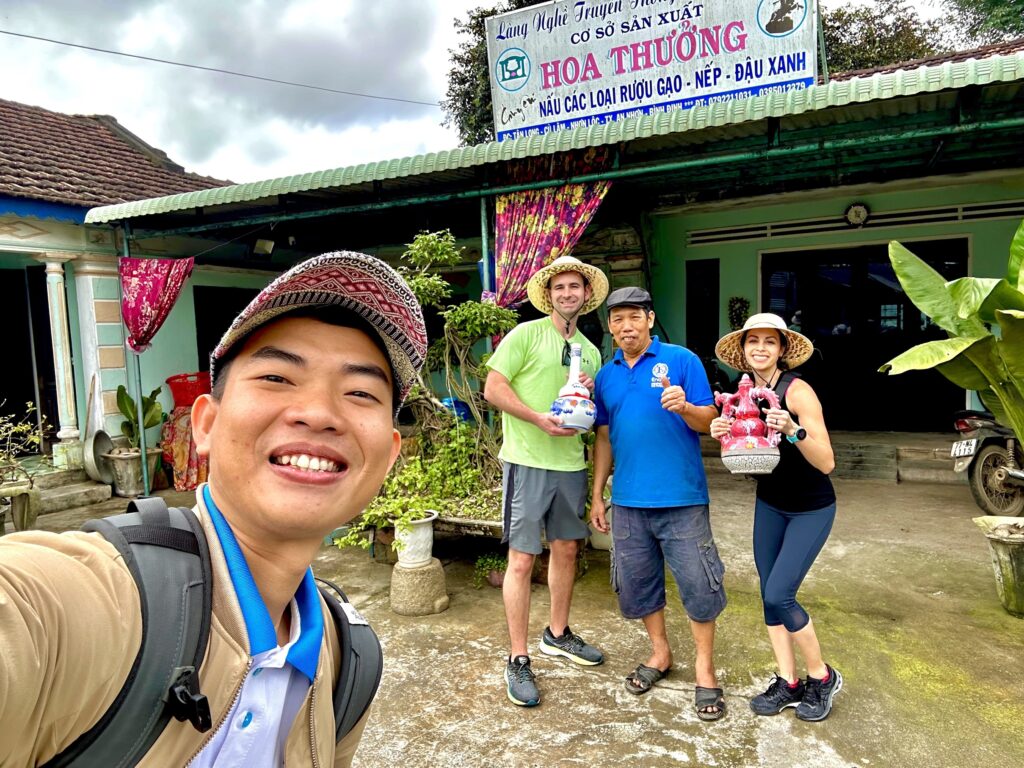
Bau Da Rice Wine Making Village 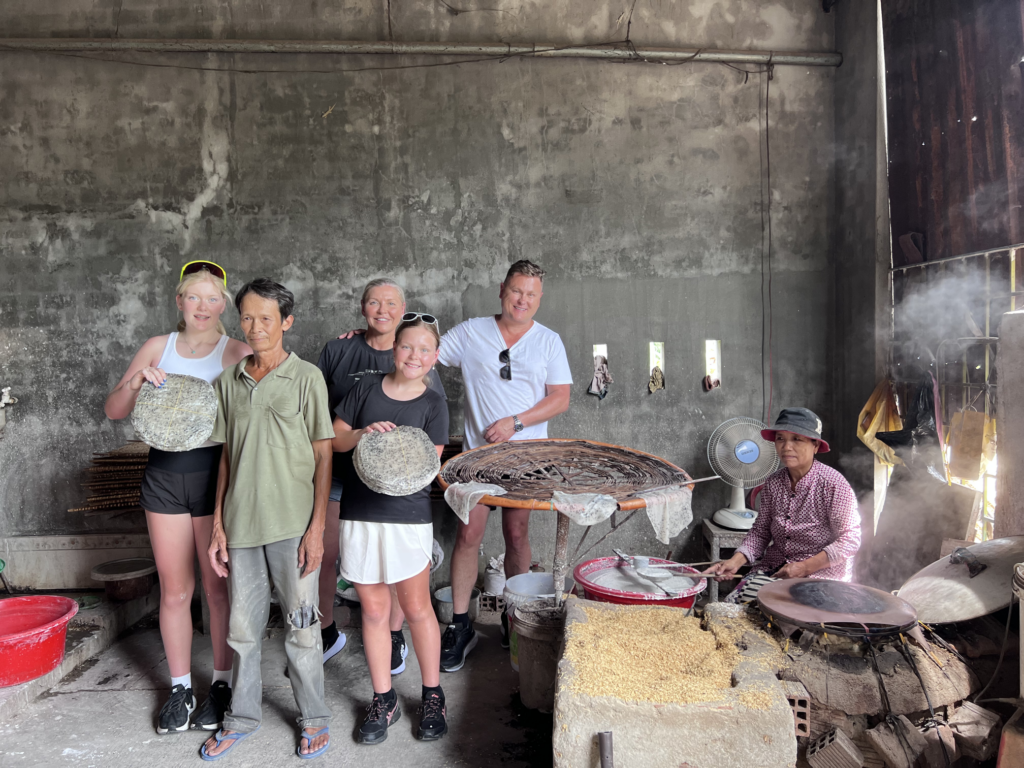
Rice paper making village
FAQ: Bài Chòi for First-Time Visitors
1. Is Bài Chòi the same as Vietnamese traditional music?
Not exactly. Bài Chòi combines folk singing and instrumental music with poetry, acting, a card game, storytelling, and audience participation.
2. Do I need to understand Vietnamese to enjoy Bài Chòi?
No, although understanding the lyrics adds another layer to the experience. International visitors can still enjoy the music, performance style, humor, gestures, and audience interaction.
3. Where can I watch Bài Chòi in Quy Nhon?
Nguyen Tat Thanh Square has hosted Bài Chòi and other traditional cultural programs. Schedules can change, so confirm current performances locally before planning a specific evening around them.
4. Is Bài Chòi recognized by UNESCO?
Yes. UNESCO inscribed The Art of Bài Chòi in Central Viet Nam on the Representative List of the Intangible Cultural Heritage of Humanity in 2017.
5. Can foreign visitors participate in Bài Chòi?
Participation depends on the particular event and its format. When visitors are invited to join, following the performer’s instructions is often the easiest way to experience the game.
Discover a Different Side of Quy Nhon
Beaches may bring many travelers to Quy Nhon, but traditions like Bài Chòi reveal what gives the region its cultural character. It is playful and musical, yet also rooted in storytelling, language, community memory, and the pleasure of gathering together.
Experiencing traditional music in Quy Nhon through Bài Chòi therefore offers more than an evening performance. It provides a small window into how local culture continues to live outside museums and historic monuments.
If culture is an important part of your trip, consider combining Bài Chòi with Cham heritage, traditional villages, markets, martial arts, and local food. You can also ask the Thich Tours local team about building a cultural itinerary around the experiences that interest you most.