Take a walk down any bustling street in Vietnam just after sunrise, and you will witness a daily ritual that defines the rhythm of the nation. You will see locals perched on tiny plastic stools, facing the chaotic traffic, casually waiting for dark, thick liquid to slowly drip from an aluminum filter into a glass of sweet condensed milk. This is not just a morning caffeine fix; it is the beating heart of Vietnam coffee culture.
To travel here without sitting on a sidewalk with an iced coffee in hand is to miss the soul of the country. Whether you are wandering through the misty mountains of the Central Highlands or exploring the pristine coastal streets of Quy Nhon, coffee is the invisible thread that connects the past, present, and the people. Let’s dive into the fascinating story of how this bitter bean became a national treasure.
A Global Love Affair: World Coffee vs. Vietnam Coffee
When most of the world thinks of coffee, they picture the smooth, acidic profiles of Arabica beans popular in Europe and the Americas. Vietnam, however, dances to a different beat.
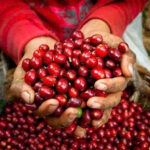
While the global market heavily favors Arabica, Vietnam is the undisputed king of Robusta. Producing nearly half of the world’s Robusta supply, Vietnamese coffee is unapologetically bold, intensely strong, and packs nearly double the caffeine content of its Arabica counterpart. It doesn’t ask for your gentle appreciation; it wakes you up with a punch and lingers with deep, chocolatey, and almost nutty notes. This robust foundation is what makes Vietnam coffee culture so distinctly powerful compared to the rest of the world.
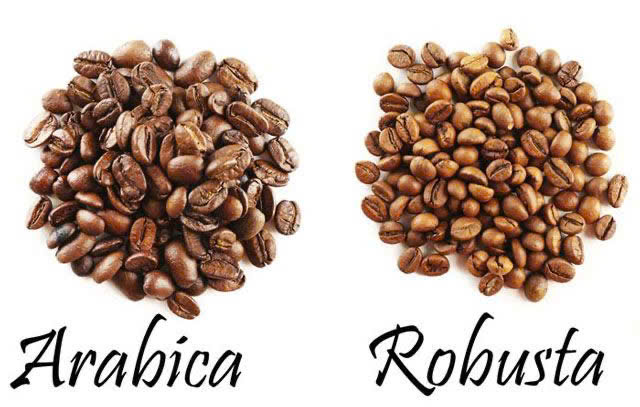
Bold Robusta. The heart of Vietnamese coffee. (Source: Collected)
>> Discover local coffee shops in Quy Nhon:
- Ocean View Cafes in Quy Nhon: 5 Best Spots for Sunset Drinks
- Affordable Local Seafood in Quy Nhon
- Best Seafood in Quy Nhon: Trusted and Affordable Places for First-Time Visitors
The Story Begins: Who Brought Coffee to Vietnam?
The story of the Vietnamese bean is a tale of adaptation. Coffee is not native to Southeast Asia. It was first introduced to Vietnam in the 1850s by French Catholic priests who brought a single Arabica tree to the northern regions.
However, the French soon realized that the harsh, humid climate of the lowlands was not ideal for the delicate Arabica plants. Over the decades, cultivation shifted southwards and changed varieties. By the early 20th century, the introduction of the hardier Robusta bean proved to be a historic turning point. What began as a colonial agricultural experiment was quickly adopted, localized, and transformed by the Vietnamese people into an integral part of their daily identity.
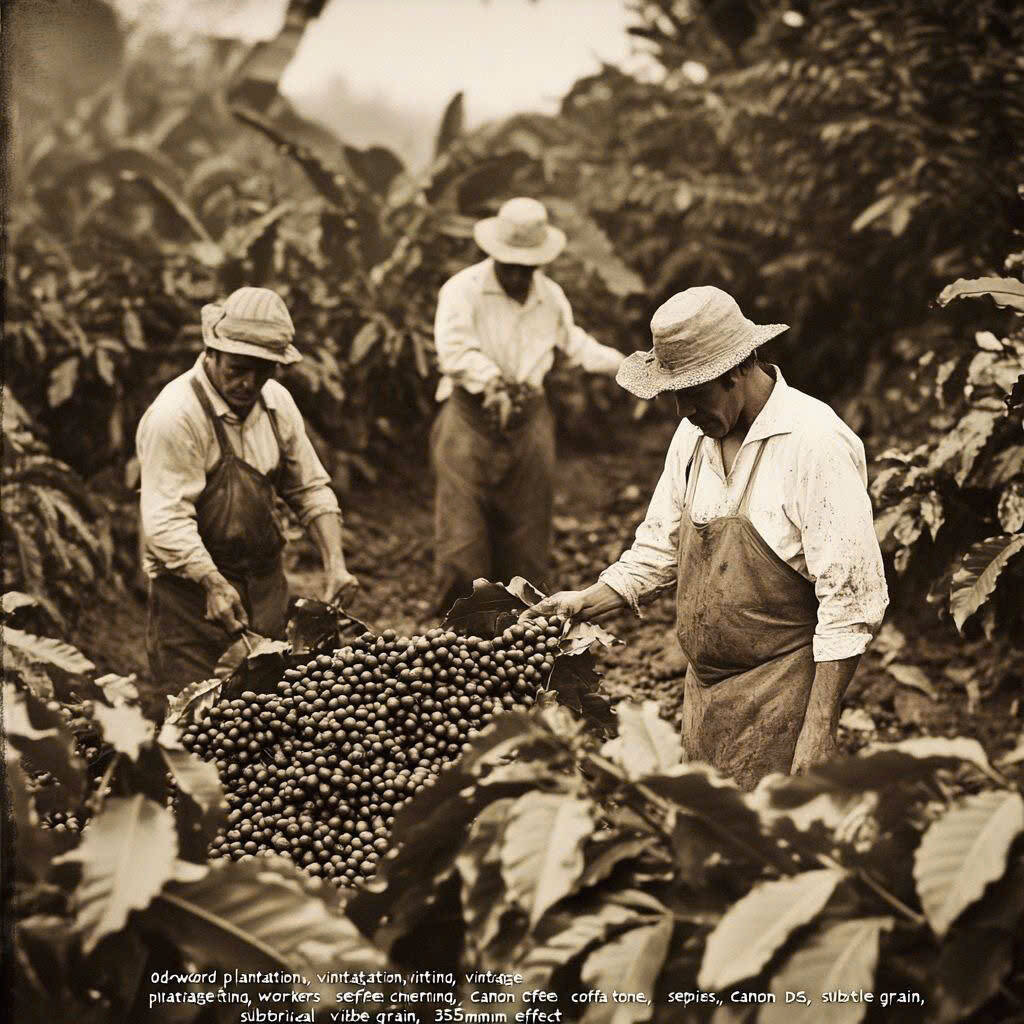
Every cup tells a story. Every sidewalk holds a memory. (Source: Collected)
The Green Gold: Where and How It Grows
If you want to find the source of your morning cup, you must head to the Central Highlands—specifically the provinces of Dak Lak and Lam Dong.
- The Soil: The region is blessed with rich, red basalt soil, a remnant of ancient volcanic activity.
- The Altitude: Sitting at 500 to 1,500 meters above sea level, the climate offers the perfect balance of rainfall and sunshine.
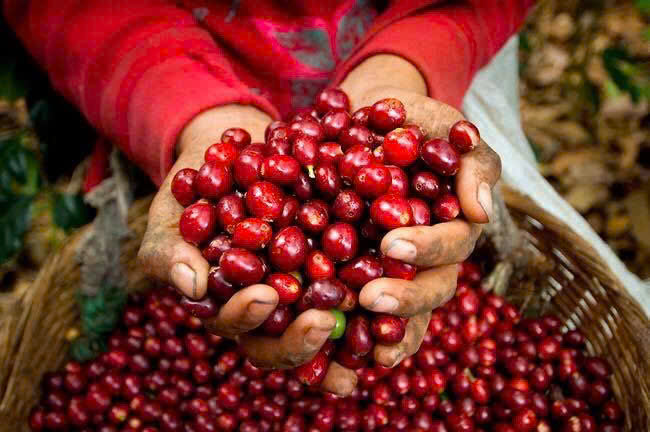
- The Harvest: Between October and January, the highlands turn into a sea of red as farmers hand-pick the ripe coffee cherries, treating them with the utmost care to ensure the highest quality yield.
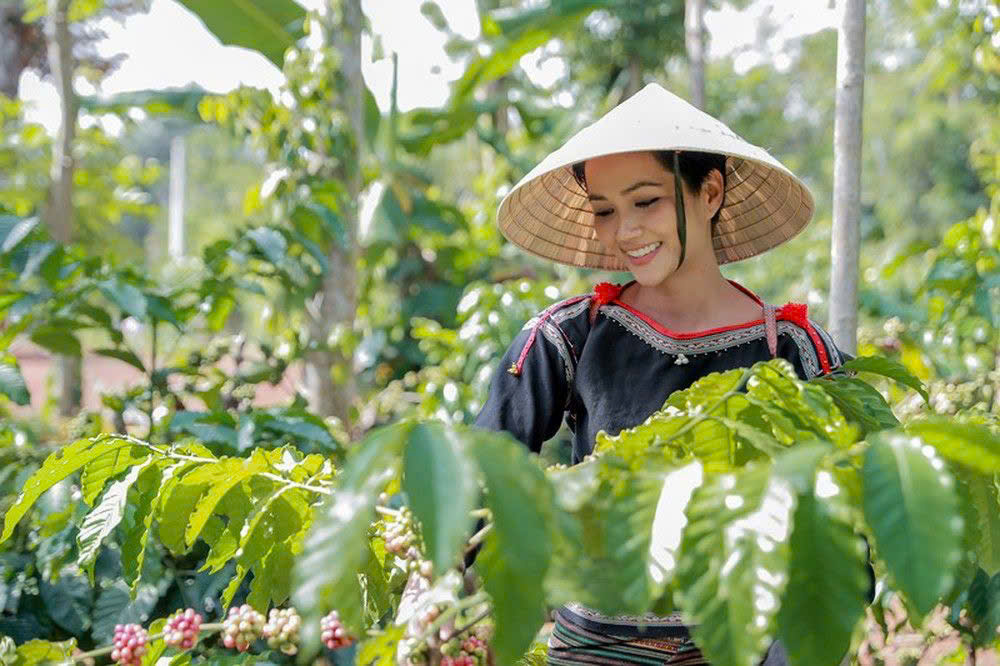
From the fertile highlands to your morning cup. (Source: Collected)
From Cherry to Cup: The Processing Method
The secret to the intense flavor of Vietnamese coffee doesn’t just lie in the bean; it is deeply rooted in the traditional processing and roasting methods.
Unlike Western roasters who prefer a dry, clean roast, traditional Vietnamese roasters often slow-roast their beans with a unique mixture of butter, salt, and occasionally even a dash of fish sauce or rice wine. This coats the beans in a slightly oily sheen, locking in moisture and creating a caramelized, thick, and syrupy texture when brewed. It is this exact roasting technique that makes traditional Vietnamese drip coffee so incredibly rich.
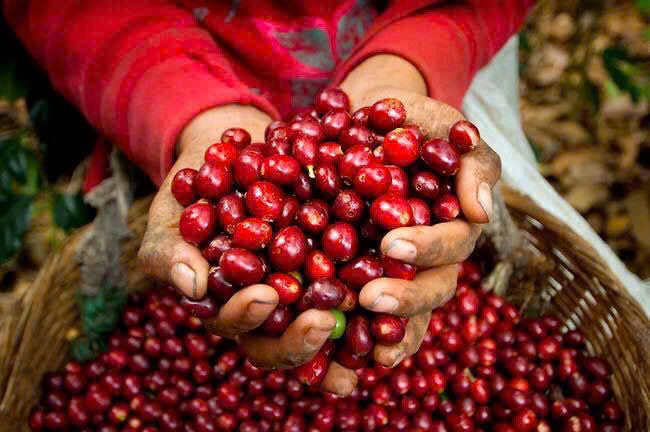
From the Central Highlands to your cup. (Source: Collected)
The Flavors of Vietnam: Unique Coffee Variations
Vietnam coffee culture is highly inventive. Over the years, locals have created variations that sound strange to foreigners but taste like pure magic:
- Ca Phe Sua Da (Iced Milk Coffee): The undisputed classic. Dark roast coffee slowly dripped over a thick layer of sweet condensed milk, stirred, and poured over ice.
- Ca Phe Trung (Egg Coffee): A Hanoi specialty. A rich, tiramisu-like foam made from whipped egg yolks, sugar, and condensed milk floating on top of hot espresso.
- Ca Phe Muoi (Salt Coffee): Originating from Hue, this combines salted cream with coffee, creating a salted-caramel-like illusion that perfectly cuts through the bitterness.
- Ca Phe Cot Dua (Coconut Coffee): A frosty, tropical blend of robusta coffee mixed with icy coconut smoothie.
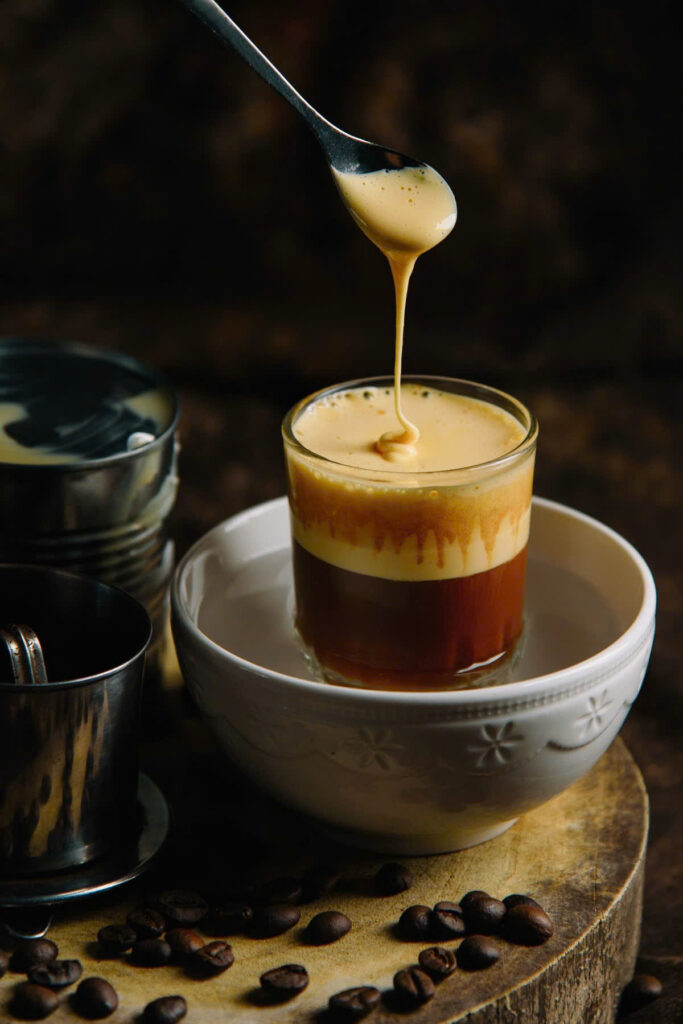
A creamy twist on Vietnam’s coffee tradition. (Source: Collected) 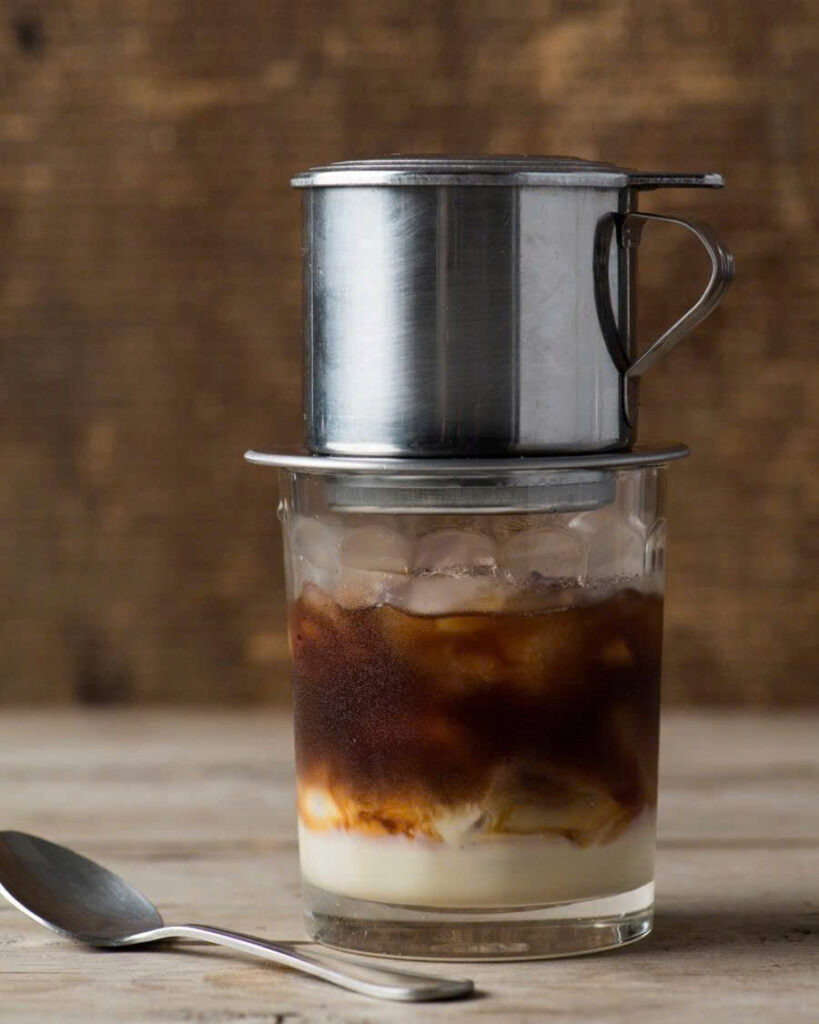
Cà Phê Sữa Đá – Vietnam’s most iconic coffee.
(Source: Collected)
The Soul of the Streets: How Locals Drink Coffee
In Western countries, coffee is often grabbed to-go in a paper cup, fueling a busy workday. In Vietnam, coffee is a destination.
The phrase “Đi cà phê không?” (Want to go get coffee?) rarely means someone is thirsty. It means: Let’s talk, let’s catch up, let’s share stories. The authentic Vietnam coffee culture is found on the tiny plastic stools sprawling across the sidewalks. You order a phin (the traditional metal drip filter), and you are forced to wait 5 to 10 minutes for gravity to do its job. This waiting period is intentional—it forces you to slow down, watch the chaotic street traffic, and simply exist in the moment.
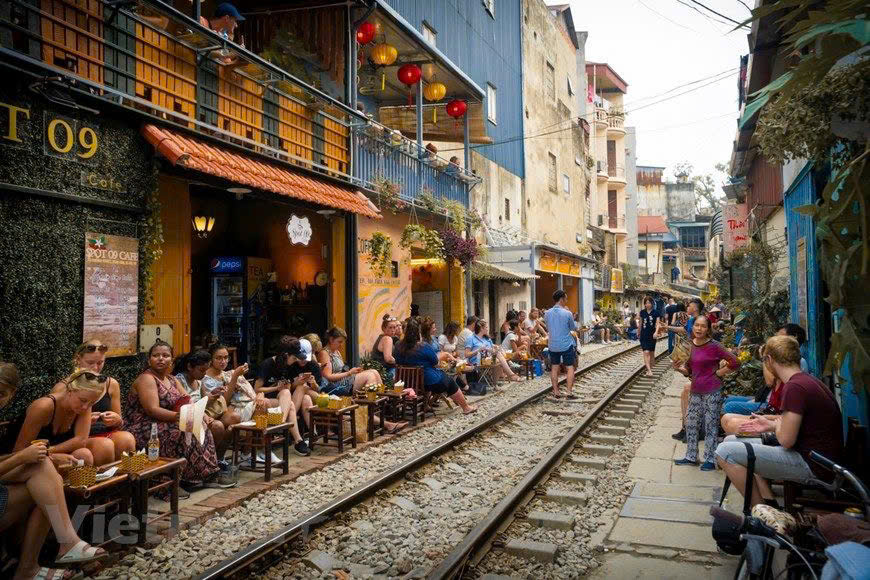
Discover hidden cafés and local stories in Vietnam. (Source: Collected)
Must-Visit Hidden Cafes in Quy Nhon
If you are exploring the breathtaking coastal city of Quy Nhon, finding a good cup of coffee is easy, but finding an unforgettable experience requires local knowledge. Here are some of the best cafes in Quy Nhon to soak in the culture:
1. Surf Bar
- Address: Xuan Dieu Beach, Quy Nhon City
- Opening Hours: 6:00 AM – 11:00 PM
- Price Range: 35,000 VND – 60,000 VND ($1.40 – $2.40 USD)
- Why go: Located directly on the sand. It’s the perfect spot to sip an iced coffee while watching the ocean waves and feeling the sea breeze.
2. Adiuvat Coffee Roasters
- Address: 57A Nguyen Thai Hoc Street, Quy Nhon City
- Opening Hours: 7:30 AM – 10:00 PM
- Price Range: 40,000 VND – 70,000 VND ($1.60 – $2.80 USD)
- Why go: A hidden gem for specialty coffee lovers. They roast their own beans and offer a quieter, more intimate atmosphere perfect for reading or deep conversations.
3. Marina Coffee
- Address: 138 Hai Ba Trung Street, Quy Nhon City
- Opening Hours: 6:30 AM – 10:00 PM
- Price Range: 30,000 VND – 50,000 VND ($1.20 – $2.00 USD)
- Why go: A favorite among locals, featuring a beautiful glasshouse design surrounded by lush greenery, right in the heart of the city.
4. Santorino Coffee & Tea
- Address: 81 Tran Phu Street, Quy Nhon City
- Opening Hours: 7:00 AM – 10:00 PM
- Price Range: 35,000 VND – 55,000 VND ($1.40 – $2.20 USD)
- Why go: Inspired by Mediterranean architecture with its iconic blue and white tones, offering stunning photo opportunities alongside great traditional and modern drinks.
5. Green Cafe
- Address: 43 Le Thanh Ton Street, Quy Nhon City
- Opening Hours: 6:00 AM – 10:00 PM
- Price Range: 30,000 VND – 60,000 VND ($1.20 – $2.40 USD)
- Why go: One of the largest and most iconic cafe complexes in town. It features multiple distinct zones, including a lush open-air garden with a beautiful koi fish pond, making it an ideal place to experience how local families enjoy their weekend coffee rituals.
6. Fellow Coffee
- Address: 240 Nguyen Thi Dinh Street, Quy Nhon City
- Opening Hours: 7:00 AM – 10:00 PM
- Price Range: 35,000 VND – 55,000 VND ($1.40 – $2.20 USD)
- Why go: A trendy, minimalist hideout that is highly popular among the younger local crowd. They are famous for their modern cold brews and creative signature drinks like salt coffee, served in a sleek, air-conditioned space perfect for cooling off.
7. Ca Phe Xua
- Address: 126 Ngo May Street, Quy Nhon City
- Opening Hours: 6:30 AM – 10:00 PM
- Price Range: 25,000 VND – 45,000 VND ($1.00 – $1.80 USD)
- Why go: A nostalgic, vintage-style cafe filled with antique wooden furniture, old radios, and memorabilia from late 20th-century Vietnam. It offers a deeply atmospheric setting to sit down on traditional wooden chairs and slow-sip an authentic, strong iced milk coffee.
Savor the Experience with Us
Understanding Vietnam coffee culture is just the beginning of understanding the Vietnamese people. Behind every cup is a story of history, agriculture, and community.
At Thichtours, we operate on a simple philosophy: Travel to learn and learn to travel. We don’t just show you the beautiful beaches of Central Vietnam; we pull up a plastic stool beside you, order a local brew, and share the untold stories of our hometown.
👉 Want to taste the real Vietnam? Let us guide you through the hidden alleys, local markets, and historic sights. Contact Thichtours today to book your authentic cultural tour and let the adventure begin!